
New York Boating License: Who Needs One, What It Costs, and How to Get It
If you’re planning to drive a motorboat anywhere in New York – the Finger Lakes, Long Island Sound, the Hudson River, even a quiet lake upstate – you need a New York boating license (officially called a Boating Safety Certificate). As of January 1, 2025, Brianna’s Law requires every motorboat operator in the state to hold one, no matter your age or experience.
New York doesn’t actually issue a traditional “boating license.” Instead, you complete an approved safety course and receive a Boating Safety Certificate. It works like a license in practice – you can’t legally operate a motorboat without it – but the distinction matters when you’re searching for what you need.
This guide covers who needs the certificate, how to get one fast, what it costs, and the exemptions that might apply to you. If you’re a visitor or just want to skip the paperwork entirely, we’ll cover that too.
Does New York Require a Boating License?
The short answer: yes, for all motorized vessels. If it has a motor and you’re driving it on New York waters, you need a Boating Safety Certificate. This applies to powerboats, pontoons, jet skis, and any other motorized watercraft.
Non-motorized vessels are exempt. You don’t need any certificate to paddle a kayak, canoe, or stand-up paddleboard, or to sail a boat that doesn’t have an engine. The requirement is strictly about motorized operation.
The certificate is issued by New York State Parks after you complete an approved boating safety course. It’s a lifetime credential – once you earn it, you never need to renew it. Think of it as a one-time requirement that clears you to operate motorboats on any New York waterway for the rest of your life.
What Is Brianna’s Law?
Brianna’s Law is named after Brianna Lieneck, an 11-year-old girl who was killed in a boating accident on Great South Bay, Long Island, in 2005. The boat that struck her was operated by someone with no formal boating safety training. Her family spent years advocating for mandatory boater education in New York.
Governor Andrew Cuomo signed the law in 2019. Rather than requiring all boaters to get certified overnight, the state phased it in over five years based on age:
- 2020: Operators born on or after January 1, 1993
- 2022: Operators born on or after January 1, 1988
- 2023: Operators born on or after January 1, 1983
- 2024: Operators born on or after January 1, 1978
- 2025: All motorboat operators, regardless of birth date
That final phase took effect on January 1, 2025. There are no more age-based exceptions. Even if you’ve been boating in New York for decades without a certificate, you now need one.
New York had over 430,000 registered recreational and commercial boats in 2023. That year saw 105 boating accidents – including 17 fatal accidents resulting in 18 deaths and 40 injuries. The law’s goal is straightforward: fewer accidents through better-educated boaters.
Who Needs a New York Boating Safety Certificate?
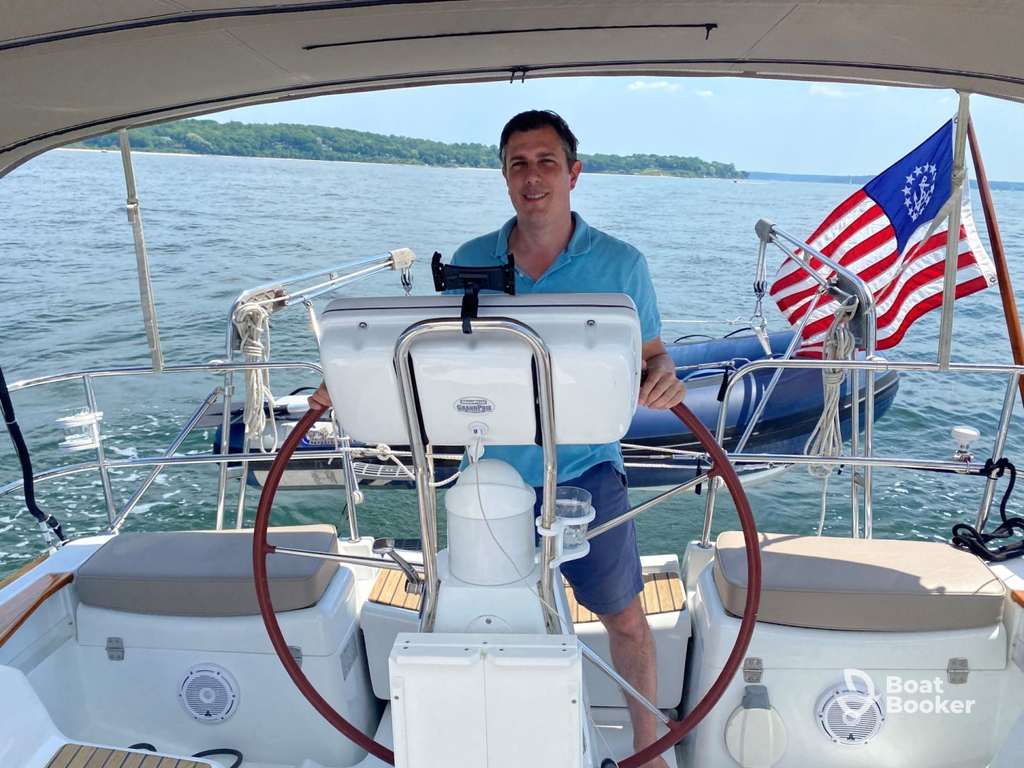
The rule is broad. You need the certificate if you:
- Operate any motorized vessel on New York waters, regardless of your age
- Operate a personal watercraft (jet ski) – you must be at least 14 years old and hold a certificate. If you’re curious about what counts as a PWC, here’s a breakdown of what a jet ski is
- Are a youth aged 10–17 operating a motorboat – you need the certificate, and operators aged 10–13 must also be accompanied by a certified adult when driving boats between 10 and 35 HP
Who Is Exempt?
A few groups don’t need the certificate:
- Non-motorized vessel operators – paddlers, rowers, and sailors on unpowered boats.
- Adults 18+ renting from a livery – if you’re renting a boat from a licensed rental company, the livery must provide a safety briefing before you head out. That briefing substitutes for the certificate. However, renters under 18 still need the certificate even at a livery.
- USCG commercial captain’s license holders – if you hold a United States Coast Guard captain’s credential, you’re already covered.
- Out-of-state visitors with a NASBLA-approved certificate – if your home state issues a boating safety certificate approved by the National Association of State Boating Law Administrators (NASBLA), New York recognizes it. Most U.S. states and Canadian provinces qualify.
How to Get Your New York Boating License
The process is simple. Here’s how it works, step by step:
- Choose an approved course. New York State Parks maintains a list of approved boating safety courses. You can take one online or in person. Online courses let you work at your own pace. In-person classes are typically offered by local boating organizations, fire departments, and community groups.
- Complete the course material. Online courses take roughly 3–8 hours depending on the provider and how fast you read. In-person classes usually run 6–8 hours in a single day. The material covers navigation rules, safety equipment, weather awareness, and New York-specific regulations. If you want to brush up on boating basics before starting, that can help you move through the course faster.
- Pass the final exam. Most courses end with a 50–60 question multiple-choice test. You need to score at least 80% to pass. If you don’t pass the first time, most providers let you retake it.
- Print your temporary certificate. Once you pass, you can usually print a temporary certificate right away. This is valid for 90 days while you wait for the permanent card.
- Receive your permanent card by mail. Your permanent Boating Safety Certificate card typically arrives in 3–5 weeks.
- (Optional) Add the anchor to your driver’s license. New York offers an “Adventure License” – a driver’s license with a small anchor icon that proves you hold a Boating Safety Certificate. This costs $12.50–$13.50 and means you don’t need to carry a separate card on the water. You can add it the next time you renew your license or request an update through the DMV.
How Much Does It Cost?
Getting your New York Boating Safety Certificate is surprisingly affordable. There’s no state licensing fee. The only cost is the course itself.
- Free option: The BoatUS Foundation offers a free New York-approved online course. You only pay if you want a permanent card.
- Paid online courses: Most other approved online providers charge $30–$60.
- Permanent card: Some providers charge an extra $10–$15 for the physical card. The temporary printable certificate is usually free.
- Adventure License: $12.50–$13.50 to add the anchor icon to your NYS driver’s license.
All in, you could spend nothing if you take the free course and print the temporary certificate. At the high end, you’re looking at roughly $75 if you choose a premium course, order the permanent card, and add the anchor to your license. Either way, it’s a one-time cost for a lifetime credential.
What Happens If You Don’t Have One?
New York law enforcement can stop your vessel and ask to see your Boating Safety Certificate. If you can’t produce one, you’re looking at:
- First offense: A civil fine of up to $250
- Repeat offenses: Fines up to $500, possible suspension of operating privileges, and up to 7 days in jail
- Vessel impoundment: Authorities can impound your boat in serious cases
One important detail that catches people off guard: you must carry your original physical certificate or have the Adventure License anchor icon on your driver’s license. A photo on your phone or a photocopy doesn’t satisfy the carry requirement under current New York Navigation Law.
This is stricter than some other states, so make sure you have the real card or the anchor before you head out. For more general tips on staying safe and legal on the water, check out this guide to boating safety tips.
Renting a Boat or Jet Ski in New York
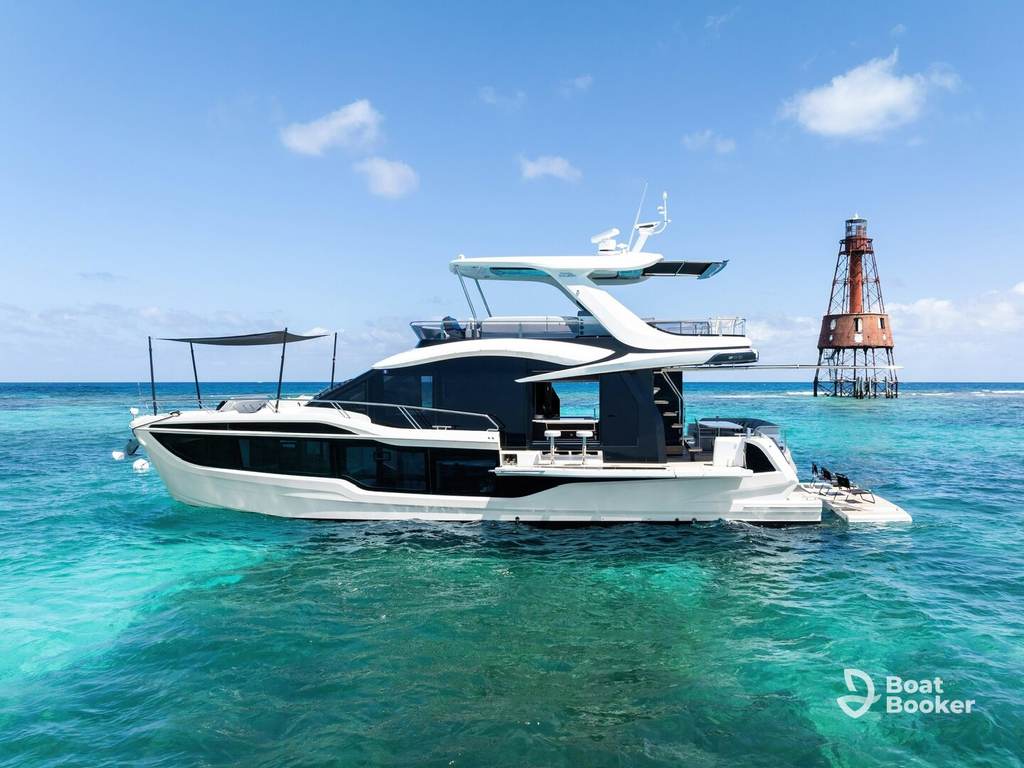
If you’re visiting New York and just want to rent a boat for the day, here’s the good news: adults 18 and older can rent a motorized boat from a licensed livery (rental company) without holding a Boating Safety Certificate. The catch is that the livery must provide a basic safety briefing before you leave the dock. This briefing covers the vessel’s controls, local hazards, and required safety equipment.
This exemption has limits, though. If you’re under 18, you still need the certificate – the rental exemption doesn’t apply to minors. And the exemption only covers boats rented from a licensed livery. If a friend hands you the wheel of their boat, that’s not a livery rental, so you need the certificate.
For jet ski rentals, the same rules apply. Adults 18+ can rent from a livery with the safety briefing. But remember that PWC operators must be at least 14, and anyone under 18 needs the certificate regardless of how they access the jet ski.
Skip the Paperwork – Book a Captained Charter Instead
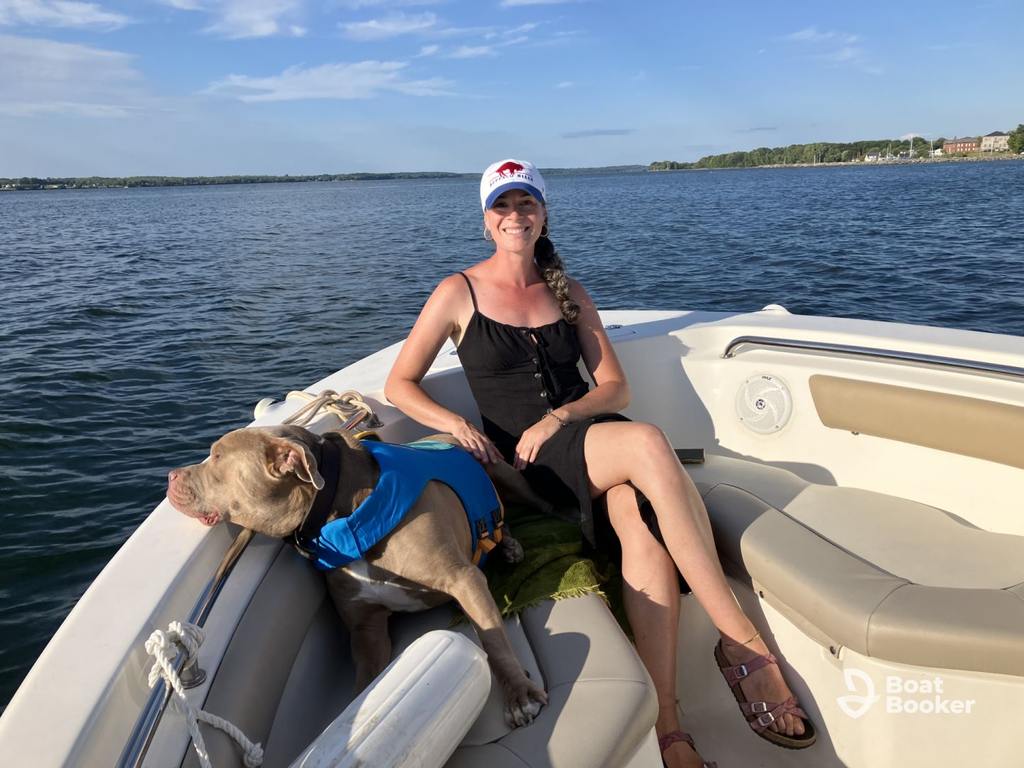
If you’d rather spend your time on the water instead of studying for a test, a captained charter is the simplest option. When you book a charter with a licensed captain, the captain handles all the certification and safety requirements. You just show up, board, and enjoy the trip.
This is especially practical for visitors. If you’re heading to New York for a vacation and want to explore the Hudson River, cruise around Manhattan, fish off Montauk, or island-hop in the Thousand Islands, a captained charter gets you on the water without any paperwork. BoatBooker offers captained charters across New York – from NYC harbor tours to fishing trips on Long Island – so you can search by location, date, and group size to find what fits.
A captained charter is also worth considering if you boat infrequently. If you visit New York once a year and always use a captain, the certificate may not be worth the effort. But if you plan to rent bareboat or drive a friend’s boat, getting certified now saves you from dealing with it later.
Frequently Asked Questions about New York Boating Licenses
Have you gone through the process of getting your New York Boating Safety Certificate? Was it as straightforward as advertised, or did anything trip you up? If you’re an out-of-state visitor who’s boated in New York, we’d love to hear how the reciprocity worked in practice. Drop your experience in the comments – and if any of the details above have changed since this was published, flag it so we can keep this accurate.