
Illinois Boating License: Who Needs One, What It Costs, and How to Get It
Planning a day on Lake Michigan, the Illinois River, or one of the state’s inland lakes? Before you head out, you’ll want to know whether you need an Illinois boating license – and what that actually means. Illinois doesn’t issue a traditional “license” the way your state DMV does for driving. Instead, the state requires a Boating Safety Certificate for certain operators. The rules depend on when you were born, how powerful the boat’s engine is, and how old the person at the helm is.
This guide breaks down who needs certification, who’s exempt, how to get it, what it costs, and the key rules you’ll need to follow on Illinois waterways. If you’re visiting from a neighboring state like Wisconsin or Indiana, we’ll cover reciprocity too.
Do You Need a Boating License in Illinois?
The short answer: it depends on your birthday and the boat’s engine. If you were born on or after January 1, 1998, you need an Illinois Boating Safety Certificate to operate any motorboat with more than 10 horsepower.
If you were born before that date, you’re free to operate a motorboat without any certification. The same goes for anyone – regardless of age – operating a vessel with 10 HP or less, or a non-motorized craft like a kayak, canoe, paddleboard, or rowboat.
People commonly call this document a “boating license,” but the official term is the Boating Safety Certificate. It works like a license in practice – you take a course, pass an exam, and carry the card. However, it’s a one-time certification, not a renewable license.
Who Needs an Illinois Boating Safety Certificate – and Who’s Exempt?
The core rule is straightforward. Were you born on or after January 1, 1998? Will you be operating a motorboat with more than 10 HP? If both answers are yes, you need the certificate.
Someone born in 1995 can therefore legally operate a 150 HP speedboat without any boating education. Someone born in 1999 needs the certificate for the same boat. The cutoff is arbitrary, but it’s the law – and it’s been phased in gradually since Illinois began requiring boating education in 2016.
Exemptions
You do not need a Boating Safety Certificate if you:
- Were born before January 1, 1998
- Are operating a motorboat with 10 HP or less
- Are operating a non-motorized vessel – canoes, kayaks, rafts, paddleboards, rowboats, and sailboats without auxiliary motors all qualify
- Hold a valid NASBLA-approved boating safety certificate from another state (more on this in the reciprocity section below)
Age Restrictions
Illinois sets specific age thresholds for young operators, and these apply regardless of certification:
- Under 10: Cannot operate a motorboat at all. No exceptions.
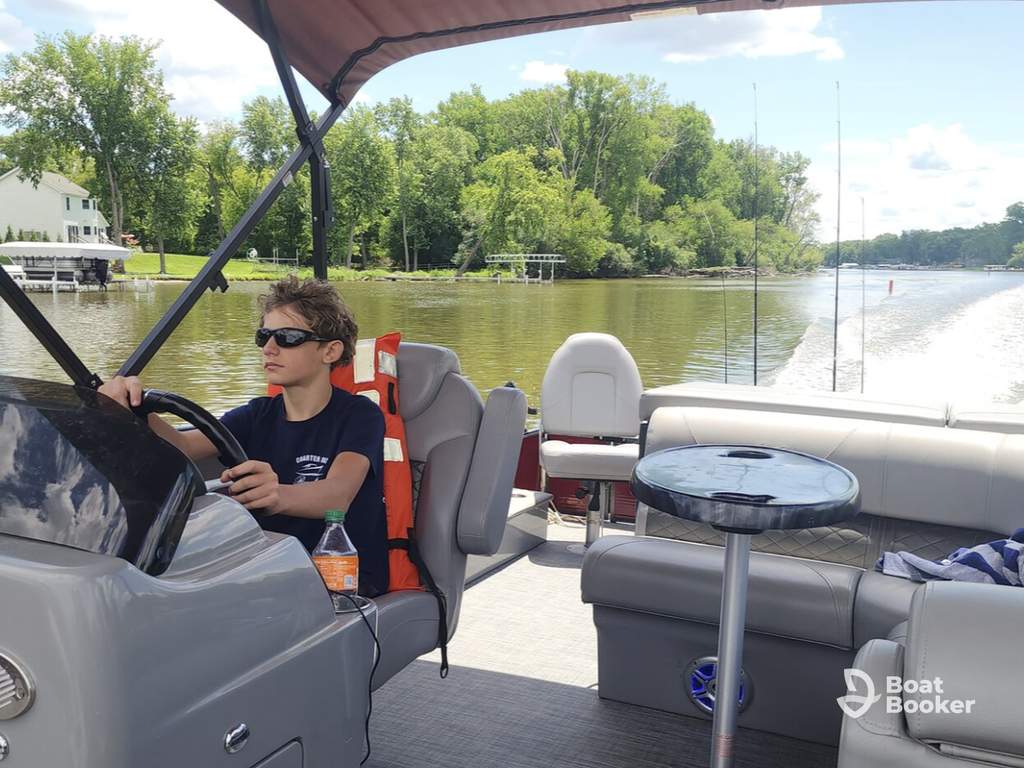
- Ages 10–11: May operate a motorboat with more than 10 HP only under direct on-board supervision of a parent, guardian, or someone at least 18 years old.
- Ages 12–17: May operate a motorboat with more than 10 HP if they’ve completed an approved boating safety course or are accompanied by and under the direct control of a parent, guardian, or someone at least 18.
A 14-year-old with a Boating Safety Certificate can operate a motorboat solo. A 14-year-old without one can still operate – but only with a qualifying adult physically on board.
How to Get Your Illinois Boating License
You have two paths: an online course or a free in-person classroom course. Both lead to the same certificate.
Online Courses
Online is the most popular option. The course covers navigation rules, boat handling, emergency procedures, and Illinois-specific regulations. Most students finish in 4–6 hours, and you can work at your own pace. Your progress is saved if you need to step away.
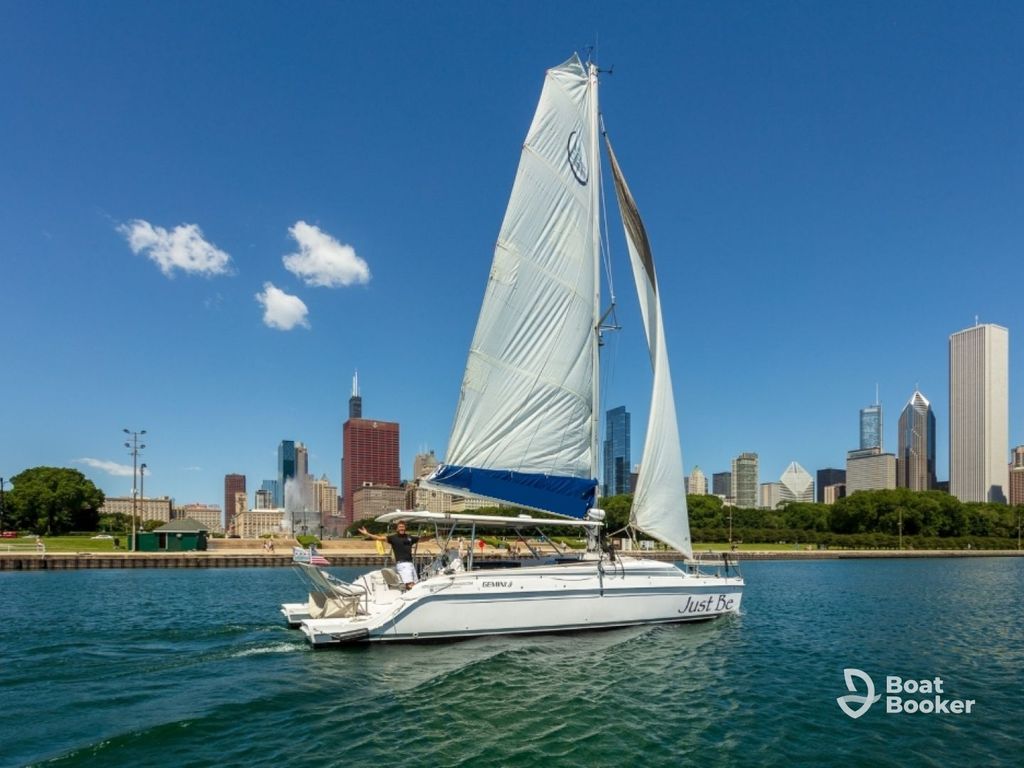
Students 11 years or older who pass an approved online course receive their certification entirely online. After passing, you can print a temporary certificate right away. Your permanent wallet-sized card arrives by mail.
Several IDNR-approved providers offer the online course. Fees range from $34.95 to $59.95 depending on the provider. Because the content is standardized, the difference between providers is mostly about interface and customer support – not course quality.
In-Person Classroom Courses
The IDNR also offers classroom courses taught by certified volunteer instructors across the state. The big advantage? They’re completely free. These courses run on set schedules and are often offered through park districts, community centers, and local boating organizations.
The tradeoff is flexibility. You’ll need to attend during the scheduled class time, and availability varies by season and location. Spring and early summer tend to have the most offerings.
The Exam
Both course types end with a certification exam. You need a score of at least 80% to pass, and you get unlimited attempts – so there’s no penalty for needing a second try. The questions draw from the course material, covering navigation rules, safety equipment requirements, and Illinois boating law.
Once you pass, print your temporary certificate right away. Keep it on the boat until your permanent card arrives in the mail.
What Does an Illinois Boating License Cost?
Here’s the breakdown:
- Online course: $34.95–$59.95 (one-time fee, varies by provider)
- In-person classroom course: Free
- Certificate itself: No additional fee beyond the course cost
Your Illinois Boating Safety Certificate is also good for life. There’s no renewal, no continuing education requirement, and no expiration date. You pay once, pass once, and you’re set.
If you’re budget-conscious, the free in-person classroom course is hard to beat. You get the exact same certification without spending a dollar.
What About Visitors from Other States?
If you’re coming to Illinois from another state and you already hold a valid NASBLA-approved boating safety certificate, you’re good to go. Illinois recognizes certificates from all 50 states through reciprocity, so you don’t need to take an additional Illinois course.
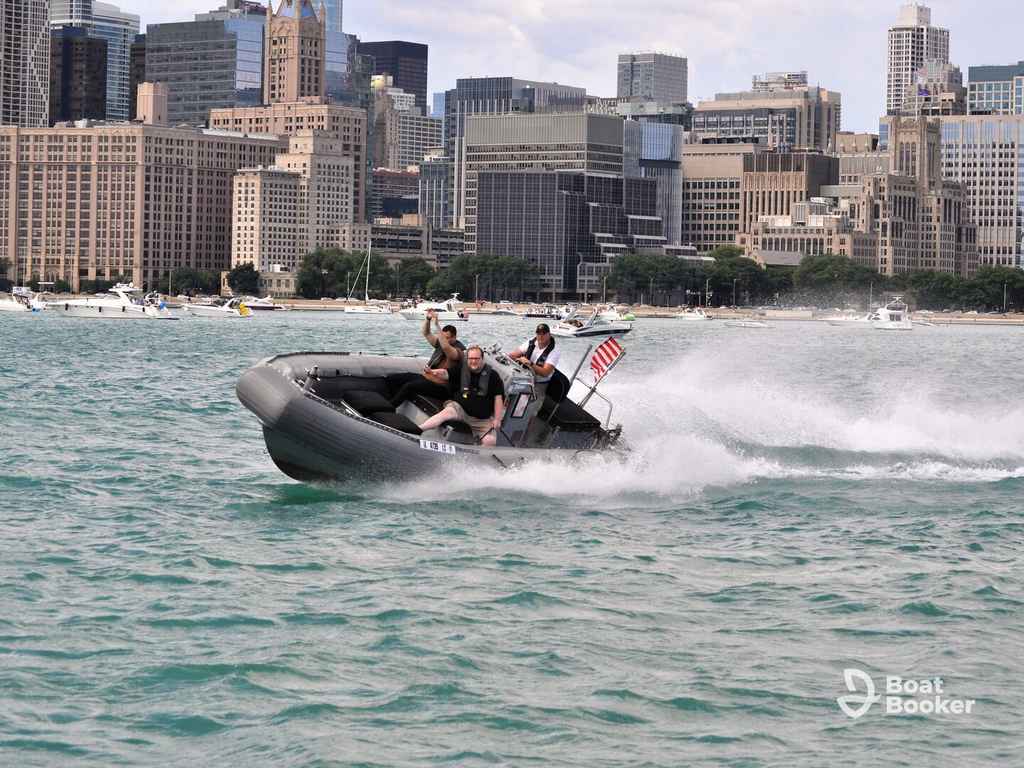
The reverse is also true. Your Illinois Boating Safety Certificate is recognized across all 50 states and Canada, so getting certified in Illinois covers you wherever you boat.
Here’s how this plays out for the most common cross-border questions:
- Wisconsin: Your Illinois certificate is valid on Wisconsin waters, and vice versa. This matters if you’re boating on Lake Michigan‘s western shore or crossing between the two states.
- Missouri: Same deal. If you hold an Illinois certificate, you can operate on the Lake of the Ozarks or any Missouri waterway without getting a separate Missouri certificate.
- Indiana: Fully reciprocal. Your Illinois certificate works on Indiana’s portion of Lake Michigan and all inland waters.
- Michigan: Also reciprocal. If you’re crossing Lake Michigan to the eastern shore, your Illinois certification is accepted.
The key requirement is that your home state’s certificate must be NASBLA-approved. Nearly all state-issued boating safety certificates meet this standard, so it’s rarely an issue. Still, it’s worth confirming if your certificate came from a private provider rather than a state program.
Illinois Boat Registration Requirements
Getting certified is only half the equation. If you own a boat in Illinois, you’ll also need to register it. Registration is required for all vessels powered by a motor or sail – including boats with trolling motors.
Registration fees depend on your vessel’s length:
| Class | Length | Fee |
|---|---|---|
| Class 1 | Under 16 ft | $28 |
| Class 2 | 16 ft to 26 ft | $60 |
| Class 3 | 26 ft to 40 ft | $160 |
| Class 4 | 40 ft and longer | $210 |
All registrations expire on September 30th and are valid for three years. You can register through the IDNR’s registration portal. You’ll need to display your registration decals on the bow of the vessel.
If you’re renting a boat or booking a charter, registration is the operator’s or owner’s responsibility – not yours. You don’t need to worry about registration fees for a rental.
Rules to Know Before You Go
Having your certificate and registration sorted is a great start. However, Illinois has a few on-the-water rules worth knowing before you launch.
Boating Under the Influence (BUI)
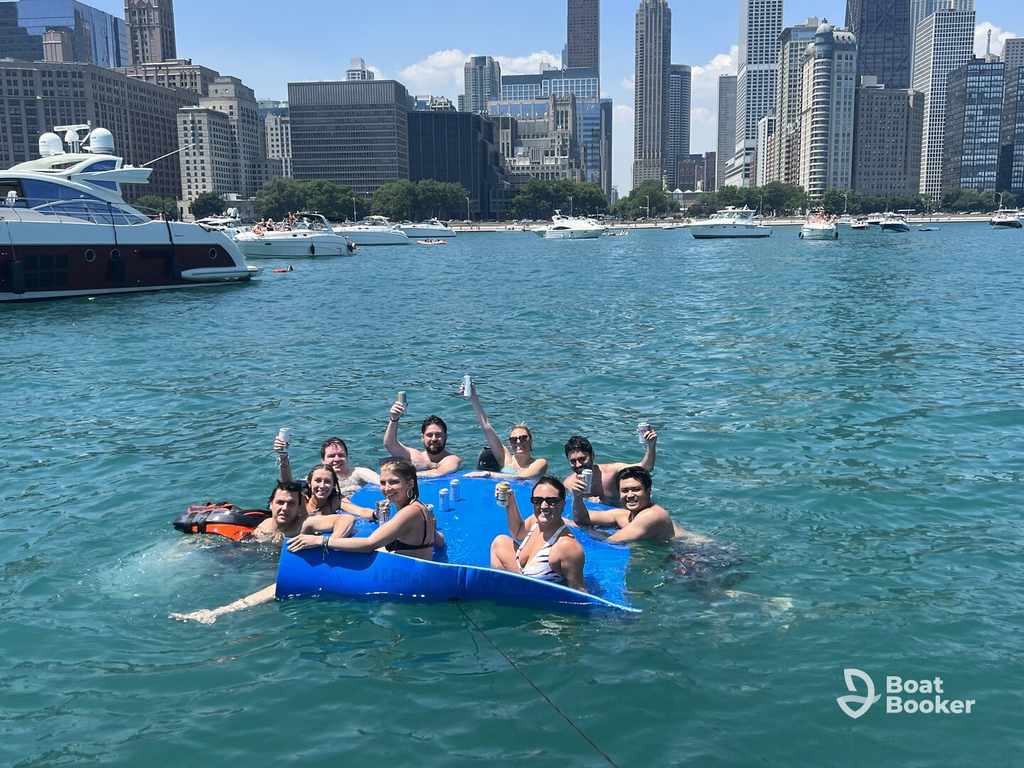
Illinois takes BUI seriously. The legal blood alcohol limit for boat operators is 0.08% BAC – the same as driving a car. A first-time BUI is a Class A misdemeanor, carrying up to 364 days in jail and fines up to $2,600. Law enforcement actively patrols popular waterways, especially on holiday weekends.
Can you drink on a boat as a passenger? Yes, you can – Illinois doesn’t prohibit open containers on recreational boats. But the operator must stay under the legal limit. Also keep in mind that sun, heat, and waves amplify alcohol’s effects faster than you’d expect on land.
Life Jacket (PFD) Requirements
Every vessel must carry one wearable PFD (Type I, II, III, or V) for each person on board. On boats 16 feet or longer, you also need at least one Type IV throwable device (like a ring buoy or cushion). Canoes and kayaks are exempt from the throwable device requirement, but each paddler still needs a wearable PFD.
Children under 13 must wear a PFD at all times while on any vessel – no exceptions.
Speed and Wake
Illinois doesn’t have a single statewide speed limit for all waterways. Instead, operators must maintain a speed that’s safe for existing conditions – think weather, traffic, visibility, and proximity to shore. Many local waterways post their own speed limits, and “no wake” zones are common near marinas, docks, and swimming areas.
Rent a Boat, Skip the License Hassle
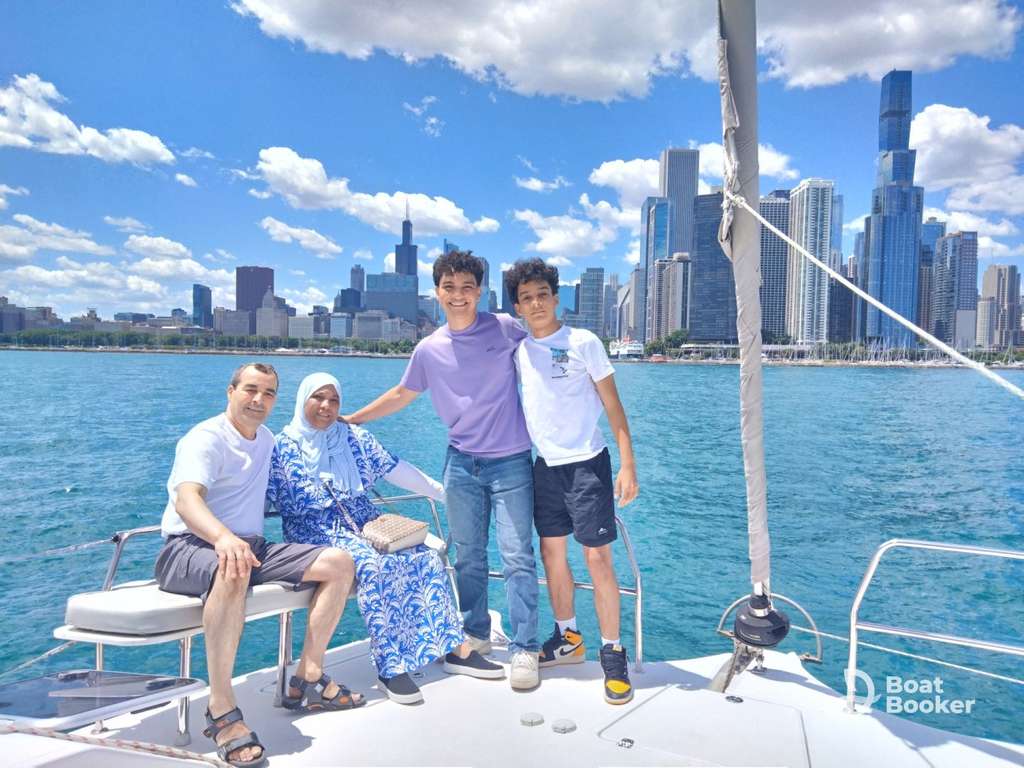
If you’re visiting Illinois for a weekend and don’t want to spend hours on a certification course, there’s a simpler option: book a captained charter. When you book a boat with a captain, the captain holds the certification – not you. You just show up, step aboard, and enjoy the ride.
This is especially popular in Chicago, where captained charters run on Lake Michigan and the Chicago River for everything from sunset cruises to fishing trips. Pontoon boats are a common choice for groups. They’re stable, spacious, and perfect for a casual afternoon on the water without worrying about operating the vessel yourself.
Frequently Asked Questions about Illinois Boating Licenses
Have you boated in Illinois – on Lake Michigan, the Chain O’Lakes, or anywhere else in the state? If any of the details above have changed since your last trip, or if you have tips for first-timers getting their certification, drop a note in the comments. We’d love to hear what worked for you.