
What Is a Bass Boat? A Beginner’s Guide to the Freshwater Fishing Boat Built for Speed
If you’ve ever watched a bass fishing tournament on TV or seen a sleek, low-slung boat tear across a lake at dawn, you’ve probably seen a bass boat. So what is a bass boat, exactly? It’s a small, purpose-built freshwater fishing boat designed for catching bass in lakes, rivers, and reservoirs. Everything about it – the hull shape, the deck layout, the electronics, the propulsion – exists to help anglers find and catch fish efficiently.

Bass boats aren’t your grandfather’s aluminum rowboat with a trolling motor clamped to the stern. They’re specialized machines that blend speed, stealth, and fishability into one package. In this guide, we’ll cover what makes bass boats different from other fishing boats, how fast they go, what they cost, and how they compare to jon boats and bay boats. We’ll also look at which brands dominate the market. Whether you’re thinking about buying one or just curious about the fuss, this post has you covered.
If you’re new to boating and not ready to commit to ownership, we’ll also cover how guided fishing charters let you experience bass fishing without spending tens of thousands of dollars.
What Makes a Bass Boat Different from Other Fishing Boats?
Bass boats are built around one idea: get to the fish fast, then slow down and fish with precision. That dual purpose shapes every design choice.
Hull Design
The hull sits low in the water with a shallow draft, usually around 12–18 inches. This lets you access skinny water along shorelines, over submerged stumps, and into coves where bass like to hide. The V-shaped fiberglass or aluminum hull cuts through chop at speed. It then levels out on plane for a stable fishing platform.
Deck Layout

The deck layout is the most recognizable feature. Bass boats have raised, flat casting decks at both the bow and stern, giving anglers an elevated platform to cast from. Swivel pedestal seats sit on top of these decks. Below the surface, you’ll find large rod lockers (most boats hold 8–12 rods), tackle storage compartments, and recirculating livewells that keep your catch alive during tournaments.
Dual Propulsion
Dual propulsion is what really sets bass boats apart. A large outboard motor on the transom – typically 150 to 300 horsepower – handles high-speed runs across the lake. A bow-mounted trolling motor, controlled by a foot pedal, handles slow, quiet positioning while you fish. Many modern trolling motors also include GPS spot-lock technology that holds the boat in place without an anchor.
Electronics
Electronics round out the package. Tournament-level bass boats come loaded with large-screen fishfinders, sonar mapping, and GPS chartplotters – often with dual screens at both the bow and the console. These aren’t optional extras on most bass boats. They’re central to how anglers locate structure, drop-offs, and fish-holding cover beneath the surface.
Capacity
Most bass boats carry between 2 and 4 anglers comfortably. They’re not family recreational boats. There are no cooler seats, no swim platforms, no Bimini tops. Every square inch serves the mission of catching fish.
Fiberglass vs. Aluminum Bass Boats
Bass boats come in two hull materials. The choice between them affects price, performance, and where you can fish.

Fiberglass Bass Boats
Fiberglass is the traditional choice for serious bass anglers and tournament competitors. These hulls are heavier, so they deliver a smoother, more stable ride at speed. They handle rough water better and feel more planted when cutting across a windy lake.
Fiberglass also allows for more complex hull designs and deeper V-shapes. Manufacturers can mold in features like integrated steps, recessed trolling motor mounts, and aerodynamic lines. The cosmetic finish is smoother, and there’s more room for custom paint and graphics – which is why tournament boats tend to look the way they do.
The tradeoff is cost and weight. Fiberglass bass boats are significantly more expensive and heavier to trailer. They’re also more vulnerable to impact damage in rocky, shallow water.
Aluminum Bass Boats
Aluminum bass boats have surged in popularity over the past decade. They’re lighter, more affordable, and remarkably durable. Hit a rock or a stump in an aluminum boat and you’ll likely leave a dent. Hit one in fiberglass and you’re looking at a costly repair.
That lighter weight also means you need less horsepower to reach similar speeds. This saves money on engine costs and fuel. Aluminum boats are easier to tow with a mid-size truck or SUV, too.
The downsides? Aluminum hulls tend to feel rougher in choppy conditions. They’re louder at speed. And the fit-and-finish generally can’t match a premium fiberglass boat. For casual anglers and weekend fishers, though, aluminum often makes more sense than fiberglass.
How Fast Can a Bass Boat Go?

Bass boats are fast – surprisingly fast for their size. Most modern bass boats cruise between 50 and 70 mph. Some high-performance rigs push past 74 mph with the right motor and conditions. That’s faster than most recreational powerboats twice their size.
Why does speed matter? In tournament bass fishing, time is everything. Competitors typically have 8 hours to weigh in their five heaviest fish. If your best fishing spot is 20 miles up the lake, the difference between a 50 mph boat and a 70 mph boat is roughly 7 minutes each way. Over a tournament day with multiple spot changes, those minutes add up.
Speed comes with responsibility, though. Bass boats ride close to the water and feel every bump. At 60+ mph, hitting a wave wrong or running into unexpected wake can be jarring – or dangerous.
Proper trim adjustment is critical: too much bow-up and the boat becomes unstable; too much bow-down and you’re plowing water and losing speed. If you’re new to high-performance boats, it takes practice to handle a bass boat confidently at speed. Brushing up on boating safety before your first outing is always a good idea.
How Much Does a Bass Boat Cost?

Bass boat prices vary enormously depending on hull material, size, motor, and electronics. Here’s a rough breakdown by tier:
- Entry-level aluminum ($10,000–$20,000): Boats like the Bass Tracker Classic (base price around $15,995) fall here. You get a functional bass boat with basic electronics, a modest outboard, and aluminum construction. These are ideal for casual anglers who fish local lakes on weekends.
- Mid-range fiberglass ($30,000–$60,000): This is where most serious recreational anglers land. You’ll get a fiberglass hull, a 200+ hp outboard, quality fishfinders, and well-designed livewells. Brands like Nitro, Triton, and Vexus compete heavily in this range.
- Tournament-grade ($60,000–$130,000+): The top tier. Ranger, Skeeter, Bass Cat, and Phoenix build boats in this range with 250–300 hp outboards, dual 12-inch fishfinder screens, hot-foot throttle controls, and every tournament feature you can imagine.
- The used market is worth exploring, too. A well-maintained 5–7 year old bass boat can save you 30–50% off new pricing. Bass boats hold their value reasonably well, though, so don’t expect fire-sale deals on popular brands.
Ongoing Costs to Consider

The purchase price is only the beginning. Budget for:
- Insurance: $200–$500 per year, depending on the boat’s value and your location
- Storage: $50–$150 per month if you don’t have space at home. Many anglers keep their boat on a trailer in the driveway to avoid this cost entirely
- Maintenance: Annual service (lower unit oil, impeller, spark plugs, trolling motor batteries) runs $300–$600
- Fuel: Bass boat outboards burn 8–15 gallons per hour at cruise, and premium fuel is recommended for most modern motors
- Registration and fees: Varies by state, typically $25–$150 annually
All told, owning a bass boat can easily run $2,000–$4,000 per year beyond the purchase price. That’s one reason many people choose to try a guided fishing charter first – you get a full day on the water with a captain, boat, and gear for a fraction of the cost of ownership.
Bass Boat vs. Jon Boat vs. Bay Boat
If you’re shopping for a fishing boat, you’ve probably noticed these three names come up constantly. They serve different purposes, and understanding the differences helps you pick the right one.
| Feature | Bass Boat | Jon Boat | Bay Boat |
|---|---|---|---|
| Primary use | Freshwater bass fishing | Shallow freshwater fishing, hunting, utility | Inshore saltwater fishing |
| Hull material | Fiberglass or aluminum | Aluminum | Fiberglass |
| Typical length | 17–21 ft | 10–20 ft | 18–24 ft |
| Speed | 50–70+ mph | 15–35 mph | 40–55 mph |
| Price range | $10,000–$130,000+ | $2,000–$15,000 | $30,000–$80,000+ |
| Capacity | 2–4 anglers | 2–4 people | 4–6 anglers |
| Best for | Tournament fishing, speed-dependent lake fishing | Budget fishing, utility, shallow creeks | Redfish, trout, and flats fishing in coastal waters |
Choose a bass boat if you fish freshwater lakes regularly, want speed to cover water, and need tournament-ready features like livewells and advanced electronics.
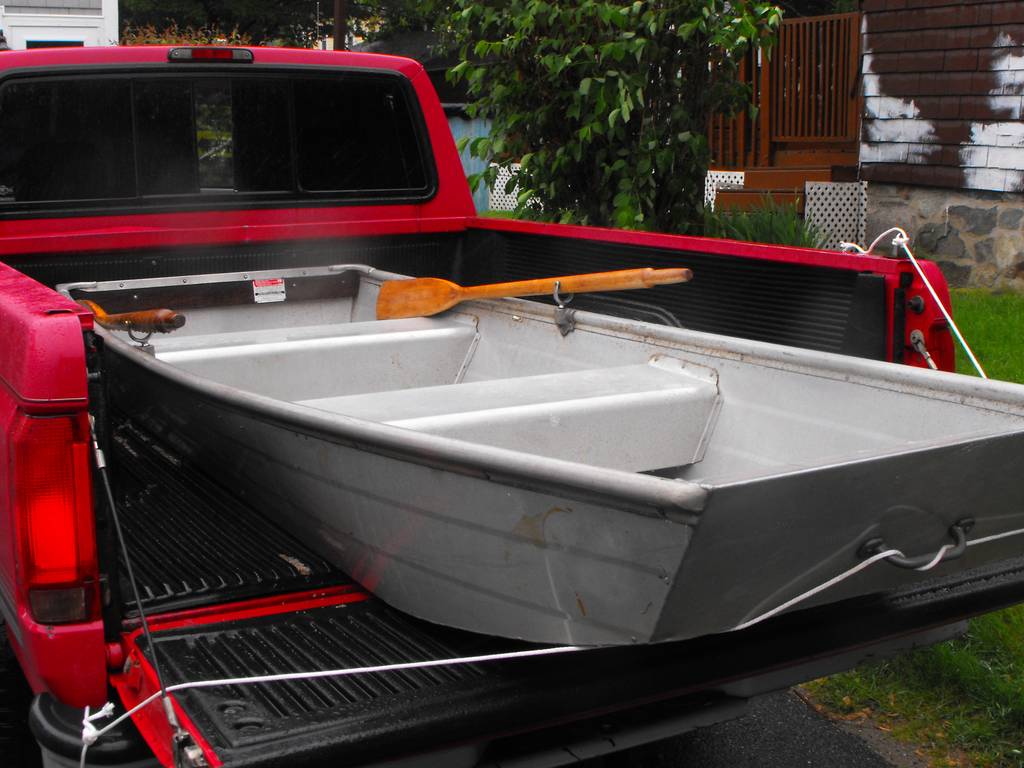
Choose a jon boat if you want the most affordable way onto the water, fish small ponds or creeks, or need a versatile utility boat for hunting and hauling.
Choose a bay boat if you fish inshore saltwater – bays, flats, marshes, and coastal estuaries. Bay boats handle salt, wind, and tidal currents far better than bass boats. For deeper offshore work, a center console boat is the better tool.
Top Bass Boat Brands

The bass boat market has a handful of dominant names. Here’s a quick orientation for beginners.
- Tracker / Bass Tracker – The entry-level king. Tracker’s aluminum bass boats are the most affordable new boats on the market, and their “no-haggle” pricing makes buying straightforward. The Bass Tracker Classic is one of the best-selling bass boats of all time.
- Ranger Boats – A premium fiberglass brand with a long tournament pedigree. Rangers are known for ride quality, build durability, and resale value. They’re a go-to choice for serious tournament anglers.
- Skeeter – Another tournament staple, especially popular in Texas and across the South. Skeeter builds fiberglass boats with aggressive styling and strong performance.
- Nitro – Part of the Bass Pro / Tracker family, Nitro fills the gap between budget Tracker models and premium brands. It offers good value for mid-range fiberglass boats.
- Bass Cat – A smaller manufacturer that punches above its weight. Bass Cat boats have a devoted following for their ride quality and attention to detail.
- Phoenix – Relatively new to the market but growing fast. Known for innovative hull designs and competitive pricing against Ranger and Skeeter.
- Triton – Solid mid-range fiberglass boats. Triton has had some ownership changes over the years, but their current lineup is competitive.
- Vexus – Founded in 2018 by former Ranger designers, Vexus has quickly gained a reputation for building quality aluminum and fiberglass hybrid boats at fair prices.
What to Expect on a Guided Fishing Charter

You don’t need to own a bass boat – or any boat – to experience great bass fishing. Guided fishing charters put you on the water with a professional captain who provides the boat, the tackle, and the local knowledge.
A typical freshwater fishing charter runs 4–8 hours. Your captain picks you up at a local marina or boat ramp, usually early in the morning when bass are most active. The boat is rigged and ready. You fish the captain’s best spots, and they’ll coach you on technique if you’re a beginner. Most charters provide rods, reels, bait, and tackle – you just show up.
Pricing varies by location and trip length. Half-day freshwater charters typically run $200–$400 for 1–2 anglers. Full-day trips range from $350–$600. That’s a fraction of a single month’s ownership cost on a tournament bass boat, and you also get the expertise of someone who fishes those waters every day.
Popular bass fishing destinations include lakes across Texas, Florida, and the Southeast – some of the best boating lakes in Texas double as top bass fisheries. You can browse and book guided fishing charters on FishingBooker to try the experience before committing to boat ownership.
Frequently Asked Questions about Bass Boats
Have you fished from a bass boat before – or are you still deciding whether to buy one versus booking a guided trip? If you’ve got a favorite brand, a lake recommendation, or a correction on anything covered here, drop it in the comments. We’re always happy to hear from people with more time on the water.