
What Is a Jon Boat? A Beginner’s Guide to the Flat-Bottomed Boat Built for Shallow Water
A jon boat is a small, flat-bottomed aluminum vessel – typically 10 to 20 feet long – with a squared-off bow, bench seating, and a shallow draft that lets it float in just a few inches of water. If you’ve ever scrolled through fishing charter listings, browsed boat rental options, or watched someone glide across a marshy backwater and thought what is that thing?, you were probably looking at a jon boat.
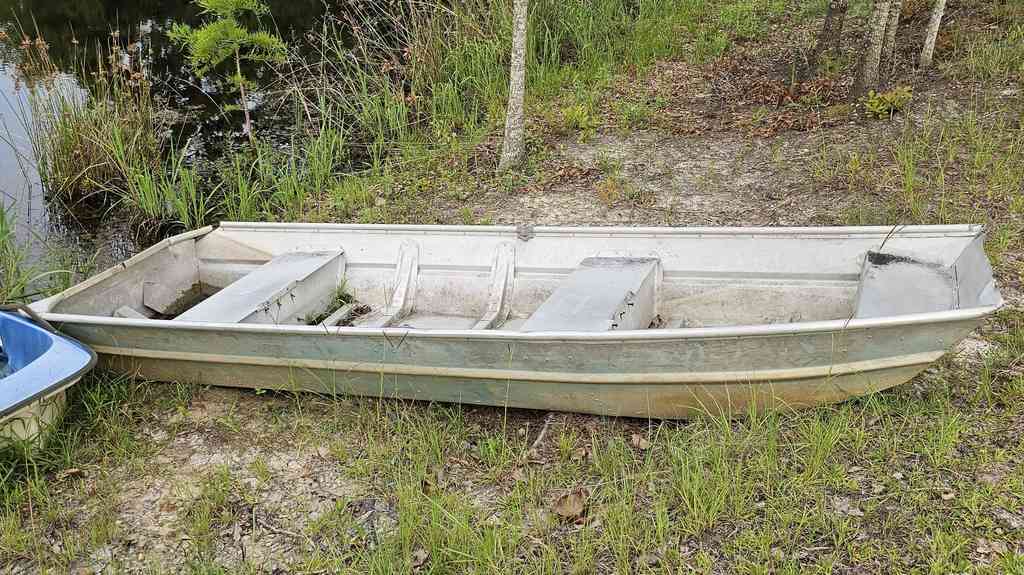
These boats are about as simple as watercraft get. No cabin, no frills, no complicated rigging. Just an open aluminum hull, a couple of bench seats, and enough room to fish, hunt, haul gear, or just putter around a lake on a quiet afternoon. That simplicity is the whole point – and it’s what makes jon boats one of the most affordable, accessible ways to get on the water, whether you’re buying your own or booking a guided trip on one.
What Makes a Jon Boat a Jon Boat
The flat bottom is the signature feature. Unlike a V-hull that cuts through waves, a jon boat’s hull sits almost flush against the water’s surface. That design gives it a shallow draft – most jon boats draw just 3 to 7 inches, depending on load. You can float over sandbars, weave through flooded timber, and nose into marshy shorelines that would ground most other boats.
The bow is the other giveaway. Instead of tapering to a point, a jon boat’s bow is blunt and squared off. It’s not pretty, but it’s practical – that wide, flat front deck gives you a stable platform to cast from or stand on.
Most jon boats are built from welded or riveted aluminum, which keeps them light and virtually maintenance-free. You won’t find fiberglass gelcoat to wax or teak to oil. Some manufacturers do offer fiberglass or polyethylene models, but aluminum remains the standard.
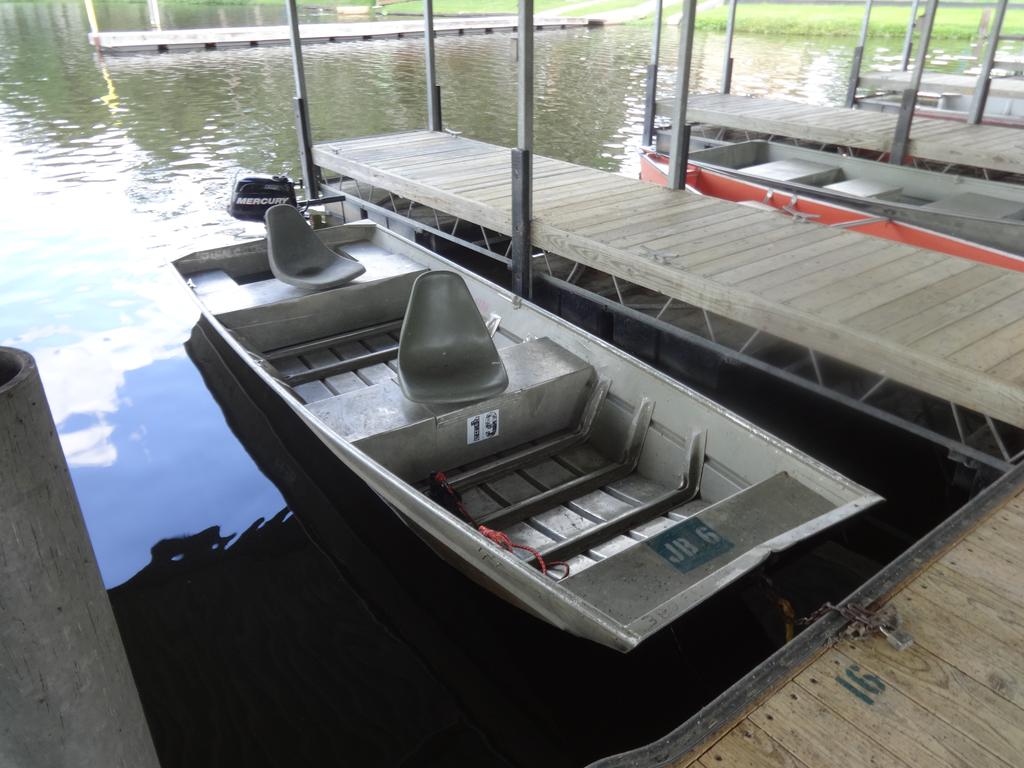
Inside, the layout is bare-bones. Two or three bench seats span the width of the hull, with exposed ribs and an open floor plan. There’s no console, no windshield, and no enclosed storage unless you add it yourself. Because the design is so stripped-down, jon boats are easy to customize – anglers bolt on rod holders, trolling motor mounts, casting decks, and livewells all the time.
Why Is It Called a Jon Boat?
The name traces back to the Ozarks region of Missouri and Arkansas. Settlers in the 19th century built flat-bottomed wooden boats to navigate the shallow, rocky rivers of the Missouri Valley. The most widely cited theory says those early boats were made from local jack pine (sometimes called “john wood”), so the vessels became known as “john boats” – later shortened to “jon boats.”
There’s also a lesser-known Scandinavian theory linking the name to the Swedish and Norwegian word eka (or older forms like yawn), referring to a simple flat-bottomed craft. Whatever the true origin, the first documented use of “johnboat” in print appeared in a 1919 federal report on the freshwater mussel industry. It’s a reminder that these boats were workhorses long before they became recreational staples.
What Are Jon Boats Used For?
Jon boats are generalists. Their simplicity and shallow draft make them useful in situations where bigger, more specialized boats can’t go – or aren’t worth the cost.
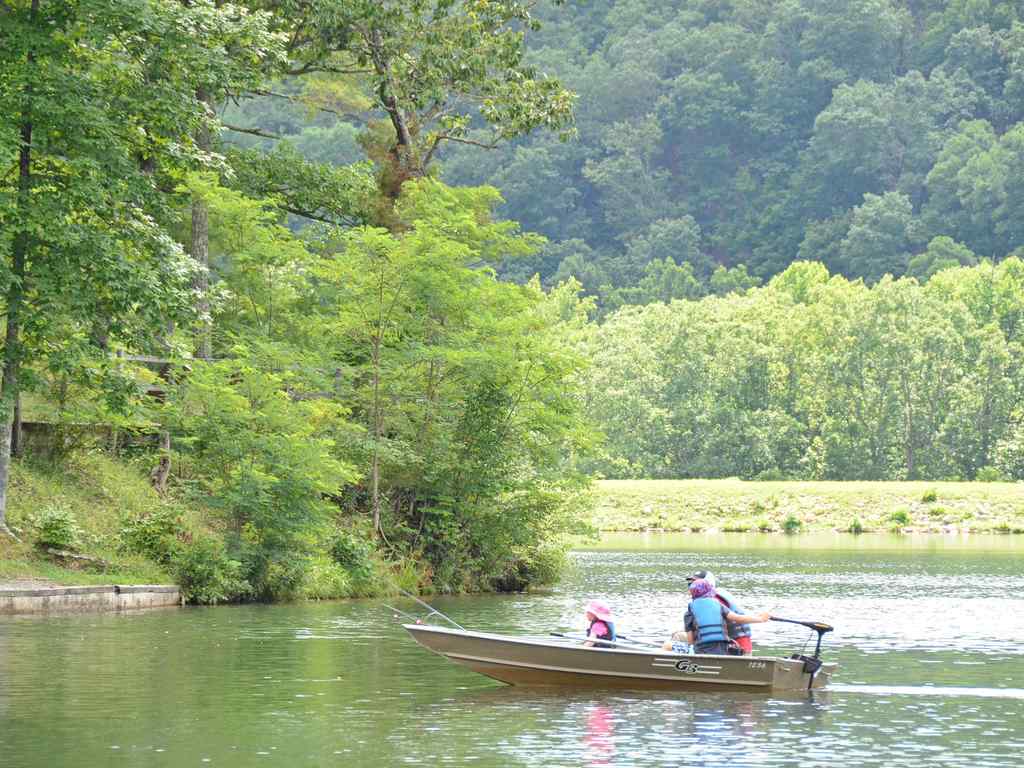
Fishing
This is what most people picture when they think of a jon boat. The flat, stable hull makes a solid casting platform on calm lakes, ponds, rivers, and backwater channels. Bass anglers love them for slipping into shallow coves. Crappie and panfish anglers use them to work brushpiles in water that’s barely knee-deep. A small outboard or trolling motor is all you need.
Duck Hunting and Bowfishing
The low profile and shallow draft make jon boats ideal for pushing into flooded marshes and timber during duck season. Many hunters paint them in camo and add brush blinds. Bowfishers use them at night with mounted floodlights, drifting over flats to target carp, gar, and other rough fish.
Utility and Work
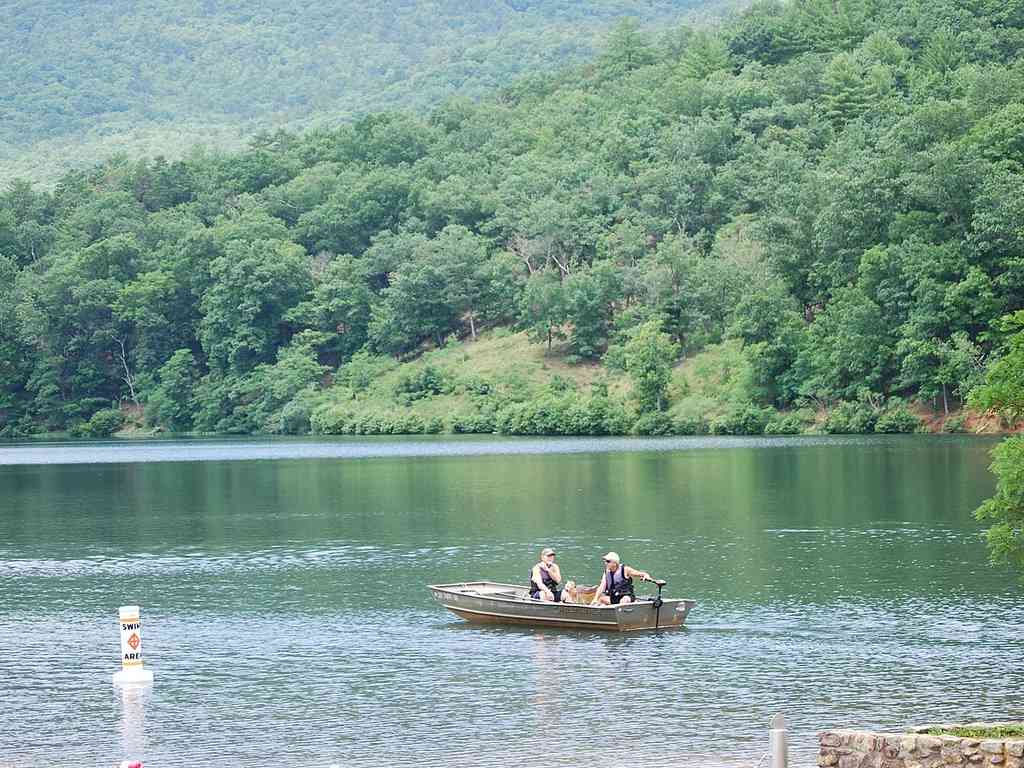
Jon boats are common as dock tenders at marinas, property-to-shore shuttles at lakeside cabins, and general haulers for anyone who needs to move gear, supplies, or people across calm water. Fish hatcheries, wildlife agencies, and environmental researchers also use them regularly.
Recreation
Not every trip on a jon boat involves a rod or a shotgun. Plenty of people use them for casual lake cruising, river floating, and exploring creeks and backwaters. Their low cost and easy trailering make them popular as “camp boats” – the kind you toss on a trailer and bring along on weekend camping trips.
Jon Boat Sizes, Weight, and Capacity
Jon boats span a wide range, from 10-foot solo fishing platforms to 20-foot rigs that can carry a half-dozen people. Here’s a rough breakdown by size tier.
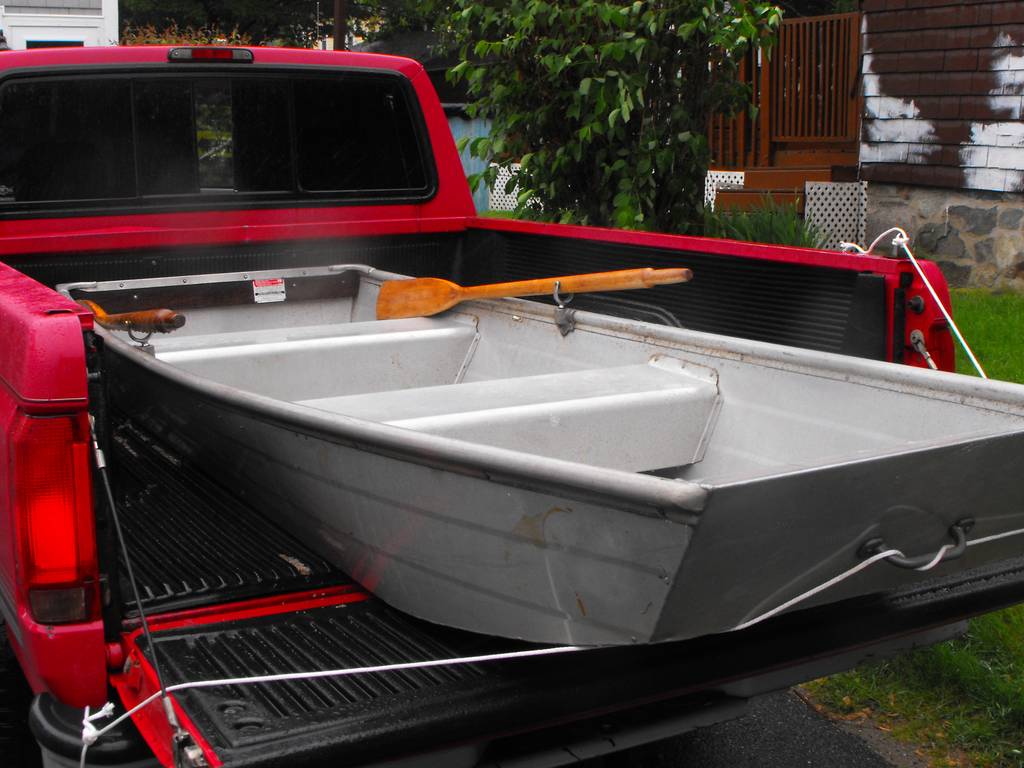
10–12 feet: These are the smallest jon boats – light enough for one person to carry. Dry weight runs about 80 to 120 pounds. They’ll handle 275 to 450 pounds of total capacity, so one or two people with gear. Most are rated for up to 5 HP. A 10-foot jon boat fits in the bed of a full-size pickup truck without a trailer.
14–16 feet: This is the sweet spot for most recreational anglers. Dry weight is around 150 to 300 pounds, with capacity in the 600 to 900-pound range – enough for three or four people. Motors up to 25 HP are common. Even a fully rigged 16-footer with a 25 HP outboard can weigh under 500 pounds, so almost any vehicle can tow it.
18–20 feet: These are the largest jon boats, often set up for serious fishing, bowfishing, or commercial use. Dry weight climbs to 400 to 800+ pounds, with carrying capacity up to 1,800 pounds – room for five to eight adults. These rigs can handle 70 to 120 HP outboards and reach speeds up to 45 mph.
If you want a quick way to estimate passenger capacity on any jon boat under 20 feet, there’s a U.S. Coast Guard formula. Multiply the boat’s length (in feet) by its width (in feet), then divide by 15. The result is the maximum number of people. So a 14-foot jon boat that’s 5 feet wide would be rated for about 4 people: (14 × 5) ÷ 15 = 4.6, rounded down.
Pros and Cons of Jon Boats
What They Do Well
Jon boats are cheap – new models start under $1,000 for a basic 10-footer, and used ones go for even less. They’re light enough to car-top or tow with a compact vehicle. The shallow draft lets you reach water that’s off-limits to deeper-hulled boats.
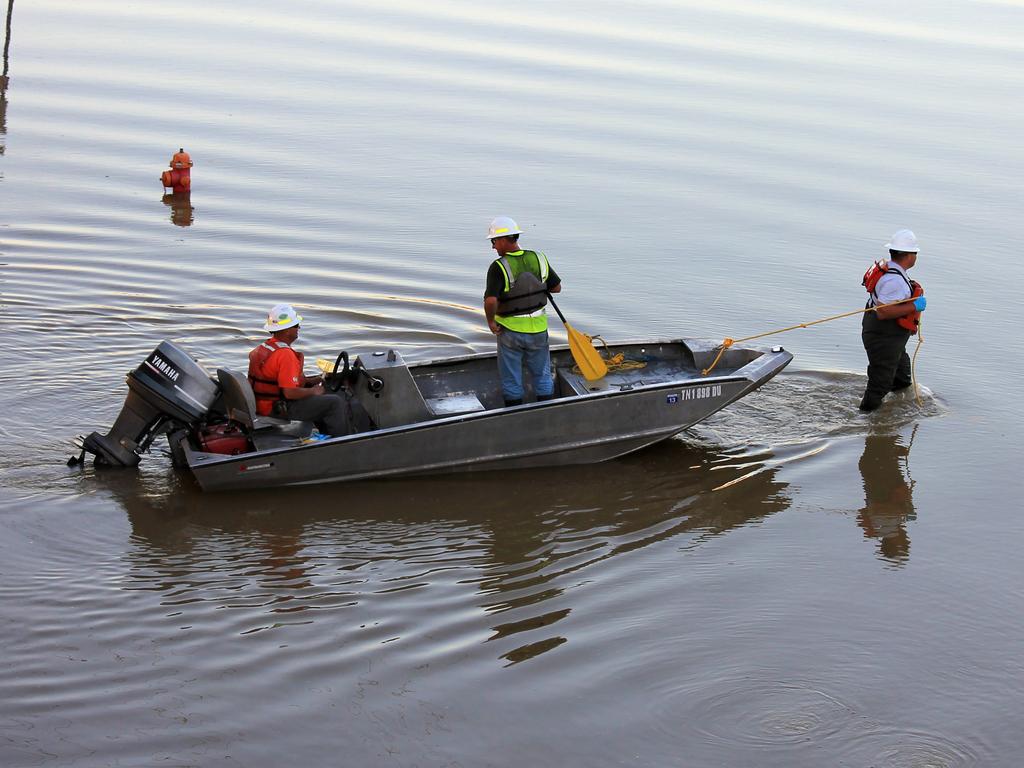
On calm water, the flat bottom is very stable – you can stand up, move around, and cast without feeling tippy. Aluminum hulls shrug off scrapes and bumps. And because the design is so simple, customization is easy and affordable.
Where They Fall Short
The flat bottom that makes a jon boat stable on calm water makes it miserable in chop or waves. Even moderate wind-driven ripples create a jarring, slappy ride. The hull acts like a drum, so every wave, paddle stroke, and dropped tackle box echoes across the water – not ideal if you’re trying to sneak up on fish.
Jon boats have no self-bailing capability, so any water that comes over the side stays in the boat until you bail it out. Wind is another issue – the flat, broad hull catches crosswinds and makes the boat drift and spin, which can be frustrating when you’re trying to hold position.
There are also no creature comforts. No shade, no cushioned seats, no bathroom. For short trips on sheltered water, that’s fine. For anything longer or rougher, though, you’ll want a different boat.
If you need a deeper look at staying safe on any small vessel, BoatBooker’s boating safety tips guide covers the essentials.
Jon Boat vs. Skiff – What’s the Difference?
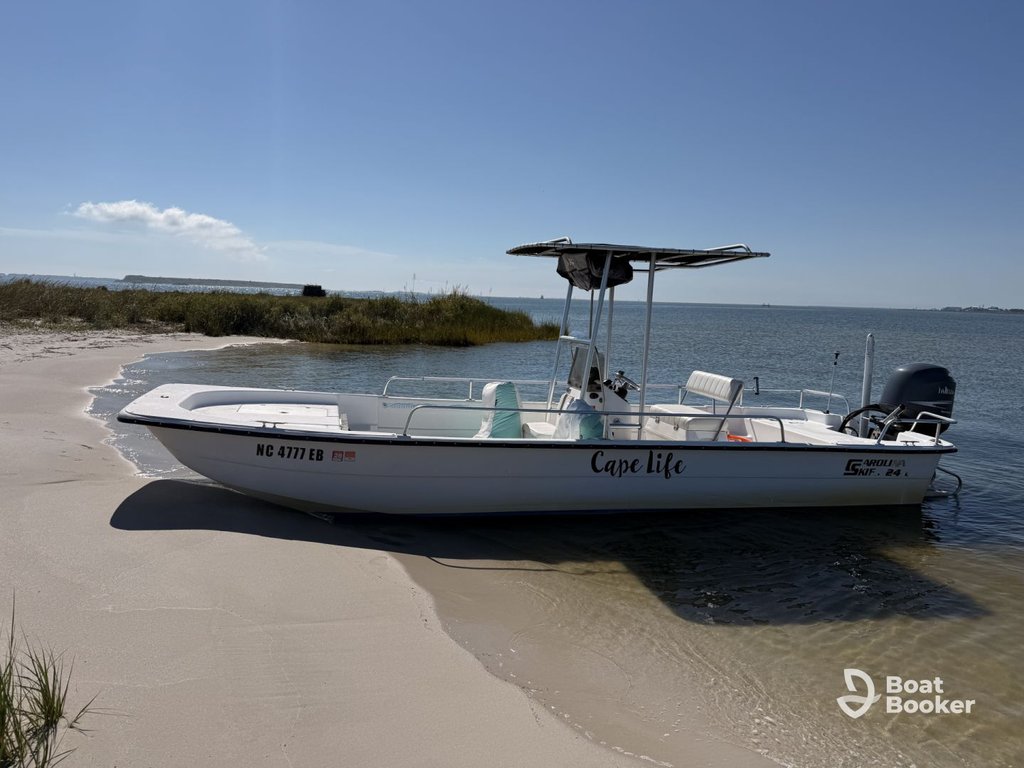
These two get confused constantly, and for good reason – they’re both small, open boats used for fishing in shallow water. The key differences come down to hull shape and what follows from it.
A jon boat has a flat bottom and a squared-off bow. A skiff typically has a V-shaped or semi-V hull and a pointed bow. Because of that hull shape, skiffs handle rougher water and chop much better than jon boats – the V cuts through waves instead of slapping over them. Skiffs also tend to track straighter in wind.
Jon boats win on shallow-water access, however. That flat bottom can float in 3 inches of water; most skiffs need at least 6 to 8. Jon boats are also cheaper, lighter, and easier to transport.
If you’re fishing calm, sheltered, skinny water – think farm ponds, quiet rivers, swamps, and backwater lakes – a jon boat is hard to beat. If you need to cross open bays, handle coastal chop, or run at higher speeds, a skiff is the better tool. Unlike a pontoon boat, which uses cylindrical tubes for buoyancy and is built for comfort cruising, both jon boats and skiffs are designed to be nimble, shallow-water workhorses.
Do You Need a License or Registration for a Jon Boat?
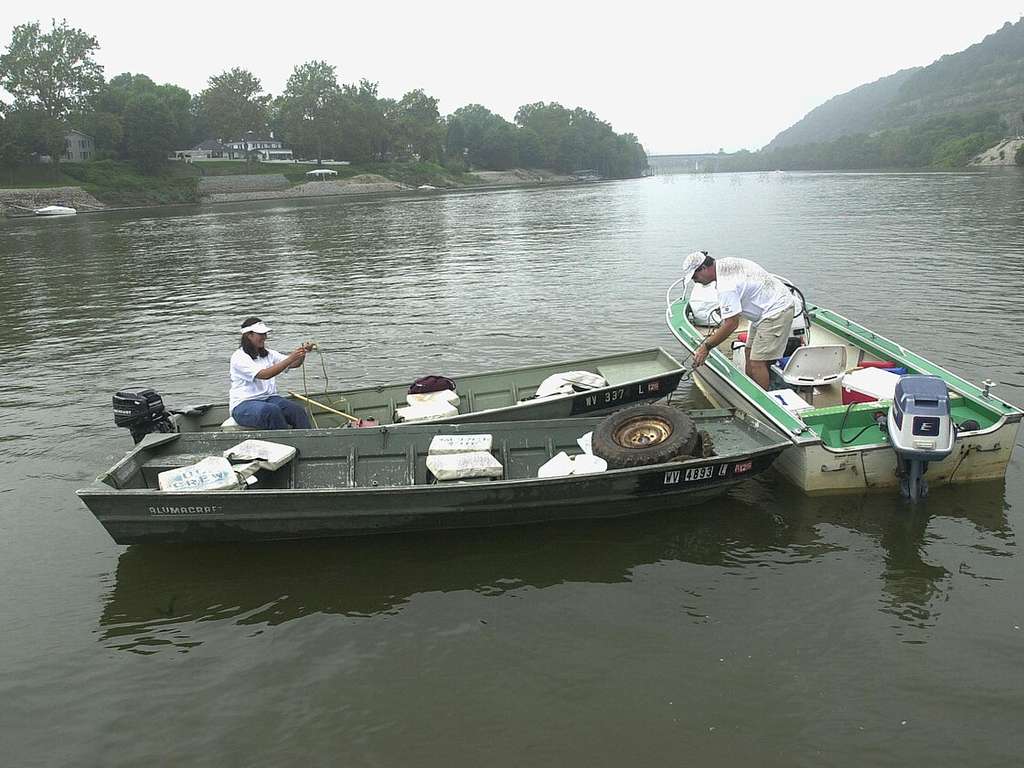
Rules vary by state, but a few patterns hold across most of the U.S.
Registration: Most states require you to register any boat fitted with a motor – including an electric trolling motor. If you’re paddling or poling a jon boat with no motor attached, many states don’t require registration at all. A handful of states, however, require registration regardless of propulsion.
Titling: Many states don’t require a title for small boats below a certain length or value. Jon boats often fall under these thresholds.
Boating safety courses: Requirements depend on your age and the state. Some states require everyone to complete a boating safety course; others only require it for operators under a certain age. The National Association of State Boating Law Administrators (NASBLA) maintains a state-by-state directory.
For state-specific details, BoatBooker has dedicated guides for Florida boating license requirements and Texas boating license requirements.
Frequently Asked Questions About Jon Boats
Have you spent any time on a jon boat – fishing, hunting, or just exploring? We’d love to hear what you use yours for, or what your first experience on one was like. If anything in this guide seems off or outdated, drop a note in the comments and we’ll get it updated.