
Boating 101: A Beginner’s Guide to Everything You Need to Know Before Your First Day on the Water
Getting on a boat for the first time can feel like stepping into a world with its own language, rules, and unwritten codes. Maybe you’ve watched friends post sunset cruise photos and thought, “I want to do that – but I have no idea where to start.” That mix of excitement and mild anxiety is completely normal. This boating 101 guide is here to bridge that gap.
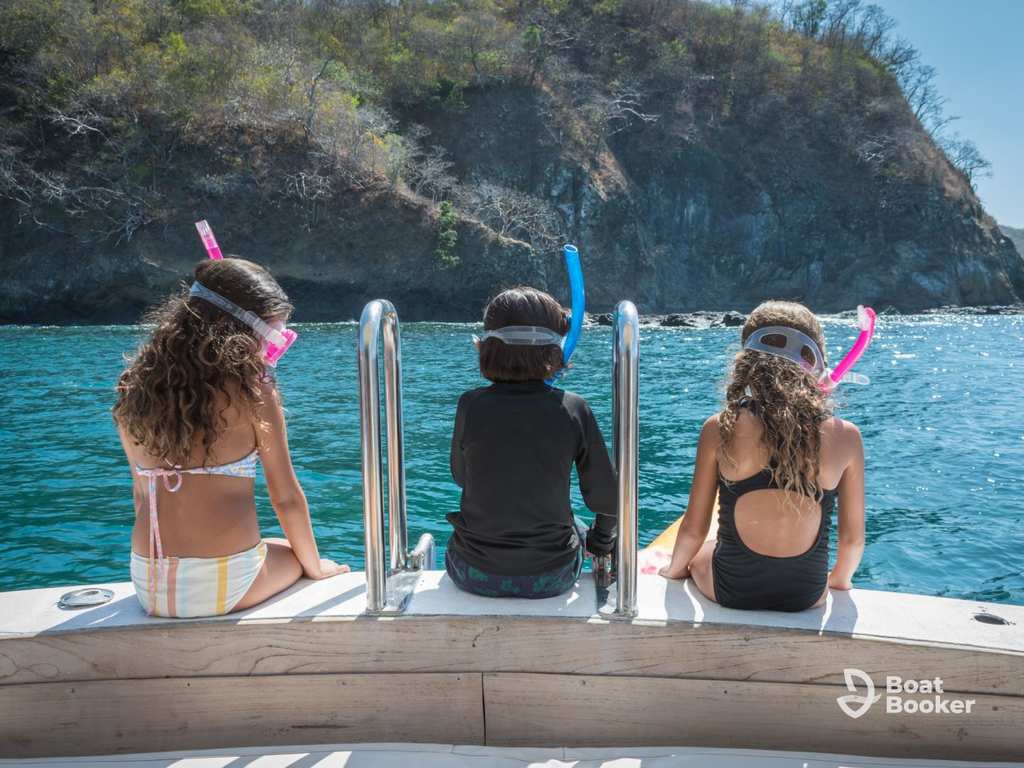
You don’t need to own a boat, pass a test, or know what “starboard” means (yet) to have a great day on the water. Chartering a boat with a captain is the easiest way to get started – someone else handles the driving, the safety gear, and the navigation while you soak it all in. Whether you’re booking a captained trip, joining a group tour, or renting a small boat yourself, this guide covers the boating basics you’ll want to know before you step aboard.
Types of Boats You’ll Actually Encounter
You’re not shopping for a boat – you’re trying to figure out what you’ll be riding on when you book a trip. Here are the types you’re most likely to see.
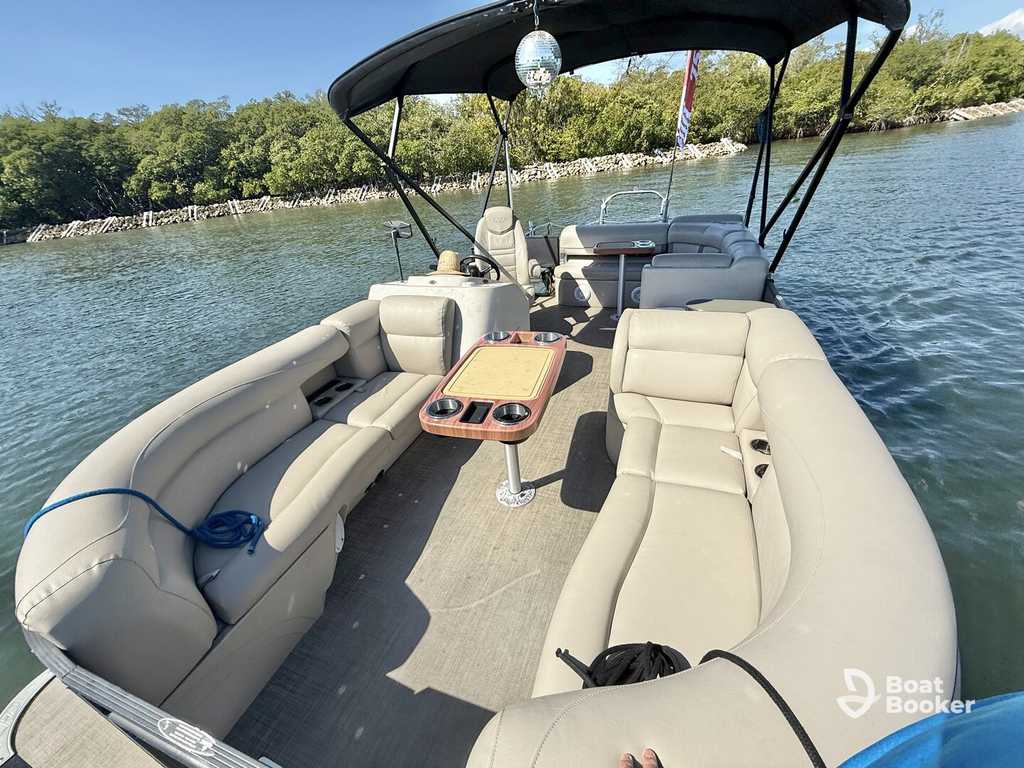
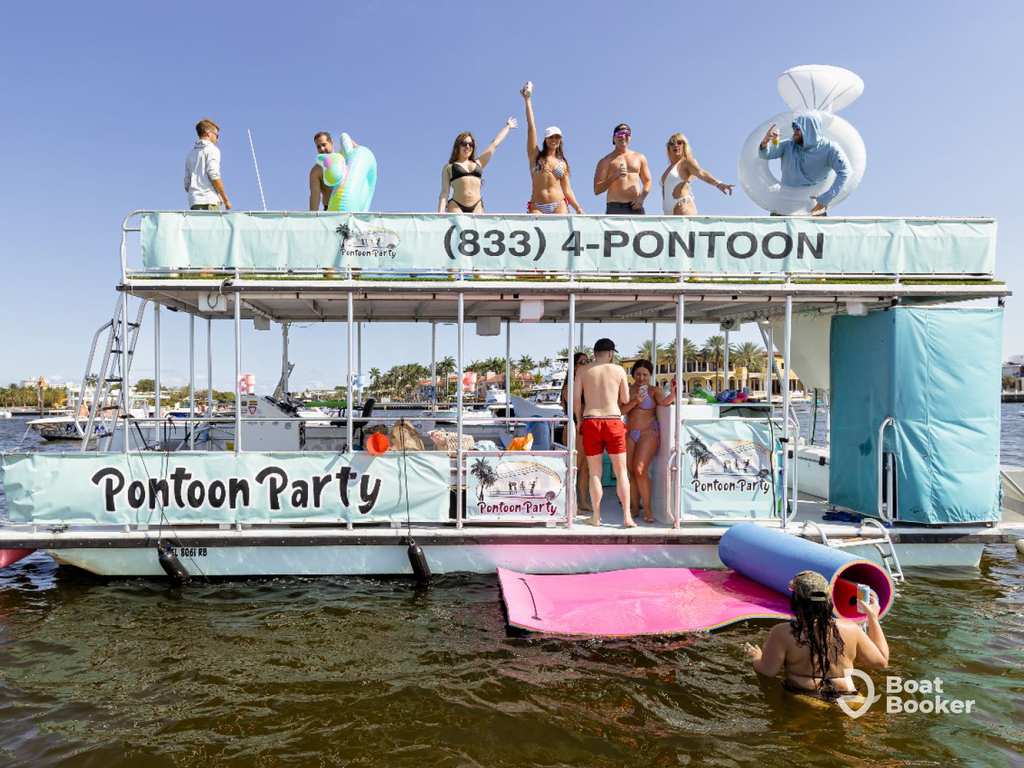
- Pontoon boats are the minivans of the water, and I mean that as a compliment. They’re flat, stable, and spacious, with bench seating that fits a group comfortably. They’re perfect for families with young kids or anyone who wants a relaxed cruise without worrying about tipping. Learn more in our guide to what a pontoon boat is.
- Center console boats have an open deck with the steering console in the middle. You’ll find them on fishing charters and coastal tours. They handle chop well and give you room to move around. Here’s a deeper look at center consoles.
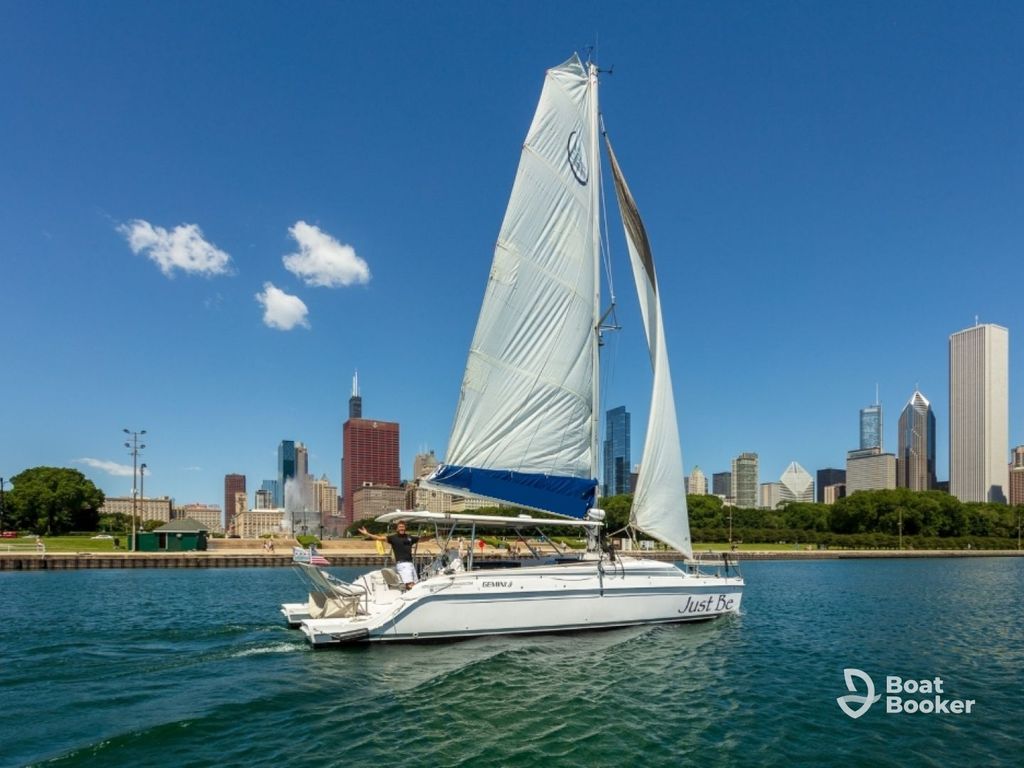
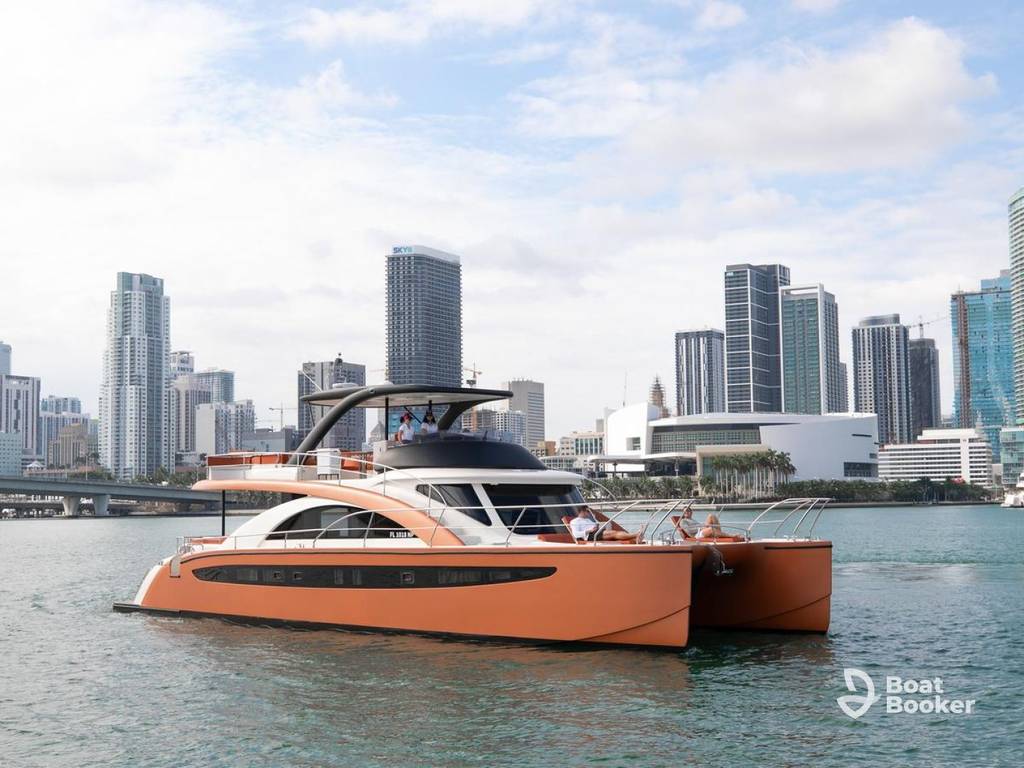
- Sailboats and catamarans are what you picture when you think “sailing.” Sailboats heel (tilt) with the wind, which is half the fun. Catamarans have two hulls, so they’re wider and more stable – great if seasickness is a concern. If sailing itself interests you, our Sailing 101 guide goes much deeper.
- Deck boats are similar to pontoons but with a V-shaped hull. That means they handle rougher water a bit better. They’re versatile day boats – good for swimming, tubing, and cruising.
- Kayaks and canoes are paddle-powered, with no engine involved. They’re ideal for calm rivers, mangroves, and coastal exploring. Not sure which one is right for you? If you’ve never paddled before, our how to kayak guide is a good starting point.
- Jet skis (PWCs) are personal watercraft – basically motorcycles for the water. They’re fast, fun, and usually rented by the half hour. Most rental operators give you a quick safety briefing before you go.
Essential Boating Terminology
You don’t need to memorize a dictionary, but knowing these terms will help you follow the captain’s instructions and feel less lost.
- Bow – the front of the boat
- Stern – the back of the boat
- Port – the left side (when facing the bow). Memory trick: “port” and “left” both have four letters
- Starboard – the right side
- PFD – personal flotation device, a.k.a. a life jacket
- Helm – where the boat is steered from
- Wake – the waves a boat creates as it moves through the water
- No-wake zone – an area where you must go slow enough to not create a wake (usually near docks, marinas, and swimmers)
- Cleat – the metal fitting on the dock or boat where ropes are tied
- Draft – how deep the boat sits in the water. A “shallow draft” boat can go in skinny water without running aground
- Knot – a unit of speed on the water. One knot equals about 1.15 mph
- Channel markers – the red and green signs (or buoys) that mark safe navigation channels. The rule is “red right returning” – keep the red markers on your right when heading back to port
What to Bring on Your First Boat Trip
Packing for a charter is different from packing your own boat. The captain provides the safety equipment, navigation gear, and usually the fishing tackle. Your job is to keep yourself comfortable.
Clothing and Sun Protection
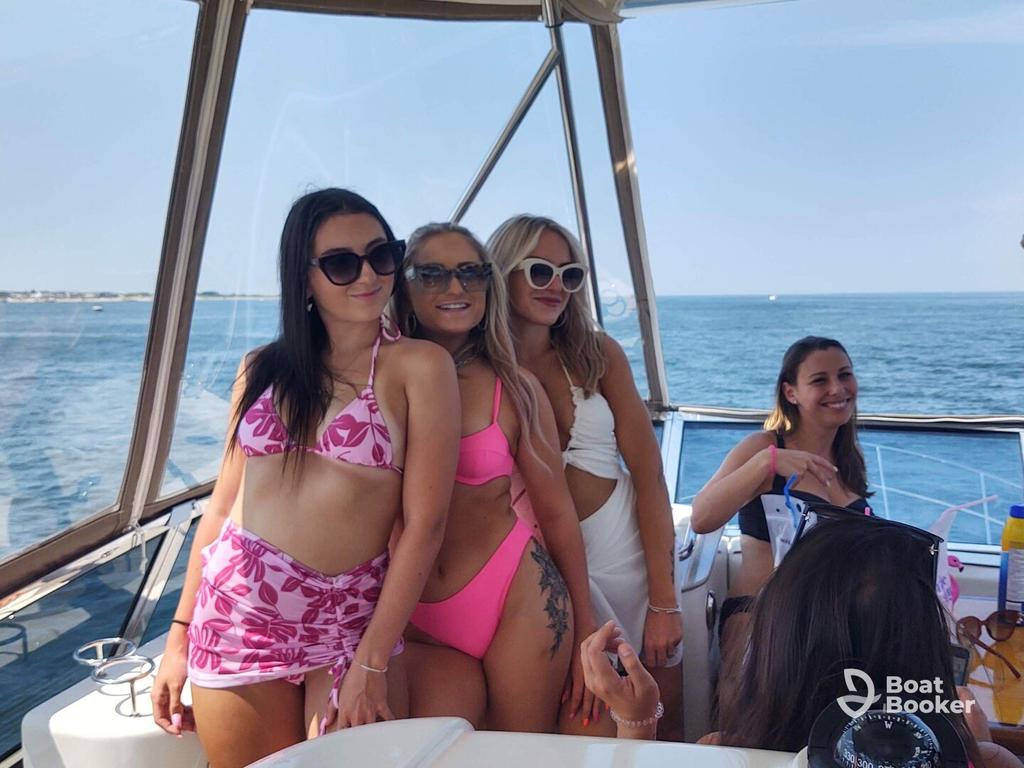
Wear light, quick-dry clothing you don’t mind getting wet. Avoid cotton because it stays damp and gets cold. A long-sleeve UV shirt is better sun protection than sunscreen alone, and it won’t wash off when you get splashed.
Bring a hat with a strap or a snug fit. Hats blow off on boats constantly. Polarized sunglasses cut glare off the water and let you actually see beneath the surface. Also wear shoes with non-marking rubber soles – flip-flops are fine on calm cruises, but closed-toe water shoes are better if you’ll be moving around.
Apply reef-safe sunscreen before you board, and bring the bottle for reapplication. Even on cloudy days, the reflection off the water intensifies UV exposure.
Food, Drinks, and Essentials
Bring water – more than you think you need. Dehydration sneaks up on you faster on the water than on land. Then pack snacks that won’t melt or make a mess – think granola bars, grapes, crackers, and sandwiches in sealed bags.
If the charter allows outside drinks, use cans or plastic. Glass is a serious hazard on boats. One broken bottle on a wet deck is a trip to the emergency room, so many charters ban glass entirely.
Other essentials: a dry bag or waterproof phone case, motion sickness remedy (take it 30 minutes before boarding, not after you feel queasy), a light jacket or windbreaker, and a towel.
What to Leave at Home
Skip the valuables. Watches, jewelry, and electronics you can’t afford to lose should stay on shore. Leave the large cooler – most charter boats have their own. Also skip heavy bags. Space on a boat is limited, and anything that isn’t tied down slides around.
Safety Basics Every Beginner Should Know
Boating is safe when people follow a few non-negotiable rules. The U.S. Coast Guard requires a PFD for every person on board – your captain will show you where they’re stored. In most states, children under 13 must wear a PFD at all times while underway. According to the USCG’s 2024 Recreational Boating Statistics report, the vast majority of fatal boating accident victims were not wearing a life jacket. So wear one, especially if you’re not a strong swimmer.
Weather awareness matters more than you’d expect. Check the marine forecast before you go – NOAA’s marine weather page is the most reliable source. If the captain cancels or reschedules due to weather, trust their judgment. They’re not being cautious for fun.
On a captained charter, the captain handles safety, navigation, and boat operation. Listen to their safety briefing before departure – it covers where the life jackets are, how to use the radio, and what to do if someone falls overboard. If you’re renting a boat and driving yourself, however, you take on that responsibility.
Alcohol rules are straightforward: boating under the influence (BUI) is illegal in all 50 states, with a federal limit of 0.08% BAC – same as driving a car. On captained charters, passengers can typically drink, but the captain decides the rules for their vessel. Pace yourself, because alcohol hits harder on the water due to sun, heat, and the motion of the boat.
For a deeper dive into staying safe, check out our full guide to boating safety tips.
Boating Etiquette and Rules of the Water
The water has traffic rules, just like roads. You won’t need to memorize them for a captained trip, but understanding the basics makes you a better passenger – and a more confident one.
- No-wake zones are the school zones of the water. You’ll find them near marinas, docks, swim areas, and shorelines. Going fast in these areas creates waves that can damage other boats and knock people off docks. If you’re on a rental, take this rule seriously.
- Right-of-way follows a hierarchy. Sailboats under sail generally have right-of-way over motorboats. When two motorboats meet head-on, both turn right (to starboard). When crossing paths, the boat on the right has the right-of-way – the other boat should slow down or change course. The boat that must yield is called the “give-way” vessel; the one that keeps going is the “stand-on” vessel.
- Passing other boats requires caution. Slow down when passing close to anchored boats, kayakers, paddleboarders, or anyone in the water. Your wake can flip a kayak or yank an anchor loose.
- Docking etiquette is simple: wait your turn, go slow, and have your lines ready. If you’re a passenger, the most helpful thing you can do is stay seated and out of the way while the captain docks.
- Environmental responsibility is everyone’s job. Don’t throw anything overboard – not food, not cans, not cigarette butts. Also give wildlife a wide berth. If you’re near dolphins, manatees, or nesting birds, keep your distance and cut your engine if needed.
How to Get on the Water Without Owning a Boat
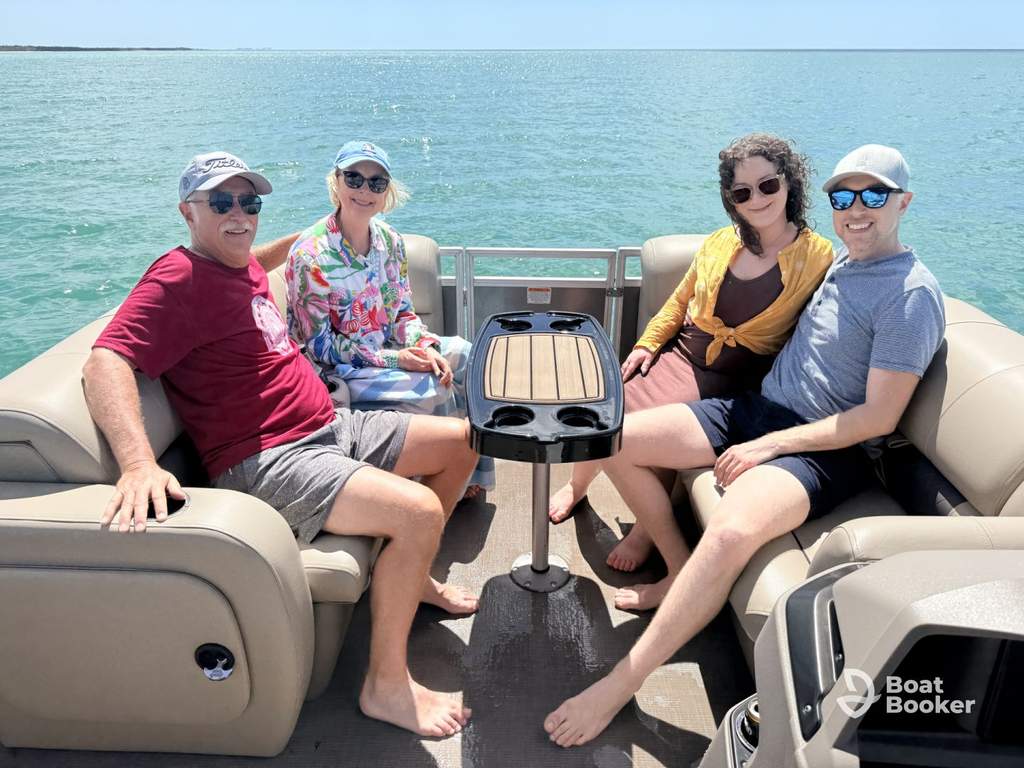
This is the part most boating 101 guides skip, because they assume you own a boat or want to buy one. If you just want to get out on the water, you have several options.
- Captained charters are the easiest entry point. You book a boat that comes with a licensed captain who handles the driving, the navigation, and the safety equipment. You show up, step on, and enjoy the ride. This is how most first-timers start, and it’s what BoatBooker specializes in. No license, no experience, no stress.
- Bareboat rentals put you behind the wheel. You rent the boat without a captain and drive it yourself. Some states require a boating safety certificate; others don’t. Check your state’s requirements through the National Association of State Boating Law Administrators (NASBLA). If you’re new, start with a pontoon on a calm lake – it’s the most forgiving option. BoatBooker also has state-specific guides for places like Florida, Texas, and Alabama.
- Guided group tours are another low-barrier option. Sunset cruises, dolphin watching trips, and snorkeling tours are group experiences on larger vessels with a crew. You buy a ticket, show up, and join the group. It’s less private than a charter but often cheaper.
- Boat clubs charge a monthly or annual membership fee and let you reserve boats from their fleet. They’re a good middle step if you want to drive but don’t want to buy. Most clubs include basic training.
In short: if you want zero responsibility, book a captained charter. If you want to drive, check whether your state requires a boating safety course, start with something stable, and then work your way up.
Your First Trip: What to Expect
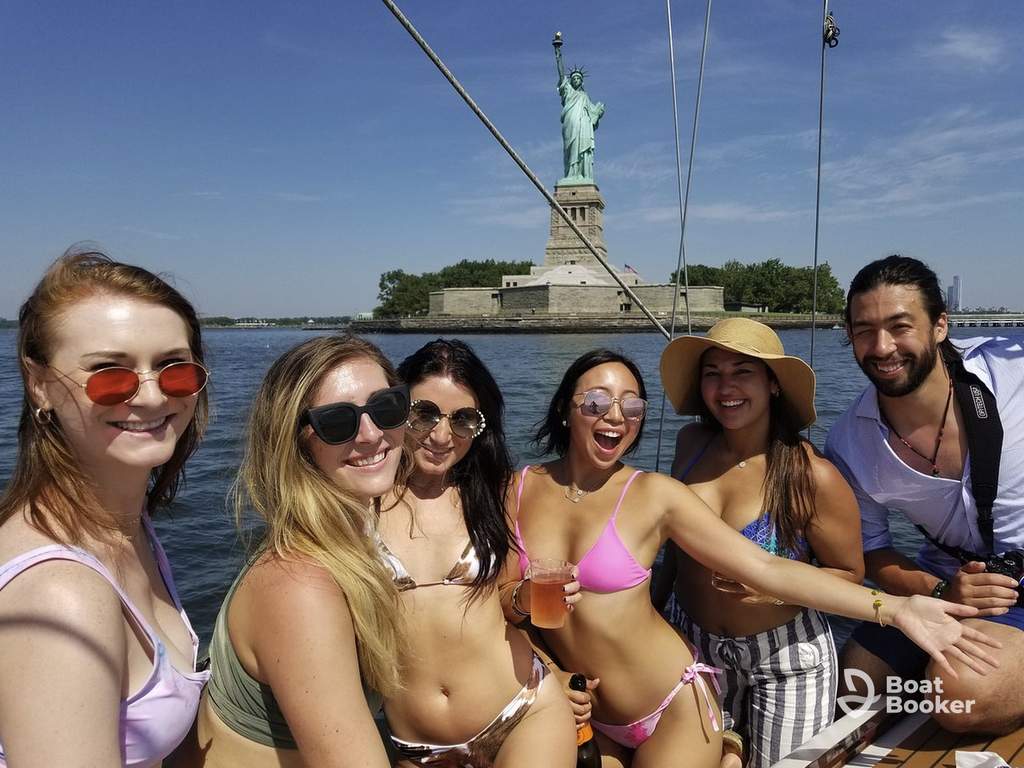
Knowing what happens on the day of your trip takes most of the first-time anxiety out of the equation. Here’s a typical captained charter experience, start to finish.
Arrival. Show up at the marina 10–15 minutes early. The captain or a dock hand will meet you and walk you to the boat. Wear your soft-soled shoes – you’ll step from the dock onto the boat, which is usually a short step down.
Safety briefing. Before the boat moves, the captain runs through a quick safety briefing. They’ll point out the life jackets, explain how to use the VHF radio in an emergency, and cover basic rules for the trip. This takes 3–5 minutes. Pay attention – it’s short and it matters.
The trip. Most charters run 2–4 hours, though half-day and full-day options exist. The captain handles everything – you can relax, swim when anchored, fish if that’s the plan, or just watch the scenery. Feel free to ask the captain questions, too. Most love talking about the water and will point out landmarks, wildlife, and good swimming spots.
Tipping. Tipping the captain is customary, similar to a restaurant tip. 15–20% of the charter price is standard. If a mate (deckhand) is aboard, the tip is usually split between them. Cash is preferred, handed directly at the end of the trip.
Getting back to the dock. The captain docks the boat. Stay seated until they give you the all-clear to stand and step off. Then grab your belongings, say thanks, and you’re done.
That’s really all there is to it. The whole experience is designed so that you don’t need to know anything going in – you just need to show up.
Frequently Asked Questions about Boating
Have you been on your first boat trip recently – or are you still planning one? We’d love to hear how it went, what surprised you, or what you wish you’d known beforehand. Drop your experience in the comments, and if anything in this guide is off or outdated, let me know so we can fix it.