
What Is a Catamaran? A Beginner’s Guide to the Twin-Hulled Boat Everyone’s Chartering
If you’ve been browsing boat tours or charter listings, you’ve probably noticed catamarans everywhere. There’s a good reason for that – these twin-hulled boats now account for roughly 30% of all booked charter weeks worldwide. But what is a catamaran, exactly? And why are so many people choosing them over traditional sailboats?
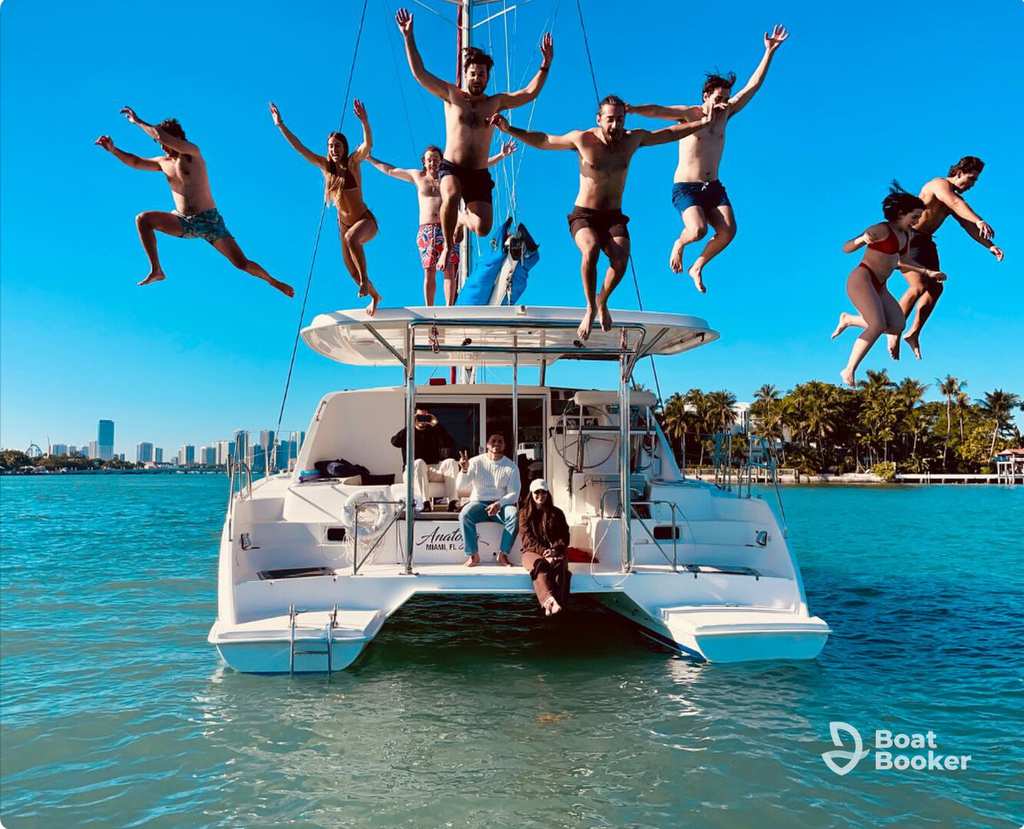
This guide breaks it all down in plain English. We’ll cover how catamarans work, what makes them different from monohulls, what they cost to charter, and what you can actually expect when you step aboard one for the first time. Whether you’re planning a half-day tour with your family or considering a week-long sailing trip, this is everything you need to know before booking.
What Is a Catamaran?
A catamaran is a watercraft with two parallel hulls of equal size, connected by a bridge structure. That twin-hull design is what sets it apart from the traditional single-hull boats most people picture when they think “sailboat.”
The word itself comes from the Tamil kattumaram, meaning “logs bound together.” The design traces back thousands of years to fishing communities in South India and Polynesia, where lashing two canoe-like hulls together created a more stable platform for open-water voyaging. Meanwhile, modern catamarans have traded logs for fiberglass, carbon fiber, and aluminum. But the core principle is identical – two hulls are more stable than one.
Catamarans really entered Western boating in the 1870s, when naval architect Nathanael Herreshoff built racing catamarans that were so fast they were banned from competing against monohulls. Today, you’ll find them everywhere from resort beaches to blue-water ocean crossings – and, increasingly, on charter listings worldwide.
How Does a Catamaran Work? Anatomy of a Cat
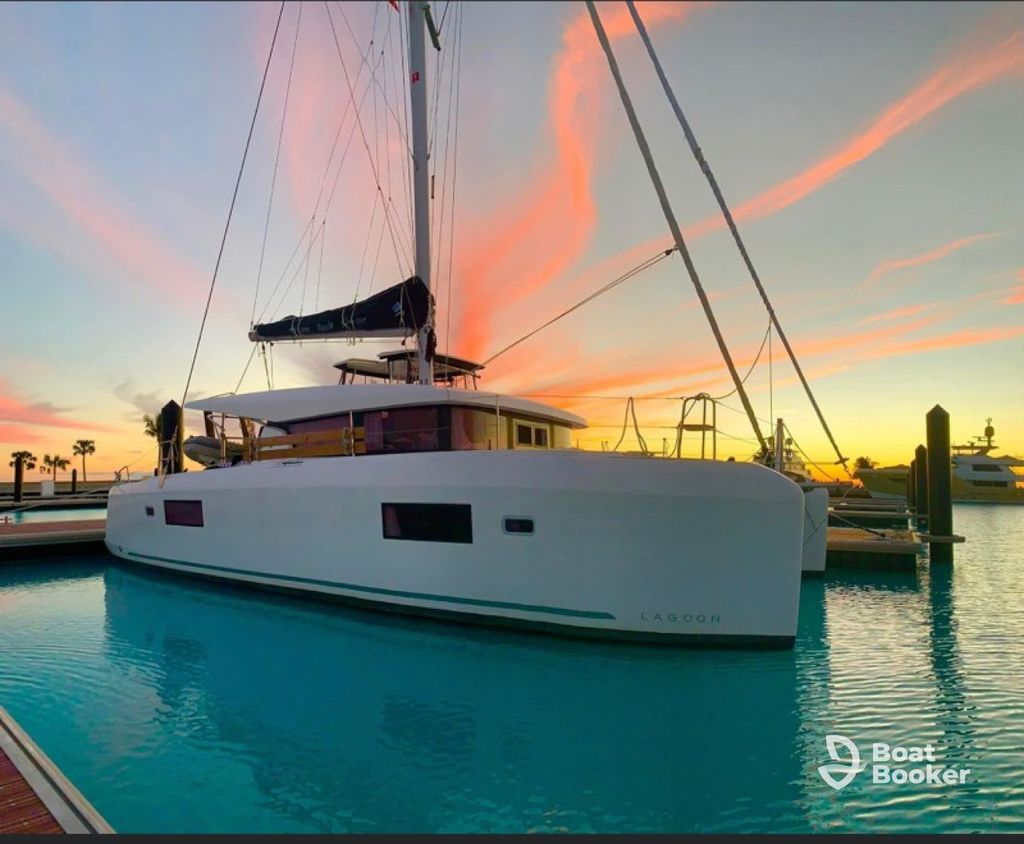
If you’ve never set foot on a catamaran, the layout can look a bit unfamiliar. Here’s a quick tour of the main parts.
The two hulls are the defining feature. Each hull is a separate, watertight structure. On cruising catamarans, each one typically contains staterooms (bedrooms) with their own private bathrooms – called “heads” in boating terms. This means couples or families can have genuinely private sleeping quarters, something hard to find on a monohull of the same length.
The bridge deck connects the two hulls. It’s the flat underside of the central living area. On top of that sits the saloon (the indoor lounge and galley/kitchen) and often a navigation station. Think of the saloon as the catamaran’s living room – it’s usually bright, open, and surprisingly spacious because it spans the full width of the boat.
The cockpit is the outdoor seating area at the stern, usually sheltered by a hardtop or bimini. This is where you’ll eat most meals, steer the boat, and spend the majority of your time. Up front, you’ll find the trampolines – the netted areas stretched between the two bows. They’re perfect for lounging, sunbathing, or watching dolphins ride the bow wave.
On a sailing catamaran, a mast and mainsail sit at the center of the bridge deck, with a jib or genoa up front. Power catamarans skip the rigging entirely and rely on twin engines – one in each hull – for propulsion. However, many sailing cats also have engines for maneuvering in harbors and motoring on calm days.
Why Are Catamarans So Popular? Key Advantages
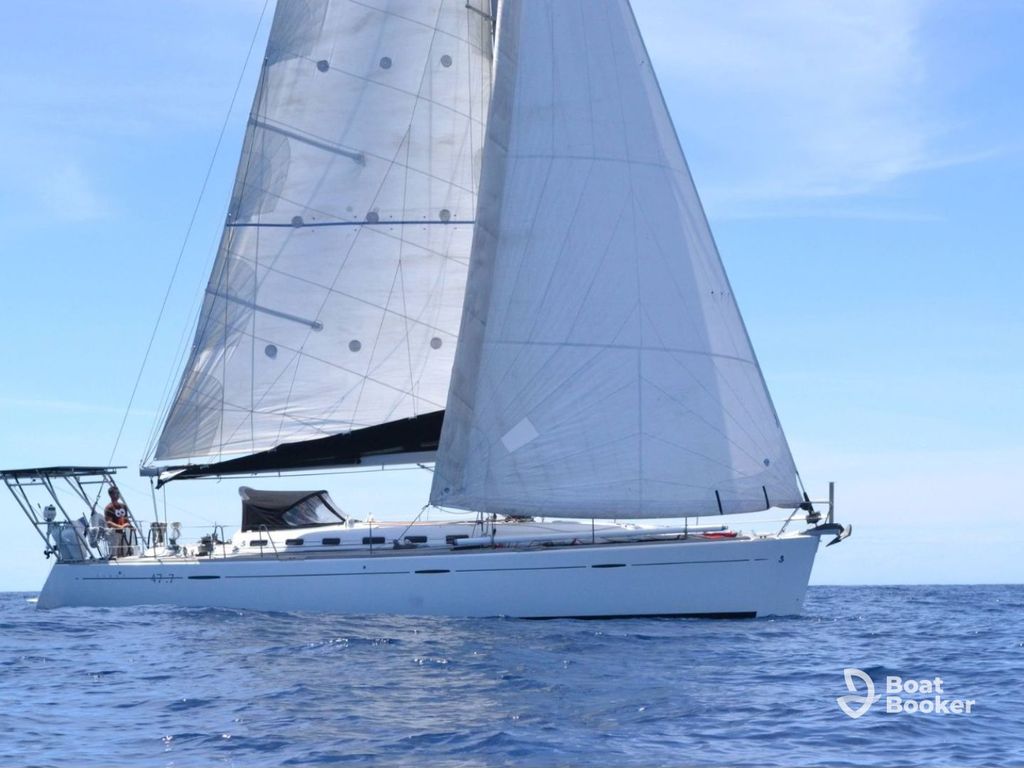
The surge in catamaran bookings isn’t accidental. Several real advantages make them appealing – especially for families and groups.
- Stability is the big one. The wide stance between two hulls resists rolling far more effectively than a single-hull boat. Catamarans don’t heel (tilt) dramatically when sailing. That level ride is a genuine game-changer for anyone prone to seasickness. It also means your drink stays on the table, you can walk around without bracing yourself, and kids can move freely without you worrying.
- Space comes next. A catamaran offers roughly twice the usable living space of a monohull of the same length. The wide beam creates a massive saloon, a full-sized galley, and a cockpit that comfortably seats eight or more. Four separate cabins with private bathrooms is standard on a 40-foot cruising cat.
- Shallow draft opens up anchorages that monohulls can’t reach. Most cruising catamarans draw just 3–4 feet, so you can anchor close to shore in turquoise shallows, tuck into protected coves, and access beaches that deeper boats sail right past.
- Speed is another advantage. Catamarans are roughly 20% faster than a monohull of similar size, thanks to less underwater drag. Under sail, cruising speeds of 8–12 knots are typical. Racing and performance cats go much higher.
- Fuel efficiency follows from the same physics. Less drag means less fuel burn – power catamarans typically use 20–30% less fuel than comparable monohull powerboats. On a week-long charter, that difference adds up.
Catamaran vs. Monohull – What’s the Real Difference?
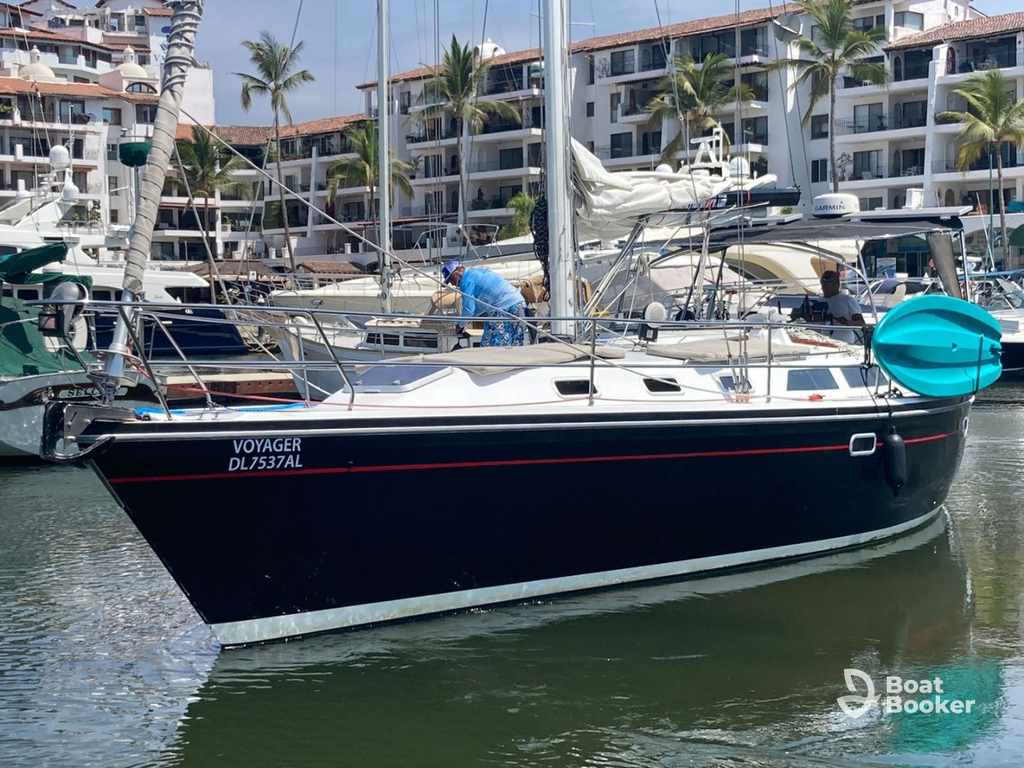
This is the comparison most first-timers want to see. Here’s an honest side-by-side:
| Catamaran | Monohull | |
|---|---|---|
| Stability | Very stable, minimal heeling | Heels under sail – part of the experience for some, uncomfortable for others |
| Living space | Wide beam, ~2x usable space | Narrower, cozier interiors |
| Draft | Shallow (3–4 ft) – anchors close to shore | Deeper keel (5–8 ft) – limited in shallows |
| Speed | ~20% faster at comparable lengths | Slower but efficient under sail |
| Upwind sailing | Adequate but not its strength | Superior upwind performance |
| Marina berths | Wider beam means wider (pricier) slips | Fits standard slips easily |
| Rough weather | Handles well, but bridge-deck slamming can occur in steep chop | Deep keel provides excellent heavy-weather stability; self-righting after knockdown |
| Maneuvering | Twin engines make docking very intuitive | Single engine requires more skill |
| Cost | Higher purchase/charter price | Generally more affordable |
If you’re a first-time sailor or booking a family trip, a catamaran is almost always the easier, more comfortable choice. The dual-engine setup makes docking forgiving – you can spin the boat in its own length by using one engine forward and one in reverse.
Monohulls have their own appeal, though. Experienced sailors often love the feeling of a heeled boat cutting through waves. Monohulls point higher into the wind, recover from knockdowns more predictably, and cost less to berth. Neither design is objectively “better” – it depends on what you value.
Worth noting the distinction from a trimaran, too. A catamaran has two hulls; a trimaran has three – a main central hull flanked by two smaller outriggers. Trimarans are less common in the charter world but popular in racing.
If you’re curious about other boat types, our guide to what a pontoon boat is covers another popular option for calm-water cruising.
Types of Catamarans
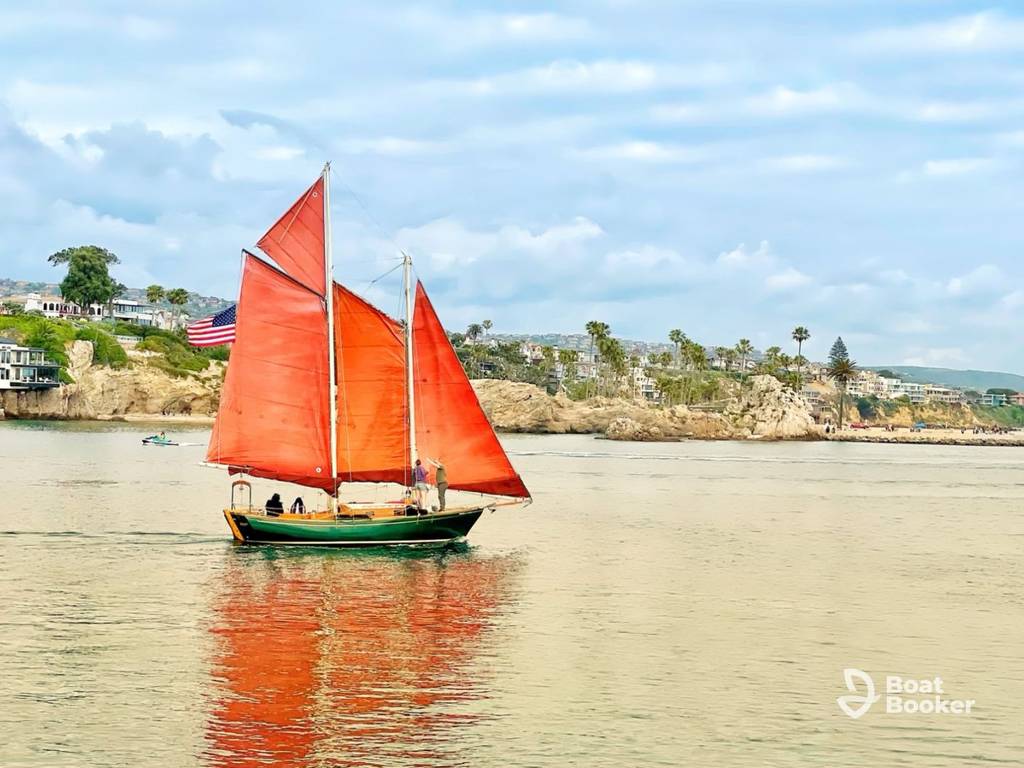
Not all cats are created equal. Here are the main categories you’ll encounter.
Sailing Catamarans
These are the most common charter catamarans. Cruising models from builders like Lagoon, Leopard, and Fountaine Pajot range from 38 to 60+ feet and are designed for comfortable liveaboard sailing with 3–6 cabins. Smaller day-sailing catamarans like the iconic Hobie Cat are lightweight, fast, and designed for coastal fun rather than overnight trips.
Power Catamarans
Power cats skip the sails entirely and rely on twin engines. They offer the same stability and space advantages but with the convenience of pure motoring. Fishing-focused power cats are popular in coastal waters, while larger cruiser power cats compete directly with motor yachts for comfort and range.
Beach and Resort Catamarans
These are the small, open cats you’ll see at beach resorts – typically 14–20 feet with a simple sail rig and no cabin. They’re great for a quick sail close to shore and are often the first catamaran experience people have. If you’ve ever sailed a Hobie Wave or a similar boat at a Caribbean resort, you’ve sailed a beach cat.
Are Catamarans Good for Beginners?
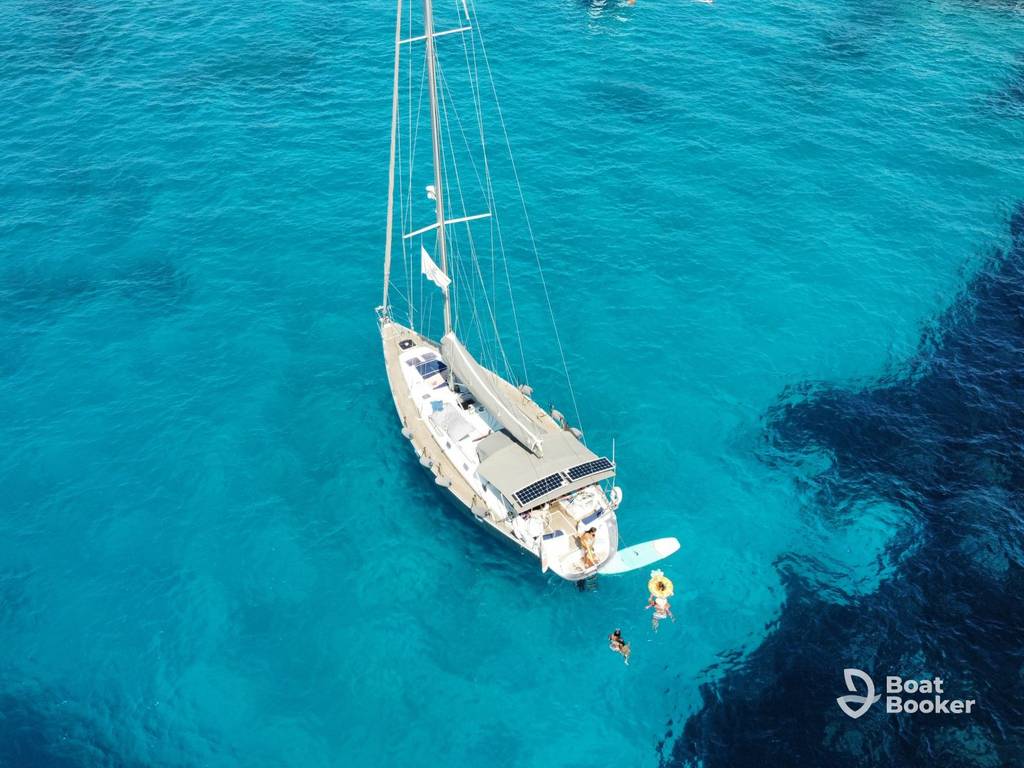
Short answer: yes. Catamarans are one of the most beginner-friendly boat types on the water.
The stability means you won’t feel like the boat is about to tip over every time the wind picks up. The flat, level deck makes moving around comfortable even for people who’ve never been on a boat. And the twin-engine setup makes low-speed maneuvering intuitive – even docking feels manageable after a short briefing.
Ideal conditions for beginners are typically 5–15 knots of wind. That’s a gentle to moderate breeze – enough to fill the sails and move the boat nicely without anything feeling overwhelming.
That said, the easiest way to try a catamaran is to book a captained charter or a guided catamaran tour. You don’t need any sailing experience, any license, or any special skills. The captain handles navigation, sail trim, and anchoring. You show up, relax, and enjoy the ride. On BoatBooker, most catamaran tours come with a captain and crew included – it’s the default for group tours and day trips.
If you decide you want to learn to sail a catamaran yourself, organizations like the American Sailing Association offer specific catamaran certification courses that typically take a few days.
How Much Does a Catamaran Charter Cost?
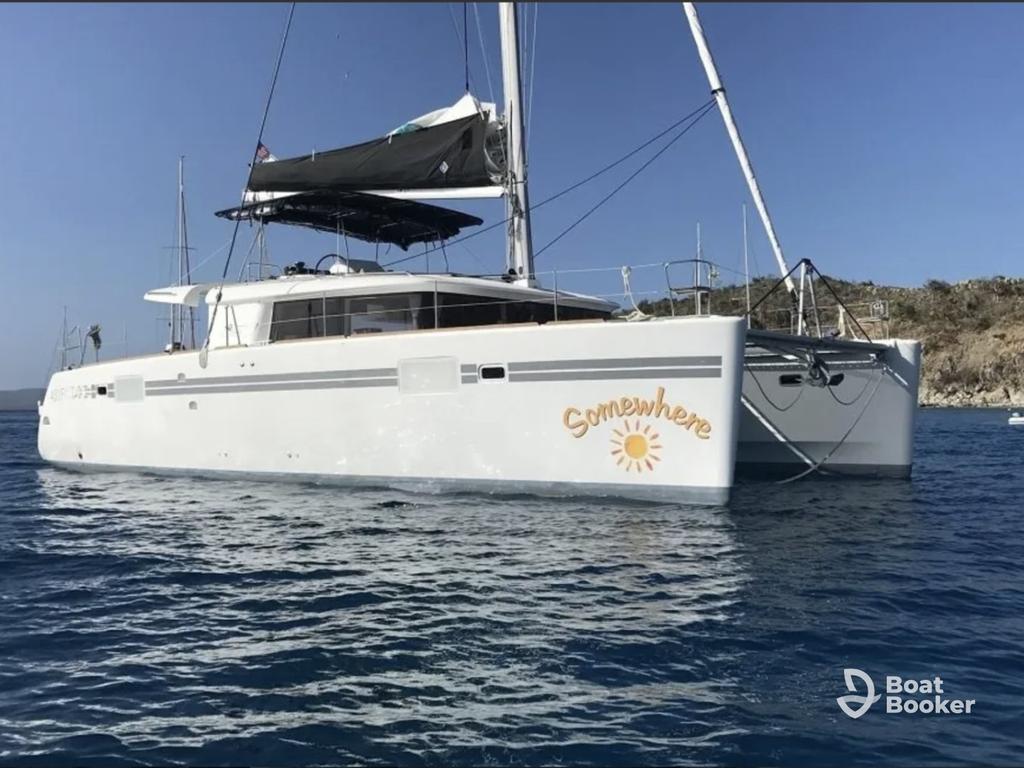
Catamaran charter pricing varies widely depending on the type of experience, the destination, and whether a crew is included. Here’s what to expect across the main booking types.
- Group day tours and shared charters are the most affordable entry point. Catamaran tours including snorkeling trips, sunset sails and island-hopping excursions start from around $50–$150 per person for a half-day. These are shared group experiences with a captain and crew. Destinations like Key West and Miami are popular spots for this type of trip.
- Private day charters in the United States average around $1,100 per day, though that number swings depending on the boat size, location, and season. Florida catamarans, for example, tend to be pricier than in other places. A 40-foot cat for a private group of six might run $800–$1,500 for a full day with captain.
- Weekly bareboat charters – where you sail the catamaran yourself without crew – typically cost $7,500–$15,000 for a boat that sleeps 8. You’ll need sailing experience or certification for this option. The Caribbean, Greece, and Croatia are the most popular bareboat destinations.
- Weekly crewed charters add a professional captain and cook. In the Caribbean, expect $15,000–$50,000+ per week depending on the boat and level of luxury. At the high end, these are full yacht experiences with gourmet meals and curated itineraries.
- Cabin charters let you book just one cabin on a crewed catamaran sailing with other guests – sort of like a floating small-group tour. These start around $1,200 per person for a week.
What to Expect on a Catamaran Charter or Tour
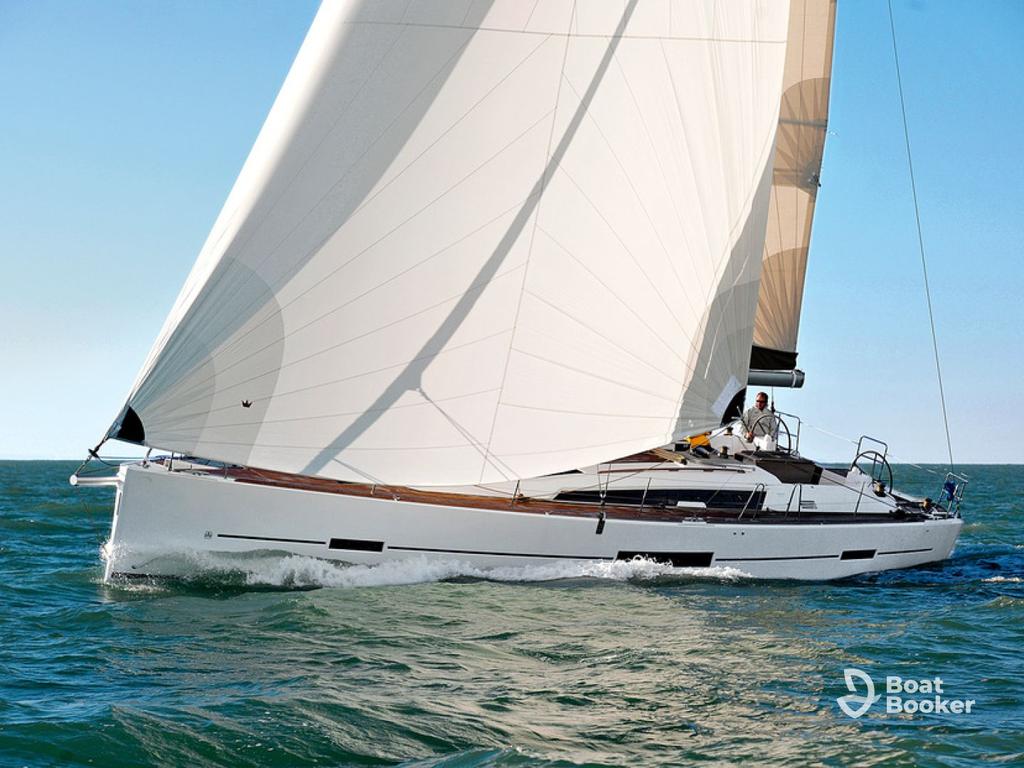
Knowing what actually happens when you show up removes a lot of first-timer anxiety. Here’s a typical day charter experience.
Before You Board
You’ll usually meet at a marina or dock. The captain or crew will give a brief safety orientation – where the life jackets are, how to move around the boat, and what the plan is for the day. This takes about five minutes. You don’t need to memorize anything technical.
What to Wear and Bring
Wear a swimsuit with a cover-up, non-marking shoes or bare feet (no black-soled shoes that scuff the deck), and a light layer for wind. Bring sunscreen, sunglasses, and a hat. Most tours provide snorkeling gear if it’s included, but check your booking details.
Pack a water bottle, phone in a waterproof pouch, and any medications you might need. Most catamaran tours provide drinks and sometimes food, but read the listing. A small dry bag for valuables is smart. You can read more general advice on what to wear boating here.
Seasickness on a Catamaran
Seasickness risk on a catamaran is genuinely low compared to monohulls. The stable, level platform means most people who get queasy on traditional boats feel fine on a cat. If you’re very sensitive, take your preferred seasickness remedy 30–60 minutes before boarding as a precaution. Ginger chews or acupressure wristbands work for mild cases.
During the Trip
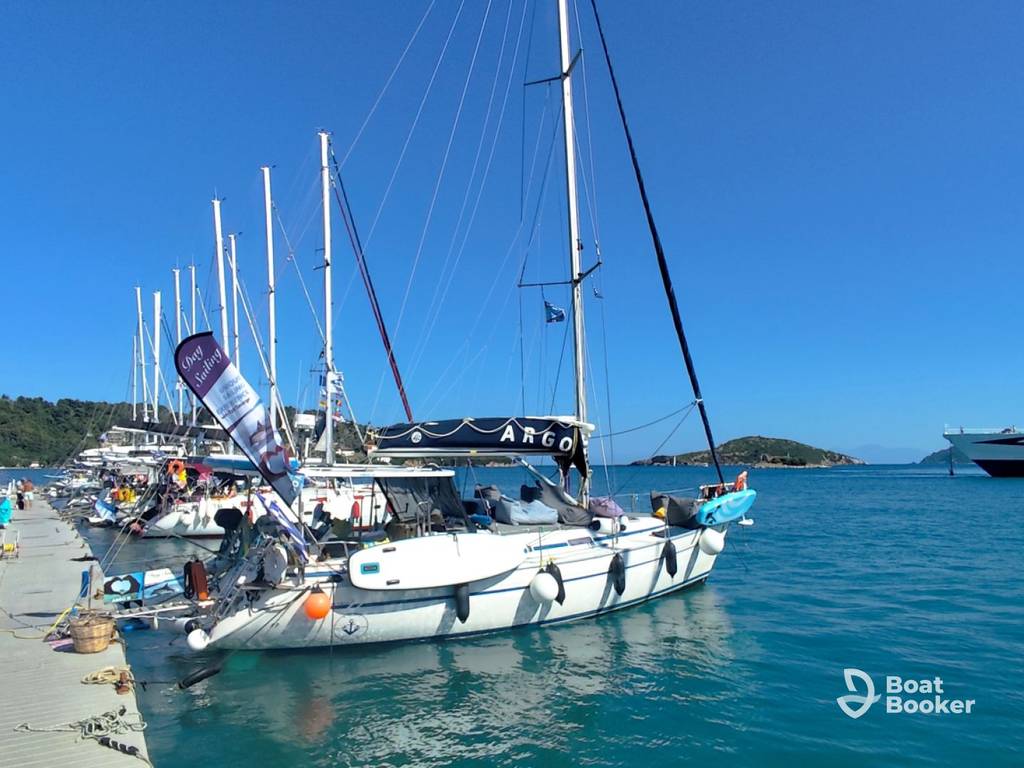
Expect a mix of sailing (or motoring), anchoring at swim spots, and free time on the trampolines and deck. Some tours include snorkeling stops, parasailing add-ons, or onboard meals. The crew handles everything – your only job is to enjoy it.
Half-day tours typically run 3–4 hours. Full-day trips last 6–8 hours with lunch and multiple stops. Multi-day charters follow a cruising itinerary with overnight anchoring in different bays or harbors – you sleep aboard in your own cabin.
Best Places to Go on a Catamaran Tour
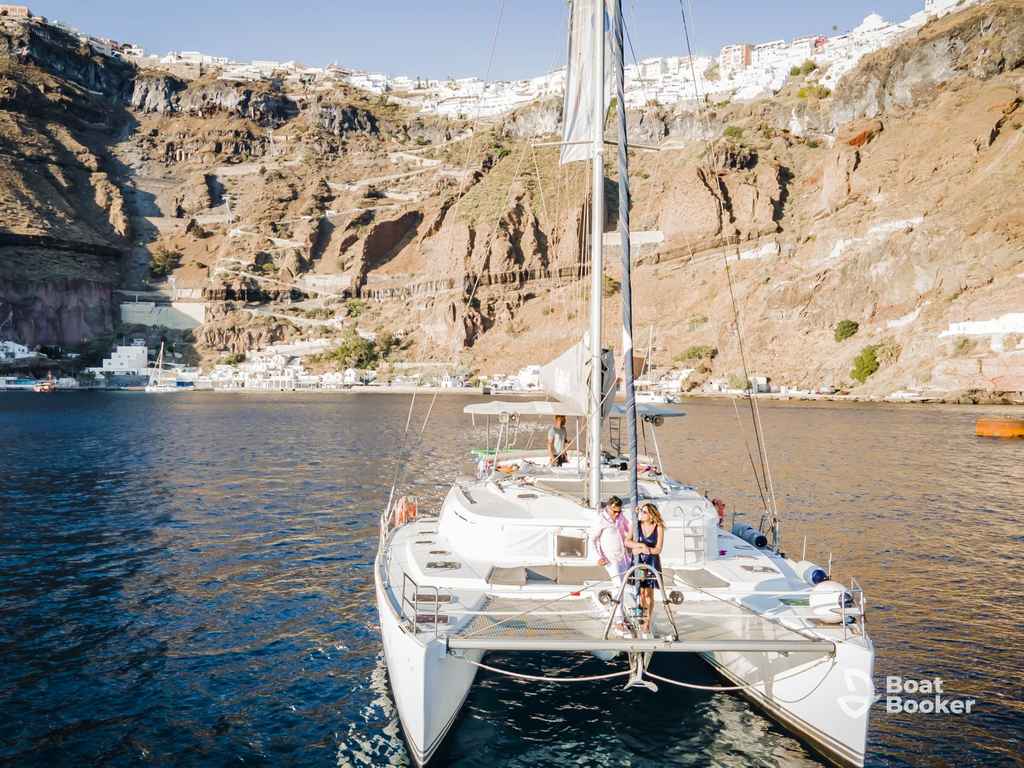
There’s thousands of places around the world where taking a catamaran tour makes for a great day out. However, we decided to select a few highlight destinations to get you started when deciding where to go on your next vacation.
- Santorini, Greece is one of the world’s most iconic catamaran destinations. Most tours depart from the old port at Fira or Ammoudi Bay and sail to the volcanic hot springs, the Red and White Beaches, and the famous caldera at sunset. Half-day and full-day options are both widely available.
- Sardinia, Italy offers some of the clearest water in the Mediterranean, particularly along the Costa Smeralda. Catamaran day trips typically take in sea caves, hidden coves, and snorkeling stops that are only accessible by boat.
- Newport Beach, California is one of the best-equipped catamaran sailing hubs on the US West Coast. Tours head out into the Pacific, with dolphin and whale sightings common on longer trips. The harbor itself is worth exploring before you leave.
- Skiathos, Greece sits at the gateway to the Northern Sporades and is ringed by more than 60 beaches, most of them reachable only by boat. Catamaran day trips from the main port typically call at Lalaria Beach and the sea caves at Kastro.
- Puerto Vallarta, Mexico cat tours put you on open Pacific water with excellent conditions for sailing and snorkeling. Many tours stop at the Marietas Islands, a protected biosphere reserve with a hidden beach inside a collapsed volcanic crater.
- Malta combines compact sailing distances with dramatic scenery. Tours out of Valletta or Sliema pass clifftop fortifications, the Blue Lagoon at Comino, and the sea caves of Gozo – a lot of variety in a small area.
Frequently Asked Questions about Catamarans
Ready to Try a Catamaran?
Catamarans have earned their popularity for real, practical reasons – they’re stable, spacious, and welcoming to people who’ve never set foot on a boat. Whether you’re eyeing a sunset sail, a snorkeling day trip, or a week-long island-hopping charter, a catamaran is one of the most comfortable ways to get on the water. BoatBooker offers catamaran tours and charters across dozens of destinations worldwide, with captained options that require zero experience.
Have you been on a catamaran before? If so, we’d love to hear how it compared to other boats you’ve tried – would you ever go back to a monohull? And if you’re still deciding, drop any questions in the comments. If anything in this guide is outdated or off the mark, let us know and we’ll update it.