
Sailing in Croatia: A First-Timer’s Guide to Routes, Costs, and What to Expect
Croatia is one of Europe’s best spots for a sailing holiday – and it’s not hard to see why. Over 1,000 islands stretch along the Adriatic coastline, most of them just a few nautical miles apart. The water is warm, the harbours are sheltered, and you can hop from a quiet cove to a buzzing waterfront town in under an hour. Whether you’re planning a week with friends, a family adventure, or a couples’ getaway, sailing in Croatia is one of the most rewarding ways to explore the coast.
This guide covers everything you need to plan your first charter trip. We’ll walk through the best time to go, the most popular routes, what it actually costs, whether you need a sailing licence, and what to pack. If you’ve been browsing sailing holidays in Croatia but aren’t sure where to start, this is the practical rundown you’ve been looking for. Croatia is consistently ranked among the top boating destinations in Europe – and once you understand the logistics, you’ll see why so many people come back year after year.
Why Croatia Is Built for Sailing
The Adriatic coastline could have been designed with sailors in mind. Distances between islands are short – often 5 to 15 nautical miles – so you’re never far from your next stop. Navigation is mostly line-of-sight, which takes a lot of the stress out of route planning, especially for beginners.
Croatia has practically no tidal differences. That means no tidal calculations, no drying harbours, and very few strong currents to worry about. The marina infrastructure is modern and well-maintained, with over 50 marinas and hundreds of town ports along the coast. Most have fuel, water, electricity, and nearby restaurants.
Summer conditions are generally calm. The Maestral – a predictable northwest thermal wind – kicks in most afternoons and gives you a reliable 10–18 knot breeze for sailing. It’s strong enough to fill a sail but gentle enough that it rarely causes problems. All of this adds up to a destination that’s genuinely forgiving for first-time charterers.
When to Go – The Best Time to Sail Croatia
The Croatia sailing season runs roughly from April through October, but the experience varies a lot depending on when you go.
Peak Season (July–August)
This is when the Adriatic is at its best for swimming – water temperatures hit 24–26°C, and the weather is reliably hot and sunny. It’s also the busiest and most expensive window. Marinas fill up fast, especially around popular stops like Hvar and the Pakleni Islands. If you want a peak-season charter, book at least three to six months ahead.
The Maestral blows steadily most afternoons. Mornings are often calm – good for motoring to your next stop before the wind picks up. The downside: crowded anchorages and higher prices across the board.
Shoulder Season (May–June and September–October)
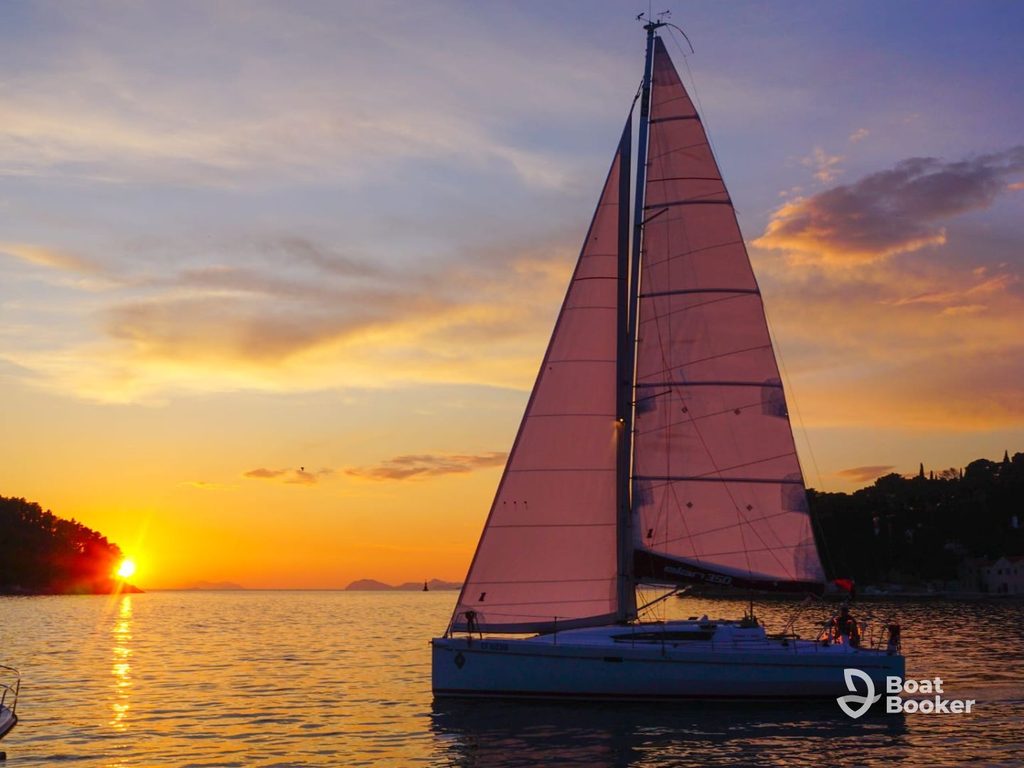
This is the sweet spot for many sailors. In May and June, bareboat prices can be up to 50% lower than in July or August. The weather is warm (20–25°C air, 18–22°C water), the anchorages are quieter, and the towns feel less overrun.
September is arguably the best month for sailing in Croatia. The sea retains its summer warmth, the Maestral is still reliable, and the summer crowds have thinned out. October works too, though you’ll want to keep a closer eye on weather forecasts. The Bura, a cold northeasterly wind, becomes more common and can blow hard with little warning.
Off-Season Considerations
November through March isn’t really sailing territory for most visitors. Many marinas reduce services, restaurants close, and the Bura can produce rough conditions. A few experienced sailors enjoy winter sailing in the southern Adriatic, but it’s not a good fit for first-timers.
Where to Sail – The Best Sailing Routes and Regions
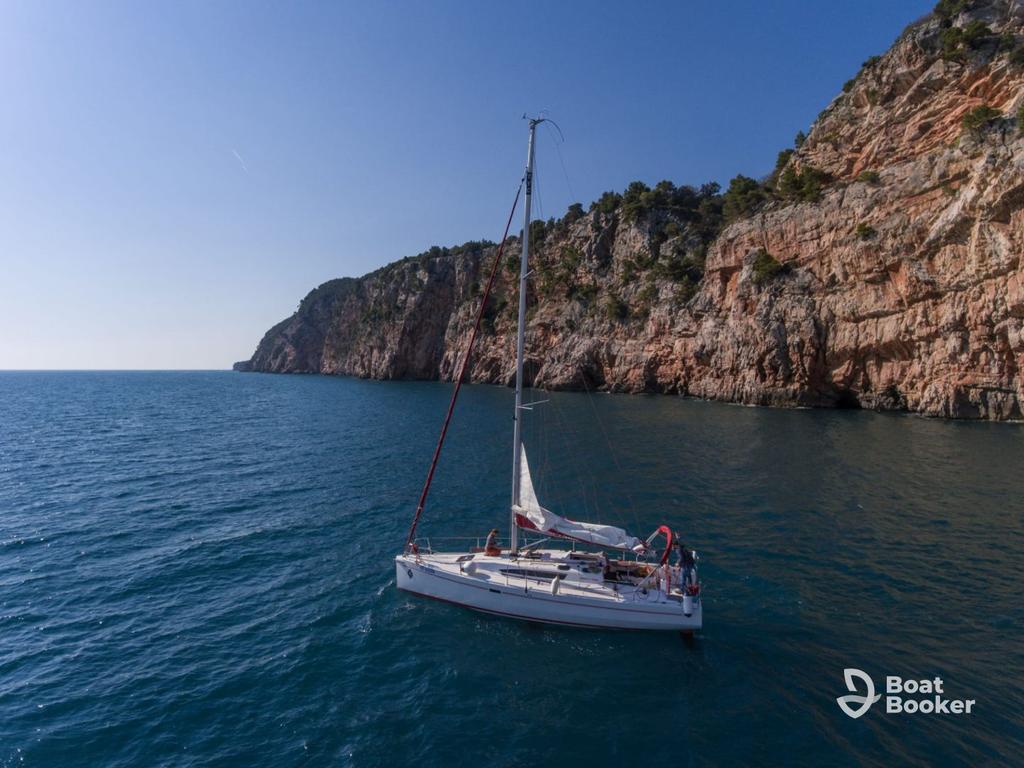
Croatia’s coast divides neatly into four sailing regions. Each one has a different character, and most 7-day itineraries stay within a single region.
Split and Central Dalmatia
Split is the most popular departure point for sailing in Croatia, and for good reason. From the ACI Marina or Marina Kaštela, you’re within easy reach of Brač, Šolta, Vis, and Hvar – four islands with very different personalities.
A typical 7-day itinerary from Split might loop south through the Pakleni Islands and Hvar Town, then cross to Vis – one of the quieter, more authentic islands. From there you’d stop at Brač’s Zlatni Rat beach and return via Šolta. This route gives you a mix of nightlife, swimming, and small-village charm, and it suits couples, groups of friends, and families alike.
Dubrovnik and South Dalmatia
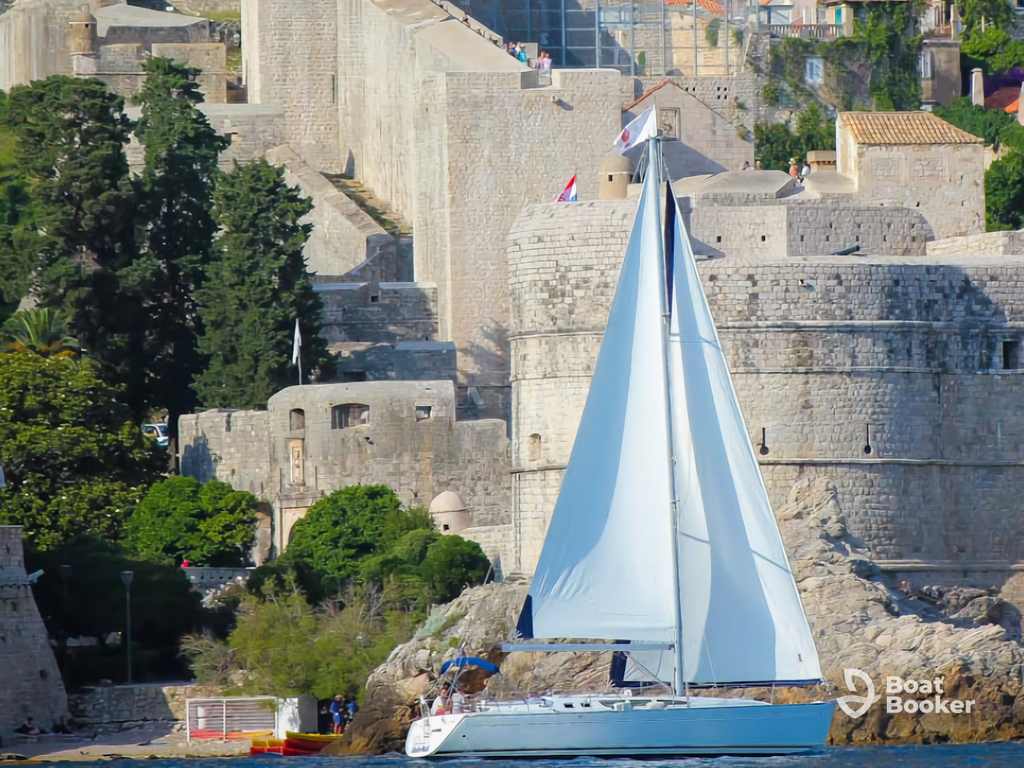
Dubrovnik is a stunning starting point, though it sits near the southern tip of the Croatian coast, so routes tend to head northwest. The Elafiti Islands – Koločep, Lopud, and Šipan – are just a short sail away and offer peaceful anchorages with very few tourists.
From there, you can push on to Korčula, known for its medieval old town and local white wines. Mljet is another highlight – half the island is a national park with saltwater lakes you can swim in. This region suits people who want a quieter, more nature-focused trip.
Zadar and the Kornati Islands
Zadar is the gateway to the Kornati archipelago – 89 islands and islets that make up one of the most dramatic landscapes on the Adriatic. The Kornati Islands are a national park, so you’ll need a park permit (available at the park entrance or online). The stark, treeless beauty of the islands is unlike anything else in Croatia.
This region has fewer marinas and more wild anchorages, so it suits sailors who want solitude over nightlife. A week from Zadar might include stops at Dugi Otok, the Kornati park, Murter, and a Krka River waterfall day-trip from Šibenik.
Istria and the Kvarner Gulf
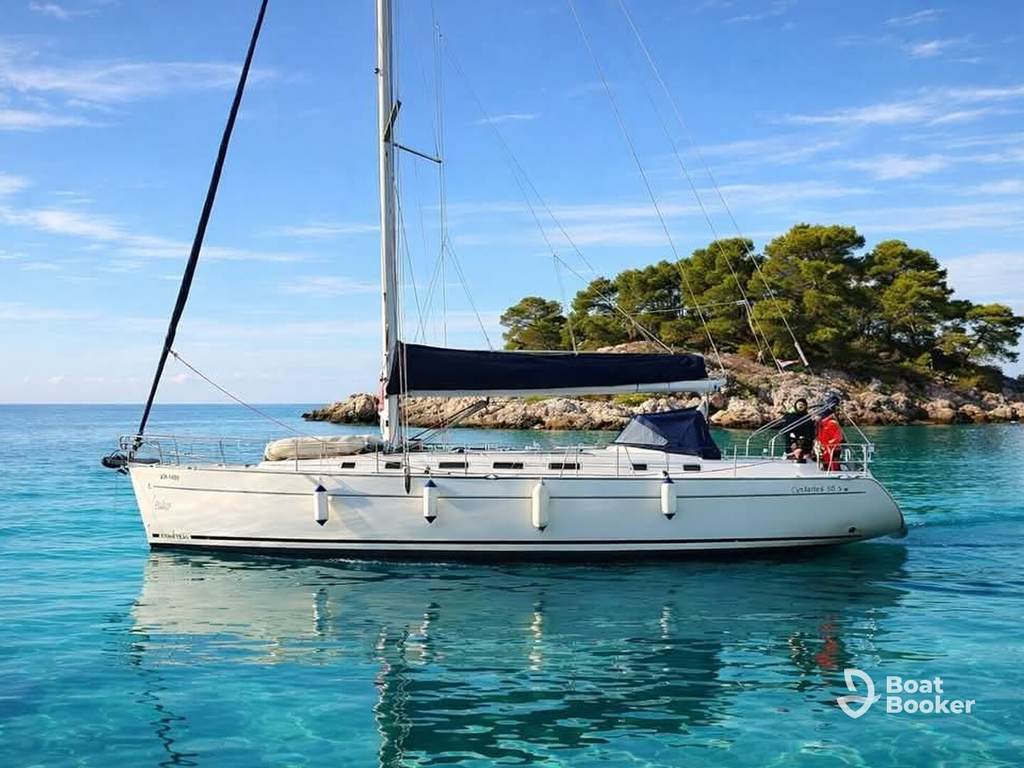
The northern Adriatic around Istria and the Kvarner Gulf is less touristy than Dalmatia. Rovinj is one of Croatia’s prettiest harbour towns, and the Brijuni Islands – once Yugoslav president Tito’s private retreat – are a national park worth visiting. Mali Lošinj, Cres, and Rab offer excellent sailing with fewer boats on the water.
This area suits families and those over 50 who want a relaxed pace, good food (Istrian cuisine is excellent), and a chance to sail without jostling for mooring space. Wind conditions can be more variable here, especially in spring and autumn. Keep an eye on the Croatian Meteorological and Hydrological Service forecasts.
How Much Does It Cost to Sail in Croatia?
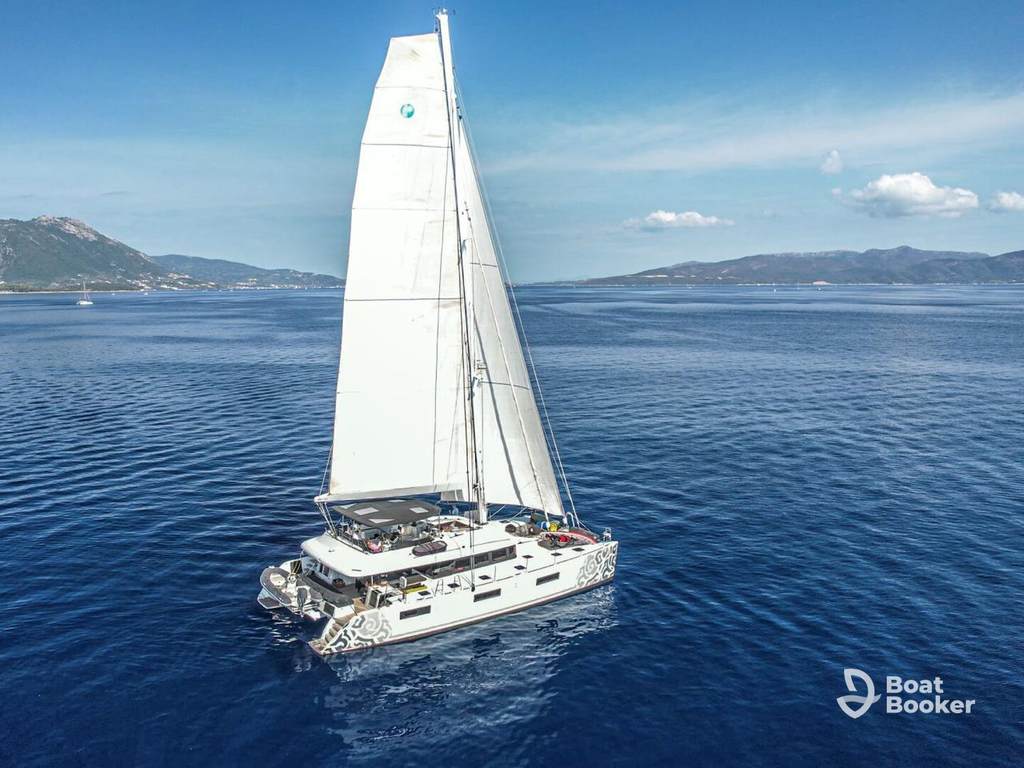
Costs vary widely depending on the boat type, the season, and whether you hire a skipper. Here’s a realistic breakdown.
Charter Prices (Per Week)
| Charter type | Shoulder season (May–Jun, Sep) | Peak season (Jul–Aug) |
|---|---|---|
| Bareboat sailboat (36–42 ft) | €1,500–€2,500 | €2,500–€3,500 |
| Skippered sailboat | ~€4,500 | €5,000–€7,000 |
| Catamaran (bareboat) | ~€4,500–€7,000 | €8,000–€10,000 |
| Crewed sailing yacht | €6,000+ | €8,000+ |
Budget skippered yacht trips – including breakfast and basic provisioning – start at around €966 per person for 7 days. That’s a realistic floor if you’re splitting costs in a group.
Additional Costs to Plan For
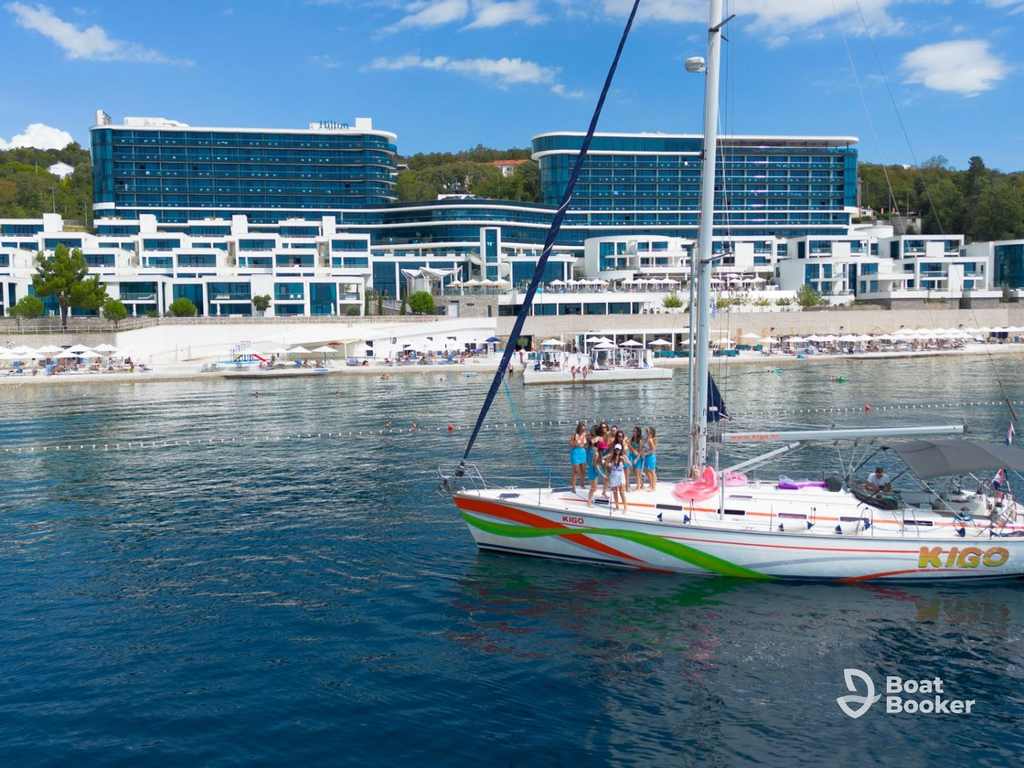
- Skipper fee: €180–€250 per day, depending on boat size
- Marina/mooring fees: Average €70 per night for a 12-metre sailboat in a town port. Catamarans pay roughly 50% more. Fees range from around €42 for a 36-foot yacht in low season up to €160 for a 55-footer in high season
- Fuel: €100–€200 per week for a sailboat; more for a catamaran or if you motor a lot
- Provisioning (food and drink): €200–€400 per person per week if you cook on board and eat out occasionally
- Tourist tax: A few euros per person per day
- Park permits: Required for Kornati, Mljet, and other national parks – typically €25–€50 per boat
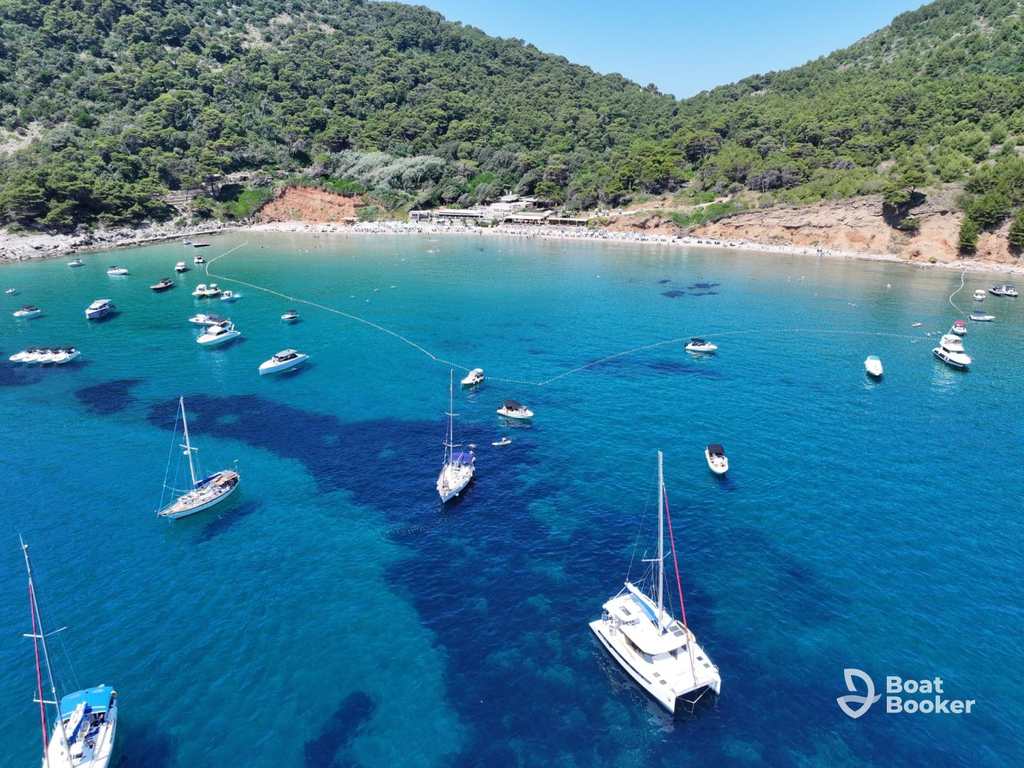
The biggest hidden cost is mooring. If you anchor in free bays and use mooring buoys instead of marinas every night, you’ll save a lot. Many sailors alternate – one night in a marina (for showers and a restaurant dinner), one night on a buoy or at anchor.
Bareboat vs. Skippered vs. Crewed – Which Charter Type Is Right for You?
This is the first decision most people face, and it comes down to experience and how much you want to manage.
Bareboat means you’re the captain. You need a valid sailing licence (more on that below) and you handle all navigation, mooring, and sailing decisions. It’s the cheapest option and gives you total freedom, but it’s only suitable if someone in your group is a confident, qualified sailor.
Skippered is the most popular choice for first-timers. A professional skipper handles the boat while you enjoy the trip. You don’t need any sailing experience or licence. Skippers also know the coast – they’ll suggest the best anchorages, avoid crowded spots, and adjust the route if weather changes. This is what we’d recommend for most people reading this guide. You can browse sailing charters with a skipper on BoatBooker to see what’s available.
Crewed charters add a hostess or cook (or both) to the skipper. Meals are prepared for you, the boat is kept tidy, and the experience feels closer to a floating hotel. It’s the most expensive option, but it’s ideal if you want a fully hands-off holiday.
If you’re unsure, start with a skippered charter. You’ll learn a huge amount about sailing just by being on board, and many people come back for a bareboat trip the following year.
Do You Need a Sailing Licence in Croatia?
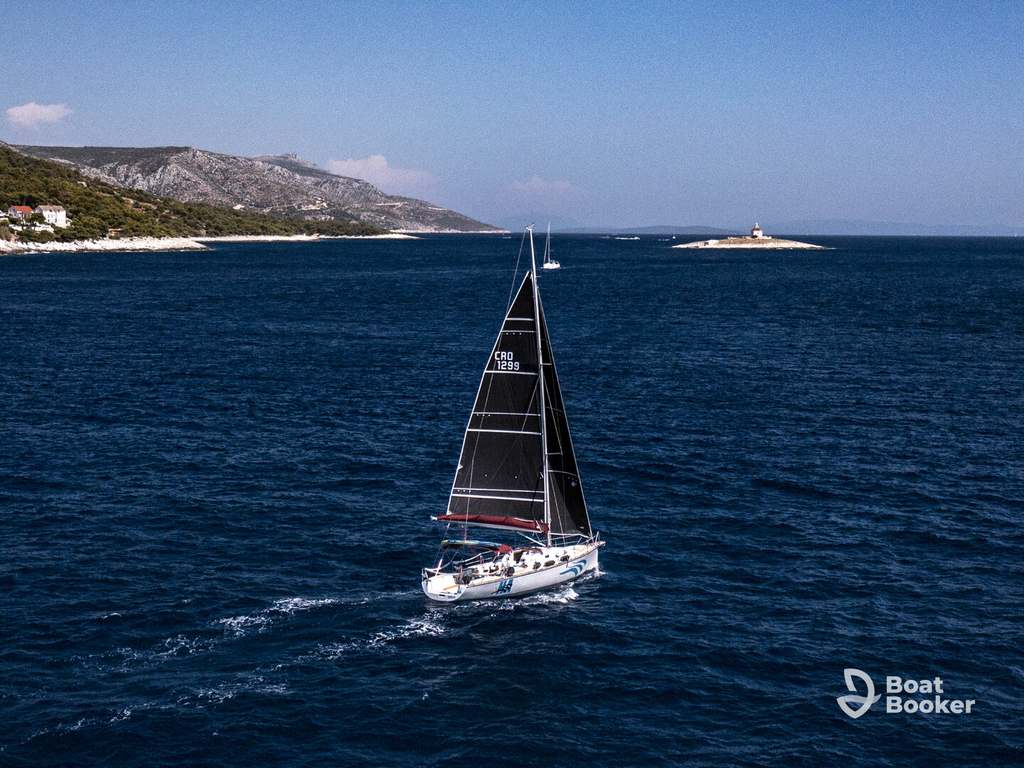
If you want to skipper a bareboat charter, yes. Croatia requires an International Certificate of Competence (ICC) – equivalent to a Day Skipper qualification or above. You’ll also need a VHF radio licence, since you’re legally required to carry and operate a marine radio.
If you don’t have either of those, the solution is simple: hire a skipper. You won’t need any paperwork, and you can focus on enjoying the trip. Most first-time visitors take this route.
Croatia introduced updated maritime safety regulations in 2025, including new anchoring restrictions near designated swimming areas. Your skipper will know the latest rules, which is another good reason to go skippered on your first trip. If you’re sailing bareboat, review the current regulations before departure – the harbourmaster’s office at your marina can point you to the latest updates.
What to Pack for a Sailing Trip in Croatia
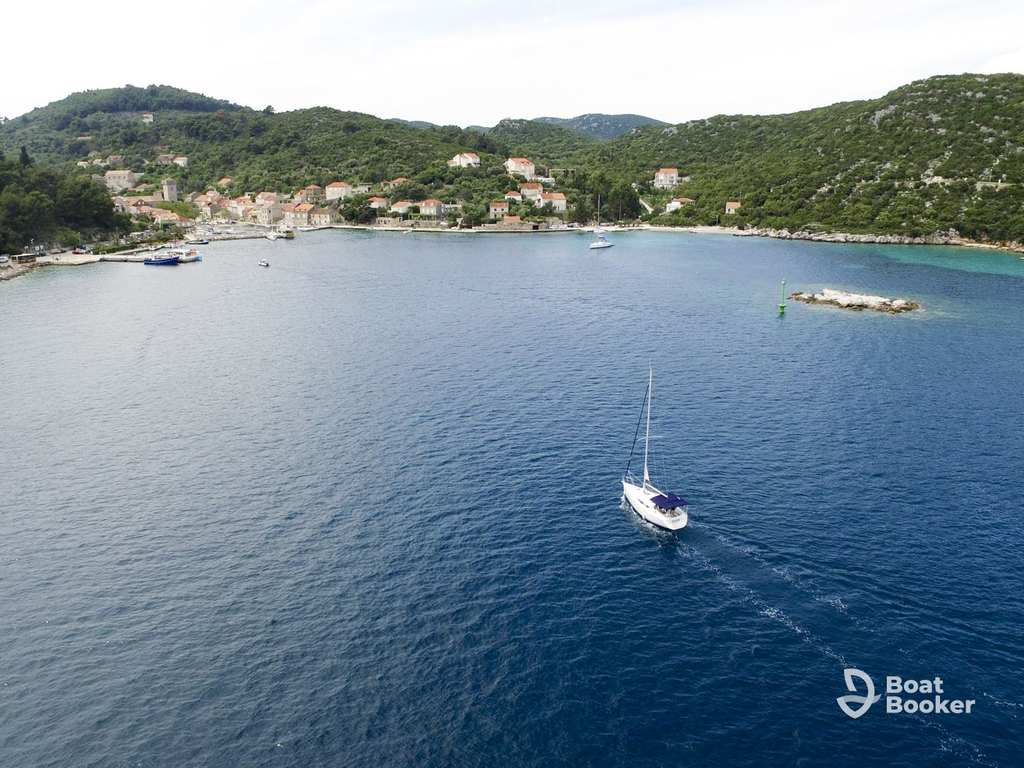
Packing for a sailing trip is different from packing for a hotel holiday. Storage on a boat is tight – lockers and berths, not wardrobes – so every item needs to earn its place.
- Soft bags, not hard suitcases. A duffel bag or backpack squishes into a locker. A rigid case doesn’t.
- Non-marking shoes. Boat decks scratch easily. Bring deck shoes or soft-soled sandals – no black rubber soles.
- Reef-safe sunscreen. You’ll be in the water a lot, and regular sunscreen damages marine ecosystems. Croatia’s national parks are especially sensitive.
- Waterproof phone case. Salt water and phones don’t mix. A €10 waterproof pouch saves a €1,000 repair.
- Layers for evenings. Days are hot in summer, but evenings on the water get cool – especially in shoulder season. A light fleece or windbreaker is enough.
- A hat with a brim and good sunglasses. Glare off the water is relentless.
- Cash in small denominations. Some smaller island ports and mooring attendants only take cash, and ATMs aren’t always nearby.
- Bug spray. Mosquitoes can be fierce when you’re anchored close to shore, especially near pine forests.
- A small dry bag. Handy for trips to shore in the dinghy – keeps your wallet, phone, and towel dry.
Keep it light. You’ll wear the same few items on rotation. Laundry opportunities are limited to the occasional marina washing machine.
Tips for First-Time Sailors in Croatia
Sailing Croatia for beginners doesn’t have to be intimidating. A few bits of practical advice go a long way.
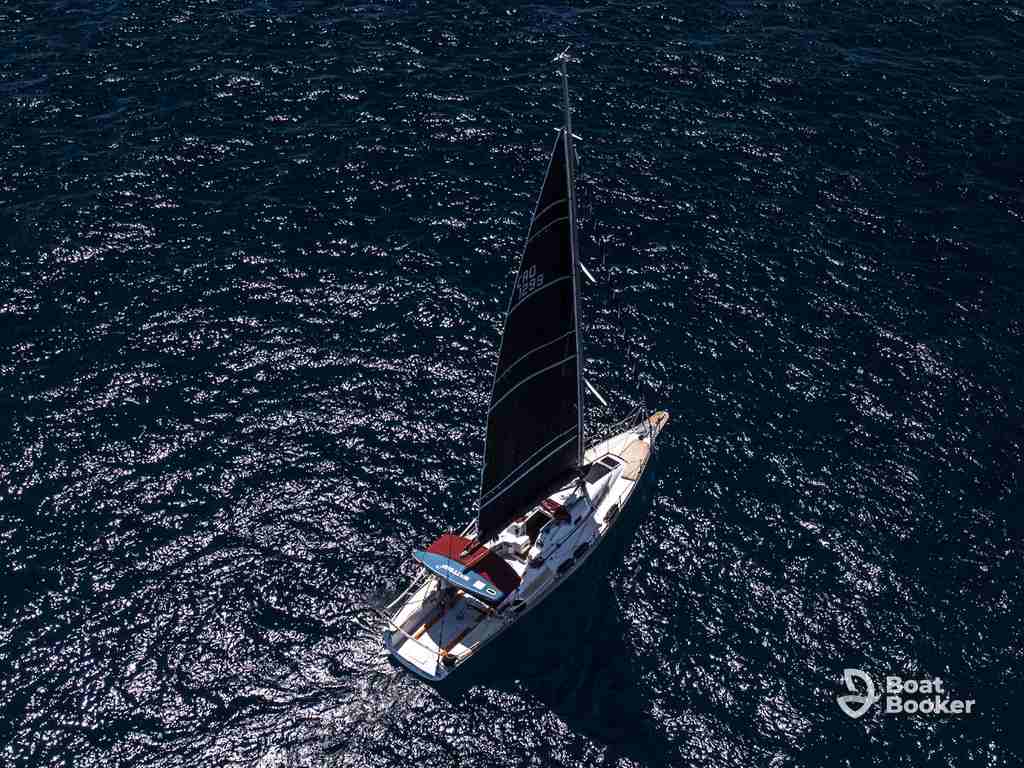
- Book early for peak season. The most popular boats in July and August get snapped up by January. If you have specific dates, don’t wait. Shoulder season is more flexible, but the best skippered charters still fill up months ahead.
- Don’t try to see everything. A common mistake is cramming too many islands into one week. You’ll spend all your time motoring and none of it swimming. Pick a region, plan four or five stops, and leave room for lazy mornings and unplanned detours.
- Provision on Day 1. Hit a supermarket before you leave your departure marina. Prices on smaller islands are higher, and selection is limited. Stock up on water, breakfast supplies, and snacks – you can always eat out for dinner.
- Use mooring buoys and free anchorages. You don’t need to pay for a marina berth every night. Many bays have mooring buoys (€20–€40 per night) or free anchorage spots. Your skipper will know the best ones.
- Check the weather forecast daily. The Adriatic is generally calm in summer, but the Bura wind can arrive quickly and blow hard. The Croatian Met Service publishes marine forecasts, and most skippers check them every morning. Also brush up on general boating safety tips before you head out.
- Respect the anchorage rules. As of 2025, Croatia enforces anchoring restrictions near swimming areas. Dropping anchor on seagrass beds can also result in fines. When in doubt, use a buoy or ask the harbourmaster.
- Embrace the rhythm. Sailing days tend to follow a natural pattern – a morning swim, a late-morning sail to the next island, lunch at anchor, an afternoon swim, then an evening stroll through a harbour town. Don’t fight it. That rhythm is the whole point.
Book a Sailing Charter in Croatia
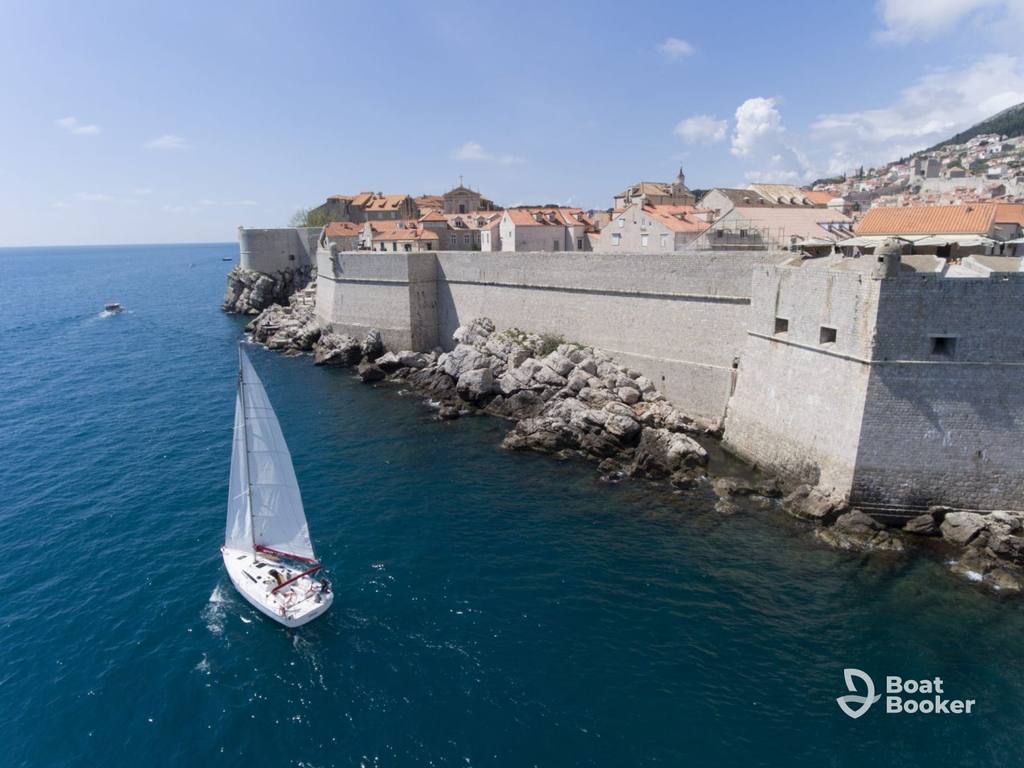
BoatBooker lists sailing charters across Croatia’s key departure points. Here are the best places to start browsing:
- Split – the widest selection of boats and the most popular base for Central Dalmatia routes
- Dubrovnik – ideal for South Dalmatia, the Elafiti Islands, Korčula, and Mljet
- Zadar – your gateway to the Kornati archipelago and the northern Dalmatian islands
- Trogir – a quieter alternative to Split with easy access to the same islands
- Rovinj – the best starting point for Istria and the Kvarner Gulf
You can filter by boat type, group size, and whether you want a skipper included. Most charters run Saturday to Saturday, though shorter trips are available in some locations.
Frequently Asked Questions about Sailing in Croatia
Have you sailed in Croatia before? If so, we’d love to hear which route you took and what surprised you – whether it was an island you didn’t expect to love, a mooring tip that saved you money, or something we’ve missed in this guide. Drop your thoughts in the comments, and if anything here is out of date, let us know so we can keep this post accurate for future readers.