


What Is Parasailing? Everything You Need to Know Before Your First Flight
If you’ve ever watched someone float high above the ocean behind a speedboat and thought that looks amazing but also… is it safe? – you’re in exactly the right place. Parasailing is one of the most popular water activities at beach destinations worldwide, and it’s far more accessible than most first-timers expect. You don’t need athletic ability, training, or even the ability to swim (though it helps). The boat crew handles virtually everything.
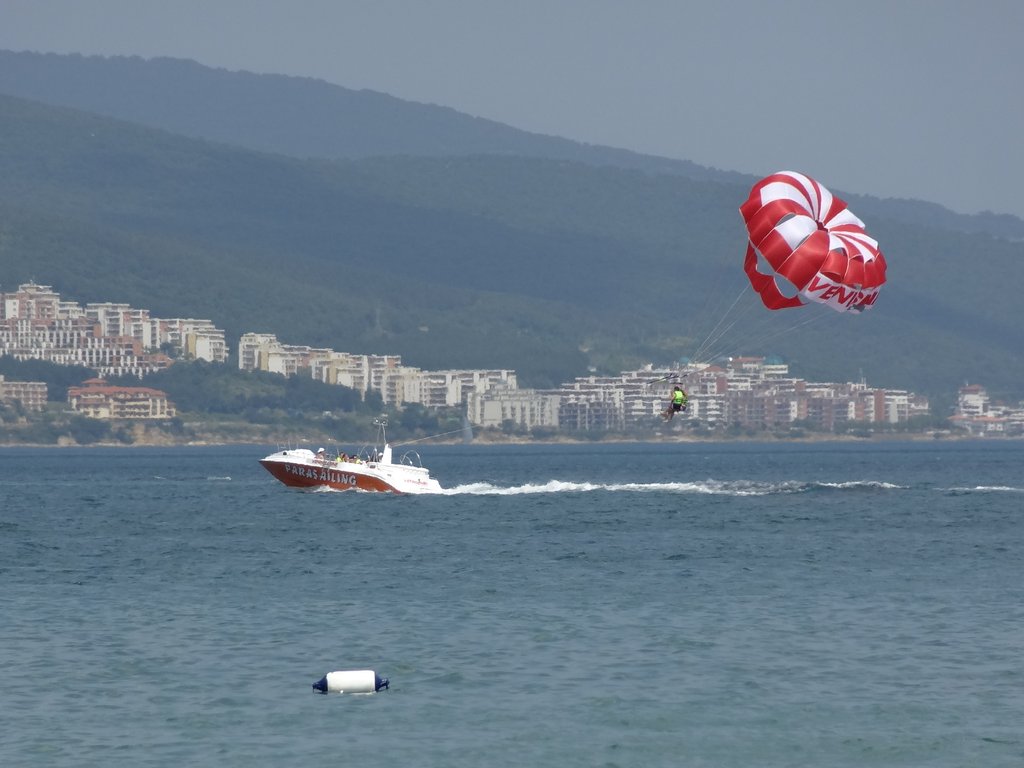
This guide covers what parasailing actually is, how it works from takeoff to landing, what it costs, who can do it, and – maybe most importantly – whether you should be worried about safety. By the end, you’ll have a clear picture of what to expect and whether it belongs on your vacation itinerary.
What Is Parasailing?
Parasailing – sometimes called parascending or parakiting – is a recreational activity where you’re harnessed to a large parachute-like canopy (called a parasail wing) and towed behind a motorboat. As the boat accelerates, the canopy catches air and lifts you skyward. You rise gradually, float at altitude for several minutes, and then get reeled back down to the boat deck.
What surprises most people is how passive the experience is. Unlike paragliding or skydiving, you don’t steer, you don’t jump from anything, and you don’t need a single minute of training. The boat captain controls your altitude and speed using a hydraulic winch system, while you sit in a harness and take in the view. The entire launch and landing happen right on the back of the boat – no running, no cliff edges, no leaps of faith.
An estimated 3–5 million people parasail in the United States alone each year, according to the National Transportation Safety Board. It’s a staple at beach towns from Key West to Cancún, and it’s one of the few aerial activities that’s genuinely open to nearly all ages and fitness levels.
A Brief History of Parasailing
The roots of parasailing trace back to 1962, when French engineer Pierre-Marcel Lemoigne developed the first ascending-gliding parachute – a canopy designed to be towed aloft rather than deployed during freefall. Early versions required launching from land or a platform, which limited where and how the activity could operate.
The real breakthrough came in 1974, when Mark McCulloh invented the first self-contained parasail launch and recovery vessel – a boat equipped with a hydraulic winch that could let out and reel in a tow line directly from the deck. This eliminated the need for beach launches entirely.
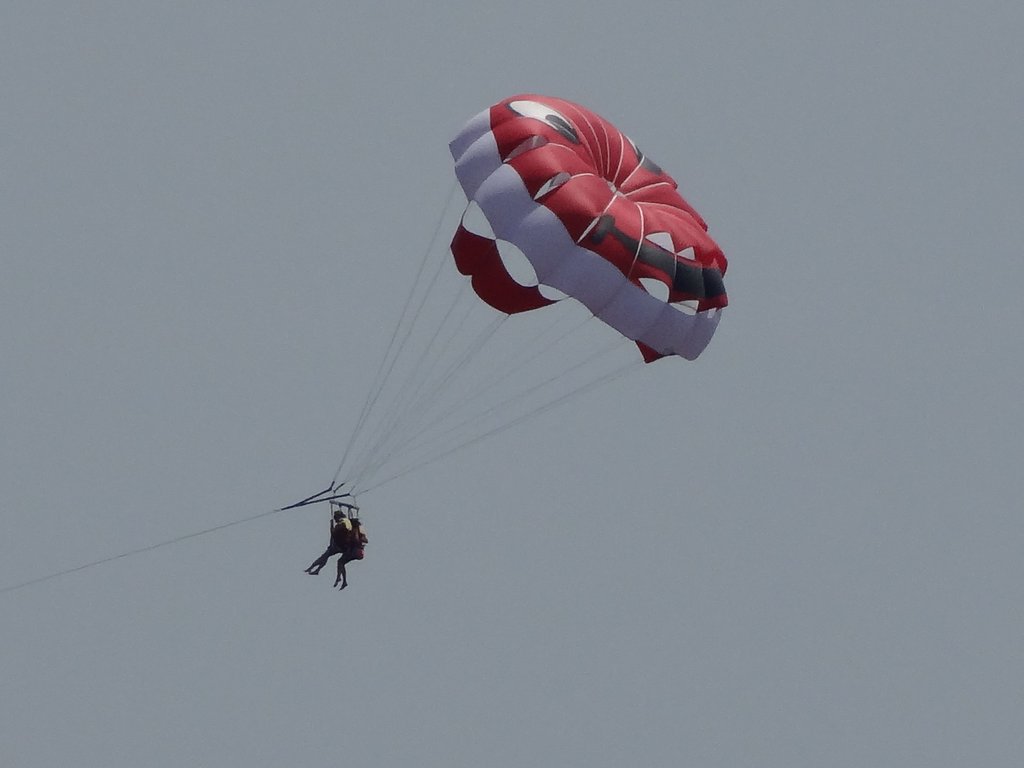
Two years later, Brian Gaskin introduced the Waterbird canopy, a purpose-built parasail wing far more stable and controllable than modified parachutes. Modern commercial parasailing uses canopies spanning 30 to 40 feet, capable of lifting two or even three riders at once.
How Does Parasailing Work?
The whole process is more straightforward than you’d guess. Here’s what a typical ride looks like, step by step.
You board a parasailing boat – usually a purpose-built vessel with a wide, flat flight deck at the stern and a large hydraulic winch mounted in the center. Before anything happens, the crew gives a safety briefing covering hand signals, what to expect during the flight, and how to sit in the harness. You’ll be fitted with a life vest and a harness that clips you securely to the tow line and parasail canopy.
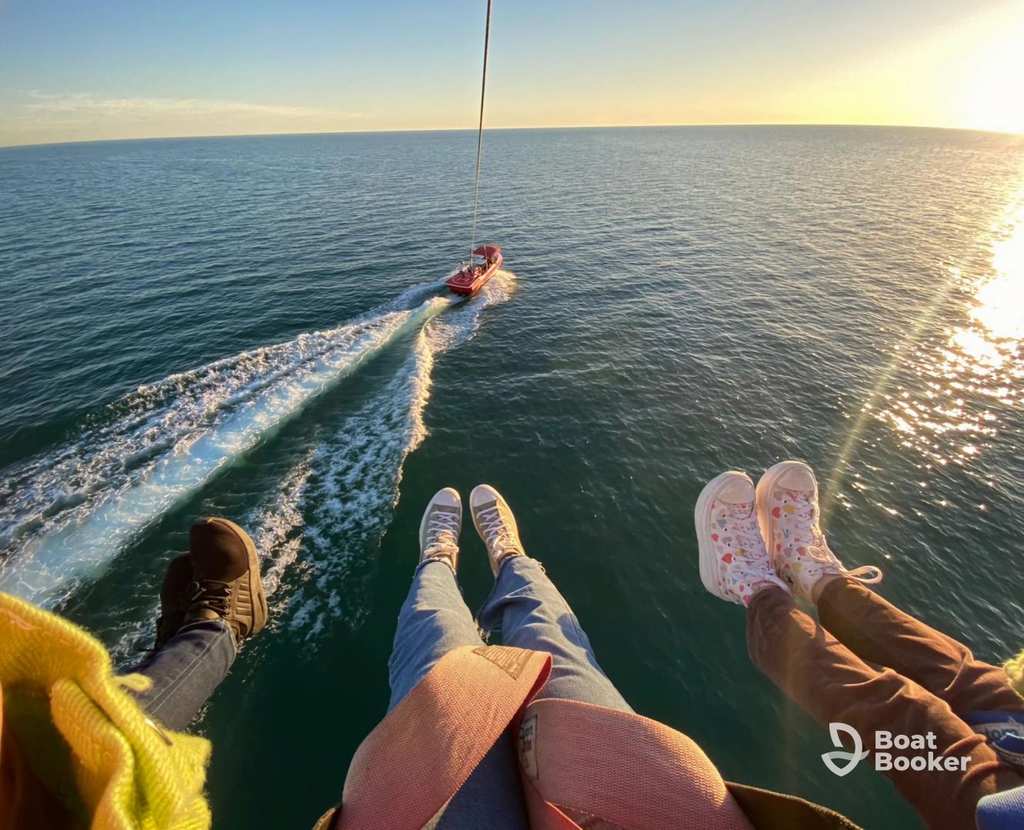
When it’s your turn, you sit on the flight deck with the harness attached. The captain accelerates the boat, the winch begins releasing the tow line, and the canopy fills with air above you. You lift off the deck smoothly – there’s no jolt, no sudden yank. It feels more like an elevator rising than a roller coaster launching. Within about 30 seconds, you’re hundreds of feet in the air.
At altitude, you float. The noise from the boat fades. You can see the coastline, spot marine life below, and just enjoy the quiet. If you’ve asked for a “dip,” the crew will briefly lower you so your feet skim the water before sending you back up – it’s optional, so communicate your preference beforehand.
When your flight time is up, the winch slowly reels you back in. You descend gradually and land gently right back on the flight deck. Your feet never need to touch the water unless you want them to.
How High Do Parasails Go?
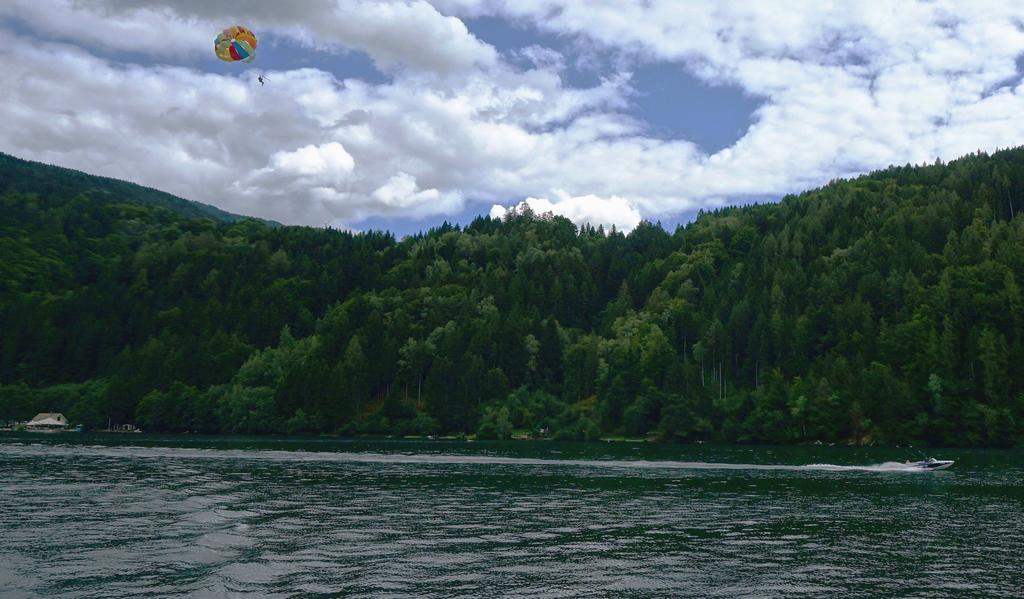
The Federal Aviation Administration sets a ceiling of 500 vertical feet for parasailing operations, which translates to roughly 800 feet of tow rope (the line extends at an angle, not straight up). Most commercial operators fly riders between 200 and 400 feet – high enough for spectacular panoramic views, low enough that you can still make out swimmers and boats below.
Many operators offer tiered flight packages based on line length. A standard flight might use 600 feet of rope, putting you around 300 feet up, while a “high fly” upgrade extends to 800 feet for riders who want the maximum legal altitude. The difference in perspective is real – at 400-plus feet, the boat below you looks surprisingly small and you can see for miles along the coastline.
How Long Does a Parasailing Flight Last?
Your actual time in the air typically runs between 6 and 15 minutes, depending on the package you book and how many riders are sharing the boat. The total experience – from boarding the vessel to returning to the dock – usually takes 45 minutes to an hour and a half. Much of that time is spent on the boat while other passengers take their turns, which is honestly a pleasant part of the experience on its own.
One practical tip: book your parasailing trip early in your vacation rather than saving it for the last day. Weather cancellations happen – if winds exceed safe thresholds, operators will scrub the flight – and having a buffer day or two gives you a rescheduling window. Most reputable operators offer full refunds or easy rebooking for weather cancellations.
Is Parasailing Safe?
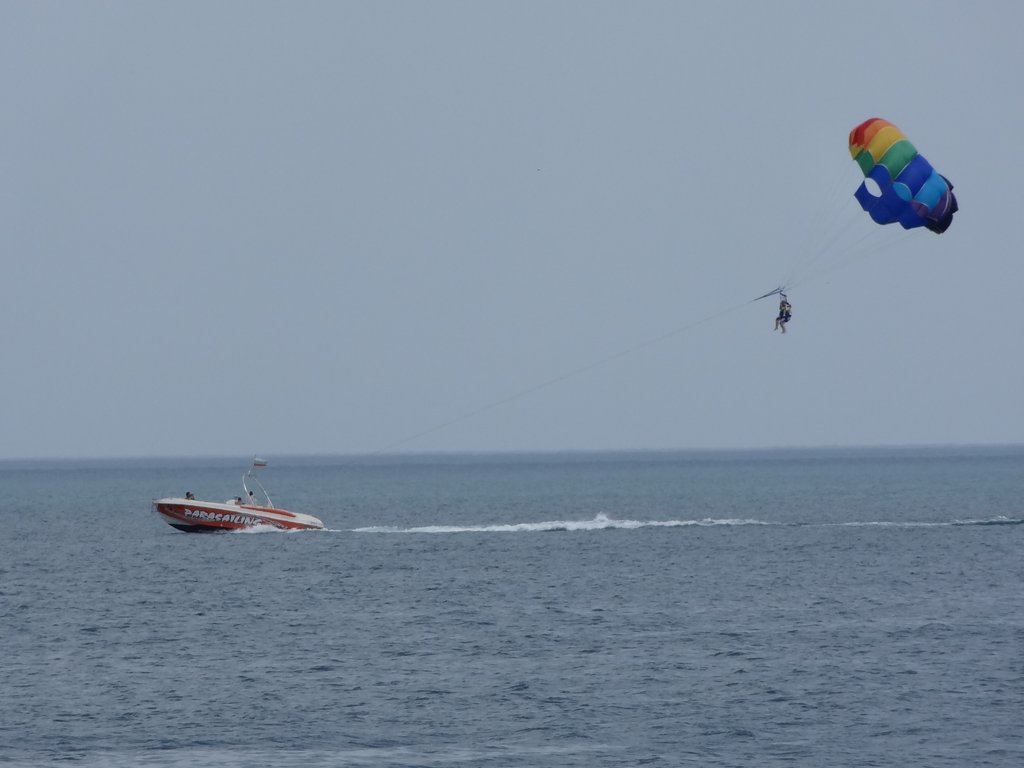
This is the question that stops most first-timers, so let’s look at the actual numbers. According to the Parasail Safety Council, approximately 170 million parasail rides were taken in the United States between 1982 and 2012. Over that 30-year span, 70 deaths and roughly 1,800 injuries were recorded. That works out to a fatality rate of about 1 in 2.4 million rides.
That doesn’t mean the risk is zero – no outdoor activity is risk-free. The NTSB’s 2014 Special Investigation Report on parasailing accidents found that the leading causes of serious incidents were towline failure, operations in excessive winds, and equipment that hadn’t been properly maintained. Most accidents trace back to operator negligence rather than something inherent to the activity itself.
The industry has tightened up considerably since then. Florida’s White-Miskell Act, signed in 2014, was the first state-level parasailing regulation in the country. It requires operators to carry minimum insurance, maintain equipment logs, and cease operations when sustained winds exceed specific thresholds. The ASTM F3099 standard – now referenced industry-wide – caps operations at 20 mph sustained winds and 25 mph gusts.
How to Choose a Safe Operator
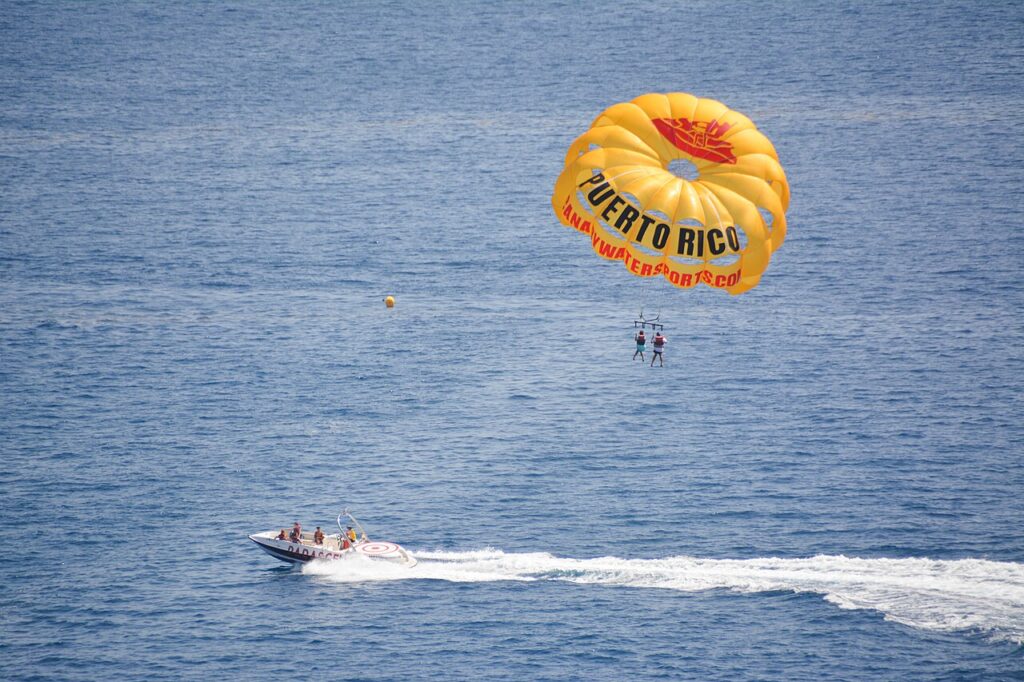
Not all operators follow the same standards, so it’s worth doing a few minutes of homework before you book:
- USCG licensing: Every commercial parasailing vessel in the US must be inspected and licensed by the US Coast Guard. Ask to see the captain’s license and the vessel’s Certificate of Inspection.
- Weather policy: A good operator will cancel or delay flights when conditions are marginal – and they won’t pressure you about it. If an operator seems eager to fly in choppy, gusty conditions, that’s a red flag.
- Equipment age and maintenance: Ask how old the tow line, harness, and canopy are. Reputable operators replace tow lines on a fixed schedule and keep maintenance logs.
- Insurance: The operator should carry liability insurance. In Florida, this is legally required; elsewhere, ask directly.
The Water Sports Industry Association also maintains training and certification programs for parasailing operators – membership is a positive sign, though not all quality operators are WSIA members.
What Happens If the Tow Line Breaks?
This question comes up constantly, and the answer is more reassuring than you’d expect. A parasail canopy is not a parachute – it’s designed to generate lift and glide, not plummet. If the tow line snaps, you don’t drop straight down. The canopy acts as a large, slow-descending wing, floating you down to the water over the course of a minute or more. You’re wearing a life vest the entire time, so once you’re in the water, you float.
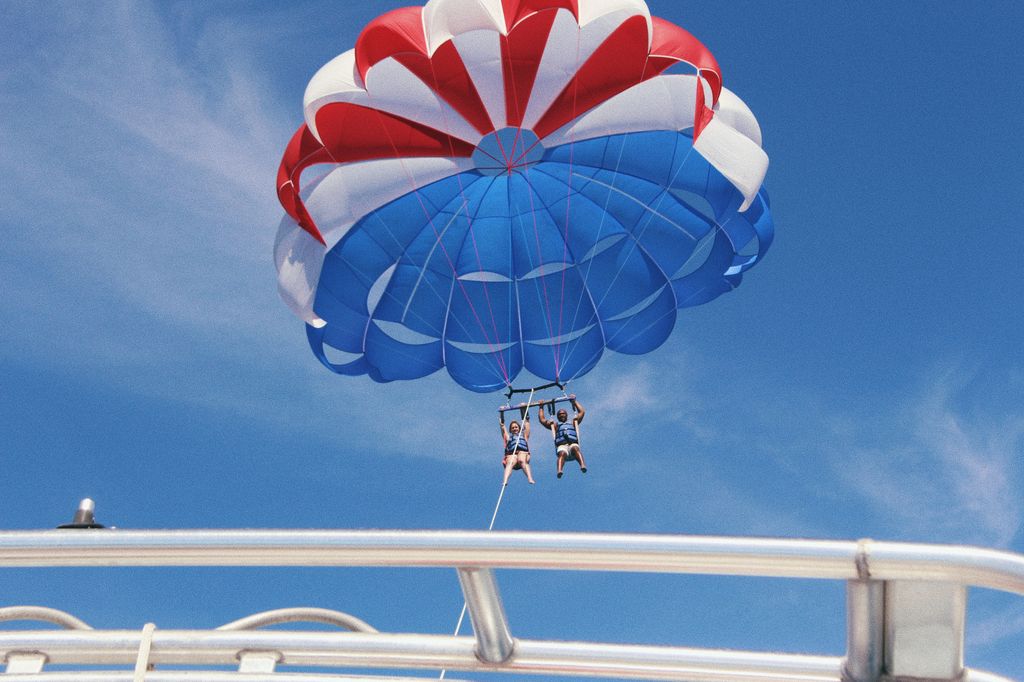
Is it ideal? No – it’s an equipment failure, and landing in open water isn’t anyone’s first choice. But it’s a controlled descent, not a freefall. The boat crew is trained to circle back and retrieve you quickly.
Is Parasailing Scary?
If the idea of dangling hundreds of feet above the ocean sounds terrifying, here’s what almost every first-timer reports: it’s far calmer and more peaceful than they expected.
The takeoff is gradual. There’s no sudden launch or stomach-dropping moment – you rise slowly as the winch lets out line, almost like floating upward in a dream. Once you’re at altitude, the noise of the boat fades and you’re left in surprising quiet. There’s no sensation of speed because you’re moving with the wind. Many people describe it as meditative.
The landing is equally gentle. The winch reels you in at a controlled pace, and you touch down on the boat deck – no splash landing, no running into shore. People who are nervous about heights often find that parasailing feels different from standing on a tall building or riding a roller coaster, because there’s no edge, no railing to look over. You’re suspended in open air with a wide horizon in every direction, which tends to feel expansive rather than vertigo-inducing.
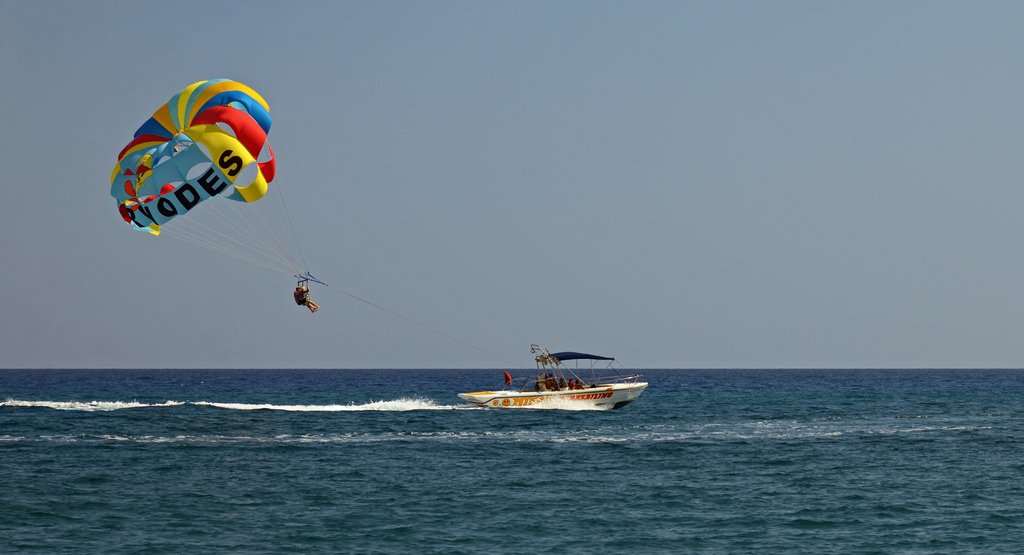
If you have a genuine phobia of heights that causes panic (not just nervousness), parasailing may not be the right fit – and that’s perfectly okay. Most nervousness, though, evaporates within seconds of liftoff.
Parasailing Requirements: Age, Weight, and Health
Age Minimums
Most parasailing operators set a minimum age of 5 or 6 years old. Children under 18 typically need a parent or guardian present to sign a waiver, and many operators require young children to fly tandem with an adult rather than solo. Age policies vary by location and operator, so check when booking.
Weight Limits
Weight requirements exist for safety – the canopy, harness, and tow line are rated for specific load ranges. Typical minimums for a solo rider fall between 120 and 150 pounds. If you’re below the solo minimum, you can usually fly tandem with someone else, which combines your weight.
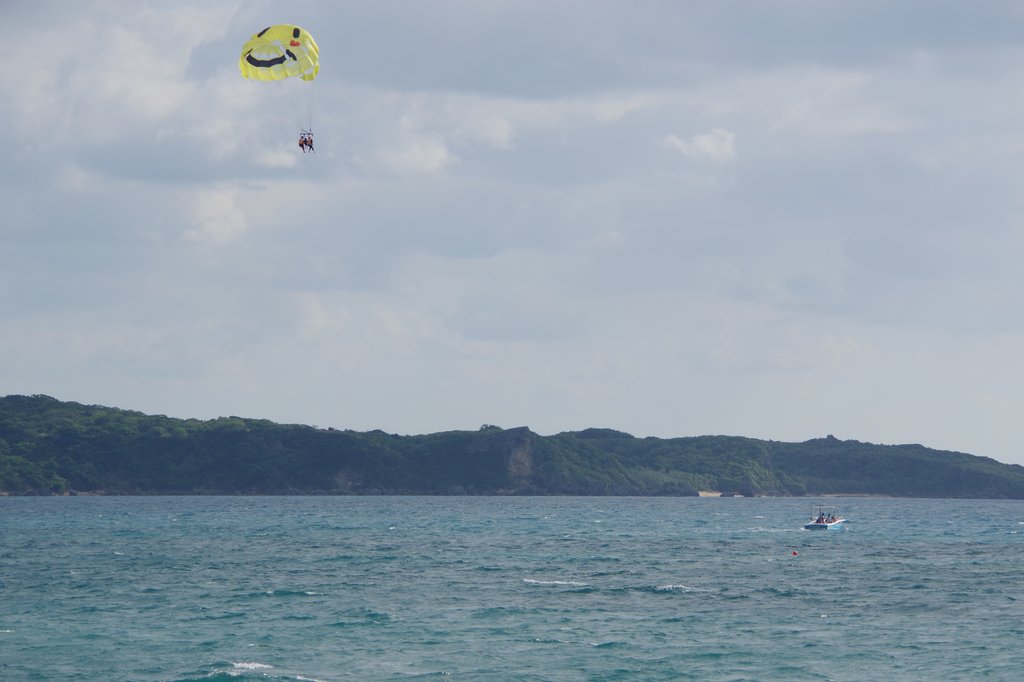
On the upper end, most operators cap the combined weight for a tandem or triple ride at 425 to 500 pounds. This is a hard limit dictated by equipment ratings, not a guideline – operators will weigh you at the dock and adjust groupings accordingly. Don’t take it personally; it’s the same principle behind weight limits on zip lines and amusement rides.
Health Restrictions
Parasailing is off-limits if you’re pregnant – this is universally enforced by operators and their insurers. Other common exclusions include recent back or neck surgery, serious cardiac conditions, and spinal injuries. If you have a specific medical concern, call the operator directly before booking.
Do You Need to Know How to Swim?
Technically, no. You wear a life vest the entire time, and if everything goes according to plan, you never touch the water. There’s always a small chance you could end up in the water, though – a voluntary dip that goes a bit deep, or the unlikely event of an equipment issue. Being comfortable in open water adds a meaningful layer of confidence and safety.
What to Wear Parasailing
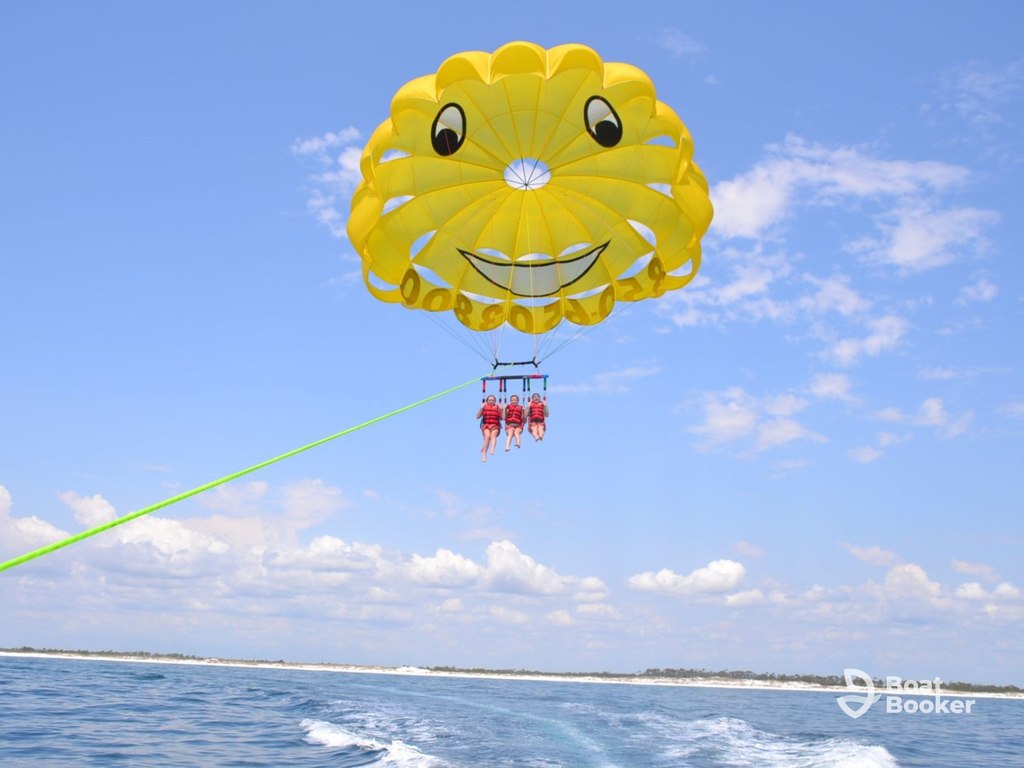
Keep it simple. A swimsuit or light, quick-dry athletic clothing is ideal. You may get splashed during the boat ride or during a foot dip, so anything you wouldn’t want soaked should stay onshore.
A few specific pointers:
- Skip loose accessories. Hats, sunglasses (unless secured with a strap), dangling jewelry, and scarves can blow off at altitude. Some operators won’t let you fly wearing them.
- Wear sunscreen. You’re fully exposed at altitude with no shade. Apply generously before the trip – you won’t be able to reapply mid-flight.
- Footwear is optional. Most people fly barefoot. If you prefer shoes, wear secure sandals or water shoes – not flip-flops.
- Leave valuables behind. Phones, wallets, and keys are better left in a locker onshore or with a non-flying member of your group. If you want to bring a phone for aerial shots, use a waterproof lanyard case clipped to your harness.
For more general guidance on dressing for a day on the water, BoatBooker’s guide on what to wear on a boat covers the basics.
How Much Does Parasailing Cost?
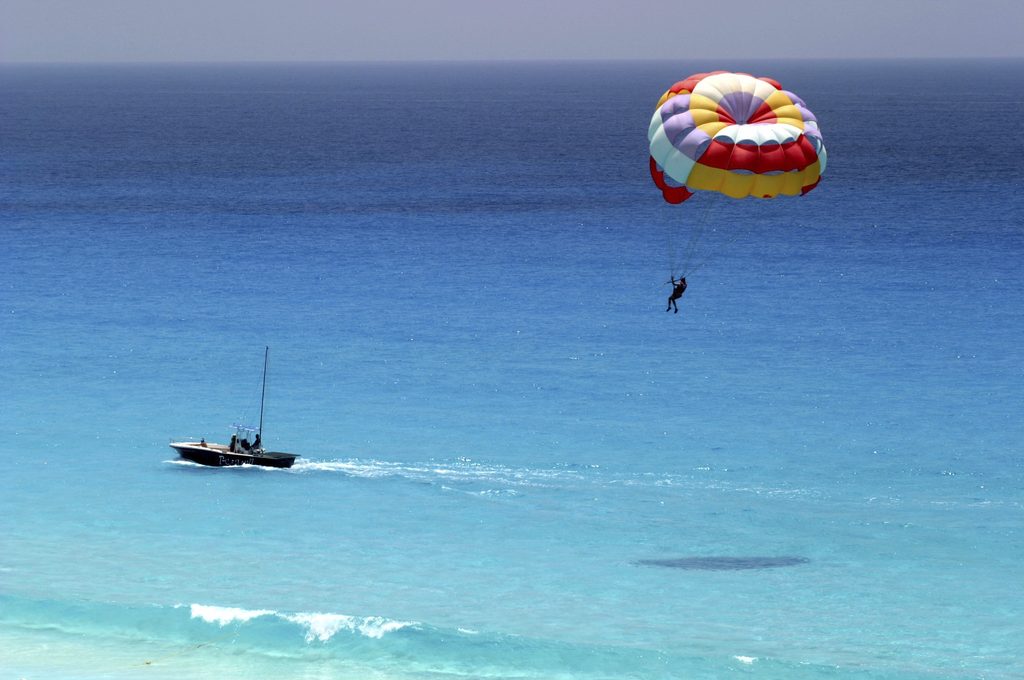
In the US, expect to pay somewhere between $50 and $130 per person for a standard parasailing flight. The main variables that shift pricing:
- Line length / altitude tier. A standard 600-foot line flight typically costs $60–$85. Upgrading to an 800-foot “high fly” might add $15–$30.
- Location. High-demand tourist hubs like Key West or Waikiki tend to price at the upper end. Less saturated beach towns can be notably cheaper.
- Solo vs. tandem vs. triple. Flying tandem or triple is usually cheaper per person than going solo, since you’re sharing one canopy and one takeoff slot.
- Photo and video packages. Many operators offer GoPro footage or photographer add-ons for $20–$50 extra. Decide before you go – it’s harder to negotiate once you’re at the dock.
- Observer spots. If someone in your group wants to ride along on the boat without flying, observer seats typically run $25–$50.
International pricing varies widely. Caribbean destinations like Punta Cana often offer parasailing for $40–$70 per person, while Mediterranean locations can charge €80–€120. Comparing prices across operators and destinations on BoatBooker before your trip can save you from overpaying at the dock.
Parasailing vs. Paragliding: What’s the Difference?
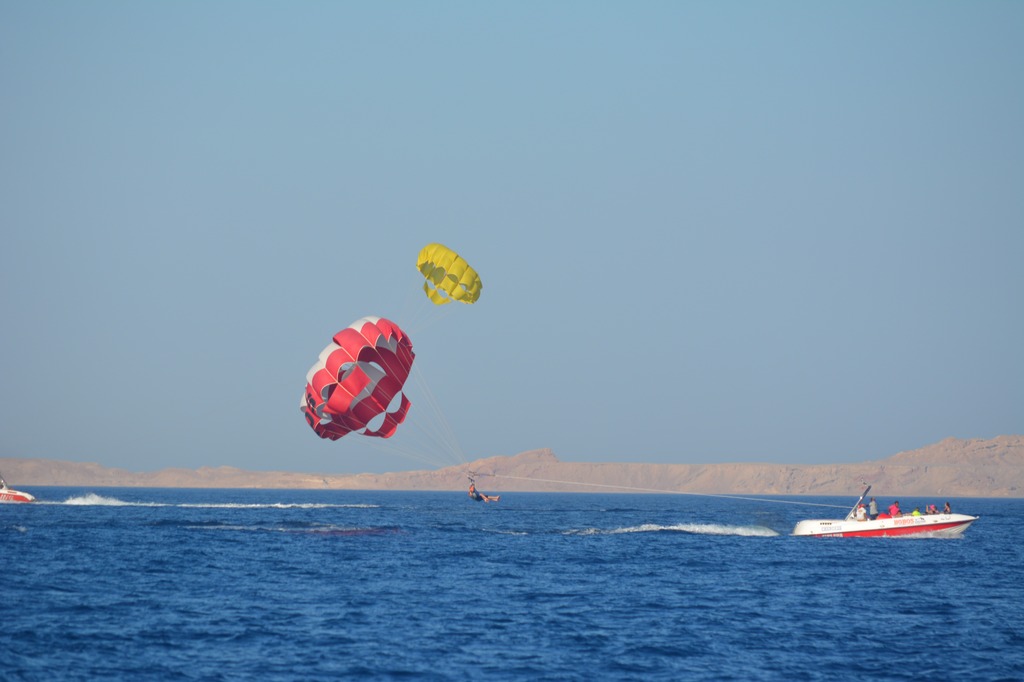
These two activities share a syllable and not much else. The confusion is understandable – both involve a canopy and being airborne – but the experiences are fundamentally different.
| Parasailing | Paragliding | |
|---|---|---|
| Launch method | Towed from a boat deck by winch | Running off a hillside or cliff |
| Environment | Over water | Over land (mountains, hills, coastal cliffs) |
| Rider control | None – boat captain controls altitude and speed | Significant – pilot steers with brake toggles |
| Training required | None | Yes – tandem flights with certified pilot, or solo certification course |
| Typical altitude | 200–500 feet | 1,000–10,000+ feet |
| Flight duration | 6–15 minutes | 15 minutes to several hours |
| Physical demands | Minimal – sit in a harness | Moderate – running takeoff, active steering |
The short version: parasailing is a passive, guided ride. Paragliding is an active sport that requires training, physical effort, and a much higher tolerance for exposure. If you’re looking for a relaxing aerial experience that anyone in the family can enjoy without preparation, parasailing is the clear choice.
Types of Parasailing
Solo, Tandem, and Triple Flights
Most modern parasail canopies can accommodate one, two, or three riders at once. Solo flights give you the full experience to yourself – just you, the harness, and the sky. Tandem flights are the most popular option for couples, friends, and parent-child pairs. Triple flights let three people share a single canopy, which works well for families or friend groups who want to go up together and split the cost.
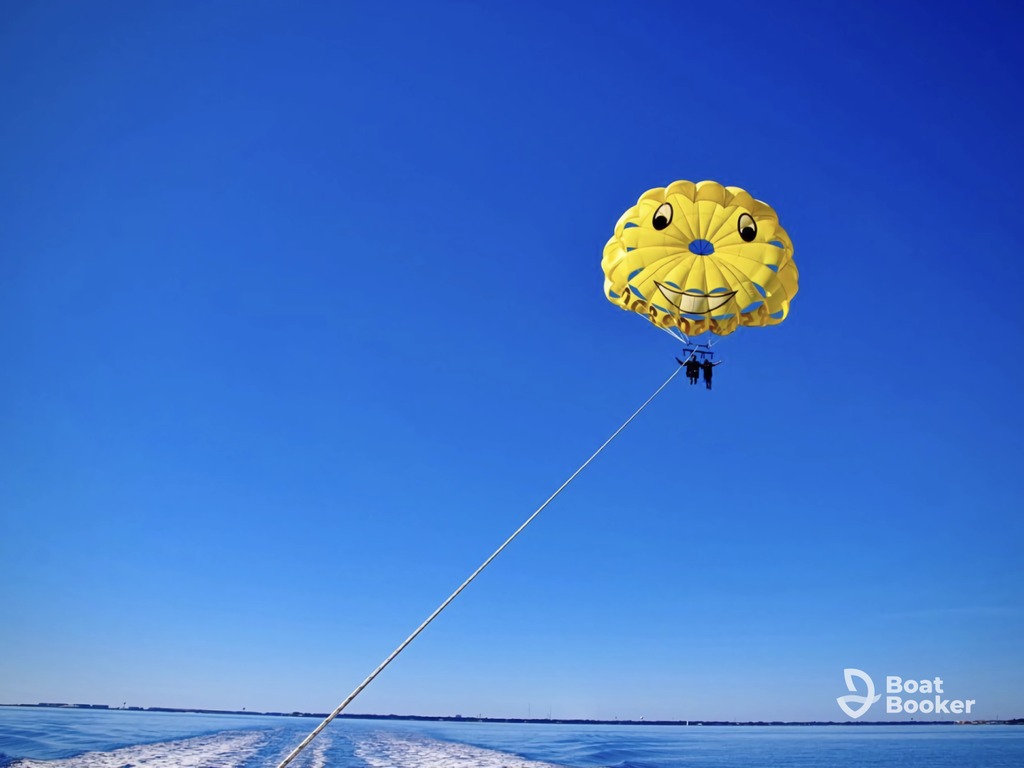
The ride experience is essentially the same regardless of configuration. The main difference is weight – more riders mean more combined weight, which can slightly affect how high you fly and how the canopy handles. Your operator will assign configurations based on rider weights to stay within equipment limits.
Winch Boat vs. Beach Launch
Nearly all modern commercial parasailing uses the winch boat method – you launch and land directly from the boat deck, never touching the water unless you choose to. This is the standard at virtually every professional operation you’ll encounter at a resort or tourist destination.
Beach launches, where you take off from and land on a shoreline, still exist in some areas but are increasingly rare. The winch boat method is safer, more controlled, and allows operations in deeper water farther from shore – which usually means better views and calmer conditions.
Best Destinations for Parasailing
Parasailing is available at hundreds of coastal destinations worldwide, but a few stand out for consistently good conditions, experienced operators, and spectacular scenery.
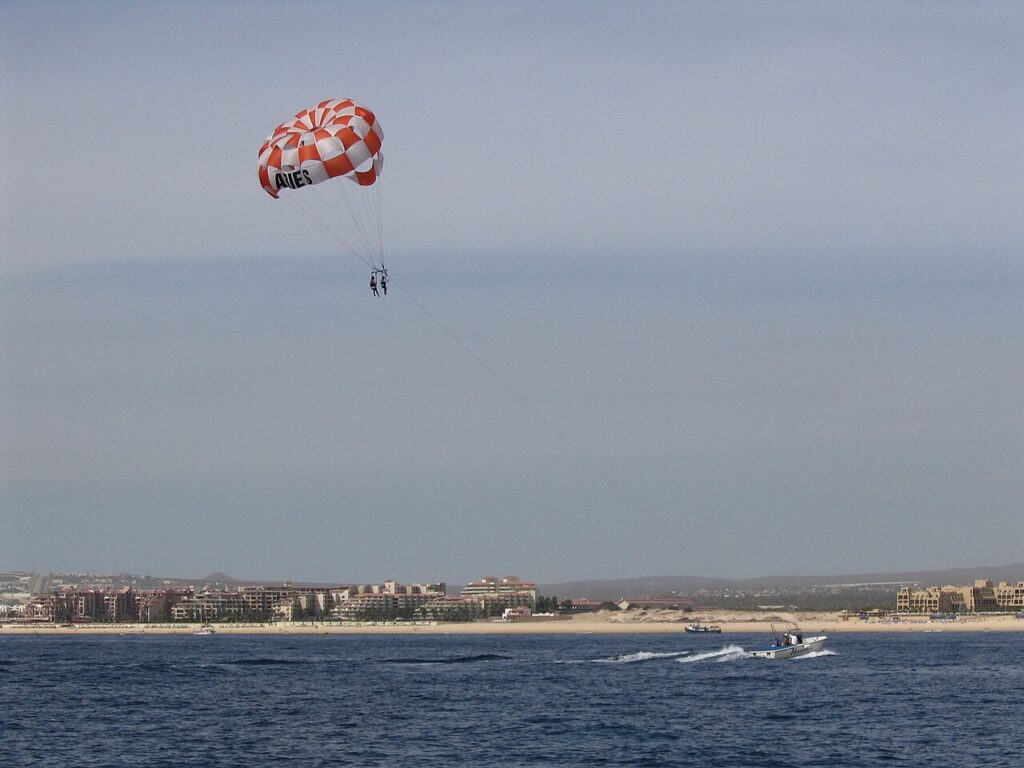
- Florida remains the parasailing capital of the United States. Key West offers turquoise Gulf waters and the chance to spot sea turtles from altitude. Fort Myers and Destin are perennial favorites with calm bay waters. Miami’s Biscayne Bay provides a dramatic skyline backdrop you won’t find anywhere else.
- Hawaii delivers some of the most scenic parasailing anywhere, with flights off Oahu and Maui offering views of volcanic coastlines, reef systems, and – during winter months – humpback whales breaching far below. Note that Hawaiian regulations restrict parasailing during peak whale season (December through mid-May) in certain areas to protect marine life.
- The Caribbean is loaded with options. Punta Cana is one of the most popular parasailing hubs in the region, with warm water year-round and consistently favorable winds. Cancún and the Riviera Maya offer similar conditions with the bonus of Mayan coastline views.
- Mexico’s Pacific coast is another strong pick. Puerto Vallarta combines parasailing with Banderas Bay’s mountain-backed shoreline – one of the more dramatic settings you’ll find for a flight.
- The Mediterranean rounds out the list, with parasailing widely available along the coasts of Greece, Turkey, Croatia, and Spain. Conditions tend to be best from May through October, and pricing is generally higher than in the Caribbean or Mexico.
Tips for Your First Parasailing Experience
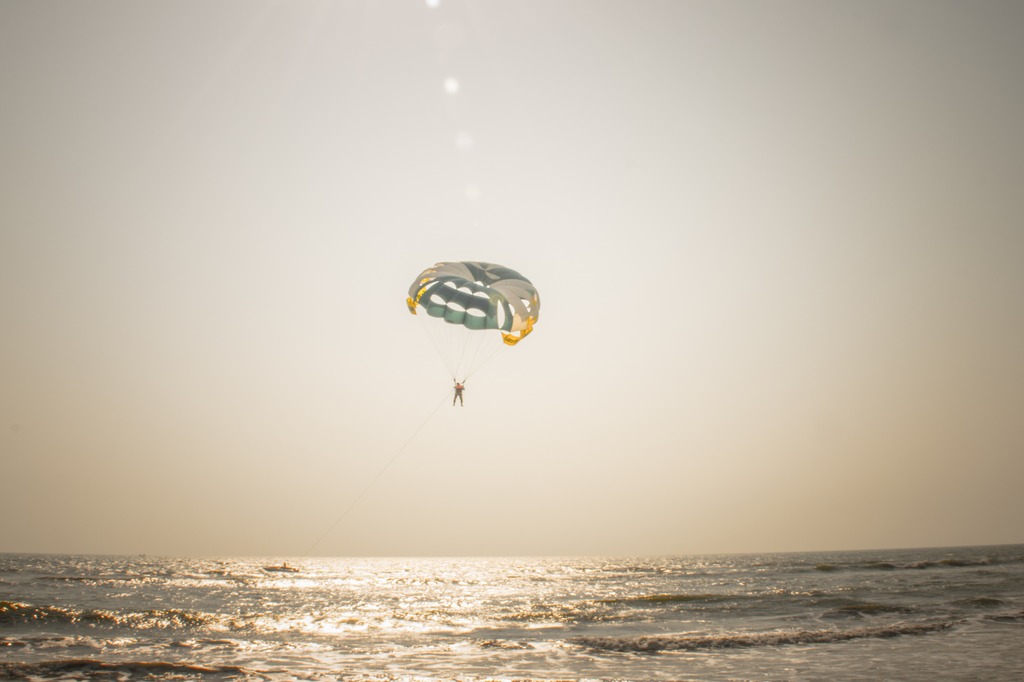
- Book early in your trip. Weather cancellations are common. Booking on day one or two gives you a buffer to reschedule without missing out entirely.
- Check the weather yourself. Even if the operator hasn’t canceled, look at wind forecasts. If sustained winds are approaching 20 mph / 30 km/h, conditions may be marginal – ask the operator directly how they’re handling it.
- Verify operator credentials. Ask about USCG licensing, insurance, and equipment maintenance. A good operator will answer these questions willingly.
- Communicate your dip preference. Before takeoff, tell the crew whether you want a foot dip or prefer to stay dry. Once you’re in the air, hand signals are the only communication method and they can be hard to read.
- Pack light. Bring only what you need on the boat – sunscreen, a towel, and water. Leave bags, cameras, and valuables locked up onshore.
- Wear sunscreen before you arrive. The crew moves quickly through safety briefings and harness fittings. There usually isn’t a pause to apply sunscreen once you’re on board.
- Relax into it. The first 10 seconds after liftoff are when nerves peak. Once you’re above the boat and the noise fades, most people settle into the experience almost immediately. Breathe, look around, and enjoy it.
Frequently Asked Questions about Parasailing
In the US, most parasailing flights cost between $50 and $130 per person. The price depends on line length (longer line = higher altitude = higher price), location, and whether you add photo/video packages. Caribbean and Mexican destinations often run slightly cheaper, in the $40–$70 range. Observer spots for non-flying companions typically cost $25–$50.
Have you tried parasailing, or are you still on the fence about it? If you’ve been up there, we’d love to hear where you flew and whether the experience matched your expectations – especially if you were nervous beforehand. And if anything in this guide seems off or outdated, drop a note in the comments so we can keep it accurate.


Peter
July 24, 2026 Jul 24, 2026
Thank you for giving us insights. It will help readers gain knowledge about parasailing.
Tanja Dedijer
Replied on July 26, 2026 Jul 26, 2026
Hi Peter, thanks for reading our blog and sharing your feedback with us. We’re glad we could help 🙂
View all replies