
Canoe vs. Kayak: What’s the Difference and Which Should You Choose?
The canoe vs. kayak question looks simple from a distance. Both crafts are human-powered and paddle-driven, and at a glance they can look nearly identical. Up close, though, the design differences shape what each boat does best – and who each one suits. The paddle style, the seating position, the hull shape: all of it matters once you’re on the water.
This guide covers the core differences: design, stability, speed, cargo capacity, and use case. By the end, you’ll know exactly which one to step into.
What Makes a Canoe Different From a Kayak?
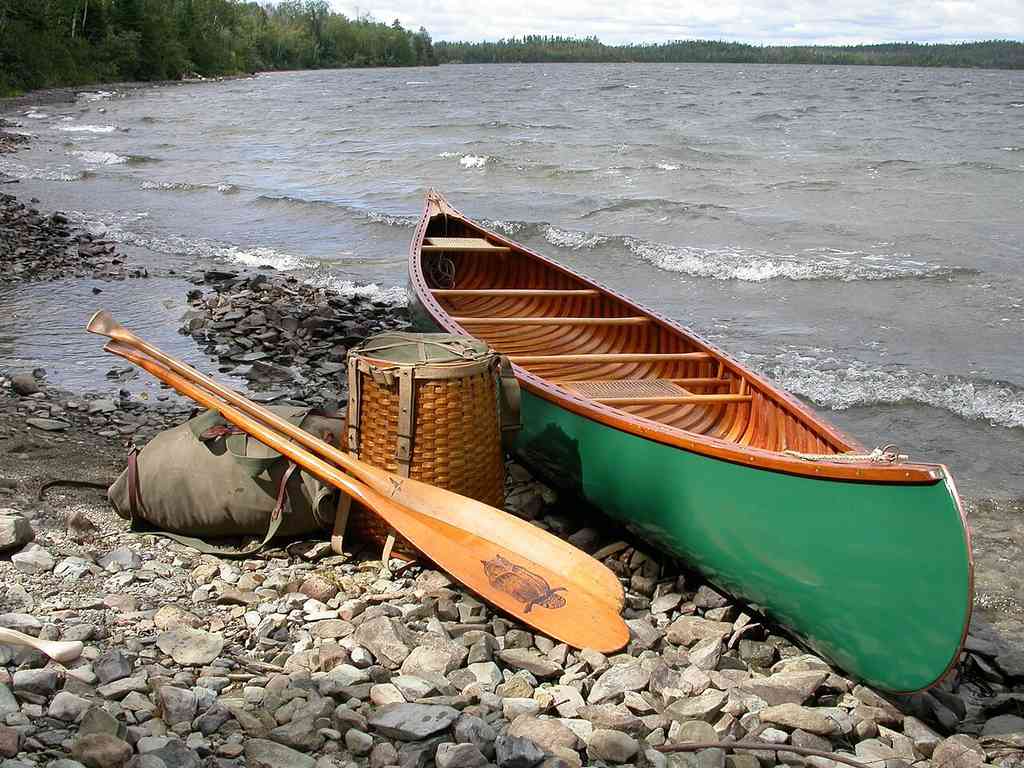
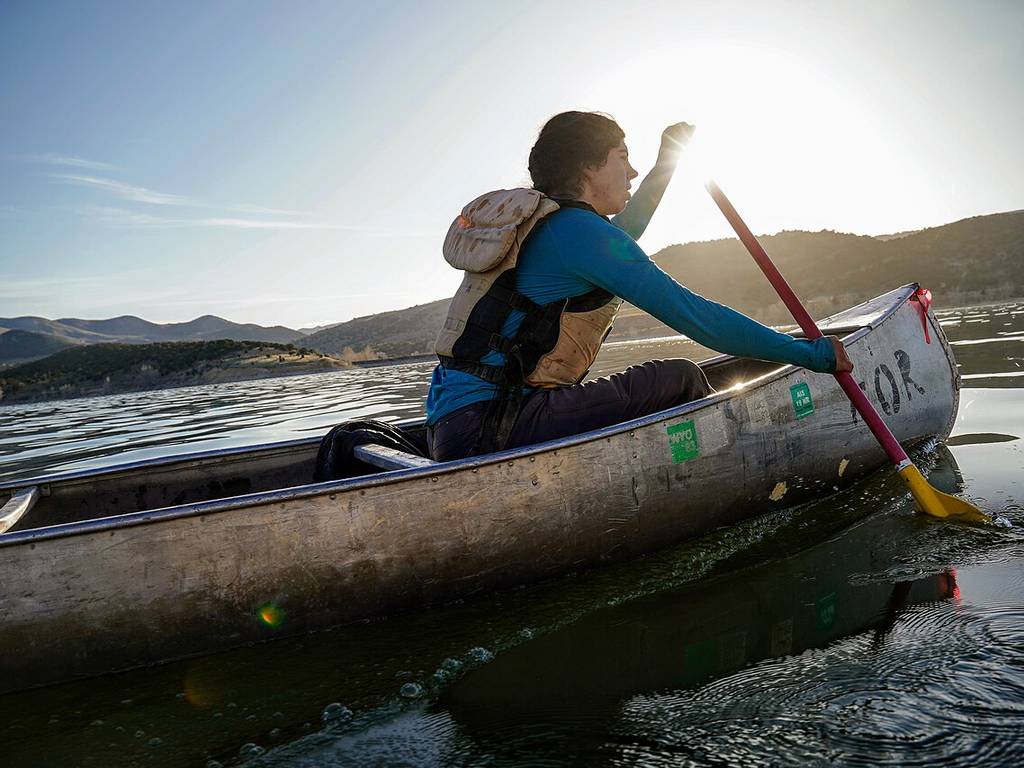
The most obvious difference is the paddle. Kayakers use a double-bladed paddle, with a blade on each end. They alternate strokes on either side to go forward. Canoeists use a single-bladed paddle. They either switch sides with each stroke or apply a corrective J-stroke to track straight. Neither approach is harder than the other – they’re just different techniques.
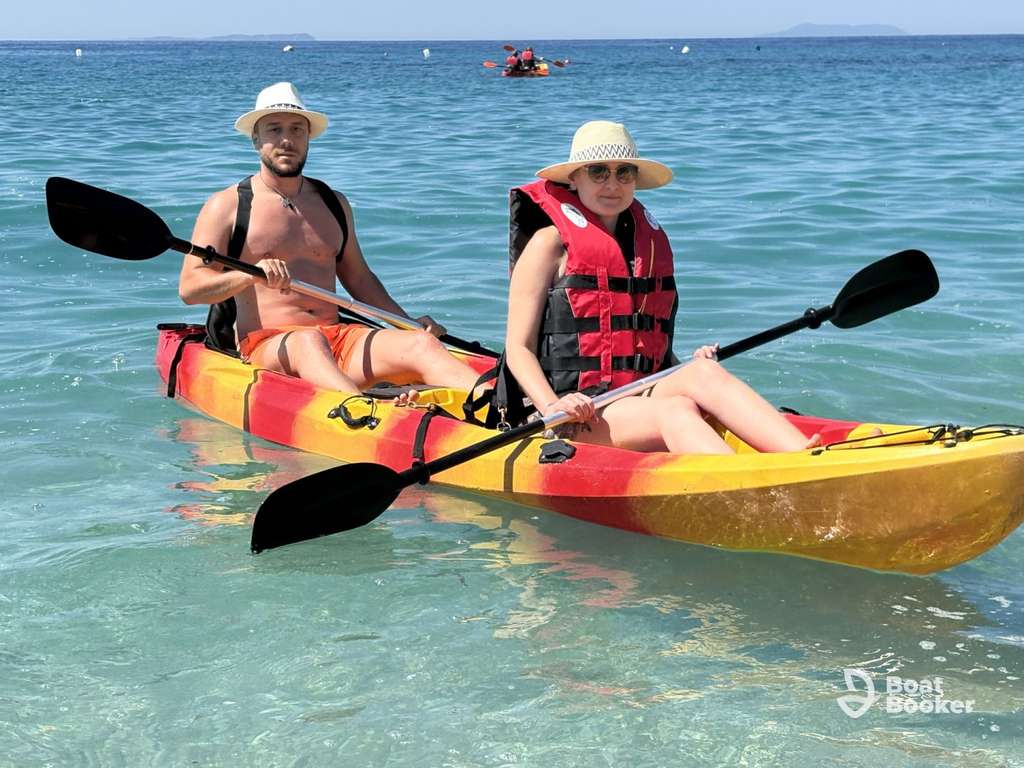
The boat design reinforces those differences. Canoes are open on top – wide, flat-bottomed platforms with bench seats or kneeling pads. Kayaks come in two main types. Sit-inside models have an enclosed cockpit your legs slide into. Sit-on-top models have an open molded deck you perch on. Both types keep you lower to the water than a canoe.
| Feature | Canoe | Kayak |
|---|---|---|
| Paddle | Single-bladed | Double-bladed |
| Seating | Bench seat or kneeling | Cockpit seat or molded deck |
| Deck | Fully open | Closed cockpit or open deck |
| Typical length | 13–17 ft (tandem) | 9–12 ft (recreational) |
| Cargo space | High | Low to moderate |
| Speed | Moderate | Generally faster |
| Best for | River trips, camping, families | Touring, fitness, coastal paddling |
For a deeper look at kayak types, history, and what a guided tour involves, our beginner’s guide to kayaks covers all of that in detail.
Stability, Comfort, and Ease of Paddling
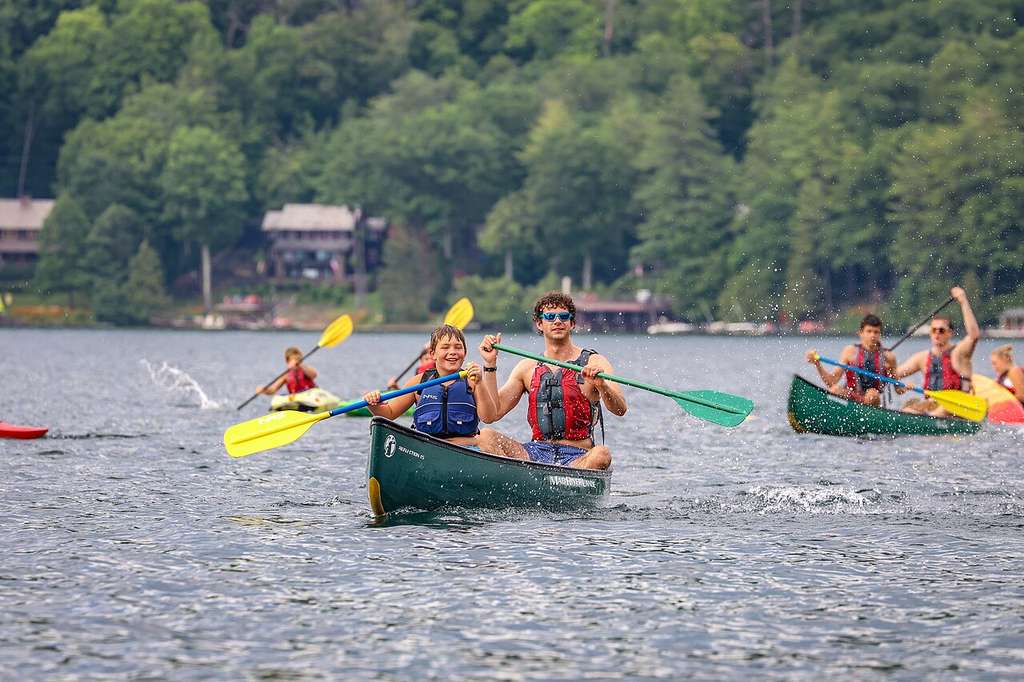
Most beginners expect canoes to feel more stable, since they’re wider. In practice, though, kayaks often feel more planted. The reason is center of gravity. In a kayak, you sit low in the hull, close to the waterline. That position keeps the boat from rocking when you shift your weight. In a canoe, by contrast, you sit higher on a bench. That gives you a better view, but any weight shift has more effect on the boat.
Both recreational kayaks and canoes are stable enough on calm water that tipping is genuinely difficult. The difference shows up more in wind and waves. A kayak’s lower profile and enclosed cockpit handle rough conditions better than an open canoe. An open canoe can take on splashes over its sides in choppier water. So it suits sheltered flatwater best.
Comfort is where canoes get a quiet advantage. Kayak seats are usually padded and adjustable – fine for a two-hour tour. However, sit-inside kayaks lock your legs in a forward position. After several hours, that becomes uncomfortable. Canoes let you stretch, shift, and move around freely. For paddlers with back, knee, or hip issues, that freedom matters. The American Canoe Association recommends wearing a properly fitted PFD regardless of which craft you choose.
Speed, Performance, and Open Water Handling
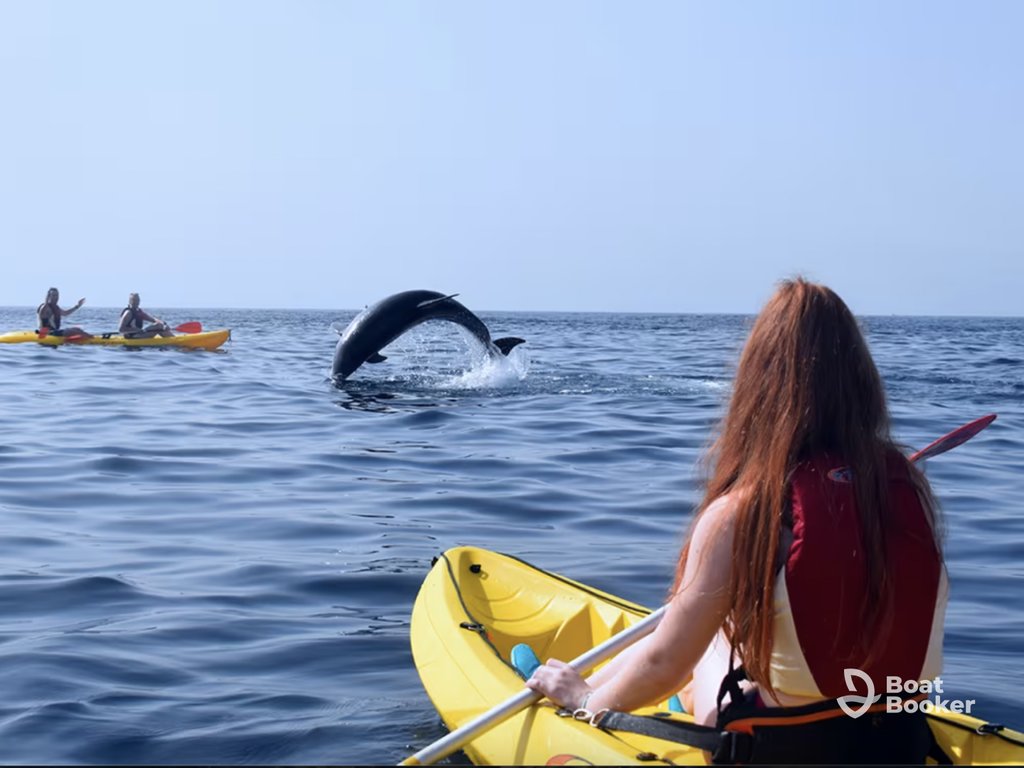
Kayaks are faster, and it’s not a close call. The double-bladed paddle puts twice the propulsive force into each stroke cycle. Kayaks’ narrower hulls also move through water more efficiently. A touring sea kayak cruises at around 4–5 mph. A recreational canoe averages closer to 2–3 mph.
That speed gap matters when you’re covering distance – a coastal paddle, a fitness session, or navigating an estuary before the tide turns. On a flat lake on a calm afternoon, though, it barely matters.
Open water handling tells a similar story. Sea kayaks – long, narrow, and low-profile – track straight and stay controllable in swells. Their enclosed cockpit and optional spray skirt seal out waves. Open canoes, with their depth and high sides, catch wind like a sail. Waves can slap over the gunwales and fill the hull quickly in those conditions.
Canoes do, however, win one performance category clearly: portaging. Carrying a boat between lakes is fundamental to wilderness canoe tripping. A canoe fitted with a portage yoke balances on one person’s shoulders. Kayaks, by contrast, need two people – one at each end – and become awkward on longer carries.
Cargo, Camping, and Family Trips
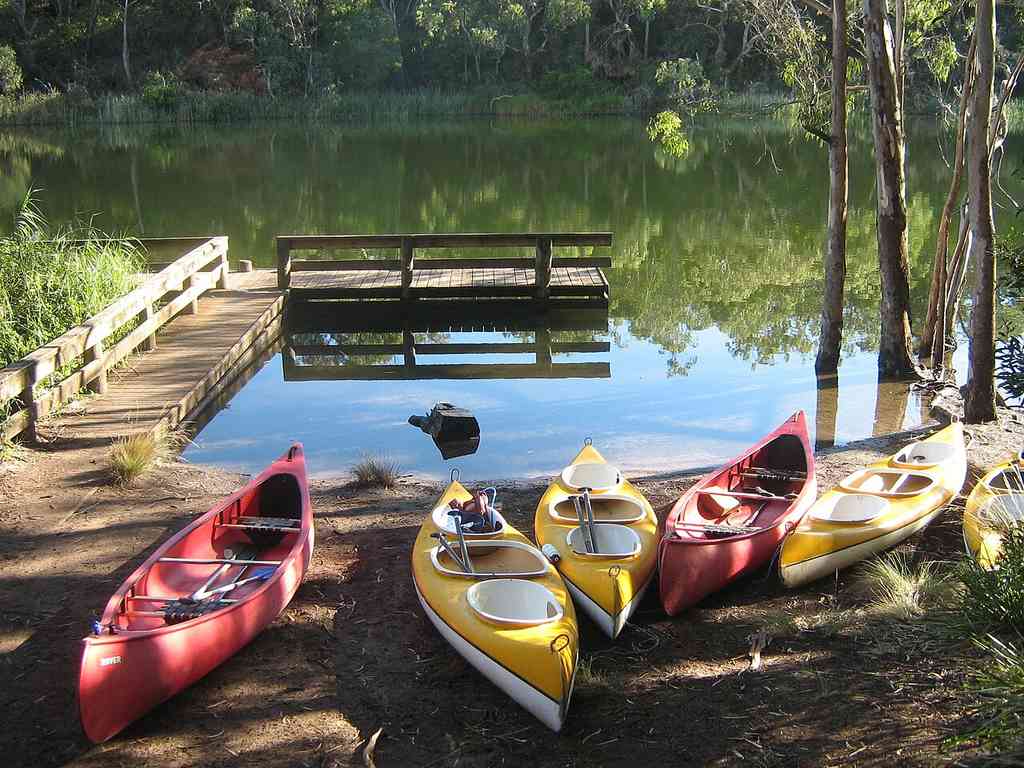
Open a canoe’s gunwales and you have a cargo hold the length of the boat. Dry bags, a cooler, camping gear, a tent, a dog – all of it loads in easily from the sides. Canoe camping in places like Minnesota’s Boundary Waters Canoe Area Wilderness is its own tradition. It’s built around the canoe’s ability to carry everything you need across a chain of portages and lakes.
Kayak camping, however, works differently. Gear packs into sealed hatches at the bow and stern. Everything must compress into dry bags small enough to fit through those openings. This suits a coastal route well – paddle from camp to camp, load and unload once a day. It’s less practical for routes with frequent portages or trips where you need regular access to gear.
For families, canoes are hard to beat. A standard 16-foot tandem carries two adults, a child or two, and a day’s worth of supplies. Getting the same number of people into kayaks means multiple boats. If the goal is getting a mixed-age group onto the water together, a canoe gives everyone more room.
Fishing is one area where kayaks have taken over. Dedicated fishing kayaks come loaded with rod holders, gear tracks, and often pedal drives that keep your hands free to cast. You can also fish from a canoe – especially for tandem fishing or portaging trips into backcountry lakes. For solo anglers who want a stable, purpose-built platform, though, the fishing kayak is now the dominant choice.
Canoeing vs. Kayaking: Which Is Right for You?
Here’s a direct way to decide.
Choose a kayak if you:
- Plan to paddle solo and want the most intuitive path to going straight
- Want to paddle on the ocean, a large lake, or anywhere with wind and chop
- Are booking a guided tour – most guided water tours use kayaks
- Want speed, a fitness workout, or a boat that tracks well in mixed conditions
Choose a canoe if you:
- Are paddling with a group, a family, or bringing a dog and gear
- Are planning a multi-day camping trip that requires carrying significant supplies
- Your route includes portages between lakes
- Have knee, hip, or back issues that make a locked-legs cockpit uncomfortable for long paddles
In short, both crafts are beginner-friendly on calm water. Most guided tours – mangrove paddles, bioluminescent bay trips, coastal eco-tours – use kayaks. Kayaks are maneuverable and easy to manage in groups. For a canoe experience specifically, look for outfitters on river routes or in wilderness areas where canoes are traditional. The International Canoe Federation recognizes both as Olympic paddle sports. That’s part of why each has its own dedicated community worldwide.
Where to Book Canoe and Kayak Tour
Ready to get on the water? These destinations offer some of the best guided kayak and canoe experiences.
- Miami, Florida – Paddle through Biscayne Bay’s mangrove tunnels or discover Virginia Key’s calm waters. Miami’s warm, year-round conditions make it one of the most accessible spots for a first guided kayak tour.
- Key West, Florida – The clear, shallow flats are perfect for beginners. Many tours pair kayaking with snorkeling, so you cover two experiences in a single outing.
- San Juan, Puerto Rico – Condado Lagoon offers an urban paddle with a surprisingly rich ecosystem. Manatees, mangroves, and historic forts are all visible from the water.
- Punta Cana, Dominican Republic – Crystal-clear tropical water and a relaxed pace make this a strong pick for first-timers. Some operators here offer transparent kayaks for an extra visual dimension.
- Bali, Indonesia – From sea cave paddles to river routes through tropical scenery, Bali offers one of the widest varieties of kayaking options in the region.
Have you paddled both a canoe and a kayak, or have you settled into one camp? We’d love to hear what made the difference –cargo space, the speed, the portage factor, or just the way the boat felt underneath you. If your experience doesn’t match something in this guide, share it in the comments. And if something here is out of date or just wrong, let us know.