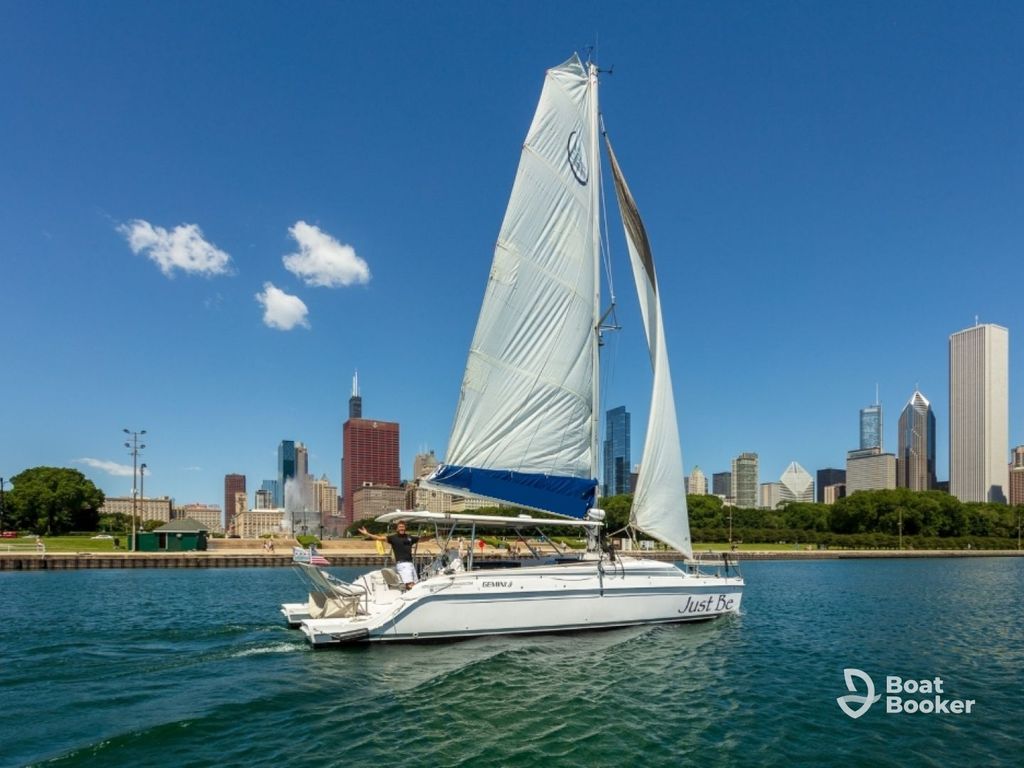

What to Wear on a Boat: The Complete Activity-by-Activity Guide
Whether you’re heading out on a whale watch, dressing up for a yacht party, or gearing up for your first snorkeling trip, figuring out what to wear on a boat can genuinely make or break your time on the water. The wrong outfit leaves you sunburned, cold, overdressed, or sliding across a wet deck – none of which is fun. This guide covers the universal rules, the right shoes, and exactly what to wear for twelve different types of boat experiences, from airboat rides in the Everglades to elegant dinner cruises.
The Universal Rules: What Every Boat Outfit Has in Common
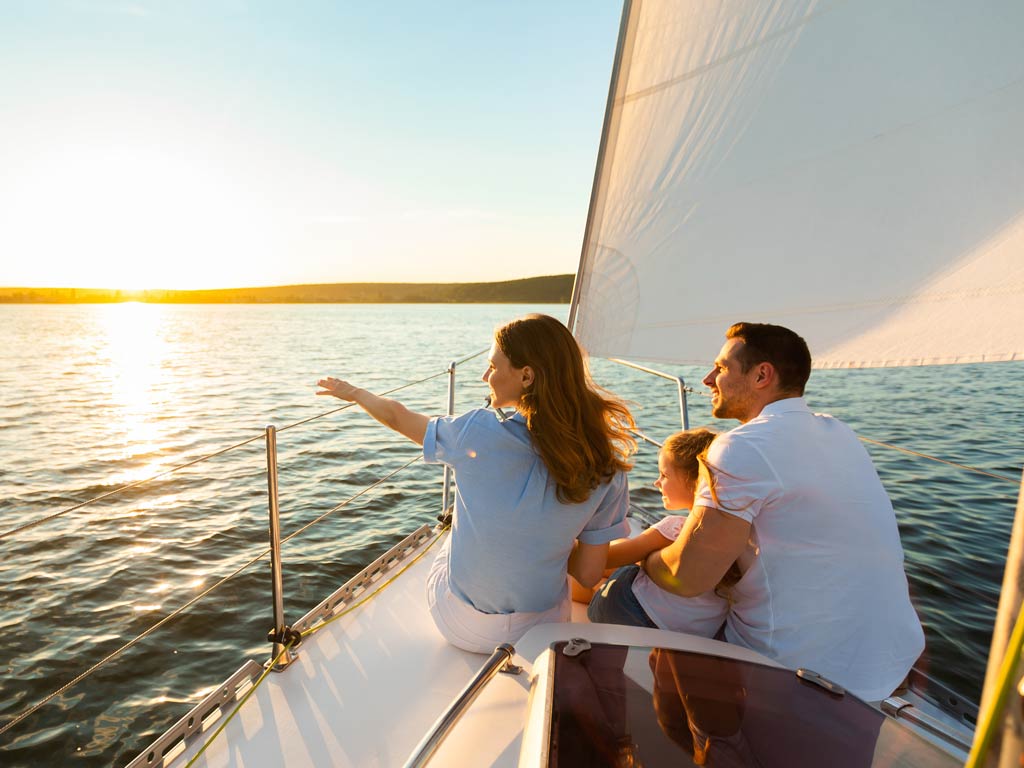
No matter what kind of trip you’re taking, a few principles apply across the board:
- Choose quick-dry fabrics. Cotton feels comfortable on land but becomes a liability on the water – it absorbs moisture, stays wet for hours, and gets genuinely heavy if you fall in. Polyester, nylon, and technical blends dry quickly, move freely, and handle wind and spray without complaint. Linen works well for social occasions where you’re unlikely to get wet.
- Dress in layers. The temperature on the water can be five to ten degrees cooler than on shore, and it drops further once the sun goes down or the boat picks up speed. A light windbreaker or packable fleece costs you nothing to bring and saves you a miserable two-hour shiver on the way back to dock.
- Protect yourself from the sun – seriously. Water reflects UV rays, which means you can burn faster on a boat than you would sitting on a beach. A wide-brimmed hat, UV-blocking sunglasses, and SPF 30+ sunscreen are non-negotiable. A long-sleeved UPF-rated shirt is worth packing if you tend to burn. Whenever possible, use reef-safe sunscreen – active ingredients like non-nano zinc oxide or titanium dioxide are better for the marine environment and work just as well.
- Leave the bulky bags ashore. A slim crossbody or a soft-sided tote is far more practical on a moving boat than a rigid shoulder bag or oversized backpack.
What Shoes to Wear on a Boat
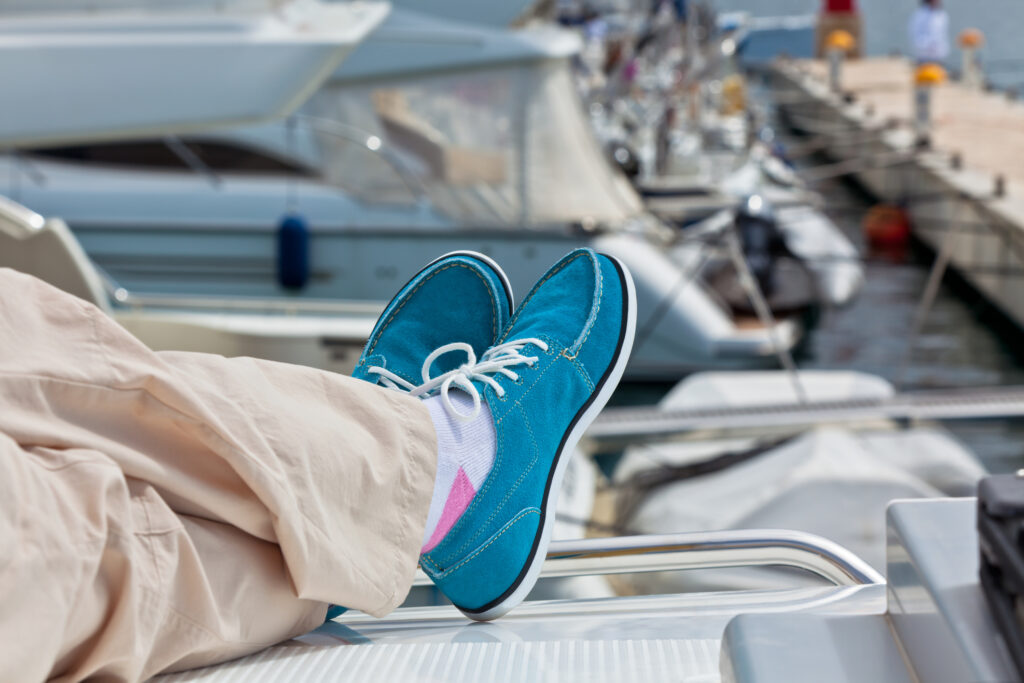
First off, footwear. This is where most people make their biggest mistake, and it’s genuinely a safety issue. A slippery deck – wet from spray or rain – combined with the wrong sole is a fast route to a fall.
The gold standard is a non-slip deck shoe or boat shoe with a rubber sole and a light-colored or white outsole. Light soles are preferred for a practical reason: dark rubber soles can leave black scuff marks on fiberglass decking, and many charter companies will specifically ask you to avoid them. Classic boat shoes from brands like Sperry have been purpose-built for this since the 1930s, but modern water shoes and sport sandals with rubber grip work just as well for casual outings.
What to avoid: heels (a genuine ankle-sprain risk on any moving deck), flip-flops (no support and easy to lose overboard), and chunky fashion sneakers with dark soles (hold water, take forever to dry, and mark up the deck).
For active trips – kayaking, snorkeling, airboat rides – water shoes or closed-toe sport sandals with a strap are the smarter choice. For elegant evening events like dinner cruises, loafers or flat sandals with a rubber sole thread the needle between style and function.
What to Wear for Each Type of Boat Trip
Now, let’s have a look at the best outfit for different types of popular boat tours and trips.
What to Wear to a Yacht Party or Boat Party
The sweet spot for yacht and boat parties is what the charter world calls resort casual or smart casual: polished but relaxed. For daytime events, think polo shirts, tailored shorts, and linen button-downs for men; sundresses, chic rompers, or wide-leg linen pants for women. Classic nautical colors – navy, white, and red – look effortlessly appropriate. For evening events, step it up a notch: a blazer or cocktail dress fits without being overdressed. Keep accessories practical – stud earrings over dangly ones, and a small crossbody or clutch rather than a tote. Skip the stilettos entirely; they’re a deck-puncturing hazard on most vessels, and many yacht operators will ask you to remove them at boarding.
What to Wear on a Dinner Cruise
Dinner cruises span a wide range, so your first move is to check with the operator. Most fall into smart casual to semi-formal territory – a cocktail dress, midi dress, or elegant jumpsuit for women; trousers with a collared shirt or blazer for men. For a buffet-style dinner, you’ll be up and down from your seat, so prioritize ease of movement. For a plated multi-course meal, you can lean a little more polished. One thing almost everyone underestimates: breezes off the water after sunset can make an air-conditioned yacht feel genuinely cold. Pack a wrap, cardigan, or light blazer regardless of the forecast.
What to Wear on a Sunset Cruise
Sunset cruises sit in a comfortable gray zone. You don’t need to be formally dressed, but gym wear or swimwear reads as underdressed. A sundress or maxi dress is a reliable choice for women; linen pants with a loose top or a linen shirt over shorts works well for men. Bring a lightweight layer for when the sun drops below the horizon – temperatures shift noticeably, even in summer. If the cruise includes drinks and appetizers, it’s worth dressing up slightly from a standard beach look.
What to Wear on a Boat Cruise (General Day Trip)
For a relaxed daytime boat cruise – sightseeing, island-hopping, or an afternoon on the water – start with your swimsuit as a base layer, then cover with quick-dry shorts, a t-shirt or tank top, and a light button-down you can pull on when the wind picks up. Bring a towel and a change of clothes if there’s any chance of getting wet. Avoid jeans: they’re uncomfortable when damp, slow to dry, and restrict movement.
What to Wear for Active Water Experiences
For more active types of boat tours, you’ll want to dress down to some degree, to make sure you’re comfortable as well as safe.
What to Wear Whale Watching
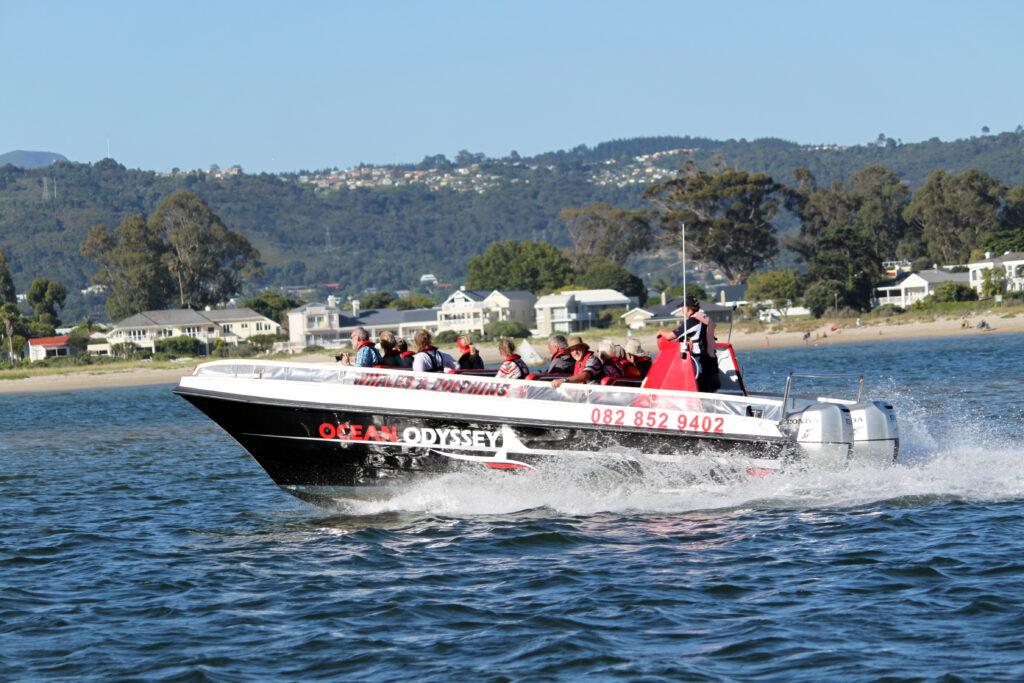
Whale watching trips tend to run in cooler conditions and open-ocean swells, and they often depart early in the morning when temperatures are lower. Layer up more than you think you need to. A moisture-wicking base layer, a mid-layer fleece or sweater, and a water-resistant windbreaker is the standard formula. In popular whale watching destinations like Dana Point, California, or off Maui, where humpbacks pass through from December to May, the deck spray and morning chill can catch first-timers off guard. Opt for windproof pants over shorts, and secure your hat with a chin strap – hats blow off more often than you’d expect. Closed-toe, non-slip footwear is preferable to flip-flops on the wet deck.
What to Wear Sailing
Sailing involves more physical movement than most boat trips – ducking under the boom, stepping over lines, adjusting sails – so your clothes need to work with you, not against you. Quick-dry shorts or pants, a UV-rated long-sleeve shirt, and a packable spray jacket or sailing jacket are the practical core. If you’re sailing in warm, calm conditions, a swimsuit as a base layer makes sense. In cooler or rougher weather, dress for immersion: a wetsuit or at minimum neoprene layers if the water temperature is below 60°F. Deck shoes or water shoes are ideal; flip-flops are a real hazard when lines start moving fast.
What to Wear Snorkeling
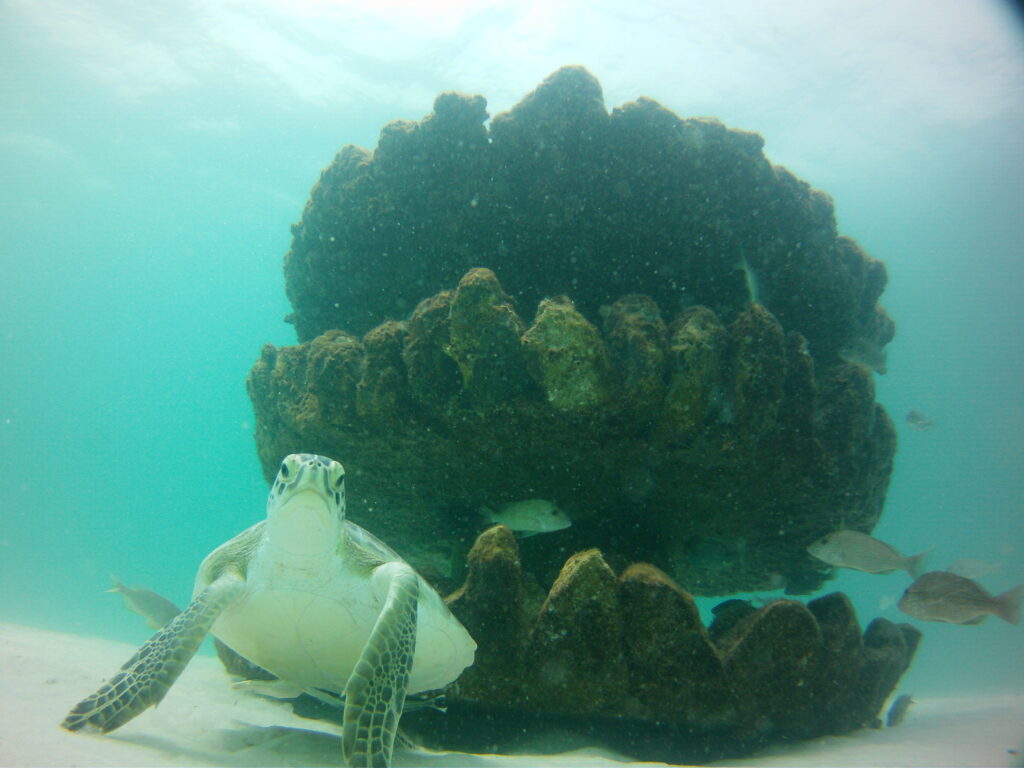
When going snorkeling, keep it simple. A swimsuit and a rash guard or UV shirt will do fine. The rash guard does double duty – sun protection and a light barrier against the friction of snorkeling gear. Avoid loose, baggy board shorts if you can, as they create drag underwater and can catch on fins. Leave jewelry in your bag (it can snag on coral and damage the reef). Most operators provide wetsuits in cooler destinations. If you’re in a reef environment, make sure your sunscreen is reef-safe before you get in the water.
What to Wear Parasailing
You’ll be in a harness over the water when parasailing, so comfort and security matter more than style. A swimsuit with a quick-dry cover-up is the standard approach – you’ll likely get your feet wet launching or landing, and you may get lightly sprayed in the air. A snug-fitting top is worth choosing over anything loose that might pull uncomfortably in the harness. Most operators provide the required life jacket. Secure footwear or bare feet (check with your operator) are both fine; sandals with straps or water shoes work best if you want to keep something on your feet.
What to Wear Kayaking

The most important rule in kayaking attire: dress for the water temperature, not the air temperature. If the water is cold and you capsize, what you’re wearing could matter a great deal. A traditional paddling guideline sometimes cited is the “Rule of 120” – if the combined air and water temperature exceeds 120°F, some paddlers skip immersion wear. But many safety instructors now consider this misleading: if the water is 45°F and the air is 80°F, that adds up to 125°F and technically clears the threshold, but capsizing in 45°F water is a genuine emergency. The safer approach: dress for the water temperature alone, not the sum. If water is below 60°F, a wetsuit or drysuit is worth serious consideration regardless of how warm the air feels.
Avoid cotton in any layer – it absorbs water, stays cold and heavy, and makes swimming more difficult. Water shoes or sturdy sandals with straps are ideal. A PFD (personal flotation device) is required and should be worn at all times on the water.
What to Wear on an Airboat Ride
Last but not least: airboat rides – popular in places like the Florida Everglades – are loud, fast, and occasionally wet. Casual athletic wear is the practical choice: lightweight shorts or pants (athleisure-style, not denim), a t-shirt or lightweight long-sleeve for sun protection, and closed-toe shoes. Sneakers, water-friendly sandals, or hiking shoes work better than flip-flops because you may step onto muddy or uneven ground during the tour. Ear protection is usually provided, but it’s worth confirming when you book. A baseball cap secured tightly, sunglasses, and sunscreen round out the essentials.
So there you have it, we’ve come to the end of our article about what to wear on different types of boat tours. If you’re planning a boat trip and want to compare experiences by type, boat, or group size, BoatBooker.com is a good place to browse what’s available — you can filter by activity, departure location, and price to find something that fits your wishes.