
California Boating License: Who Needs One, What It Costs, and How to Get It
Planning a day on the water in California? Whether you’re eyeing Lake Tahoe, cruising San Diego Bay, or riding a jet ski off the coast, there’s one thing you need to sort out first: the California Boater Card. It’s the state’s version of a boating license. As of January 1, 2025, every person who operates a motorized vessel in California must carry one – no exceptions based on age.
The good news? It’s easier and cheaper to get than most people expect. The card is valid for life, costs just $10 from the state, and you can finish the whole process online in a single afternoon. This guide covers who actually needs the card, who’s exempt, how to get one step by step, what it costs, and what happens if you don’t have one. We’ll also clear up the difference between renting a boat and booking a captained charter – because in one of those scenarios, you don’t need a card at all.
Do You Need a Boating License in California?
Technically, California doesn’t issue a “boating license.” What it requires is a California Boater Card – a lifetime education certificate that proves you’ve completed an approved boating safety course. In practice, it works the same way a license does. You need it on you whenever you’re operating a motorized vessel on California waters.
The requirement rolled out in phases starting in 2018, beginning with younger operators. As of January 1, 2025, the phase-in is complete. Every operator of a motorized vessel – regardless of age – must have a valid California Boater Card. That includes motorboats, personal watercraft (jet skis), sailboats with auxiliary motors, and pontoon boats with engines.
One important detail if you recently moved to California: the state does not accept reciprocity from other states. Even if you hold a valid boater card from Florida, Texas, or anywhere else, you’ll need to complete a California-approved course and get the California Boater Card. Out-of-state visitors get a temporary pass, which we’ll cover in the exemptions section below.
Who Is Exempt from the California Boater Card?
While the card is required for most operators, there are several exemptions spelled out in California’s Division of Boating and Waterways (DBW) rules. You don’t need a California Boater Card if you fall into any of these categories:
- Rental vessel operators – If you rent a boat from a licensed rental company and they provide a safety briefing before you head out, you’re exempt for that rental period.
- Supervised minors – Operators under 18 can drive a motorized vessel if an adult (18+) who holds a valid Boater Card is present and supervising.
- Out-of-state visitors – If you hold a valid boating safety certificate from your home state, you’re covered for up to 60 days while visiting California.
- International visitors – Visitors from outside the U.S. are exempt for up to 90 days.
- U.S. Coast Guard license holders – Anyone with an active USCG operator’s license is exempt.
- Commercial fishing license holders – If you hold a valid California commercial fishing license and are operating in that capacity, the card isn’t required.
- Organized regatta or race participants – Operators in sanctioned racing events are exempt during those events.
- POST-certified law enforcement officers – Peace officers certified by the Commission on Peace Officer Standards and Training are exempt while acting in their official capacity.
If none of these apply to you and you plan to drive a motorized boat on California water, you need the card.
How Old Do You Have to Be?
California has specific age rules that determine what you can operate and under what conditions:
- 16 and older – You can independently operate a motorized vessel with 15 or more horsepower, provided you have your California Boater Card.
- 12 to 15 – You can operate a motorized vessel, but only under the direct supervision of an adult (18+) who holds a valid Boater Card.
- Under 12 – There’s no outright ban on operating low-powered vessels, but the Boater Card is still required for motorized operation, and practical supervision rules apply.
There’s also a separate safety rule worth knowing: children under 13 must wear a U.S. Coast Guard–approved life jacket at all times while the vessel is underway. This applies regardless of vessel type or size. It’s not just a good idea – it’s California law.
How to Get Your California Boater Card
The process is straightforward, and most people finish it in a single sitting. Here’s how it works:
- Choose a NASBLA/DBW-approved course. You can take the course online or in a classroom. The National Association of State Boating Law Administrators (NASBLA) approves courses that meet national standards, and California’s DBW maintains a list of accepted providers. Popular options include the BoatUS Foundation’s free online course and several commercial providers that charge $20–$45.
- Complete the course material. Online courses are self-paced and typically take 3–8 hours depending on the provider and how quickly you work through the modules. Classroom courses usually run one full day.
- Pass the final exam. You’ll need to score at least 80% on the final exam. If you don’t pass on the first try, most providers allow retakes.
- Pay the $10 state card fee. This is a one-time fee paid through the official California Boater Card application portal. It covers the cost of your physical card.
- Receive your card. You’ll get a digital temporary certificate right after passing the exam – this is valid to use right away. Your physical card arrives by mail within 1–2 weeks.
What Does the Course Cover?
The course covers a mix of general boating safety and California-specific rules. Expect to learn about:
- Navigation rules and right-of-way
- Required safety equipment (fire extinguishers, flares, sound signals, PFDs)
- BUI (boating under the influence) laws – California’s limit is 0.08% BAC for adults and 0.01% for anyone under 21
- Emergency procedures, including man-overboard drills
- Environmental responsibility and California-specific protections
- California-specific rules like the open-container ban on motorized vessels and Lake Tahoe’s TRPA emission rules
About 25% of the test questions focus on California-specific material. Don’t assume a general boating safety knowledge base will carry you through without reading the state-specific sections.
How Much Does a California Boating License Cost?
The California Boater Card is one of the most affordable boating credentials in the country. Here’s the cost breakdown:
- State card fee: $10 (one-time, lifetime – you never pay this again)
- Course fee: $0 to ~$45, depending on the provider
- Replacement card fee: $5 if you lose your card and need a new one
Total cost: $10–$55. The BoatUS Foundation offers a free course approved by California’s DBW. If you go that route, you’re looking at just $10 total. Commercial providers charge more but sometimes include extras like practice exams or faster customer support.
Compared to many other states, this is a bargain. The Florida boating license process, for example, involves similar course costs, but Florida’s card must be renewed. California’s card is valid for life – no renewals, no continuing education, no expiration date. Get it once and you’re done.
What Happens If You Don’t Have One?
Law enforcement officers can ask for your California Boater Card during routine safety checks on the water. If you can’t produce one, the fines go up with each offense:
- First offense: Up to $100 fine
- Second offense: Up to $250 fine
- Third offense: Up to $500 fine
Beyond the fine, you’ll typically need to complete a boating safety course and show proof to the court. It’s not a criminal charge, but it’s a hassle – and at $100+ per ticket, it costs more than just getting the card in the first place ($10–$55).
The broader point is safety. U.S. Coast Guard accident data consistently show that states with mandatory boating education see fewer accidents and deaths on the water. The card isn’t just paperwork – the course genuinely teaches things that keep you and your passengers safer.
What About Renting a Boat or Booking a Charter in California?
This is where things get practical for people who are new to boating or visiting California for a vacation. The rules depend on whether you’re operating the vessel yourself or someone else is.
Renting a Boat (You’re the Operator)
If you rent from a licensed rental company and they provide the required safety briefing before departure, you’re generally exempt from the Boater Card requirement for that rental. This is one of the explicit exemptions under California law. That said, some rental operators may still prefer or require you to have the card – it varies by company.
Booking a Captained Charter (Someone Else Operates)
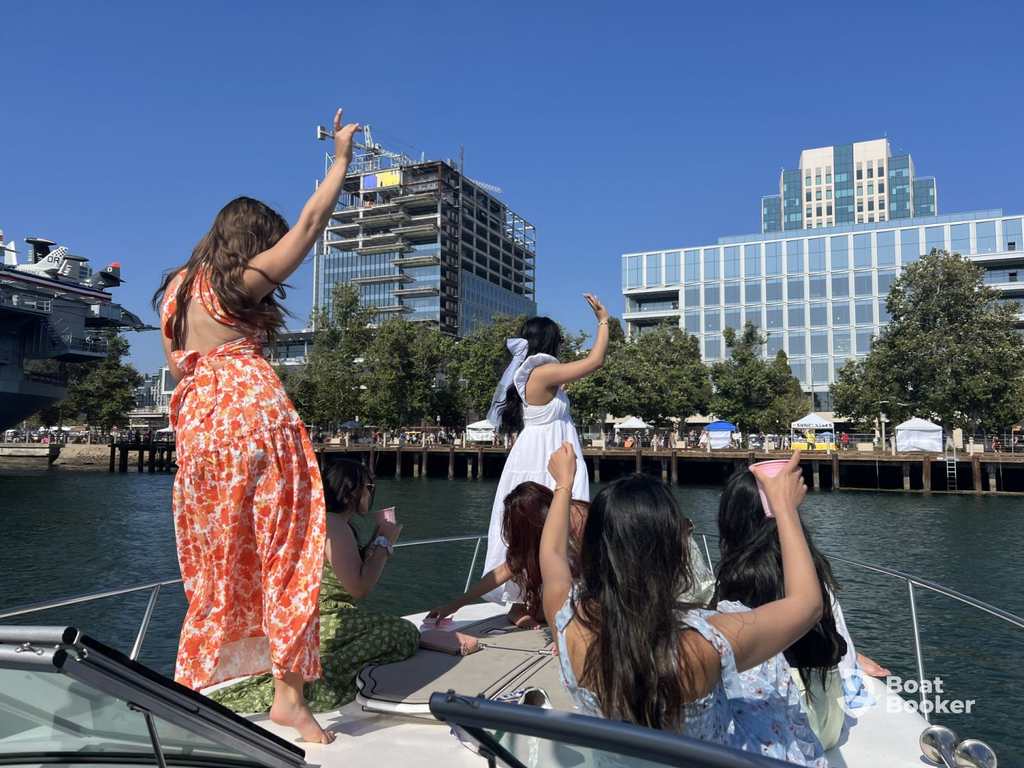
If you book a charter that comes with a captain, you don’t need a Boater Card at all. The captain holds the credentials and handles all vessel operation. You’re a passenger. This is the simplest path to getting on the water in California without worrying about certification.
If you’d rather skip the paperwork and just enjoy the ride, a captained charter is the way to go. You can book a boat tour in California through BoatBooker and let a licensed captain handle everything while you focus on the scenery – whether that’s one of the best boating lakes in California or the Pacific coastline.
Frequently Asked Questions about California Boating License
Have you gone through the California Boater Card process yourself? Was it quicker or more tedious than you expected? If you’ve got tips for first-timers – or if any of the details above have changed since this was published – drop a note in the comments. We’re always happy to keep this guide up to date.