
Best Boating Lakes in California: 10 Lakes Worth the Drive
California is home to over 3,000 lakes and reservoirs, and more than 700,000 recreational boats are registered in the state. Whether you’re chasing glassy alpine water in the Sierra Nevada or warm desert lakes that stay boatable year-round, the best boating lakes in California cover a range that few other states can match. From houseboating on massive NorCal reservoirs to paddling quiet SoCal lagoons, there’s a lake here for every kind of day on the water.
This list covers 10 of the state’s standout boating lakes with the practical details you actually need to plan a trip. That means water temperatures, seasonal windows, permits, and what kind of boats work best at each spot. If you’re looking for even more options across the country, check out our guide to the best boating lakes in the US. For now, though, here are the California lakes worth the drive.
Lake Tahoe
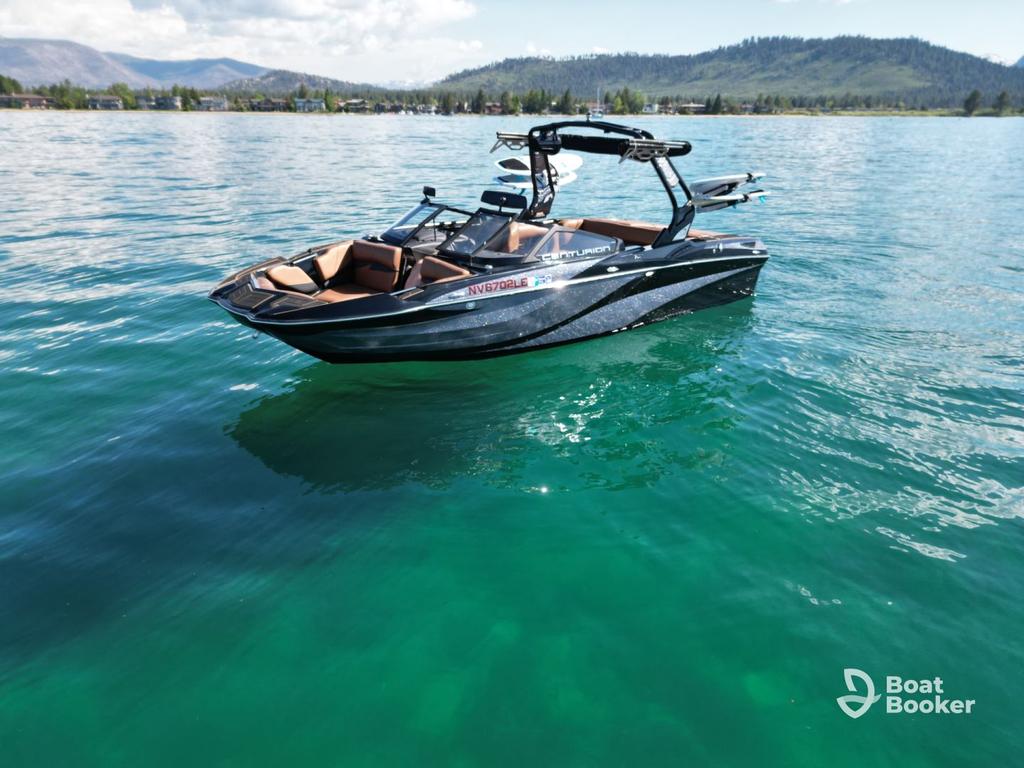
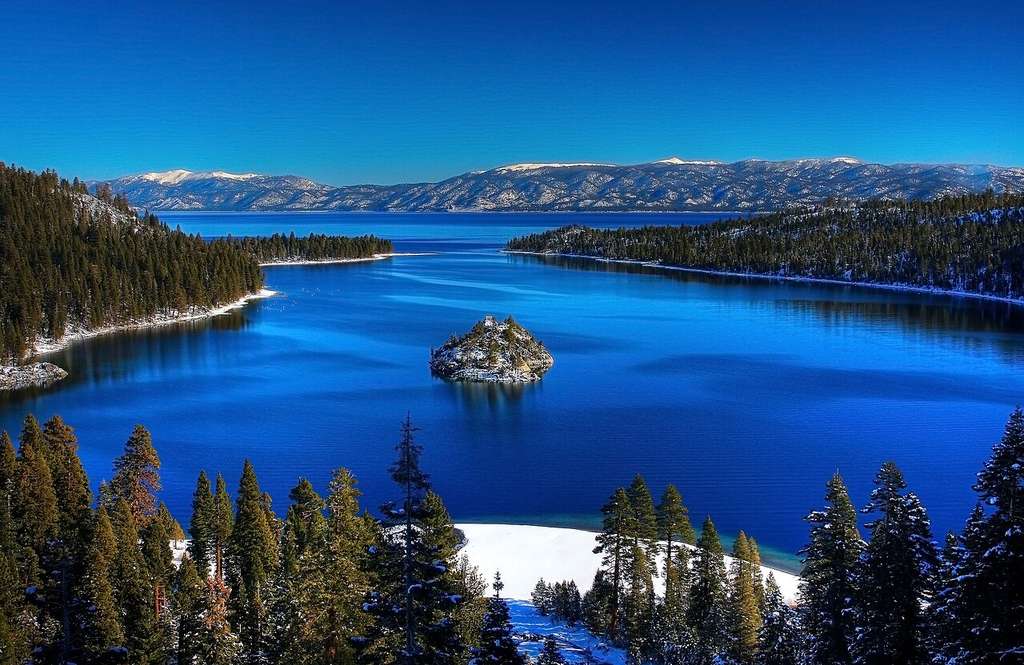
Lake Tahoe is the crown jewel of Northern California boating – and it’s hard to argue otherwise. Straddling the California–Nevada border at 6,225 feet, this alpine lake spans 191 square miles, stretches 22 miles long and 12 miles wide, and plunges to a maximum depth of 1,649 feet. Water clarity is legendary, with visibility regularly exceeding 70 feet. Boating season runs roughly from late May through mid-October, though some marinas open earlier in warm years.
On the water, Tahoe offers everything from mellow pontoon cruises along Emerald Bay to waterskiing, sailing, and guided sunset tours. Kayaking and paddleboarding are popular in the calm morning hours, especially around Sand Harbor and D.L. Bliss State Park. Keep in mind that Tahoe enforces a 600-foot no-wake zone from shore, which keeps things safer for swimmers and paddlers but means powerboats need to head toward the center for open throttle.
Off the water, the lakeside towns of Tahoe City, South Lake Tahoe, and Incline Village offer dining, shopping, and easy access to hiking trails. Donner Lake is a quick 20-minute drive from the north shore if you want a quieter, smaller-lake experience. Tahoe works for couples, families, and groups alike – just book marinas and rentals early, because summer weekends fill up fast.
Shasta Lake
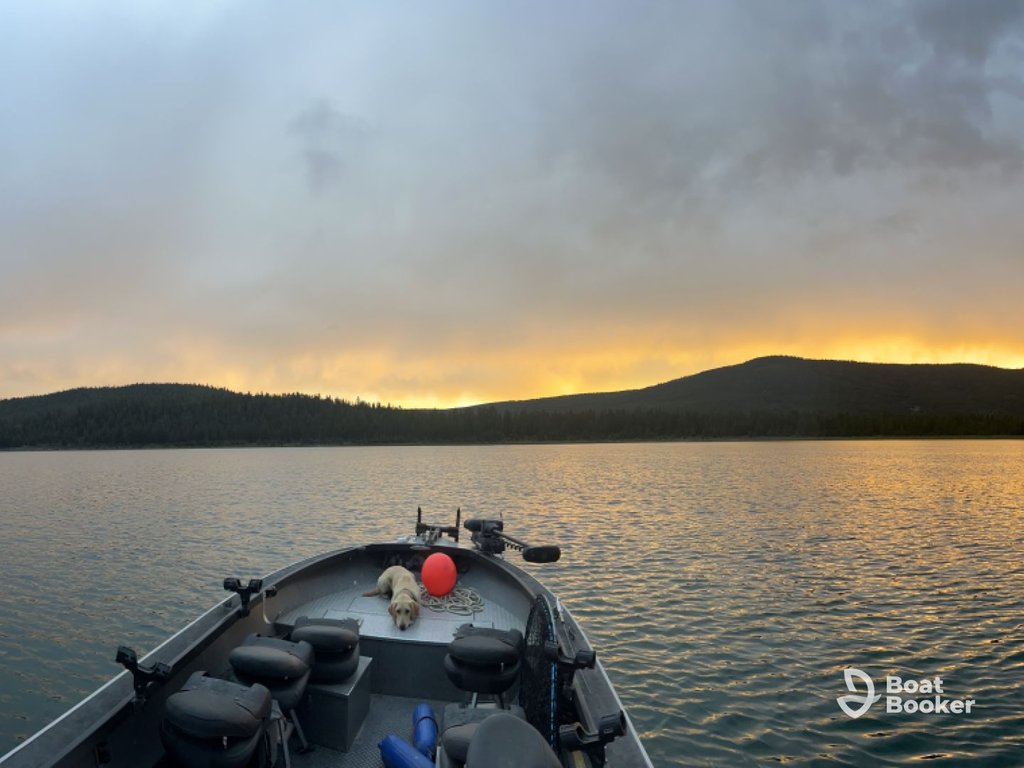
Shasta Lake is California’s largest reservoir – 30,000 acres of water tucked into the southern Cascades about three hours north of Sacramento. It’s widely considered the houseboat capital of the West, with over 20 houseboat rental operators and 370 miles of shoreline riddled with coves, inlets, and hidden swimming holes. The lake fills from snowmelt fed by the Sacramento, McCloud, and Pit rivers, and its water levels fluctuate more than most. Plan for a late spring or early summer visit for the best conditions.
Fishing is a major draw here, with over 20 species in the lake including bass, trout, catfish, and sturgeon. Wakeboarding, tubing, and waterskiing are all fair game on the open arms of the reservoir. If you’re looking for a multi-day trip, houseboating lets you anchor in a private cove and wake up surrounded by forested hills.
When you’re ready for dry land, the Lake Shasta Caverns tour is a unique side trip – you cross the lake by boat before exploring the limestone caves. The surrounding Shasta-Trinity National Forest also offers hiking, mountain biking, and camping. The town of Redding, about 15 minutes south, has restaurants and supplies if you need to restock mid-trip.
Big Bear Lake
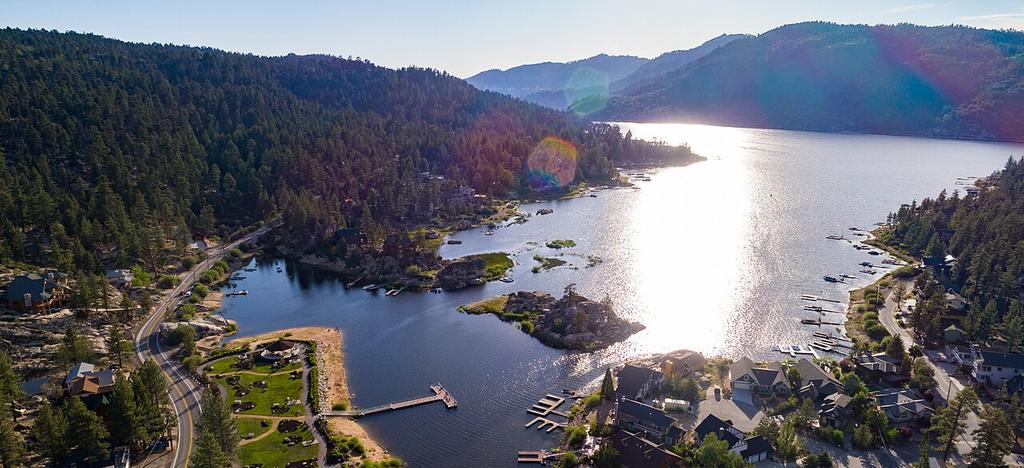
Big Bear Lake is Southern California’s most popular mountain lake, sitting at 6,750 feet in the San Bernardino Mountains. It’s roughly a two-hour drive from Los Angeles, which makes it the go-to escape for SoCal boaters who want pine trees and cool air without a long haul. The lake itself is modest in size – about three miles long – but its calm water and scenic setting make it ideal for a relaxed day of boating.
Pontoon rentals are the most common way to get on Big Bear Lake, and fishing is productive here too, with rainbow trout and largemouth bass as the main catches. Kayaking and paddleboarding work well in the mornings before the afternoon wind picks up. One important detail: Big Bear Lake requires a lake use permit for all watercraft, including rentals. Marinas typically handle this for you, but it’s worth confirming before you launch.
Big Bear Village, on the south shore, has a walkable strip of shops, restaurants, and outfitters. The lake stays busy in summer but also attracts visitors year-round – fall color is underrated here, and winter brings skiing at nearby Snow Summit and Bear Mountain. If you’re visiting with family, the Alpine Slide at Magic Mountain and the Big Bear Alpine Zoo are easy half-day additions.
Clear Lake
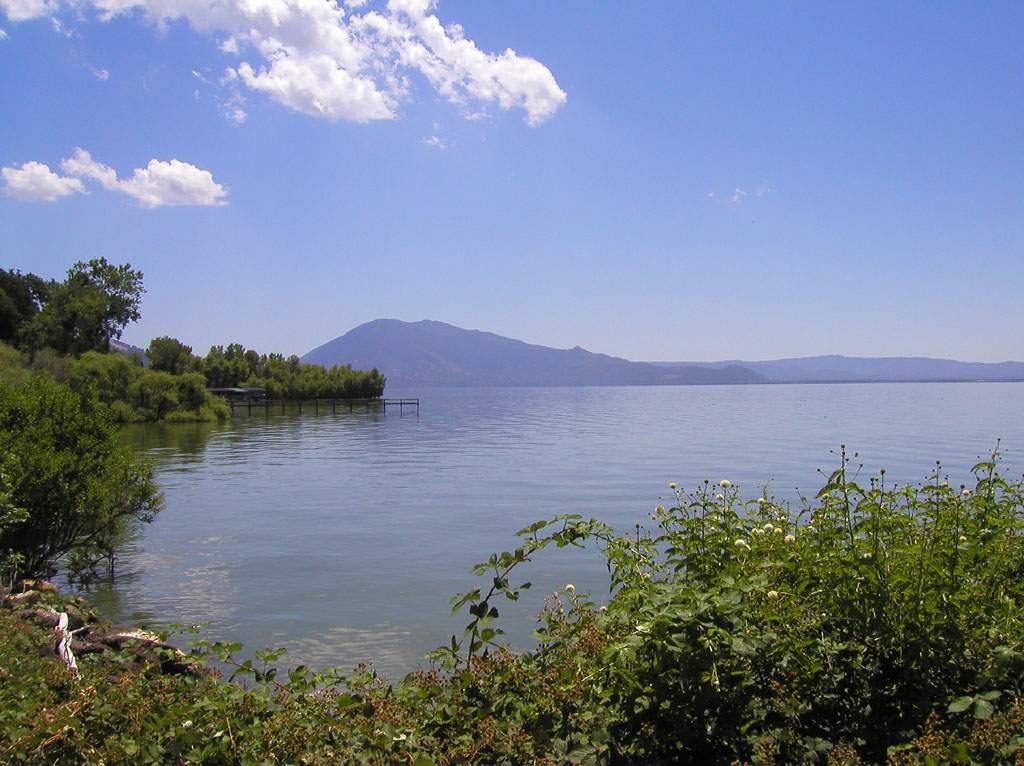
Clear Lake, in Lake County about 90 miles north of San Francisco, is the largest natural freshwater lake entirely within California. It covers roughly 68 square miles and stays warm enough for swimming and water sports from May through October. Because the lake is shallow – averaging about 27 feet deep – it heats up faster than most NorCal lakes and supports a huge population of largemouth bass.
Bass fishing is the main event here. Clear Lake has been called the “Bass Capital of the West,” and it regularly hosts professional bass tournaments. Sailing is another strong option, thanks to reliable afternoon winds. The lake also has over 50 kilometers of designated water trails for kayaking and canoeing, connecting parks, wildlife refuges, and small-town docks. Several free public boat ramps make launching easy and keep costs down.
The surrounding Lake County wine region is a pleasant surprise – less crowded and more affordable than Napa or Sonoma, with tasting rooms just minutes from the shore. The towns of Lakeport and Clearlake offer casual dining and supplies. Overall, Clear Lake has a laid-back, uncrowded vibe that’s a sharp contrast to the bigger-name California lakes, and that’s a big part of its appeal.
Lake Berryessa
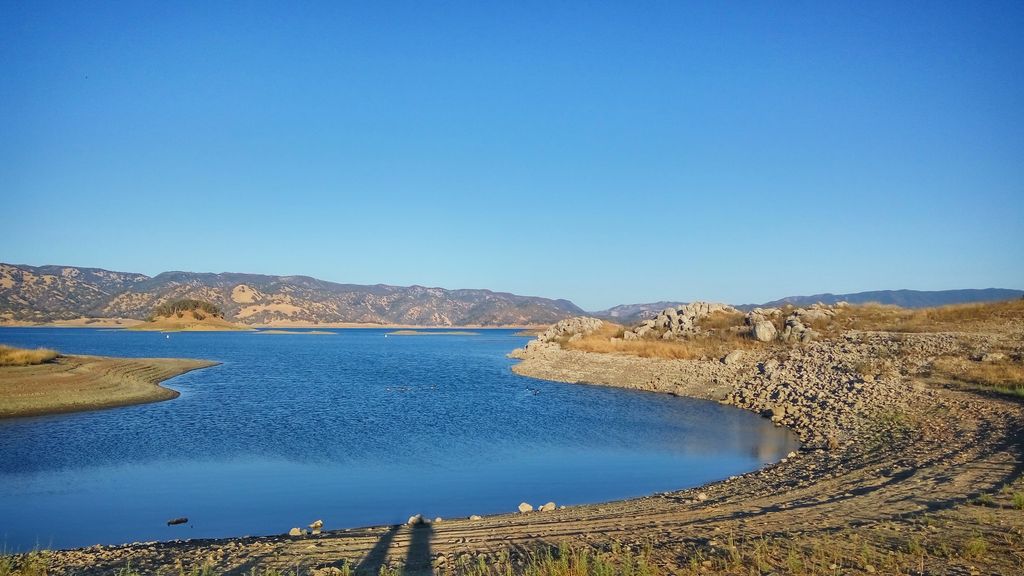
Lake Berryessa is Napa County’s other attraction – a 20,000-acre reservoir surrounded by oak-studded hills, about two hours from San Francisco. It’s a NorCal boating destination that flies under the radar compared to Tahoe or Shasta, which means more elbow room on the water, especially on weekdays.
Houseboating is a highlight here, with several marinas offering multi-day rentals. Fishing is productive for bass, trout, and catfish. The lake’s many coves and sandy beaches also make it great for anchoring and swimming, and the relatively warm water – reaching the mid-70s by July – is comfortable for tubing and waterskiing. Pleasure Cove Marina and Markley Cove are the main launch and rental points.
The most unusual attraction is the Morning Glory Spillway – a 72-foot-wide concrete funnel that drains overflow water straight down into the dam’s infrastructure. It’s a genuinely strange sight when the lake is full. On land, the Berryessa Highlands area has a few restaurants and a general store, but this is more of a bring-your-own-supplies kind of lake. Napa Valley wine country is only 30 minutes west, so you can easily combine a day on the water with a tasting room visit.
Bass Lake
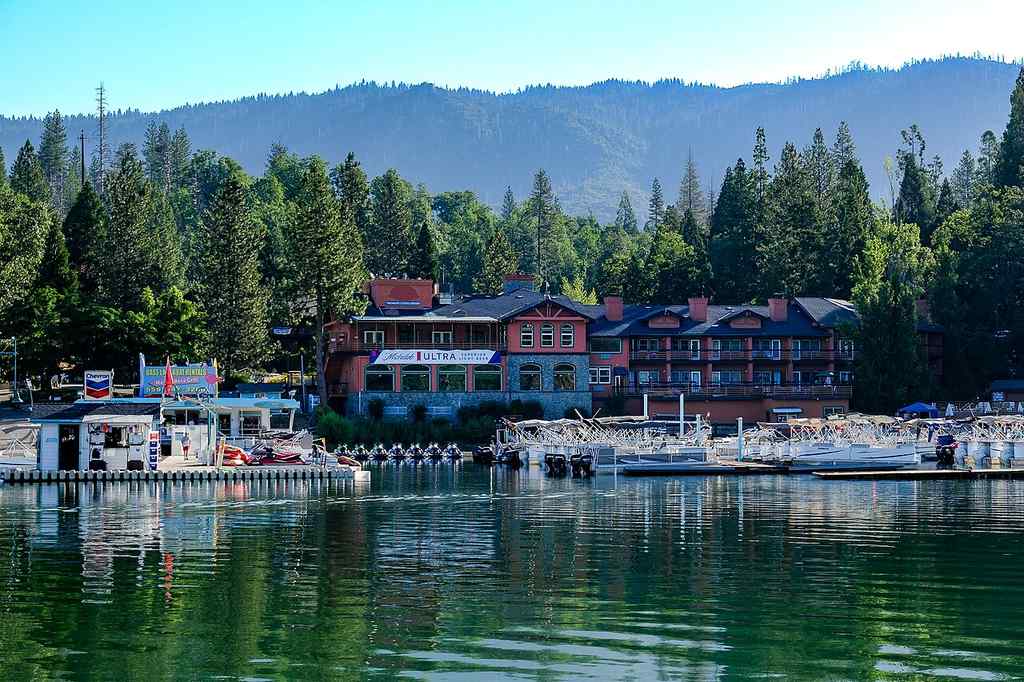
Bass Lake sits in the Sierra Nevada foothills at about 3,400 feet, roughly 14 miles south of the entrance to Yosemite National Park. That proximity to Yosemite makes it a natural add-on for anyone already planning a trip to the park, and the lake itself is a standout destination on its own.
The relatively low elevation means Bass Lake warms up faster than most Sierra lakes. Water temperatures reach the upper 70s and even touch 80 °F in midsummer, which makes it one of the best Northern California lakes for waterskiing, wakeboarding, jet skiing, and open-water swimming. The lake is about five miles long with a good mix of open water and sheltered arms. Boating season typically runs from May through September.
The Forks Resort on the south shore has been operating since the 1920s and rents boats, cabins, and general supplies. Ducey’s Bar and Grill, at The Pines Resort, is the fancier dining option with lakefront seating. Beyond the shoreline, you’re surrounded by Sierra National Forest trails and within easy striking distance of Yosemite Valley. It’s one of the rare California lakes where you can waterski in the morning and see Half Dome by afternoon.
Folsom Lake
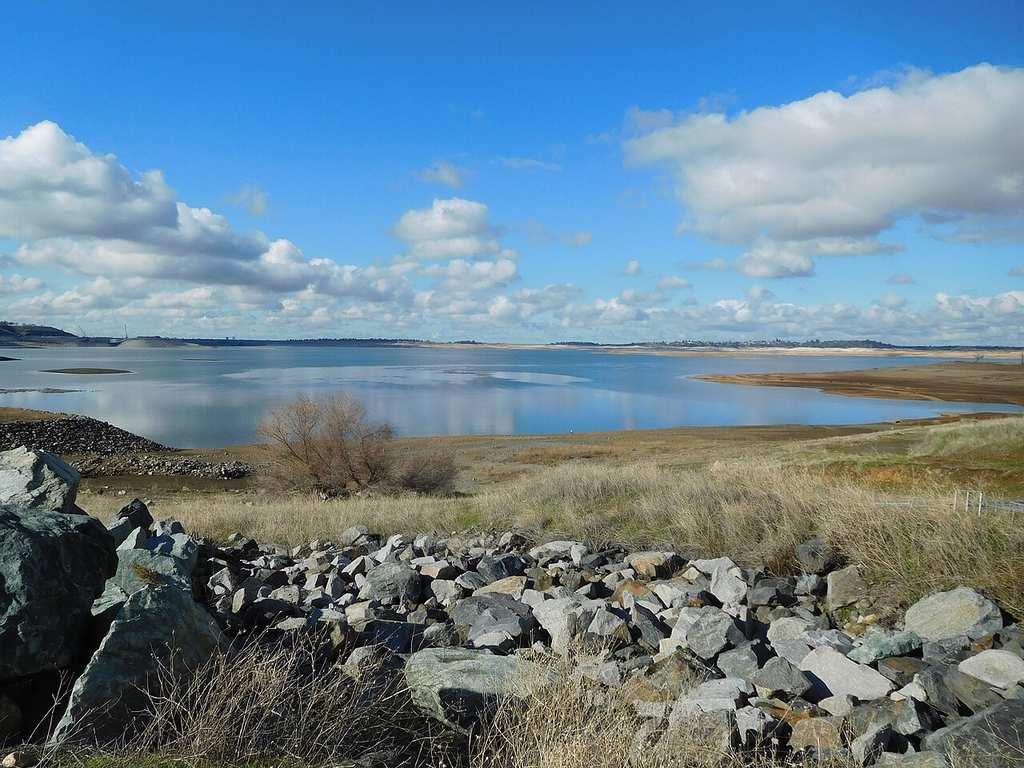
Folsom Lake is the most accessible boating lake in Northern California – just 30 minutes east of downtown Sacramento, sitting in the Sierra Nevada foothills at the confluence of the North and South Forks of the American River. With over 11,000 surface acres at full pool and 75 miles of shoreline, it’s spacious enough to absorb weekend crowds without feeling cramped.
The lake has multiple paved boat ramps spread across different arms. That means you can pick a launch point based on the kind of day you want – waterskiing and wakeboarding on the main body, calmer paddling in the narrower forks, or fishing along the rocky shoreline for bass, trout, and catfish. Water temperatures climb into the mid-70s by midsummer, making it comfortable for swimming and tubing. Folsom operates year-round, though water levels drop noticeably by late summer in drought years.
The Folsom Lake State Recreation Area wraps around most of the shoreline with hiking and biking trails, including a section of the American River Bike Trail. The nearby town of Folsom has a historic district with restaurants, breweries, and shops. Sacramento’s Gold Country – Auburn, Placerville, Coloma – is right up the highway if you want to extend the trip.
Castaic Lake
Castaic Lake is the largest reservoir in Southern California, located just off Interstate 5 about 40 miles north of downtown Los Angeles. Its split design gives it unusual versatility: the upper lake is open to powerboats, waterskiing, and jet skiing, while the lower lagoon is restricted to non-motorized craft – kayaks, canoes, paddleboards, and small sailboats.
That lagoon is a genuine asset for families. It’s calm, shallow near the edges, and free from powerboat wakes, making it one of the safest places to introduce kids to paddling in SoCal. The upper lake, meanwhile, has enough open water for serious water sports and trolling. Fishing is solid here too – largemouth bass, smallmouth bass, rainbow trout, bluegill, and crappie all show up in good numbers. You can also find boat tours on Castaic Lake if you’d rather have someone else handle the boat.
Castaic operates year-round, and its low elevation keeps water temperatures mild even in late fall. There’s a swim beach at the lagoon, plus several picnic areas with shade structures. The lake doesn’t have the dramatic scenery of a Sierra lake, but what it does have is convenience – you can be on the water 45 minutes after leaving LA. On a Saturday morning, that’s hard to beat.
Lake Havasu
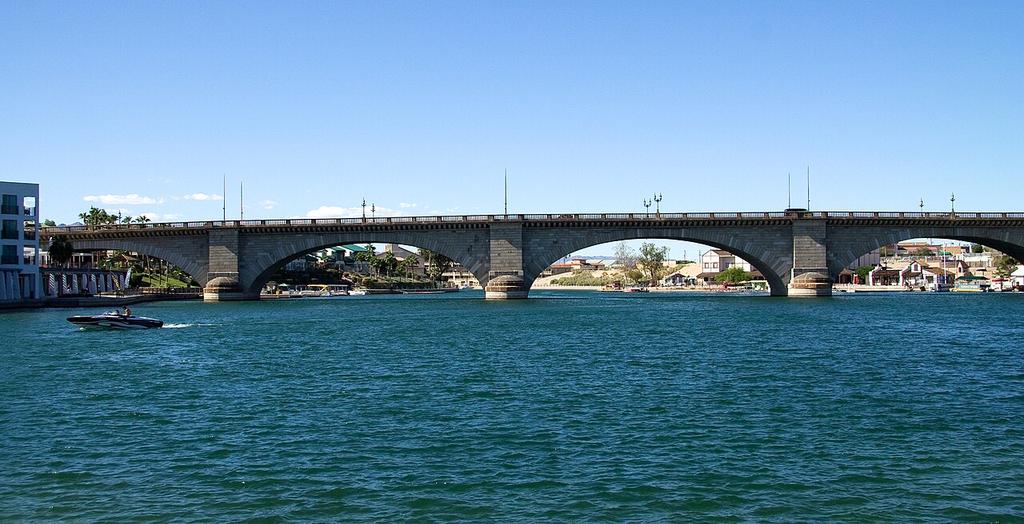
Lake Havasu straddles the California–Arizona border on the Colorado River, and while the Arizona side gets most of the attention, the California shore has its own access points and a distinct desert-boating atmosphere. The lake stretches about 45 miles long with warm, blue-green water that stays boatable essentially year-round. Water temperatures hover in the 60s even in January and climb past 80 °F in summer.
Pontoon cruising, jet skiing, and wakeboarding are the main activities. The sandbar scene – where boaters anchor together in shallow water to swim and socialize – is a major part of Havasu culture, especially on holiday weekends. The relocated London Bridge, reassembled in Lake Havasu City on the Arizona side, is a quirky landmark worth motoring past. Several marinas on the California side offer public ramps and boat rentals.
Lake Havasu is a snowbird destination in winter, which means the population – and the boat traffic – swells from November through March with visitors escaping colder climates. Summer brings intense desert heat (regularly above 110 °F), but that’s precisely when being on the water feels best. The California side is less developed than the Arizona side, which is either a drawback or a feature depending on what you’re after.
Lake Oroville
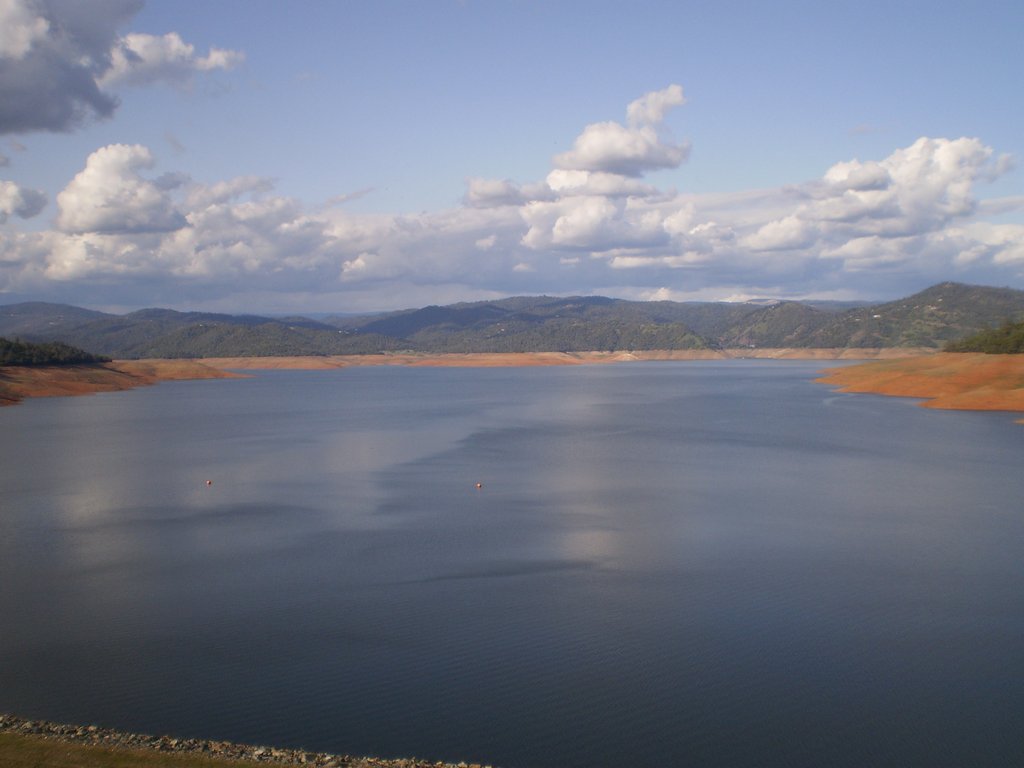
Lake Oroville is a 15,000-acre reservoir in the Sierra Nevada foothills, about 75 miles north of Sacramento near the city of Chico. It’s backed by the tallest dam in the United States – Oroville Dam, at 770 feet – and the dramatic Bidwell Canyon setting gives it a more rugged, remote feel than its relatively accessible location would suggest.
Bass fishing is the headline here. Spotted bass, largemouth bass, and smallmouth bass all thrive in the lake’s rocky coves and submerged structure. Houseboating is available through Bidwell Canyon Marina, and the lake’s numerous arms and inlets make multi-day boat camping both feasible and rewarding. Waterskiing and wakeboarding work well on the main body, especially in the morning before the wind builds.
The Lake Oroville State Recreation Area has swimming beaches, campgrounds, and hiking trails. The Lake Oroville Visitor Center, perched above the dam, offers views of the lake along with displays on the dam’s construction and the region’s Gold Rush history. Chico, a lively college town 25 minutes northwest, has a strong restaurant and brewery scene if you want an evening out after a day on the water.
Plan Your California Lake Trip
California’s lake variety is genuinely hard to match – alpine, desert, foothill, and valley lakes all within a single state. Before you head out, though, there are a few statewide rules worth knowing. The California Boater Card is now required for all motorized vessel operators, with no age exemption. The online course and card together cost about $65, depending on the course you choose. The card doesn’t expire.
You’ll also need to make sure your vessel is clean, drained, and dry before launching at most California lakes. Mussel inspections for invasive quagga and zebra mussels are mandatory at many reservoirs, and some lakes (including Pyramid and Silverwood) have had alerts in recent seasons. Check with your specific lake’s marina or the California Division of Boating and Waterways for current inspection requirements. And finally, don’t forget to review our boating safety tips before you launch.
Have you spent time on any of these California lakes? We’d love to hear which ones are your favorites – and if there’s a lake you think should have made this list, drop it in the comments. If any of the details here are outdated or off, let us know and we’ll get them corrected.