
Boating Safety Tips: 10+ Rules for a Safe Day on the Water
Getting out on the water is one of the best ways to spend a day – whether you’re chartering a sailboat for a family vacation, renting a pontoon boat for a lake afternoon, or booking a sunset cruise with friends. But before you cast off, a few boating safety tips can make the difference between a great story and a scary one. In 2024, the U.S. Coast Guard recorded 3,887 recreational boating incidents involving 556 deaths, 2,170 injuries, and roughly $88 million in property damage. Those numbers sound alarming – and they should get your attention.
Here’s the good news: 2024 also marked the fewest boating fatalities in more than 50 years. That downward trend isn’t an accident. It’s the result of better education, better equipment, and more people taking safety seriously. The vast majority of boating incidents are preventable, and you don’t need a captain’s license to understand the basics. Whether you’re stepping onto a chartered yacht or paddling a rented kayak, the ten rules below will help you and your crew come home safe.
1. Always Wear a Life Jacket
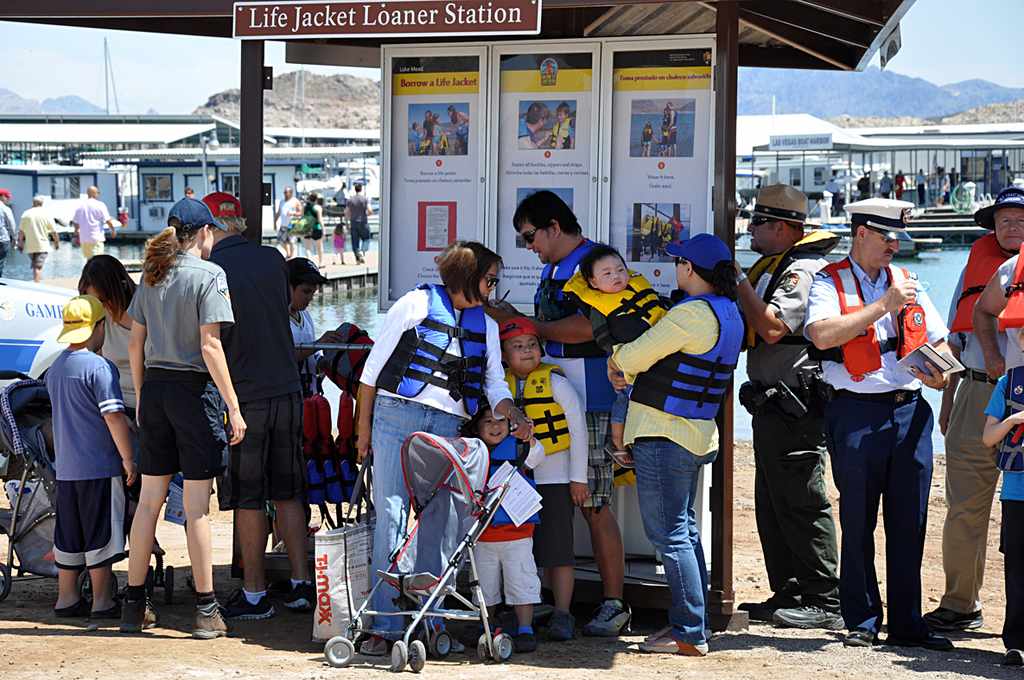
This is the single most important rule on this list, and the statistics back it up. According to U.S. Coast Guard data, 87% of drowning deaths in 2024 involved victims who were not wearing a life jacket. That number has hovered above 80% for years. Wearing a properly fitted life jacket is the easiest, most effective thing you can do to protect yourself on the water.
A life jacket only works if it fits correctly. It should feel snug but not restrictive, and you shouldn’t be able to pull it up over your chin or ears. Make sure it’s U.S. Coast Guard–approved – look for the approval stamp on the label. For children, sizing is based on weight, not age, so check the label carefully.
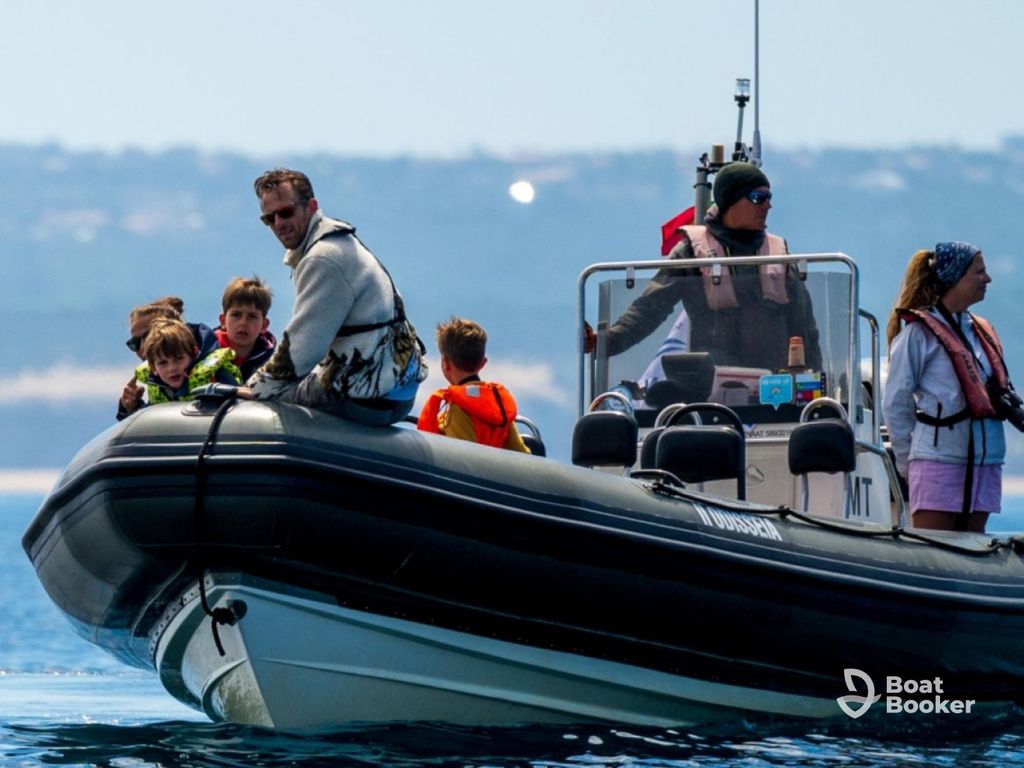
When you book a captained charter, your captain should have USCG-approved life jackets on board for every passenger. But it’s still your job to actually put one on – especially for kids. If you’re renting a boat without a captain, confirm that the rental includes enough jackets for your group and inspect them before you leave the dock.
2. Check the Weather Before You Go
Conditions on the water can change fast. A sunny morning can turn into a thunderstorm by early afternoon, and wind that feels like a pleasant breeze on shore can mean whitecaps once you’re a mile out. Check the forecast before you leave, and keep checking throughout the day.
NOAA’s marine weather forecasts are the gold standard for on-water conditions. They provide wind speed, wave height, and storm warnings specific to your waterway. Bookmark your area’s forecast page, or use a weather app that pulls marine data – Windy and the NOAA Weather app are both solid options.
Pay special attention to lightning forecasts. If there’s any chance of electrical storms, postpone your trip. Being on open water during lightning is one of the most dangerous situations you can put yourself in.
A good rule of thumb: if the forecast calls for sustained winds above 15–20 knots and you’re not an experienced boater, consider rescheduling. Your captain on a chartered trip will make this call for you – one more reason a captained boat is a smart choice for beginners.
3. Take a Boating Safety Course
If you plan to operate a boat yourself – even a rental – a boating safety course is worth your time. As of 2026, 45 states plus the District of Columbia and Puerto Rico have phased in mandatory boating safety education for all operators regardless of age. Even if your state doesn’t require it, the knowledge of local boating safety tips and rules pays off.
Courses from organizations like the National Safe Boating Council and U.S. Coast Guard Auxiliary cover navigation rules, emergency procedures, and basic boat handling. Most are available online and take just a few hours. Some insurance companies also offer discounts for boaters who complete an accredited course.
That said, if you’re booking a captained charter, your captain has already logged hundreds or thousands of hours on the water. They handle navigation, docking, safety briefings, and local hazards. For a first-time boater, this is one of the biggest advantages of booking through BoatBooker – you get to enjoy the experience while a professional handles the technical side.
4. File a Float Plan
A float plan is simply a note that tells someone on shore where you’re going, who’s on board, and when you expect to return. If something goes wrong and you don’t come back on time, it gives rescuers a head start on finding you.
Your float plan should include the number of passengers, your planned route or destination, your expected departure and return times, a description of the boat, and emergency contact numbers. You don’t need a fancy form – a text message to a family member works. Many marinas will also hold a float plan for you if you ask.
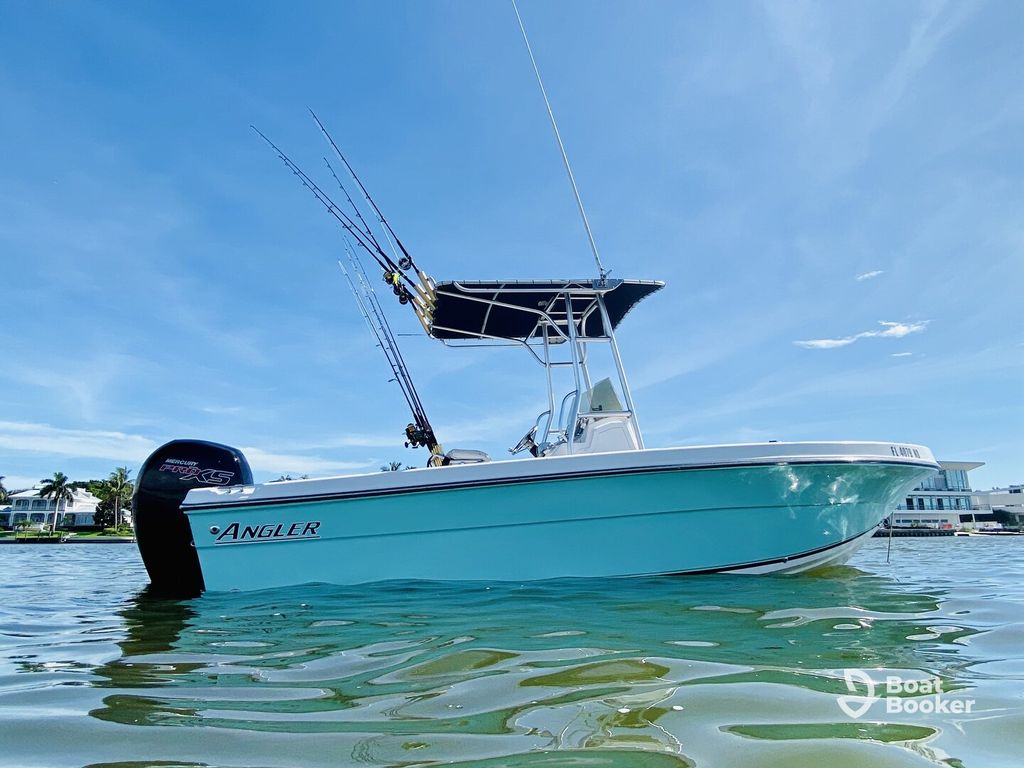
On a captained charter, your operator typically handles this through the marina or charter company. But if you’re renting a boat on your own, take two minutes to send that text before you leave the dock. It’s one of those things that feels unnecessary until the one time it isn’t.
5. Avoid Alcohol on the Water
Alcohol remains the leading known contributing factor in recreational boating deaths in the United States. In 2024, it accounted for 92 deaths – 20% of all fatalities.
The reasons go beyond impaired judgment. Sun, wind, wave motion, and engine vibration all accelerate the effects of alcohol – one beer on a boat on a hot day hits harder than the same beer on your couch. Boating Under the Influence (BUI) carries penalties that parallel DUI in most states, including fines, license suspension, and jail time. The legal blood alcohol limit for boat operators is 0.08% at the federal level, and some states set it lower.
If your group wants to enjoy drinks, book a captained charter so nobody in your party needs to operate the boat. Even then, pace yourselves. Dehydration and alcohol are a bad combination under a midday sun.
6. Know the Navigation Rules
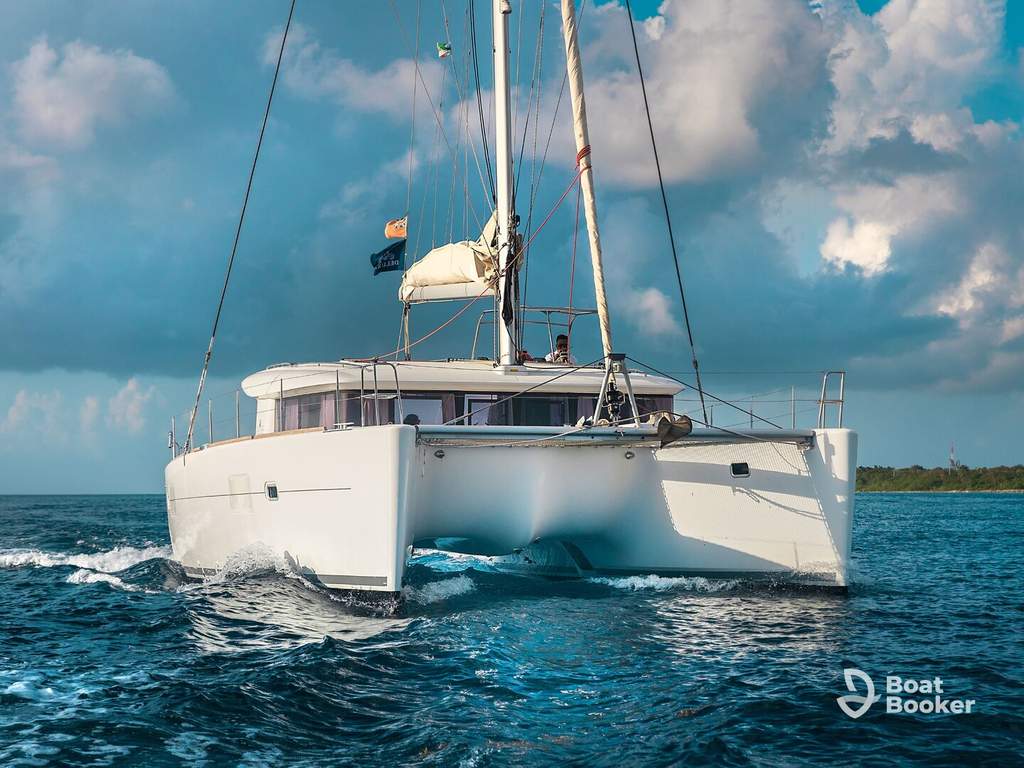
You don’t need to memorize the full International Regulations for Preventing Collisions at Sea. But understanding a few basics will keep you out of trouble, especially if you’re renting a boat and driving it yourself.
Right-of-Way Basics
The most important concept is right-of-way. When two power boats approach each other head-on, both should turn to starboard (right). When crossing paths, the boat on the right has the right of way – the other boat should slow down or turn. Sailboats generally have right-of-way over powerboats, and all recreational boats must yield to commercial vessels and ships in narrow channels.
Buoys and No-Wake Zones
Learn the phrase “red right returning.” It means that when you’re heading back to port from open water, red buoys should be on your right side. This keeps you in the safe channel. Pay close attention to no-wake zones near marinas, swimming areas, and shorelines – these exist for a reason, and violating them can result in fines. If navigation rules feel overwhelming, that’s another strong argument for a captained trip where the skipper handles it all.
7. Carry Required Safety Equipment
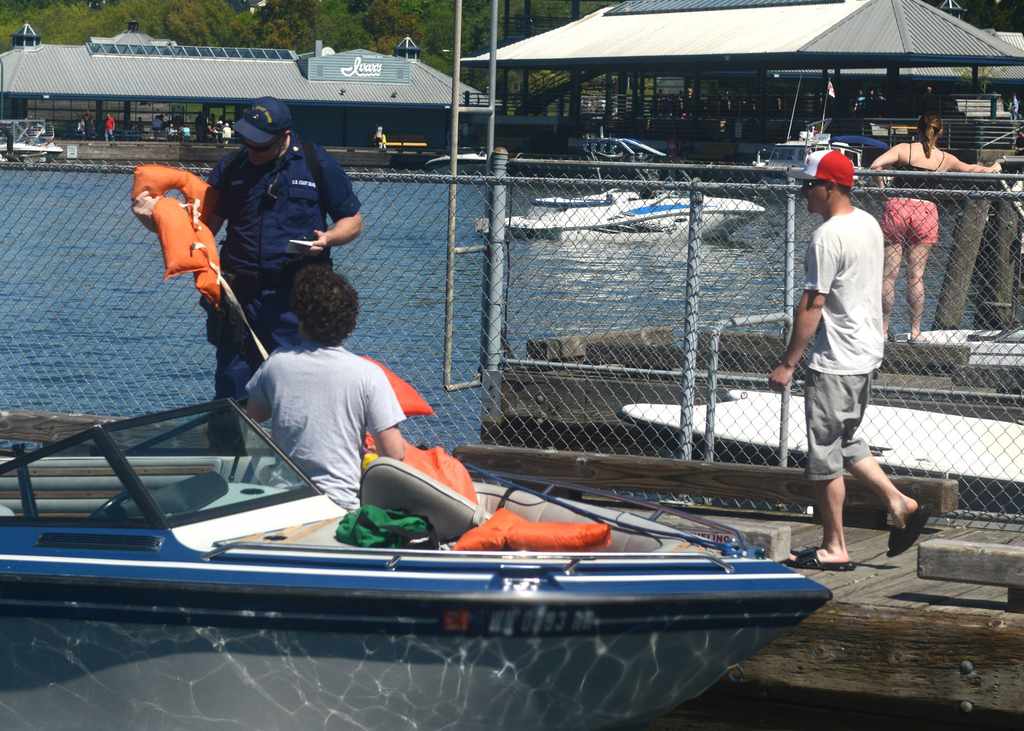
Federal law requires certain safety equipment on board depending on your boat’s size. At a minimum, every recreational boat needs:
- USCG-approved life jackets for every person on board
- A sound-producing device (a horn or whistle)
- Visual distress signals (flares or an orange flag for daytime; flares or an electric light for nighttime)
- A fire extinguisher
- Navigation lights if you’ll be out after sunset
The Engine Cut-Off Switch
One requirement that many boaters miss: federal law now mandates the use of an engine cut-off switch (ECOS) on boats 26 feet and under with an engine capable of 115 pounds or more of thrust. The ECOS is a lanyard or wireless device that shuts down the engine if the operator is thrown from the helm. It’s a simple device that prevents a surprisingly common and dangerous scenario – an unmanned boat circling at speed.
When you rent a boat, ask the rental company to walk you through the safety equipment before you leave. On a captained charter through BoatBooker, the captain conducts a safety briefing that covers where everything is stored and how to use it. Listen to that briefing – even if you’re eager to get going.
8. Don’t Overload the Boat
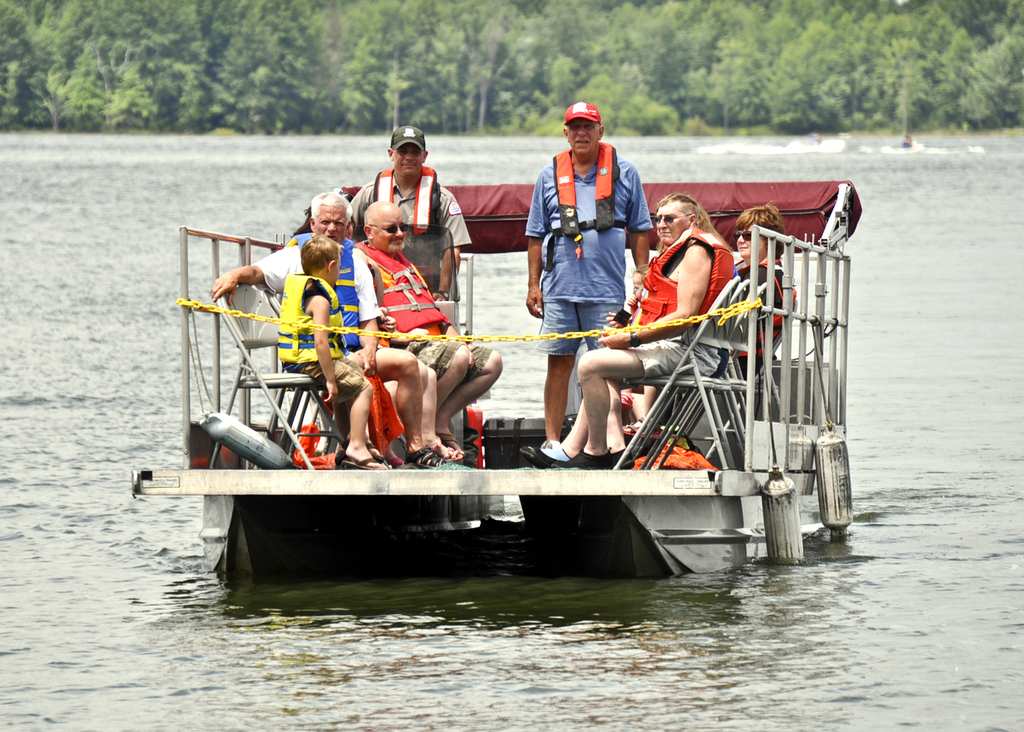
Every boat has a capacity plate, usually mounted near the helm (steering area) or transom (edge at the back), that lists the maximum number of passengers and maximum weight. Exceeding these limits reduces stability, lowers the boat in the water, and makes it harder to maneuver – all of which increase the risk of capsizing, especially in rough conditions.
Beyond the total count, weight distribution matters. Don’t let everyone crowd onto one side of the boat or pile heavy gear in the bow. Spread weight evenly and keep heavy items low. This is especially important on smaller boats like pontoons and center consoles, where a shift in passenger weight can noticeably affect handling.
If you’re booking a group trip and you’re close to the boat’s capacity limit, consider sizing up. It’s better to have a little extra room than to spend the day with a boat that feels sluggish and unstable.
9. Assign a Second Operator
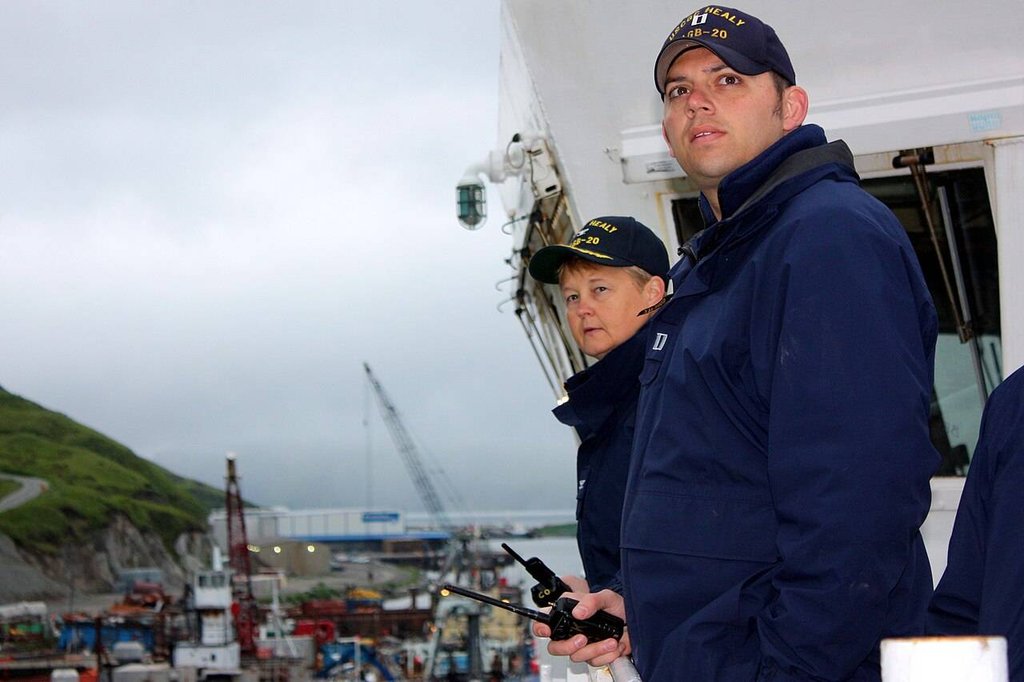
What happens if the person driving the boat gets hurt, feels ill, or falls overboard? If nobody else on board knows how to operate the boat, you have a serious problem.
Before you leave the dock, make sure at least one other person is familiar with the basics: how to start and stop the engine, how to steer, how to use the radio, and how to call for help. This doesn’t require formal training – a five-minute walkthrough covers the essentials.
On a captained charter, this concern is smaller since you’re a passenger. Even so, knowing where the radio is and how to call the Coast Guard on Channel 16 is worth the 30 seconds it takes to learn.
10. Protect Against Sun and Heat
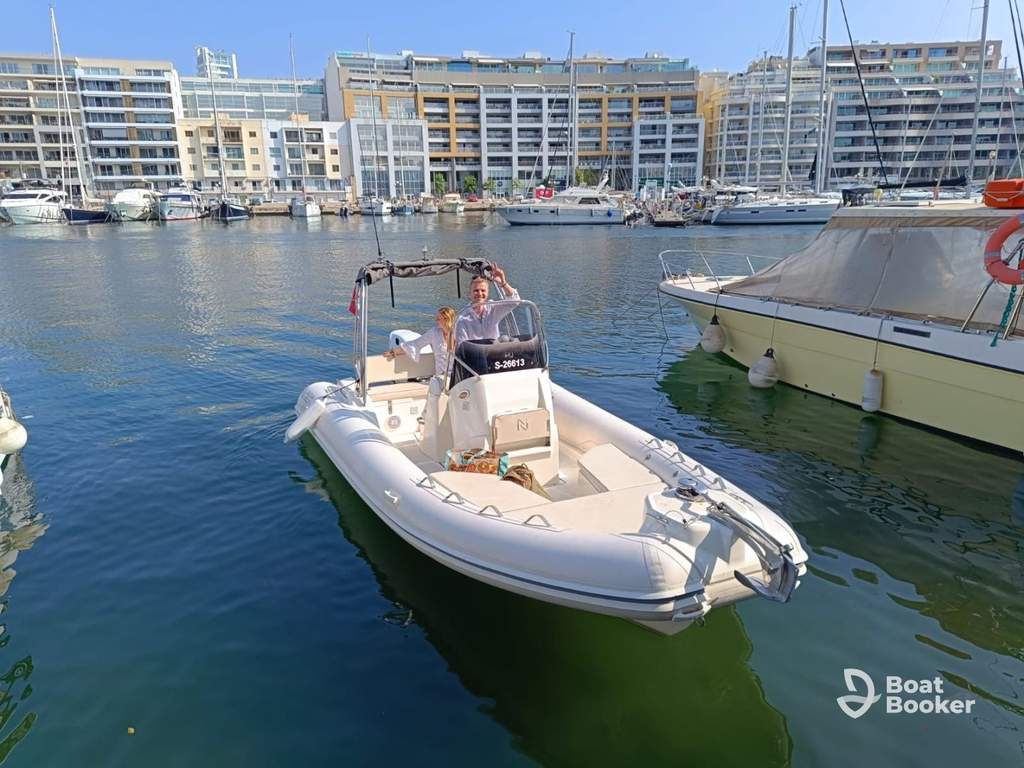
This one isn’t dramatic, but it sidelines more boaters than almost anything else on this list. Water reflects UV rays, amplifying sun exposure. A full day on the water without protection can leave you with serious sunburn, dehydration, or heat exhaustion.
Apply broad-spectrum sunscreen (SPF 30 or higher) before you board, and reapply every two hours – more often if you’re swimming. Wear a hat and polarized sunglasses. Bring more water than you think you’ll need; on a hot day, each person should be drinking at least a liter every couple of hours.
Recognizing Heat Exhaustion
Watch for signs of heat exhaustion: heavy sweating, cold or clammy skin, nausea, dizziness, or a fast weak pulse. If someone shows these symptoms, get them into shade, give them water, and cool them down with wet cloths. If symptoms don’t improve quickly, head back to shore and seek medical help.
Carbon Monoxide Risk
One often-overlooked hazard is carbon monoxide. Exhaust fumes from engines can accumulate near the stern (back), swim platform, or in enclosed cabin areas. Never sit, swim, or hang near the exhaust outlet while the engine is running.
Bonus Tips for Families Boating with Kids
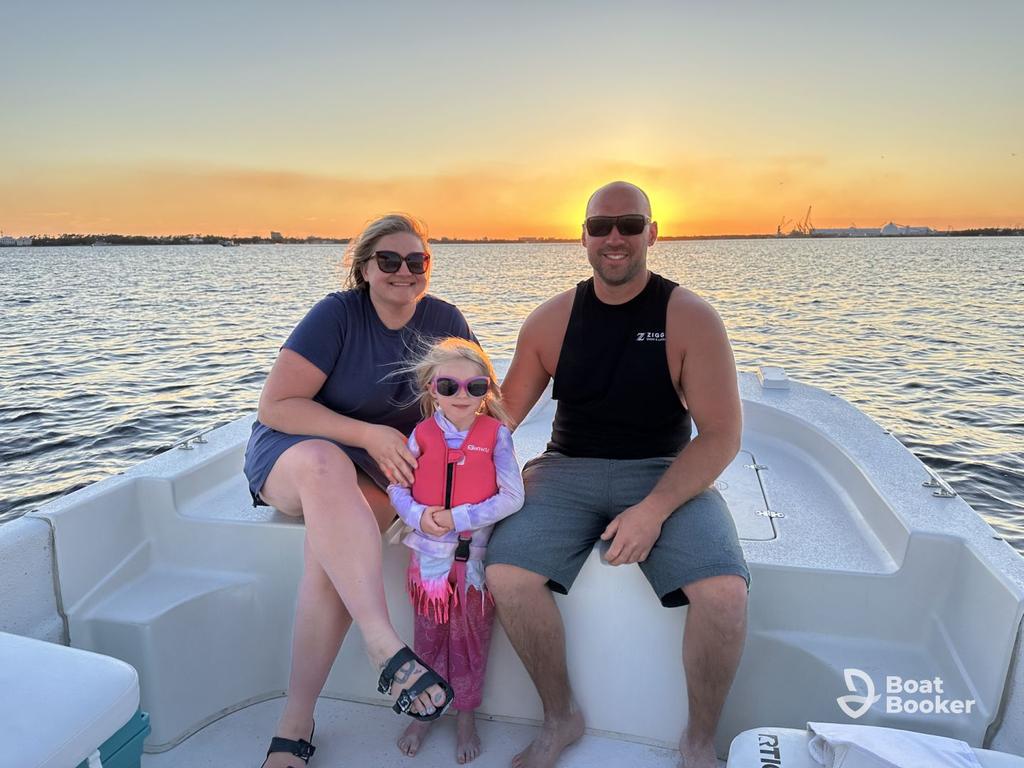
Kids and boats are a great combination – with the right precautions. The number one rule is active supervision. Appoint a designated “water watcher” whose only job is to keep eyes on the kids. Take turns with other adults so nobody gets fatigued – and that means no phone scrolling during your watch shift.
Children should wear life jackets at all times on the water, not just when swimming. For younger children, choose a personal flotation device with a collar for head support and a crotch strap to prevent the jacket from riding up. Test the fit before your trip by having your child wear it in a pool or shallow water. Make sure it keeps their head above the surface and that they feel comfortable in it.
Keep kids away from the boat’s edge and don’t let them lean overboard. Establish clear rules before you leave the dock: no running on the boat, no climbing on railings, and no jumping in the water without an adult’s permission. A catamaran or pontoon can be a great choice for families because the wider deck and stable platform give kids more room to move safely.
Frequently Asked Questions about Boating Safety
Captained Boat Tours: The Safest Way to Get on the Water
If you’ve read through this list and feel a little overwhelmed, here’s the simplest boating safety tip of all: book a captained charter. A licensed captain handles navigation, weather decisions, safety equipment, and emergency procedures so you can focus on having a good time. They know the local waterways, they know where the hazards are, and they’ve done safety briefings hundreds of times.
On BoatBooker, you can browse captained charters across hundreds of destinations – from lake trips to coastal cruises – and filter by group size, boat type, and activity. It’s the lowest-barrier way to get your crew on the water safely, especially if it’s your first time.
Have you followed these boating safety tips on recent trips – or learned a lesson the hard way? If you’ve got advice that helped your family or group feel more confident on the water, drop it in the comments. And if anything in this post is outdated or inaccurate, let us know – we’d rather correct it than leave bad information up.