
What Is a Yacht? A Beginner’s Guide to Types, Sizes, and What to Expect on Your First Charter
You’ve seen them in movies, on Instagram, and bobbing in harbors while you eat lunch on the waterfront. But what is a yacht, exactly? The word gets tossed around loosely – sometimes describing a 40-foot sailboat, sometimes a floating palace with a helipad. There’s no single agreed-upon definition, though, which makes the whole thing more confusing than it needs to be.
This guide breaks it all down. We’ll cover what separates a yacht from a regular boat, walk through the main types and size categories, and – the part most guides skip – explain what it’s actually like to charter one for the first time. Whether you’re planning a special occasion with family, organizing a group trip with friends, or just curious about the world of yachting, you’ll leave with a clear picture of what you’re looking at and what it might cost.
What Is a Yacht, Exactly?
A yacht is a sail- or motor-powered watercraft built for pleasure, cruising, or racing. That’s the short answer. The longer answer is that the boundaries are blurry, and people in the boating world argue about them constantly.
The word itself comes from the Dutch jacht (sometimes spelled jaght), short for jachtschip – literally “hunting ship.” In the 1600s, the Dutch navy used fast, light vessels to chase down pirates and smugglers along the coast. Then in 1660, the Dutch East India Company gifted one of these boats to England’s King Charles II, who loved it so much he started racing them for fun. That shift from military tool to pleasure craft is essentially the origin story of yachting.
The first yacht club formed in Ireland around 1720, and the sport spread across Europe from there. Today, the word “yacht” covers everything from a 40-foot weekend cruiser to a 500-foot floating city. What ties them together is purpose: yachts are built for recreation, not for hauling cargo or catching fish.
Yacht vs. Boat: What’s the Difference?
Here’s the simplest way to think about it: every yacht is a boat, but not every boat qualifies as a yacht. A pontoon boat is a boat. A bass fishing skiff is a boat. A kayak is technically a boat. None of them are yachts.
So what makes a boat a yacht? There’s no official cutoff, but the industry generally draws the line around 35–40 feet in length. YachtWorld, one of the largest yacht marketplaces, uses 40 feet and a beam (width) of 8.5 feet as its working threshold. Below that, you’ve got a boat. Above it, you’re entering yacht territory.
Size alone doesn’t tell the full story, though. Yachts typically share a few other characteristics:
- Purpose – Built purely for leisure, cruising, or racing. No commercial fishing, no cargo transport.
- Amenities – A proper cabin with sleeping quarters, a galley (kitchen), and a head (bathroom). If you can sleep, eat, and use the restroom aboard, it’s heading in the yacht direction.
- Crew capability – Larger yachts carry professional crew. As of 2020, more than 15,000 yachts worldwide were large enough to require one.
There’s also the informal “trailer test.” If you can tow it behind your truck to a boat ramp, it’s probably not a yacht.
Yacht vs. Ship
Ships are generally larger, commercially operated vessels built for open-ocean voyages. The biggest megayachts blur this line – they’re ship-sized yachts, essentially. For most purposes, though, yachts are privately owned or chartered recreational vessels.
Types of Yachts
Not all yachts look or function the same. Here are the four main categories you’ll come across.
Motor Yachts
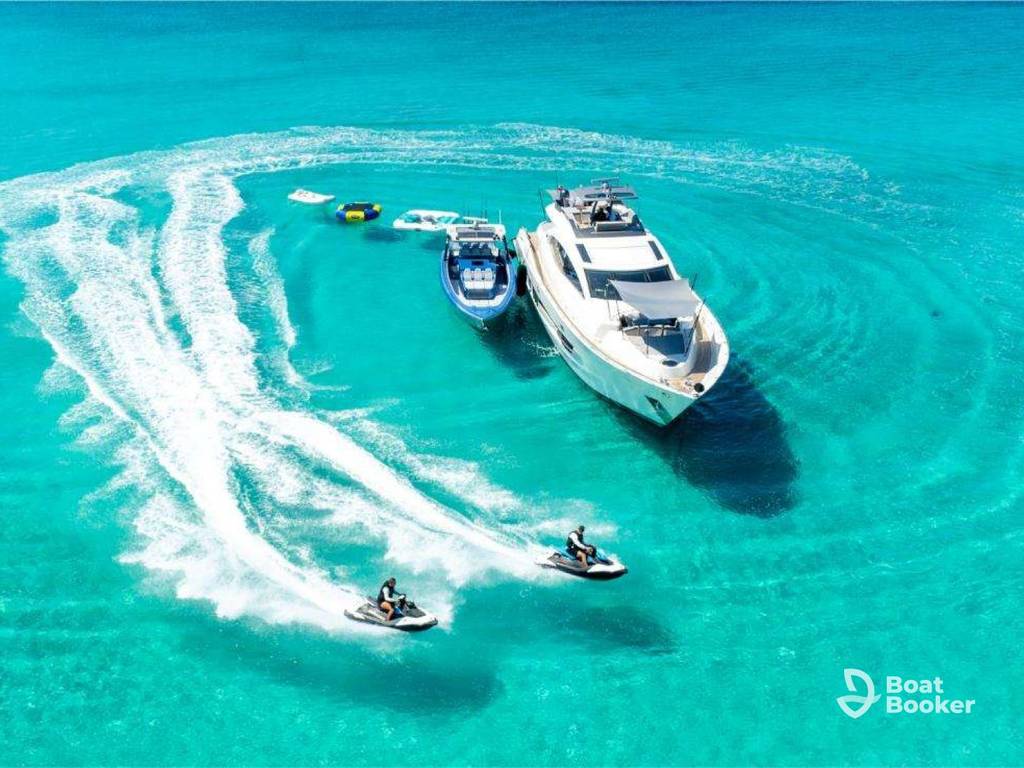
Motor yachts are the most common type on the market today. They’re powered by engines – usually diesel – and range from around 40 feet to well over 200 feet. Their appeal is straightforward: speed, comfort, and ease of use. You don’t need to know how to handle sails. You just cruise.
They’re ideal for day trips, island hopping, and long-distance coastal cruising. The larger ones feature multiple decks, sun lounges, and full-service kitchens. If you’ve seen a yacht on a reality TV show, it was almost certainly a motor yacht.
Sailing Yachts
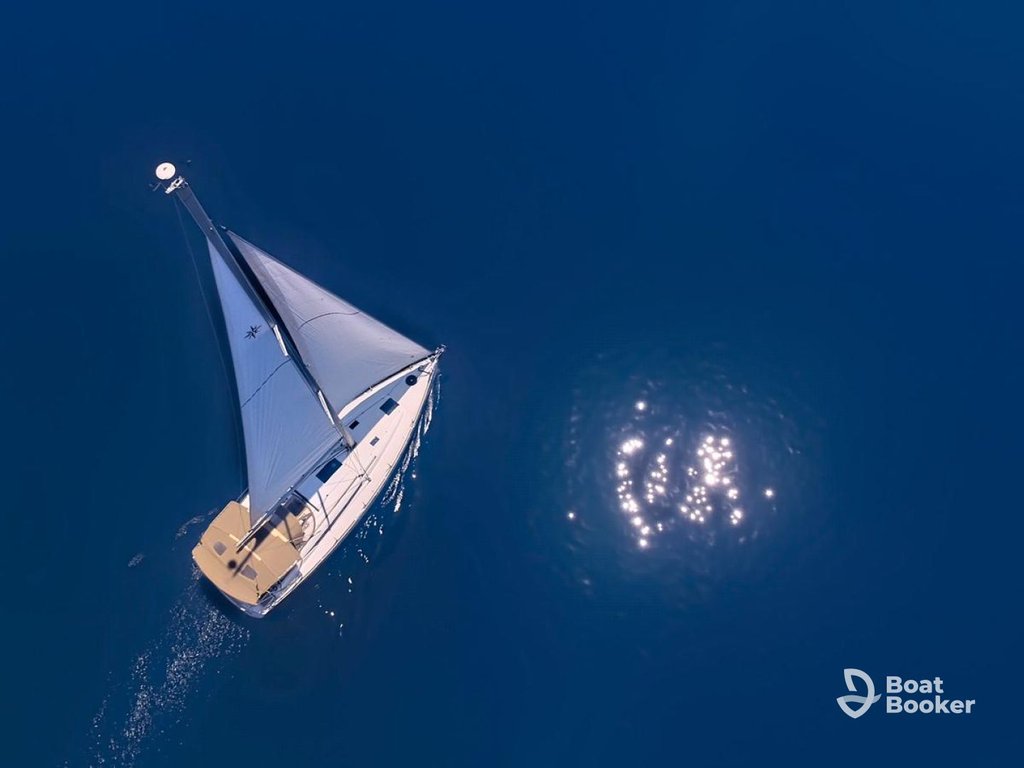
Sailing yachts rely on wind power, with engines as backup for docking and calm days. They typically range from 40 to 70 feet, though some racing and expedition sailing yachts go much larger.
The experience is more traditional and hands-on. The ride is quieter, the pace is slower, and there’s something deeply satisfying about moving through water under wind alone. If you’re curious about getting started, BoatBooker’s Sailing 101 guide covers the basics.
Catamarans
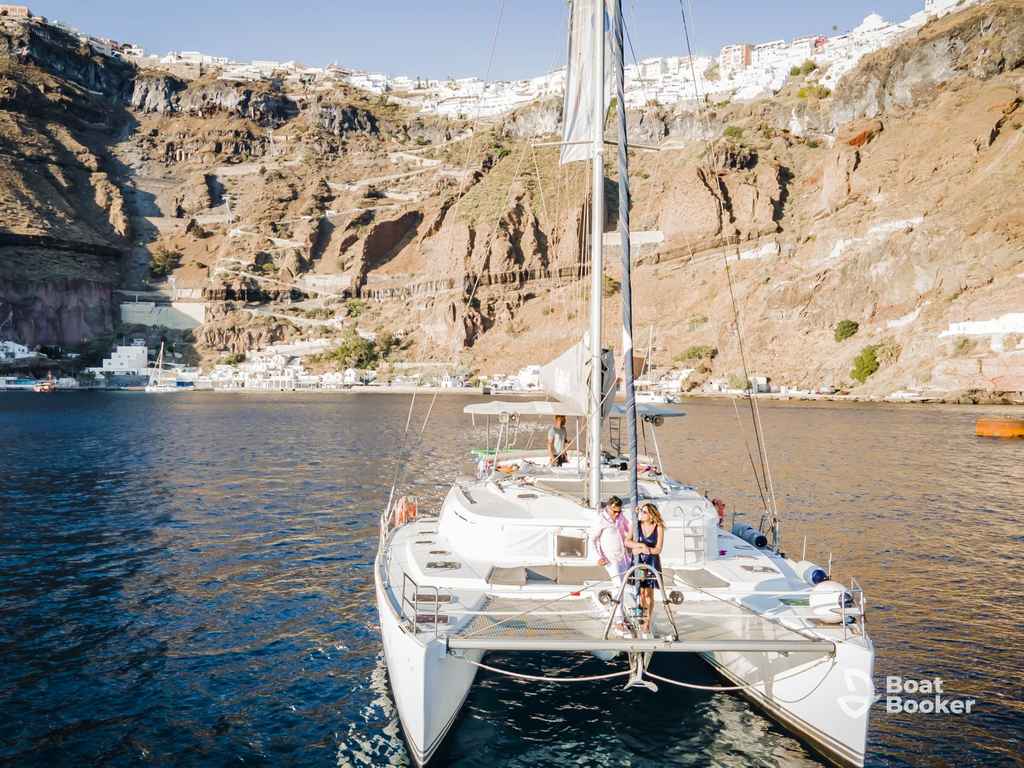
A catamaran is a twin-hulled vessel – and larger catamarans absolutely qualify as yachts. Their double-hull design provides more stability than a monohull (single-hull) sailboat. That means less rocking and more usable deck space.
Catamarans are popular for group charters because the wide beam creates roomy living areas. They also draw less water than monohulls, so you can anchor closer to shore in shallow bays. For families or anyone prone to seasickness, the reduced motion is a real selling point.
Explorer and Expedition Yachts
Explorer yachts are built for long-range voyaging to remote destinations – think Antarctica, the Arctic, or far-flung Pacific islands. They have reinforced hulls, extended fuel capacity, and rugged construction that can handle rough seas.
These aren’t what most first-time charter guests will encounter. They represent the adventurous end of the yacht spectrum, though, and their popularity has grown in recent years among experienced cruisers looking for something beyond the typical Mediterranean or Caribbean route.
Yacht Size Categories: From Day Cruiser to Megayacht
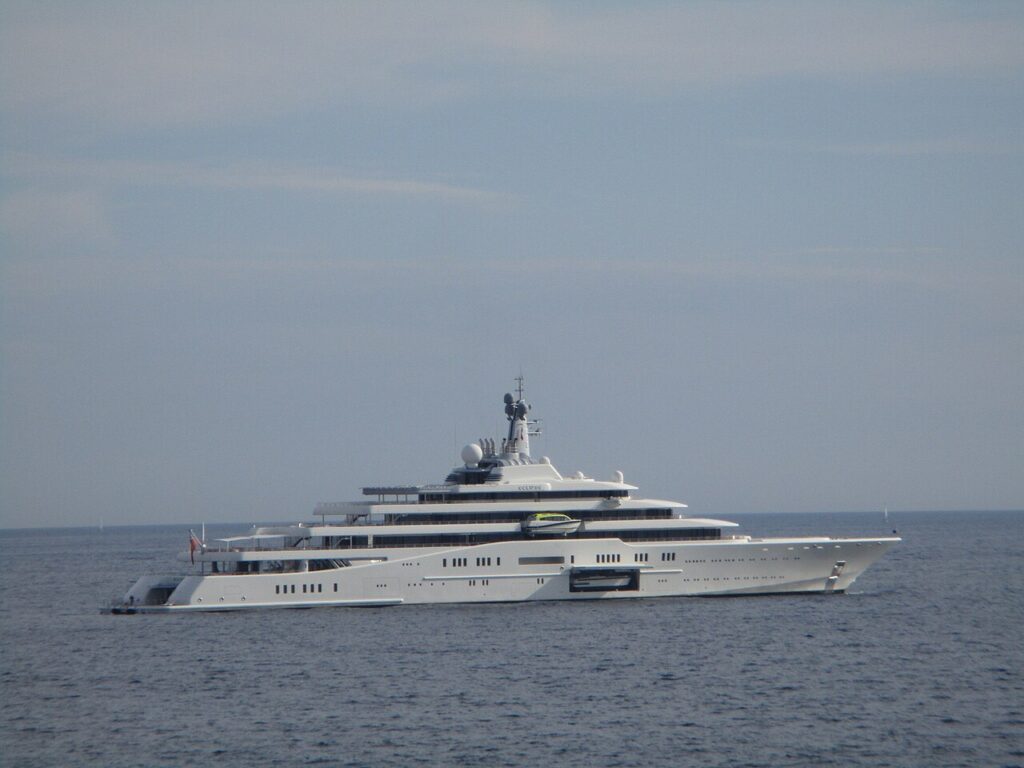
One of the most common questions people ask is where the size lines fall. Here’s how the industry generally breaks it down:
| Category | Length | Typical Crew | Typical Day Charter Cost |
|---|---|---|---|
| Day yacht / pocket yacht | Under 40 ft | Captain only or self-skippered | $500–$2,000 |
| Yacht | 40–79 ft | Captain + 1–3 crew | $2,000–$10,000 |
| Superyacht | 79–200 ft (24–60 m) | 5–20+ crew | $10,000–$50,000+ |
| Megayacht | 200–350 ft (60–107 m) | 20–50+ crew | $50,000–$200,000+ |
| Gigayacht | 350+ ft (107+ m) | 50–100+ crew | $200,000–$420,000+ |
Why 79 Feet Matters
The 79-foot (24-meter) mark is more than just convention. It’s the threshold where the Commercial Yacht Code and SOLAS (Safety of Life at Sea) regulations kick in. These require enhanced safety equipment, structural standards, and professional crew certification. That’s why 79 feet is widely accepted as where “superyacht” begins.
The superyacht fleet has more than doubled in the past 20 years and now exceeds 5,000 vessels worldwide. Megayachts – those over 200 feet – are rarer but increasingly common. If you’re curious about the largest examples, our post on who owns the biggest yacht in the world dives into that world.
What Do Yachts Cost to Buy?
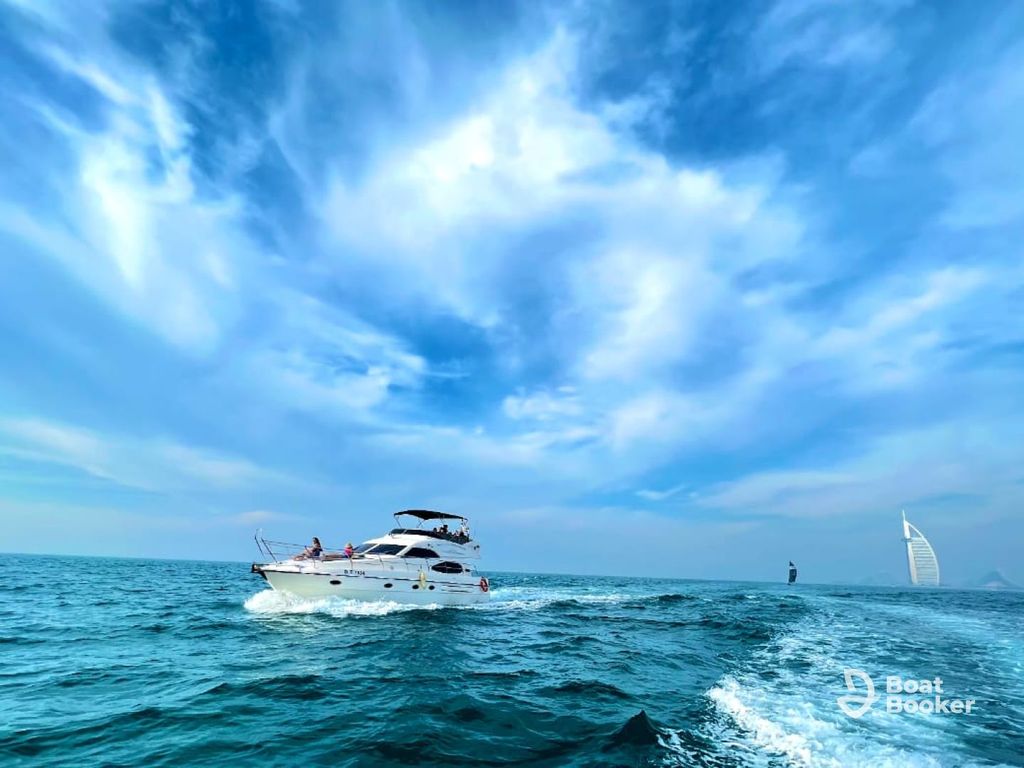
For context on purchase prices: the average price for a yacht between 46 and 55 feet was roughly $491,000 in 2023, according to the US Boats Group market index. For yachts between 56 and 79 feet, the average jumped to about $1.3 million. Those are modest by superyacht standards.
But you don’t need to buy a yacht to enjoy one. That’s where chartering comes in.
What to Expect When You Charter a Yacht
Most guides about yachts are written for people thinking about buying one. But the vast majority of people who step aboard a yacht do so through a charter – and the experience is more accessible than you might think.
Captained vs. Bareboat
A captained charter (also called a crewed charter) comes with a professional captain and sometimes additional crew. You show up, step aboard, and enjoy the ride. This is what most first-timers choose, and it’s what you’ll find on BoatBooker for yacht tours.
A bareboat charter means you’re renting the vessel and operating it yourself. This requires boating experience and, in many destinations, a valid boating license. It’s popular among experienced sailors but not the right choice for a casual group outing.
What’s Typically Included
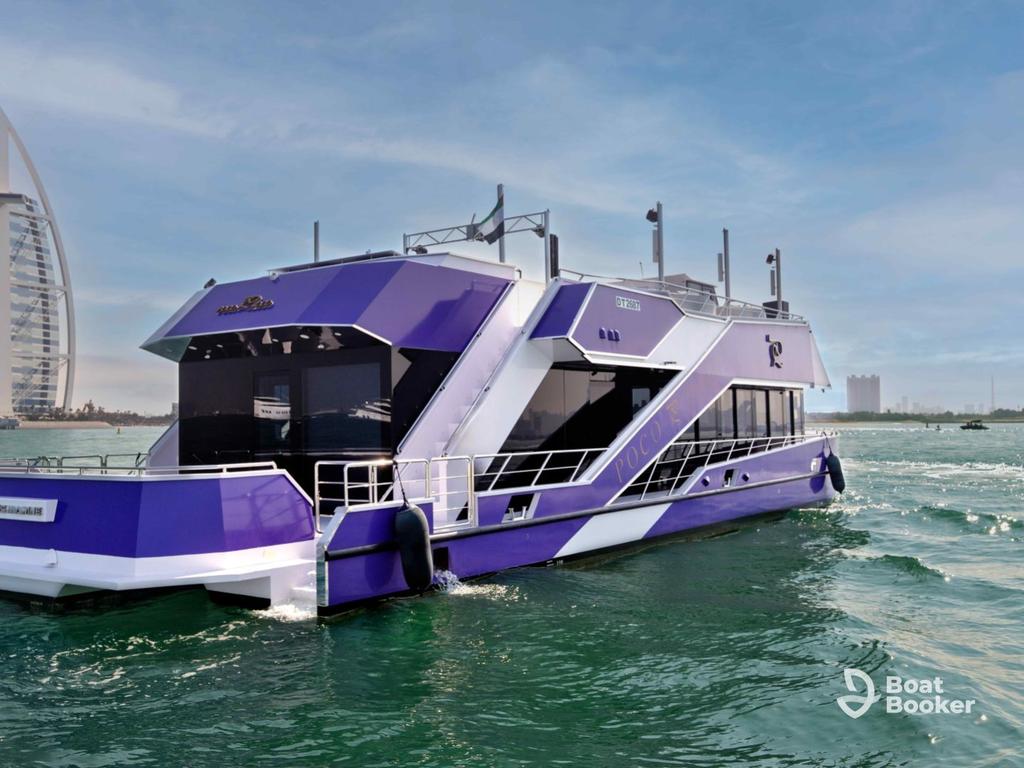
On a captained day charter, you can usually expect:
- The captain and crew – They handle navigation, anchoring, and safety.
- Fuel – Most day charters include fuel in the price.
- Basic amenities – Towels, snorkeling gear, sometimes a paddleboard or floating mat.
- Food and drinks – Many yacht tours include light refreshments, snacks, or a full catering package. Check the listing details, since this varies widely.
What’s usually not included: gratuity for the crew (15–20% is often standard), premium alcohol upgrades, and any special requests like a DJ or photographer.
Duration and Dress Code
Yacht charters come in several formats: half-day (3–4 hours), full-day (6–8 hours), sunset cruises (2–3 hours), and multi-day or weekly charters. For a first experience, a half-day or full-day trip gives you plenty of time to enjoy the water without overcommitting.
As for what to wear – think casual and practical. Bring soft-soled shoes (or go barefoot), swimwear, a cover-up, sunscreen, and sunglasses. For a more detailed breakdown, check out our guide on what to wear on a boat. Our boating safety guide is also worth a quick read before you head out.
How Much Does It Cost to Charter a Yacht?
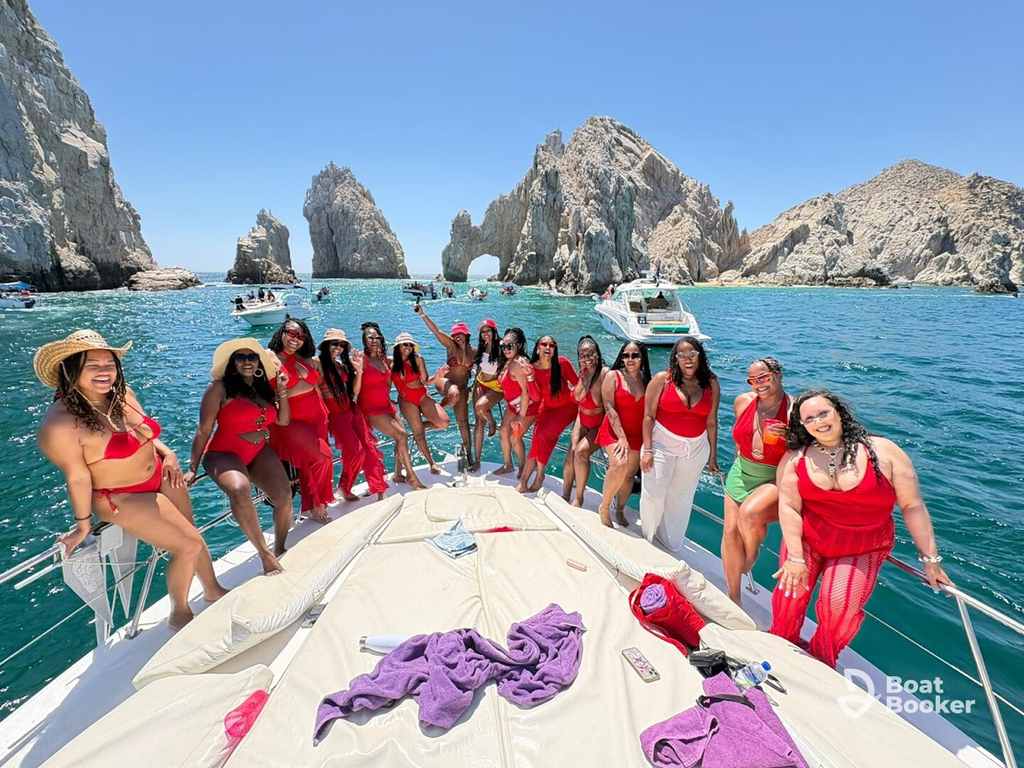
This is the question everyone really wants answered. The range is enormous – from a few hundred dollars to six figures per day – so let’s break it down by what’s realistic for different budgets.
Private Yacht and Superyacht Charters
The kind you see on Below Deck run roughly $2,000–$5,000 per day for a standard yacht, and $10,000–$20,000+ per day for larger luxury vessels. Weekly charters for crewed sailing yachts start around $10,000–$30,000, while crewed motor yachts climb quickly from there. At the top end, megayacht charters can exceed $400,000 per week.
More Affordable Options
Here’s what most people don’t realize: you don’t need to book a private superyacht to have a great time on the water. Many yacht tours and group charters on BoatBooker start at $200–$800 for a group for a half-day experience. These are captained trips on well-maintained vessels – often motor yachts in the 40–65 foot range – with swimming stops, snorkeling gear, music, and drinks included.
What Affects the Price?
A few things that affect cost:
- Location – Chartering in Monaco costs more than chartering in Croatia or Mexico.
- Season – Peak summer months in the Mediterranean or Caribbean carry premium pricing.
- Group size – Splitting the cost across 6–12 people makes private charters surprisingly affordable per person.
- Duration – A 3-hour sunset cruise costs less than a full-day island-hopping trip.
The worldwide range for charter pricing, per person per week, runs roughly $1,000 to over $20,000 depending on the vessel and destination.
Best Places to Book a Yacht Tour
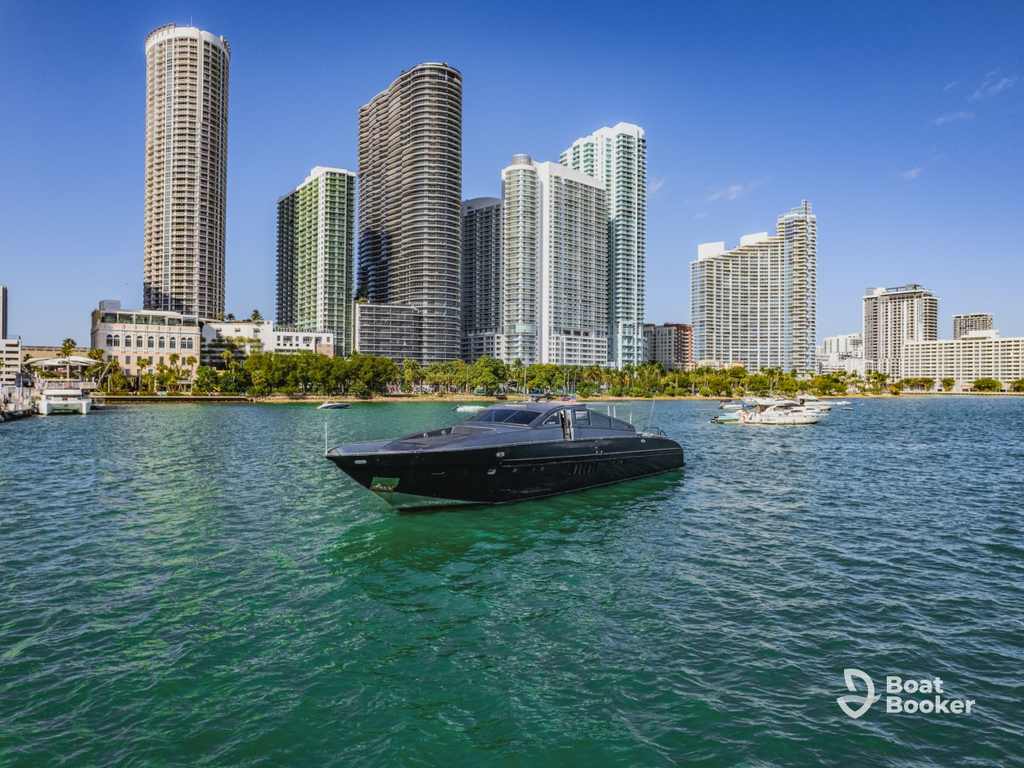
You can charter a yacht in hundreds of destinations worldwide. A few stand out for first-timers, though, because they combine great scenery with easy access and a wide range of options.
- Miami, Florida – Miami is one of the most popular yacht charter hubs in the US. Biscayne Bay, the Intracoastal Waterway, and the short run to the Florida Keys give you plenty of options for half-day or full-day trips. Yacht tours in Miami range from intimate sunset cruises to large group party boats.
- Dubrovnik, Croatia – The Adriatic coastline is stunning, and Dubrovnik offers access to the Elafiti Islands – a cluster of car-free islands perfect for swimming stops and quiet anchorages. Croatia is also one of the more affordable Mediterranean charter destinations. Browse yacht tours in Dubrovnik to see what’s available.
- Cancún, Mexico – Warm, turquoise water year-round, easy access from the US, and yacht tours that range from laid-back snorkeling trips to full-day island excursions to Isla Mujeres. Yacht tours in Cancún are some of the best-value options in the Caribbean.
- Dubai, UAE – If you want the full luxury yacht experience at a range of price points, Dubai delivers. Marina cruises past the Burj Al Arab, deep-sea fishing trips, and sunset tours along the Palm Jumeirah are all popular options. Check out yacht tours in Dubai.
- Athens, Greece – The Saronic Gulf islands – Aegina, Poros, Hydra – are within easy reach of Athens by yacht. That makes it a great base for a day charter or multi-day sailing trip. Yacht tours in Athens offer a mix of historical sightseeing and island exploration.
Frequently Asked Questions about Yachts
Have you been on a yacht before – whether a private charter, a group tour, or just a quick sunset cruise? We’d love to hear what the experience was like and whether it matched your expectations going in. If you’ve got a favorite yacht charter destination that didn’t make the list, or if anything in this guide feels off, drop a note in the comments. First-hand tips are always more useful than anything we can research from a desk.