Parasailing
The best out of 39 Parasailing deals - enter destination and dates to check availability.
Nearest Parasailing
Nearest Parasailing
Nearest Parasailing destinations
Top Parasailing worldwide
Popular Parasailing destinations worldwide
What boaters say about Parasailing
About Parasailing
Parasailing is a boat-powered flight that lifts you into the sky behind a moving vessel. It is calm, scenic, and exciting at the same time. Try it if you want big views and a gentle thrill without learning complex skills.
Expect a friendly crew, clear safety steps, and a smooth ride from the dock. You will cruise to a safe area, then get set up on the open deck near the stern, which is the back of the boat. The captain watches wind, waves, and other traffic to keep the plan simple and safe.
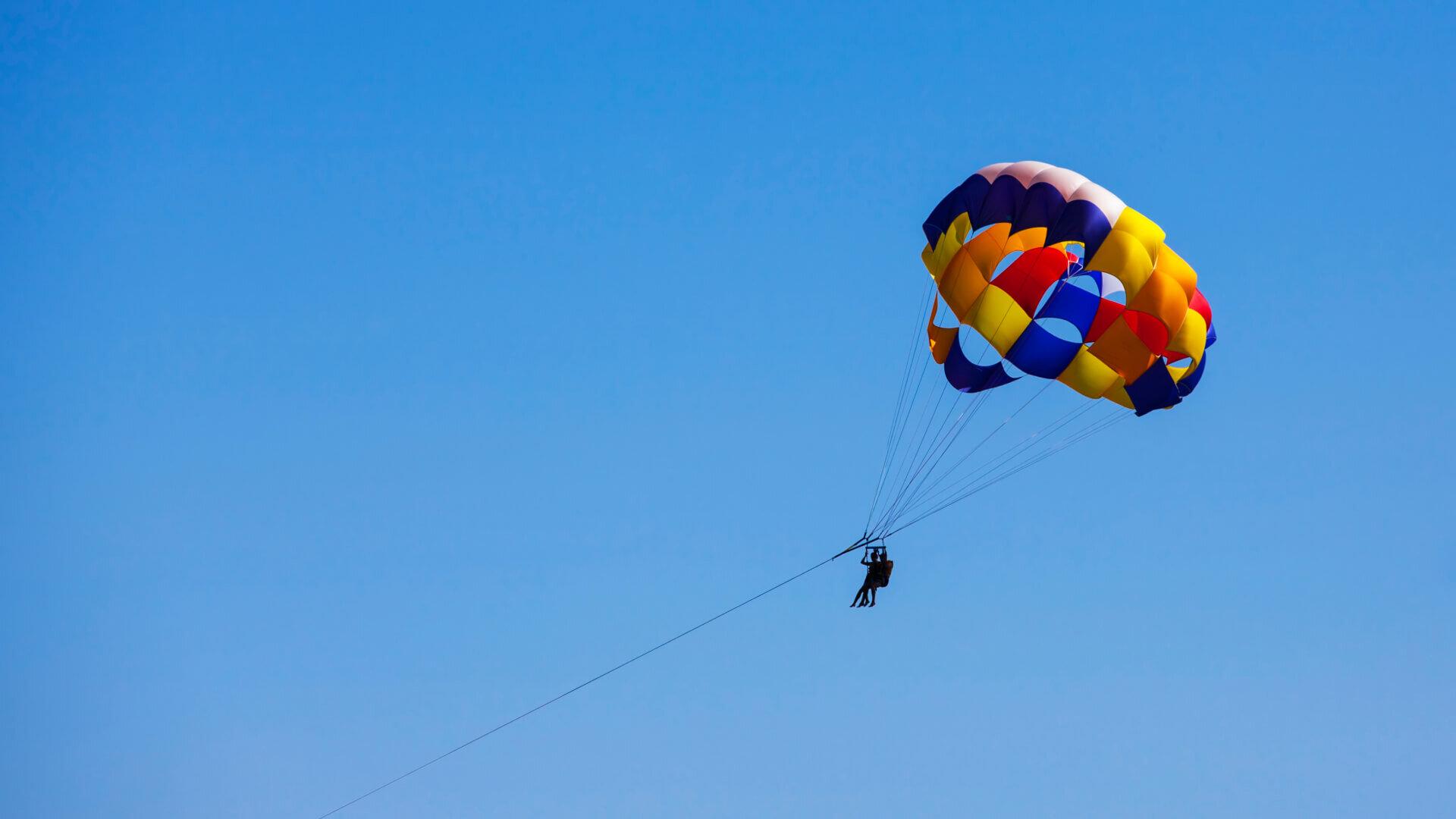
Here is how it works. You put on a life jacket/PFD, which is a personal flotation device, and a secure harness. The parasail wing fills as the boat moves ahead, and a winch system lets the towline out. You rise gently and enjoy wide views while the crew controls speed and direction. Most flights end with a soft landing on the deck. A light water dip may be offered if conditions allow.
Parasailing suits beginners, families, and sightseers who want fresh air and easy fun. Solo and tandem flights are common, but exact options can vary by operator. Wear sun protection, snug eyewear, and sandals with grip. Bring a towel and a dry bag for phones. Weight and age limits, as well as capacity ratings, can differ, so check details before you book.
Rules for Parasailing vary by place. Before your trip, confirm that the operator follows local licenses and permits, carries proper safety gear, and follows weather and operating rules. Ask about crew training, insurance, and boat maintenance. In the United States, many operators follow U.S. Coast Guard guidance, but local rules still apply. Always follow your captain’s briefing.