
When Is Whale Watching Season? A Guide for the Top Destinations
If you’ve ever planned a trip around whale watching and arrived to find the ocean completely empty of anything larger than a seagull, you already know the answer to “when is whale watching season?” isn’t a simple one. The honest answer is: it depends entirely on where you’re going.
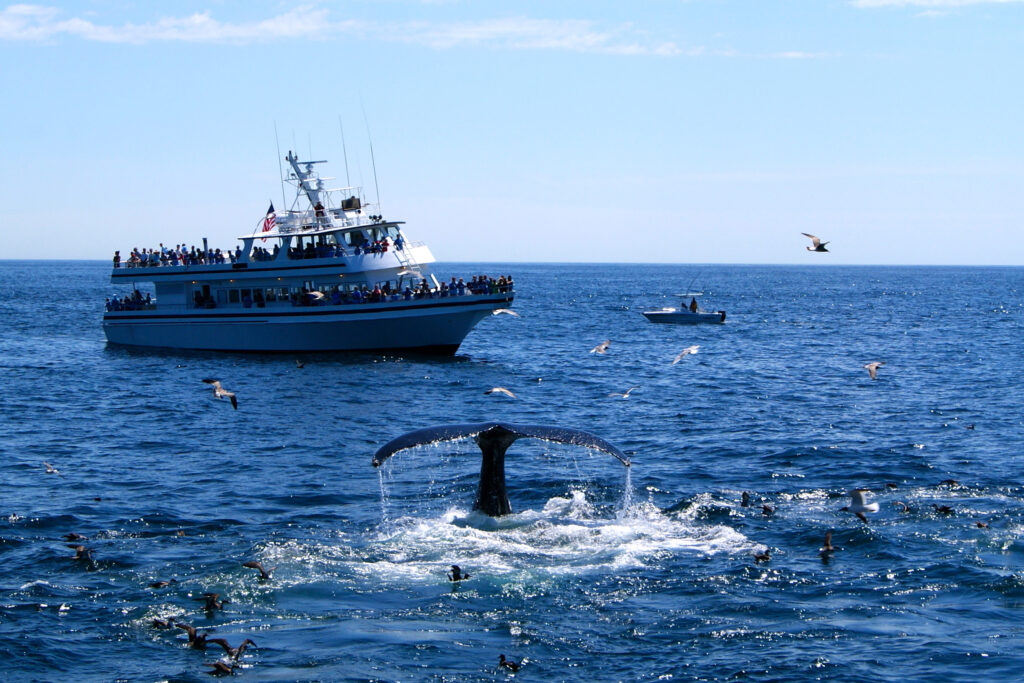
The same humpbacks that fill Maui’s channels in February are feeding in Alaskan waters by July. Get the timing right and sightings are nearly guaranteed – get it wrong and you’ll be staring at a lot of open water. Here’s exactly when whale watching season hits in every major US destination, plus Cabo San Lucas.
When Is Whale Watching Season? The Quick Answer
Whale watching seasons are driven by migration and feeding cycles, not calendar convenience. Most whale species split their year between warm-water breeding grounds (Hawaii, Mexico, Baja) in winter and cold, food-rich feeding grounds (Alaska, the Pacific Northwest, New England) in summer.
That means winter is prime time in the tropics, summer is prime time in the north, and destinations like Southern California and Monterey – which sit along the migration corridor and have year-round food – can offer good sightings almost any month. The sections below give you the specifics for each destination.
The Whales You’re Actually Looking For
Most whale watching conversations revolve around a handful of species – and knowing which ones you’re after helps narrow down both where to go and when.
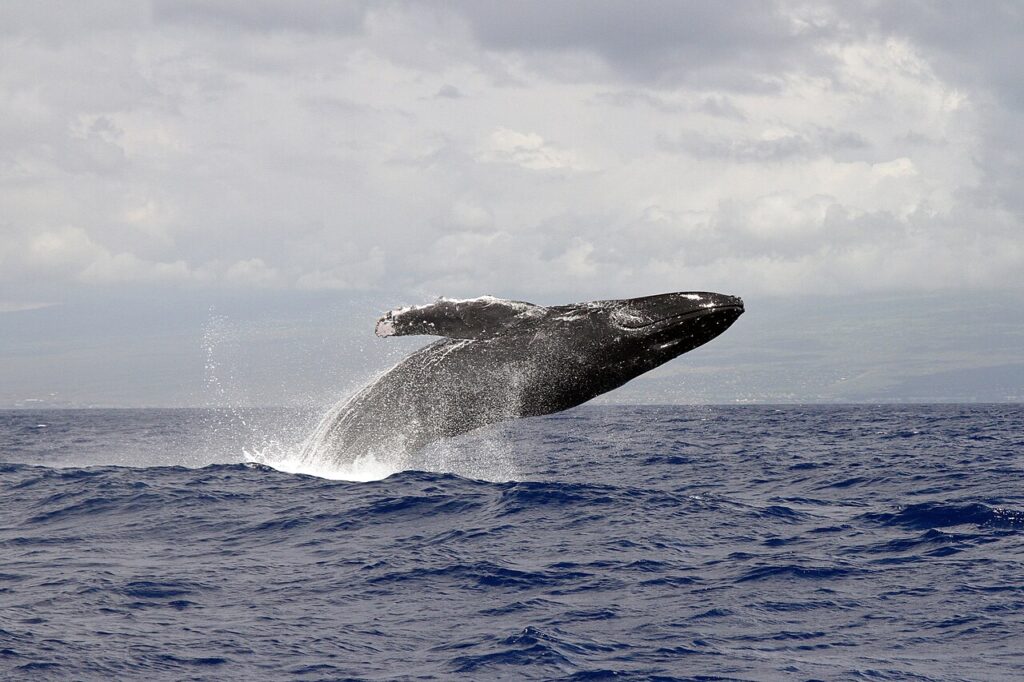
Humpback whales are the crowd favorite. They’re large, acrobatic, and reliably dramatic – breaching, tail-slapping, and singing. They’re the star of Hawaii and Maui in winter, Alaska in summer, and New England and Monterey through the warmer months.
Gray whales are the great migrators of the Pacific. Every year they make one of the longest mammal migrations on Earth – roughly 10,000 miles round-trip between Alaska and the lagoons of Baja California. Their route takes them close to shore along the entire West Coast, which is why they’re the main event in San Diego, Southern California, Oregon, and Cabo from December through May.
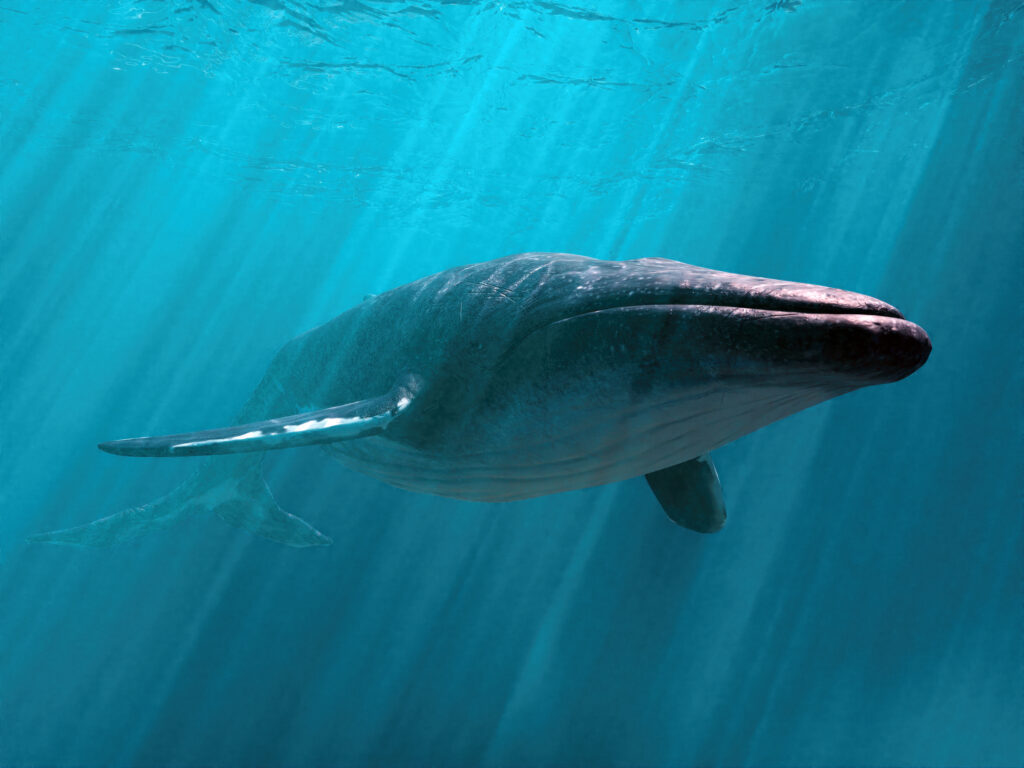
Blue whales are the rarest ticket and the biggest animal on the planet. The California coast – from Monterey Bay down through the Channel Islands off Southern California – sees some of the highest blue whale densities in the world from May through October. Most people don’t plan specifically for blues, but operators who run California summer tours will let you know when they’re around.
Orcas (killer whales) behave differently from the others since they don’t follow the same warm-water breeding migration. In the Pacific Northwest and Alaska, pods track salmon runs and can appear at almost any time of year, though summer is the most reliable window in both places.
Whale Watching Season in Hawaii — and Maui in Particular
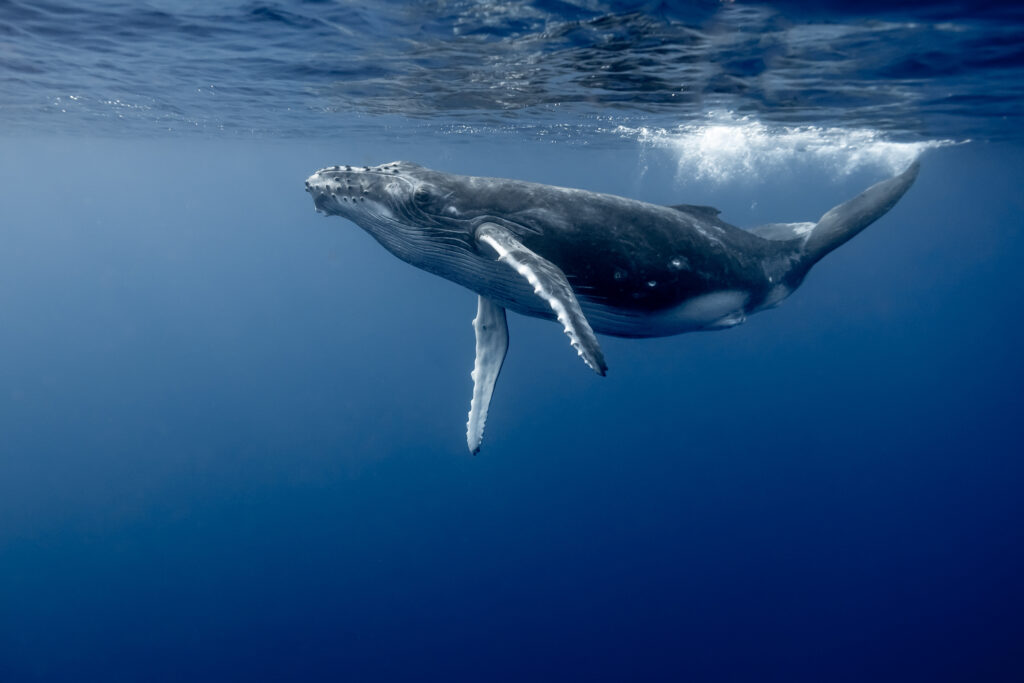
Hawaii’s whale watching season is one of the most well-defined in the world. Every year, thousands of North Pacific humpback whales make the journey from their summer feeding grounds in Alaska to the warm, shallow waters around the Hawaiian Islands to breed and give birth. The Hawaiian Islands Humpback Whale National Marine Sanctuary sets the official season as December 15 to May 15, though whales sometimes begin arriving as early as November.
Peak season runs January through March, with February typically delivering the highest whale density. During this window, breaching, tail-slapping, and close-up encounters are common on almost every tour.
Maui is the standout island for sightings. The shallow Auʻau Channel between Maui and Lānaʻi provides protected, warm water that humpbacks favor for nursing calves and mating – making it one of the most reliable whale watching locations anywhere in the Pacific. Up to 12,000 humpbacks pass through Hawaiian waters each year, and Maui sits right at the center of that migration. Make the most of the peak January–March window!
Whale Watching Season in Southern California and San Diego
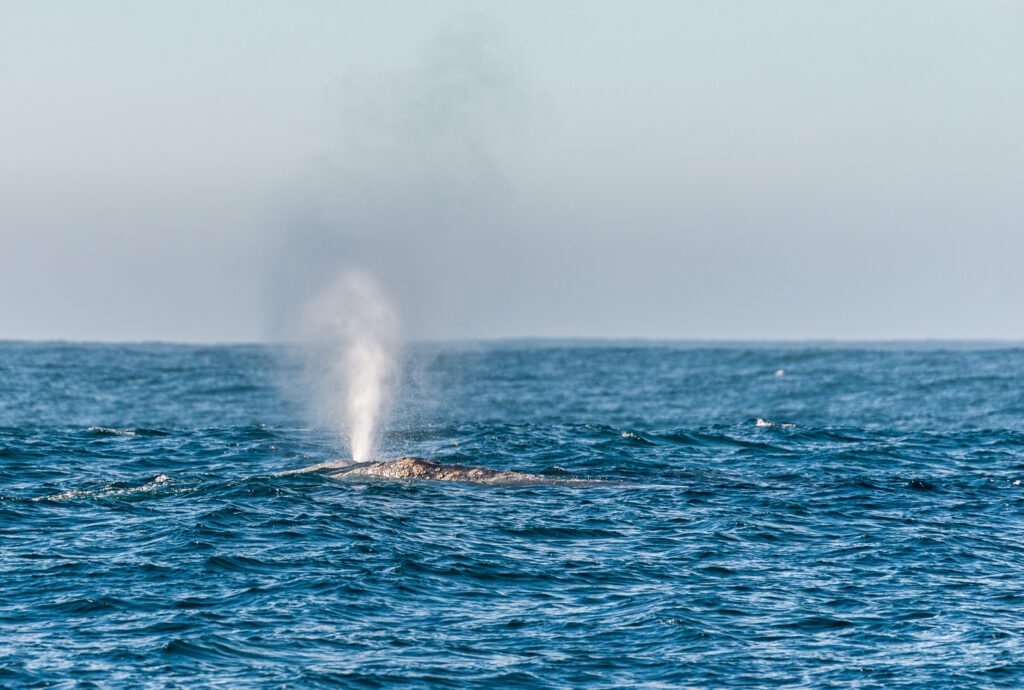
Southern California is one of the few places in the US where whale watching season never really ends — it just shifts species. Gray whales migrate south along the coast from mid-December through April, passing close to shore as they head for their breeding lagoons in Baja California. By late February, males and females without calves begin the northbound journey. Mothers with new calves are the last to leave – typically from late March through May.
From May through October, the focus shifts to blue and humpback whales feeding in the cold, upwelling-rich waters offshore. Blue whale sightings peak between June and September – Southern California supports one of the highest concentrations of blue whales on Earth during summer.
San Diego benefits from this year-round rotation as much as anywhere on the coast. From shore, Cabrillo National Monument on Point Loma offers an excellent land-based viewing platform for gray whales during the winter migration. For a closer look any time of year, whale watching trips out of San Diego run throughout the year and cover the full seasonal lineup.
Whale Watching Season in Monterey
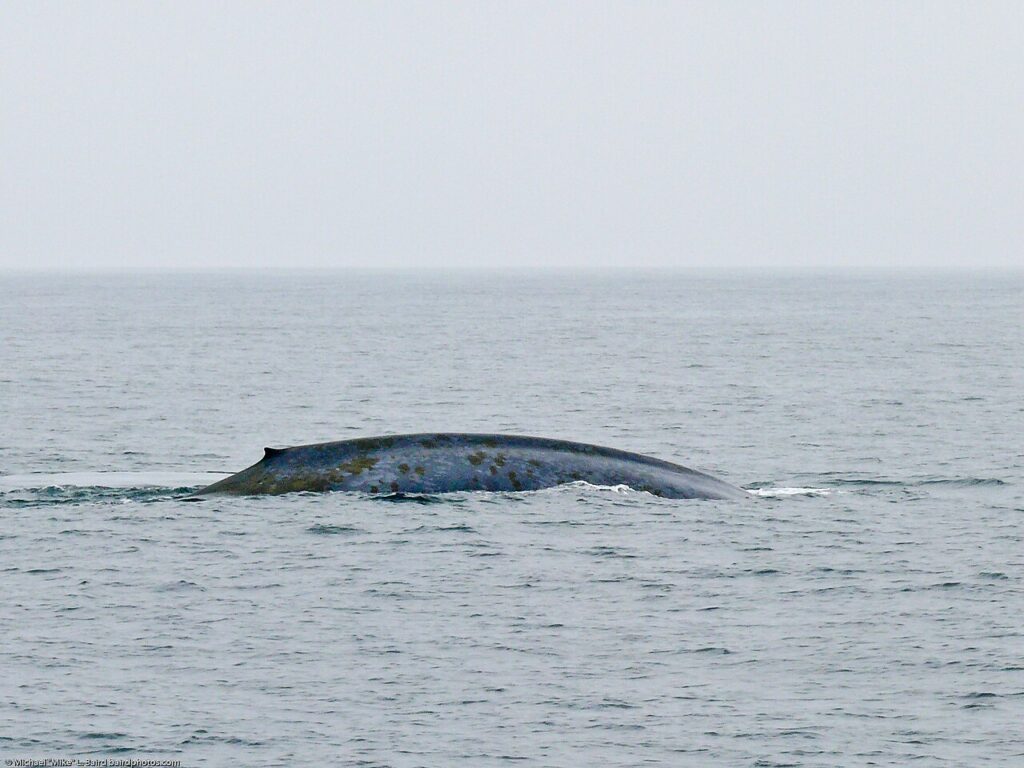
A bit further up north, Monterey is arguably the most reliable whale watching destination in the country for one reason: the Monterey Bay National Marine Sanctuary sits over a massive submarine canyon that channels cold, nutrient-rich water to the surface year-round. That upwelling keeps the food supply so consistent that experienced operators put the sighting probability on any given month at over 90%.
Humpback whales are present from roughly March through November, with peak activity in July and August when feeding is most intense. Gray whales pass through on their southbound migration from December through February and head back north through May. If you want a single month with the broadest whale variety and most surface activity, July edges ahead. Whale watching tours out of Monterey run throughout the season from Monterey Harbor.
Whale Watching Season in Alaska
Alaska’s whale watching season runs from May through September, with June through August delivering the best combination of sightings and weather. Humpback whales – the same population that spends winter in Hawaii – arrive in Alaskan waters in late spring to feed and stay through early fall. By August, groups of humpbacks can often be spotted performing bubble-net feeding, a coordinated hunting technique where they work together to trap herring with columns of rising bubbles – and Southeast Alaska is one of the world’s prime locations to witness it.
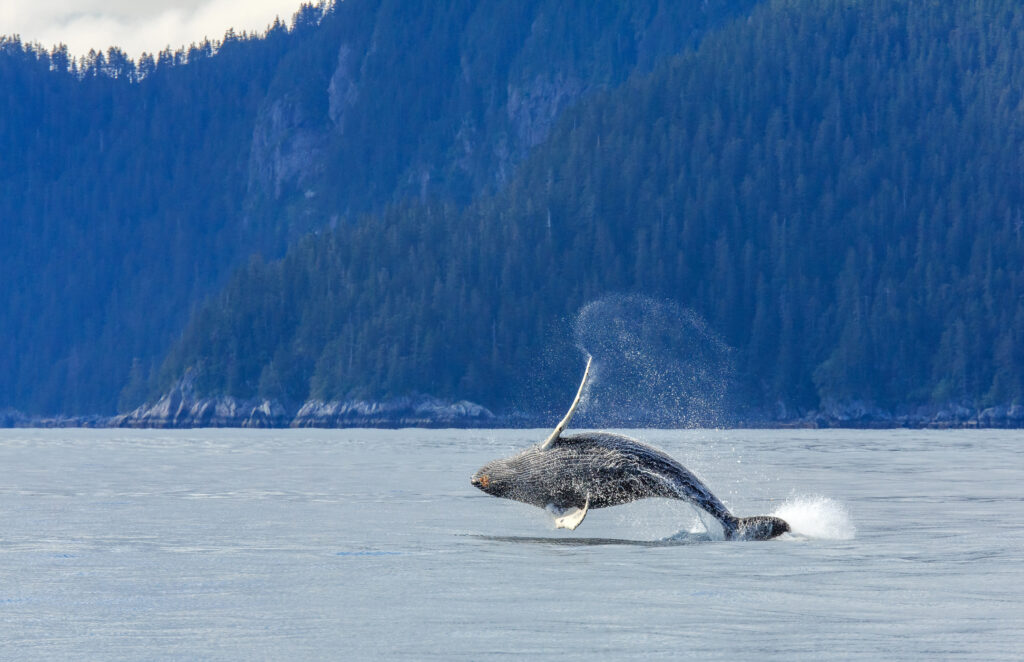
Orcas can be spotted throughout the season, with the best opportunities for pods in May and June near Kenai Fjords and July through August in Southeast Alaska’s Inside Passage. Beluga whales gather at Turnagain Arm near Anchorage from mid-July through September, following salmon runs. Top departure ports include Juneau, Seward, and Icy Strait Point. Alaska whale watching trips book out quickly in peak summer – plan ahead.
Whale Watching Season in Oregon
Oregon offers something unusual: whales are visible from shore almost every month of the year, and the Oregon State Parks whale watching program has been running staffed volunteer viewing sites for decades. During peak winter migration in late December and early January, roughly 30 gray whales per hour pass the Oregon coast as they head south toward Baja California – one of the most dramatic wildlife spectacles on the West Coast.
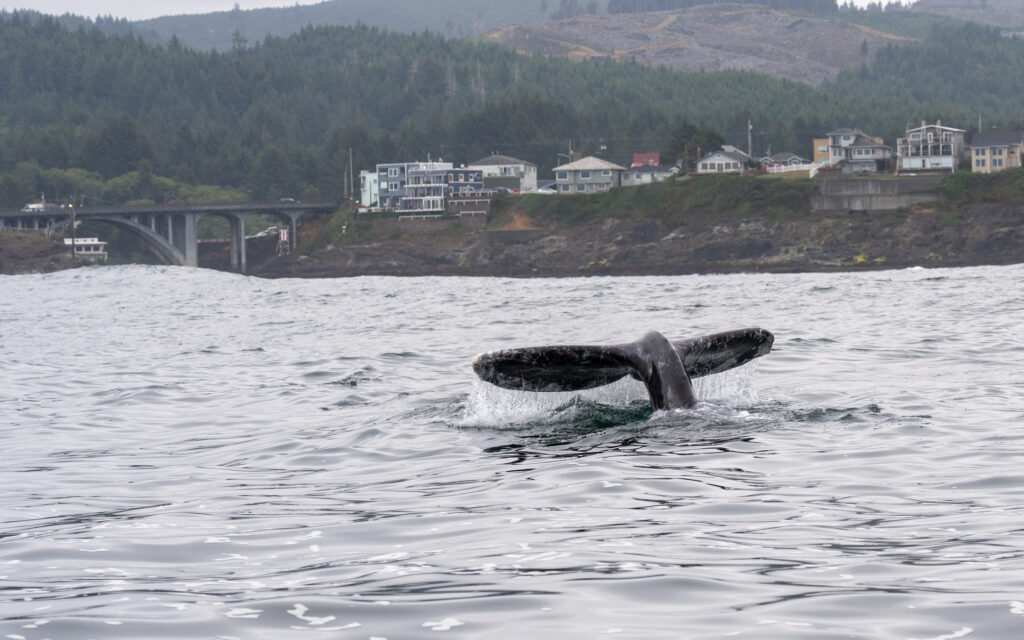
The spring northbound migration runs from late March through May, when mothers and new calves are typically among the last to leave. From June through mid-November, around 200 resident gray whales stay close to the central Oregon coast to feed, making summer a surprisingly active season here. Oregon whale watching tours depart from several ports along the coast, including Newport and Depoe Bay – the self-dubbed “Whale Watching Capital of the Oregon Coast.”
Whale Watching Season in Seattle
Seattle’s whale watching season runs from May through October, with the peak window falling between June and September. The main draw is orcas – both transient (Bigg’s) killer whales and, in good years, the endangered Southern Resident pods – in the waters around the San Juan Islands, roughly a three-hour journey from the Seattle waterfront. Humpback whales have also made a notable return to the Salish Sea in recent years, with sightings now fairly regular from spring through fall.
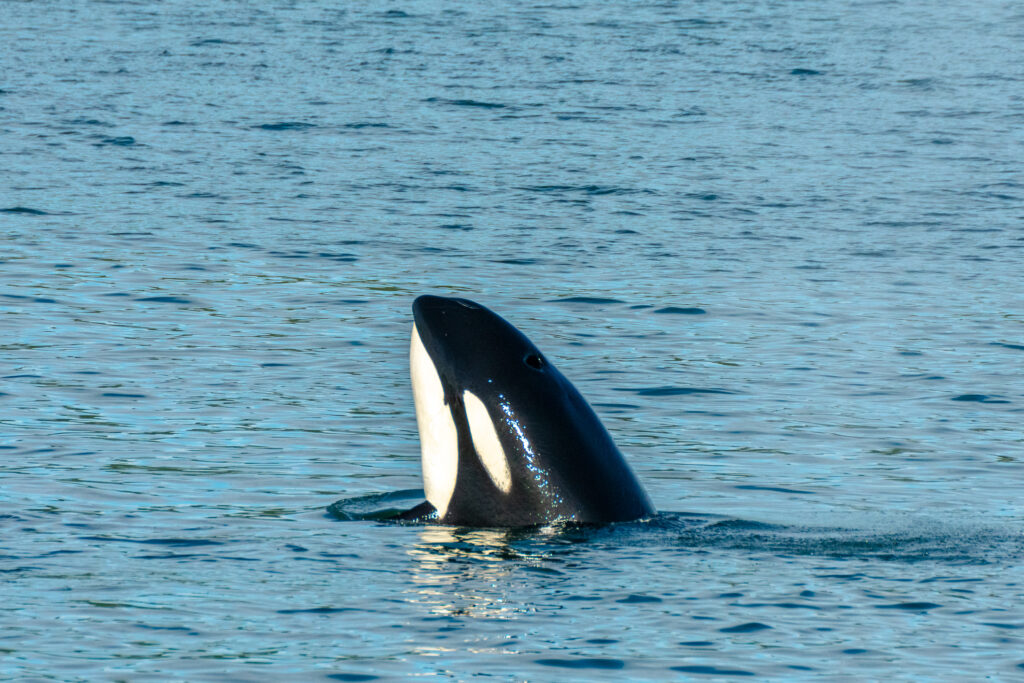
Most Seattle-based tours head directly to the San Juans, where whale activity is concentrated. Seattle whale watching trips are typically full-day or longer excursions, so build time into your schedule.
Whale Watching Season in Maine
Maine’s whale watching season runs from May through October, peaking in June, July, and August. Humpbacks, finback whales, minkes, and the occasional North Atlantic right whale feed in the cold, productive waters of the Gulf of Maine during this window – particularly around Jeffreys Ledge, the offshore feeding bank that Maine-based tours from Kennebunkport, Portland, and Boothbay Harbor head to throughout the season.
Sighting rates during summer are consistently high, and naturalist-guided tours departing from Bar Harbor are also excellent, with shorter runs to the feeding grounds off Mount Desert Island. Maine whale watching tours are a natural pairing with an Acadia National Park visit.
Whale Watching Season in Cabo
Cabo San Lucas sits at the southern tip of the Baja California peninsula – which puts it squarely on the winter migration route for humpback and gray whales traveling down from Alaska and the Pacific Northwest.
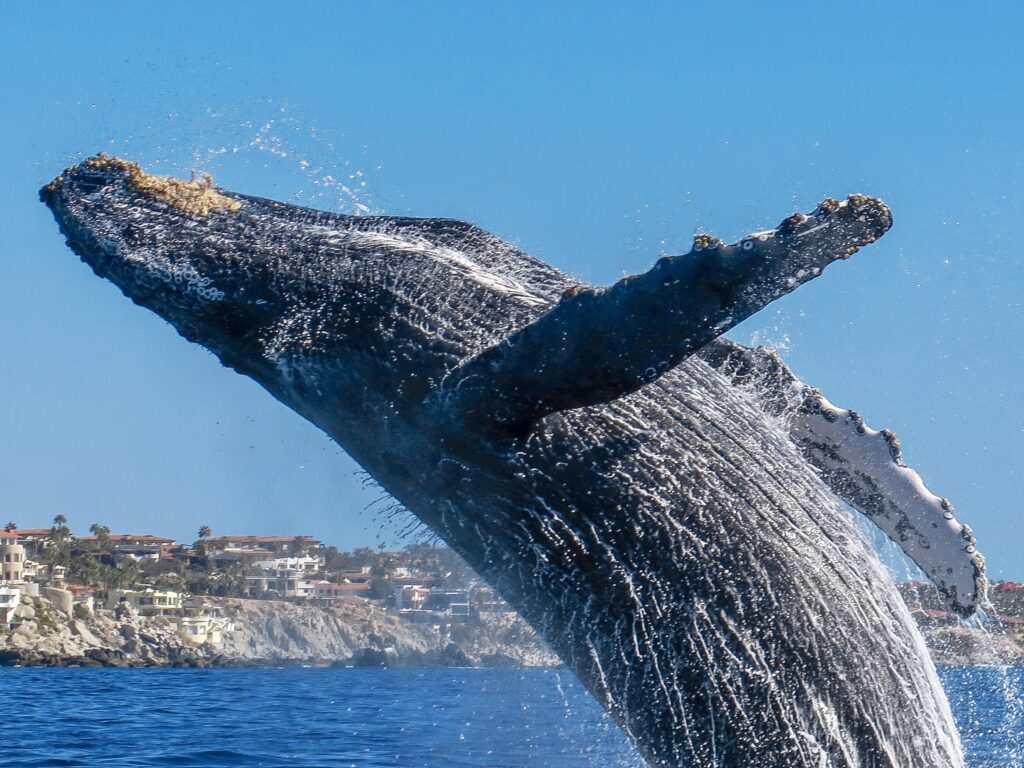
Whale watching season in Cabo runs December through April, with peak activity in January and February when whale numbers are highest and mothers with new calves are most visible. March and April remain productive as well, with gray whales often lingering a bit later into spring. Outside of December through April, the whales have departed north for summer, so timing matters more here than almost anywhere else on this list. Cabo whale watching tours are easy to combine with other water activities during winter and early spring.
What Time of Day Is Best for Whale Watching
Finally, before you book your trip, it’s useful to know during what part of the day to go out. Morning tours – typically departing between 8 and 10 a.m. – have a practical edge for most whale watching destinations. Wind tends to be lightest early in the day, which means flatter water, easier spotting of blows and flukes on the horizon, and a smoother ride for anyone prone to seasickness. Morning light also tends to be softer and more favorable for photography.
That said, afternoon trips are often just as productive for actual whale sightings. Operators gather location reports throughout the morning, so afternoon tours can sometimes head straight to the most active areas. Dolphins in particular tend to be more playful later in the day. Sunset cruises offer a different kind of experience – more atmospheric, though visibility for spotting distant whales drops as the light fades.
The honest answer is that there’s no single best time of day for whale watching. Most reputable operators report strong sighting rates on both morning and afternoon departures. Book the slot that fits your schedule, dress for wind and spray regardless of the forecast, and let the crew worry about where the whales are.
Have you ever been whale watching in one of these destinations? When did you go, and did you see a lot of whales? Let us know in case we’re wrong about any of the info in this guide!
The concept and outline of this article was created by people engaged by BoatBooker. Artificial intelligence tools were used to flesh out and reformat information into a blog article. Before being published, this article was edited and fact-checked by FishingBooker/BoatBooker staff.