
Island Hopping in Hawaii: A First-Timer’s Guide to Routes, Costs, and Getting Between Islands
Island hopping in Hawaii is one of the best ways to experience what the state actually has to offer – because no single island tells the whole story. Oahu has the cultural energy and city buzz. Maui brings top-tier beaches and winding coastal roads. The Big Island has active volcanoes and manta rays. Kauai looks like something out of a nature documentary. Visiting just one island is great, but stringing two or three together on the same trip? That’s where things get really good.
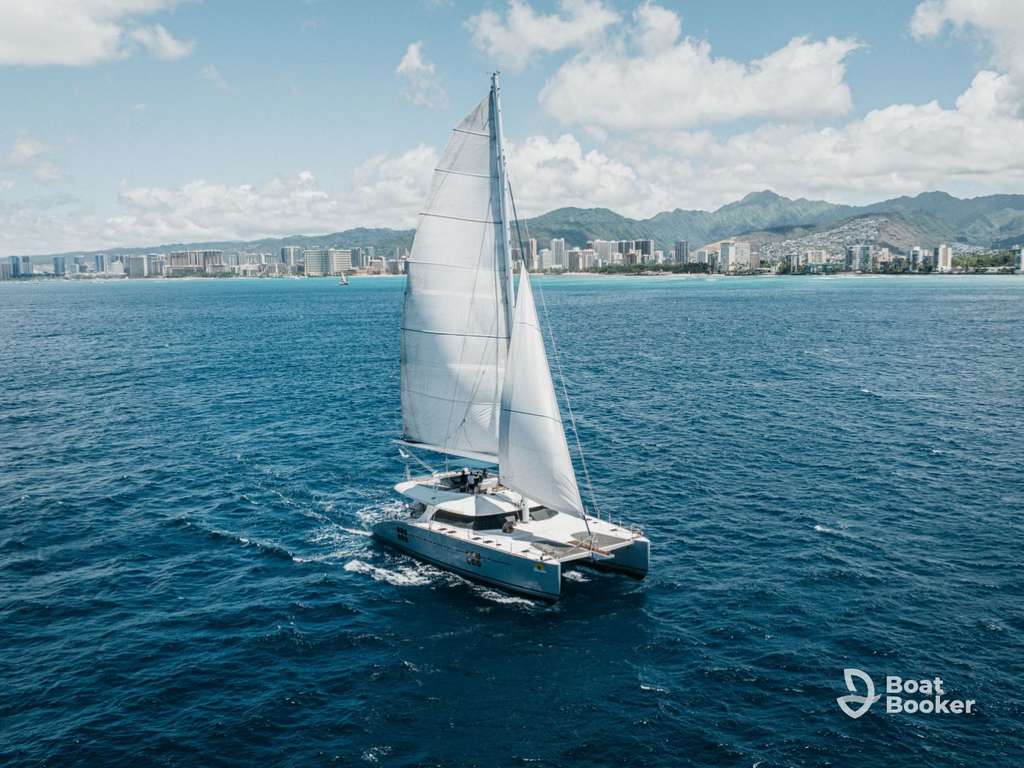
The logistics are simpler than most people expect. The main islands sit close together – short flights connect them in under 45 minutes, one ferry route links Maui to Lanai, and private boat charters can get you between some islands without setting foot in an airport. This guide breaks down how to get between islands, which ones to pair together, what it costs, and the on-water experiences worth booking on each stop.
What Is Island Hopping in Hawaii?
Hawaii is an archipelago of eight main islands, six of which are open to visitors: Oahu, Maui, the Big Island (officially Hawaii Island), Kauai, Lanai, and Molokai. Island hopping simply means visiting more than one of these islands on a single trip.
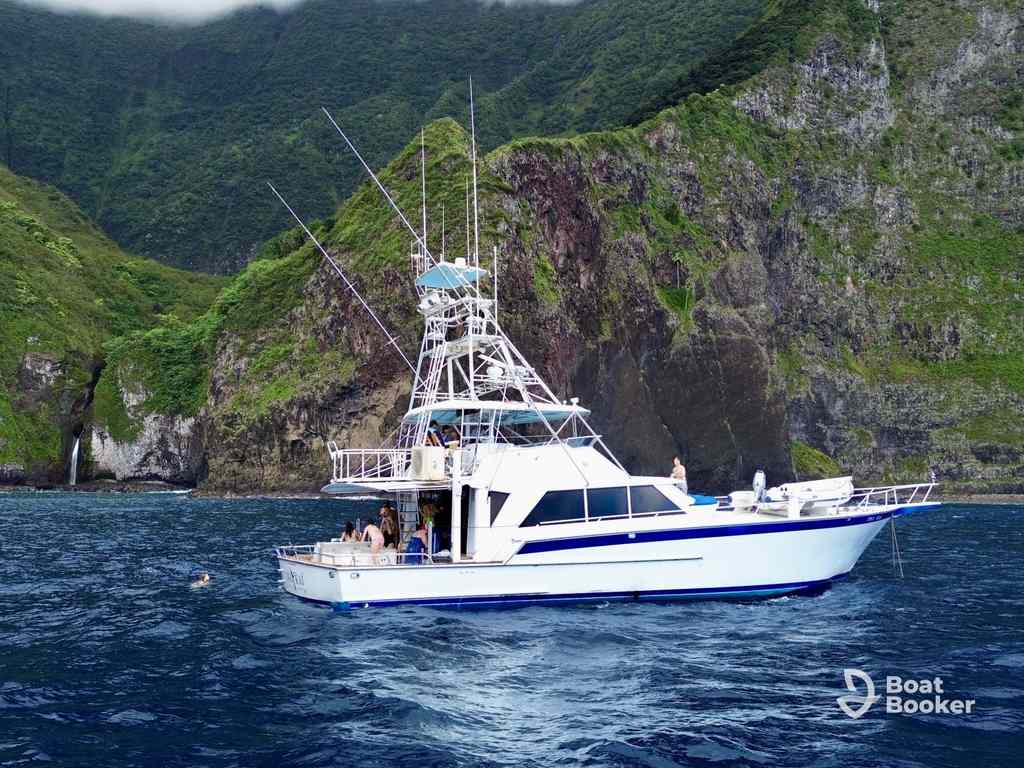
Unlike island hopping in Greece or Thailand – where you might catch a slow ferry between dozens of islands – Hawaii’s version usually revolves around short inter-island flights. The islands are spread across roughly 400 miles of open Pacific, so there’s no island-to-island ferry network. The one exception is the Maui–Lanai ferry.
Each island has a distinct personality. You’re not just seeing “more Hawaii” – you’re seeing completely different landscapes, activities, and vibes. That difference is what makes the extra planning worth it.
How to Get Between Islands
Inter-Island Flights
Flights are how most people island hop. Three airlines operate inter-island routes:
- Hawaiian Airlines – the biggest inter-island carrier, with the most daily flights between major airports. Expect to pay $70–$150 one way depending on the route and how far ahead you book. Checked bags cost extra (around $25–$35 per bag each way).
- Southwest Airlines – flies several inter-island routes and includes two free checked bags per passenger. For families, that savings adds up fast – easily $100+ per leg compared to Hawaiian.
- Mokulele Airlines – operates smaller prop planes (9-seat Cessna Caravans) to smaller airports, including on Molokai and Lanai. Fares run $40–$100 one way. The small planes fly low, so you get incredible aerial views.
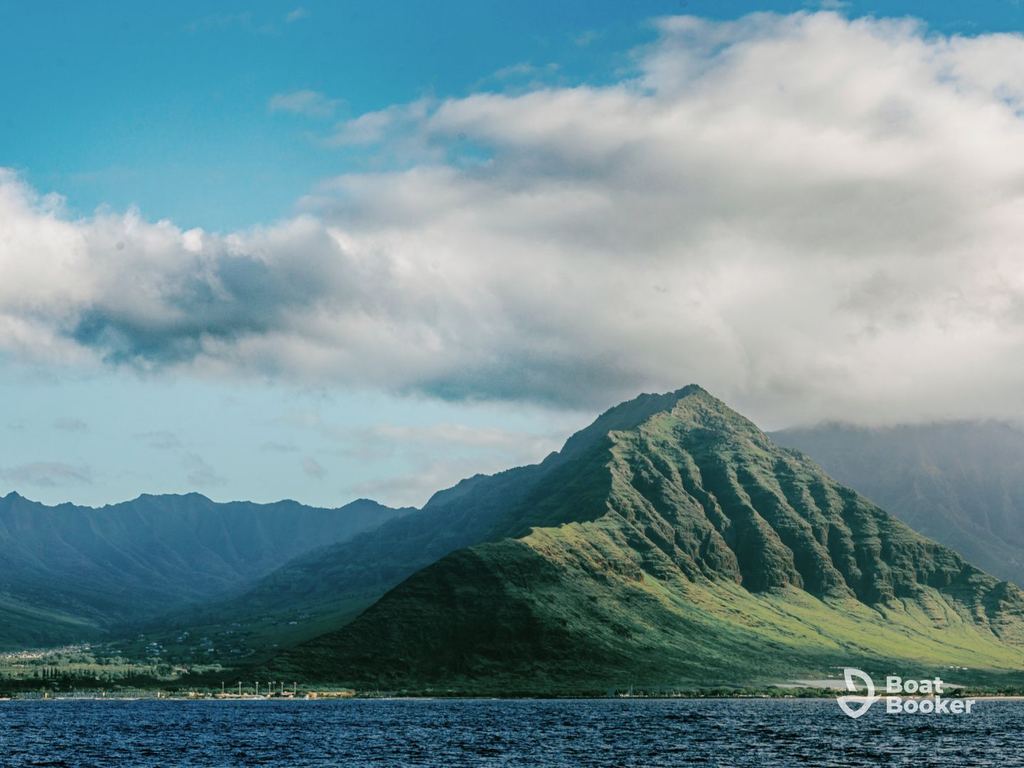
Flight times between islands range from 20 to 45 minutes in the air. Add in airport time (most people allow 1.5–2 hours for security and boarding at smaller Hawaii airports), and you’re looking at a 3–4 hour door-to-door commitment for each hop.
Booking tip: Book inter-island flights as early as you can. Prices climb sharply within two weeks of departure, especially on popular routes like Honolulu–Kahului (Maui).
The Maui–Lanai Ferry
The Expeditions Lanai Ferry is the only public ferry operating between Hawaiian islands. It sails three times daily between Lahaina Harbor on Maui and Manele Harbor on Lanai. The crossing takes about 70 minutes across the Au’au Channel.
Tickets run around $30 one way for adults. Between December and May, you have a solid chance of spotting humpback whales during the crossing – it’s one of the best unplanned whale watching opportunities in the state.
This ferry makes Lanai a very doable day trip from Maui. You don’t need to fly, and you don’t need to book a hotel on Lanai unless you want to stay overnight.
By Boat (Charters and Cruises)
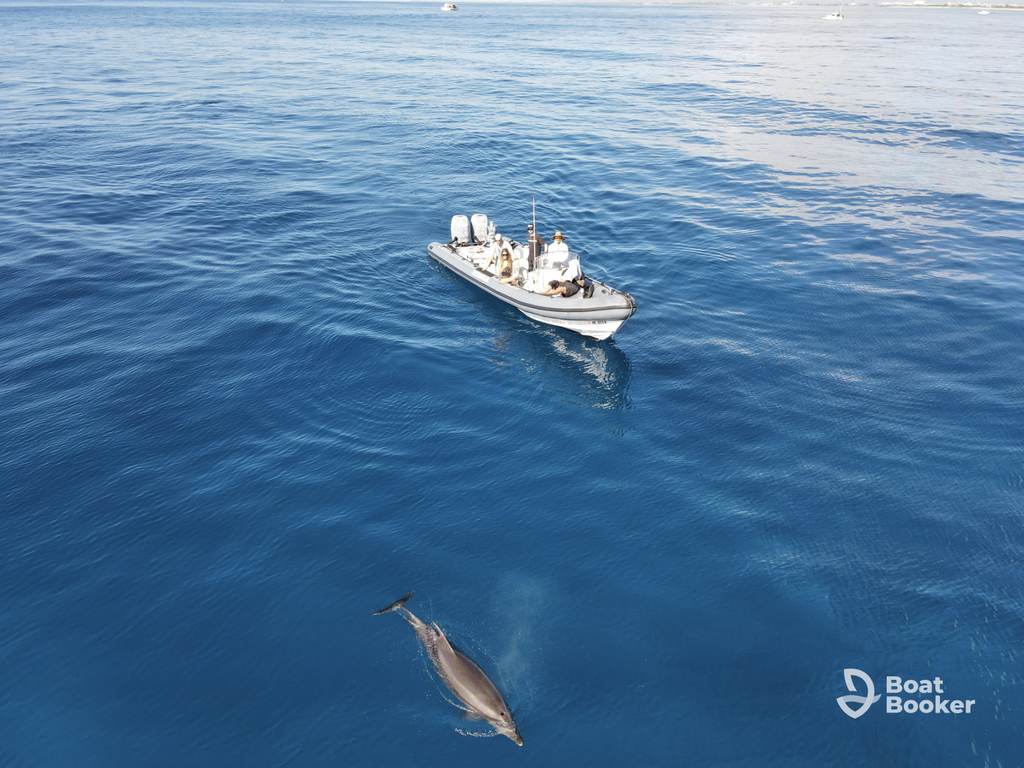
For a completely different experience, you can hop between islands by boat. This isn’t the cheapest option, but it lets you skip airports entirely and turns the transit itself into part of the adventure.
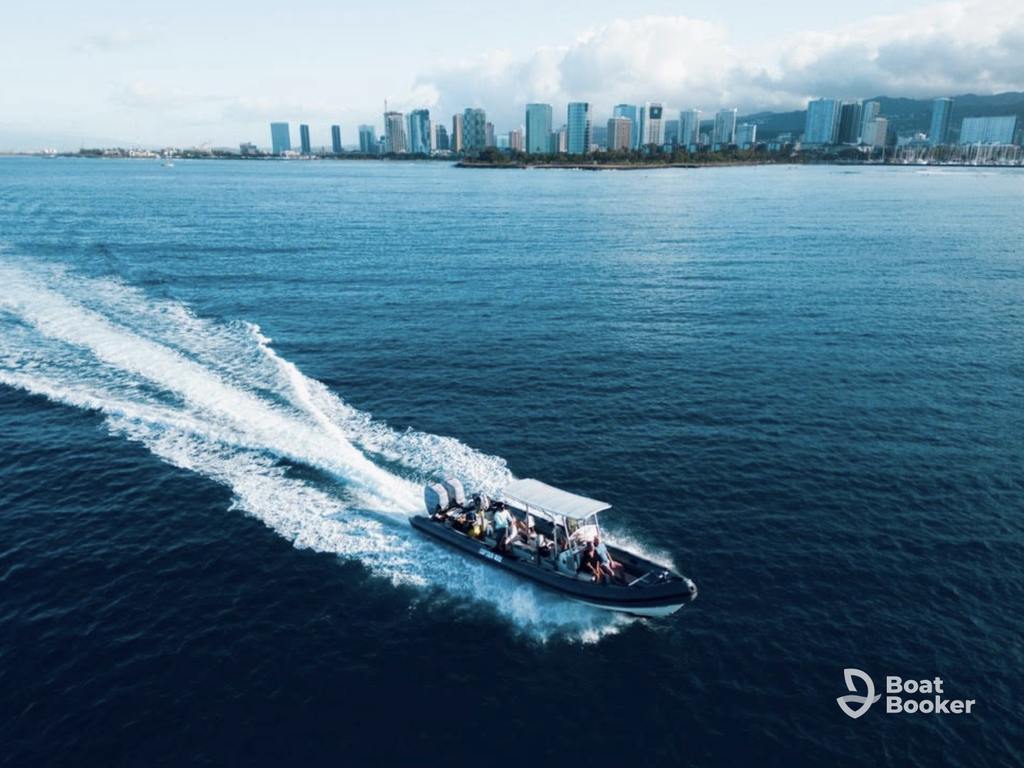
Private boat charters – You can book a captain and crew to take you from one island to another, with stops for snorkeling, swimming, or cruising along the coastline. Island hopping charters out of Honolulu are a popular option, especially for groups who want flexibility.
Small-ship cruises – Companies like UnCruise Adventures and Norwegian Cruise Line run multi-island itineraries that handle all the logistics for you. You sleep on the ship, wake up at a new island, and spend the day exploring. These cruises typically run 7–10 days and cost $2,000–$5,000+ per person depending on the line and cabin.
The boat option makes the most sense for the Maui–Lanai–Molokai triangle, where the islands are close enough that crossings are short and scenic. For longer hops – say, Oahu to Kauai – flying is more practical.
Which Islands to Visit (and How to Pair Them)
Oahu
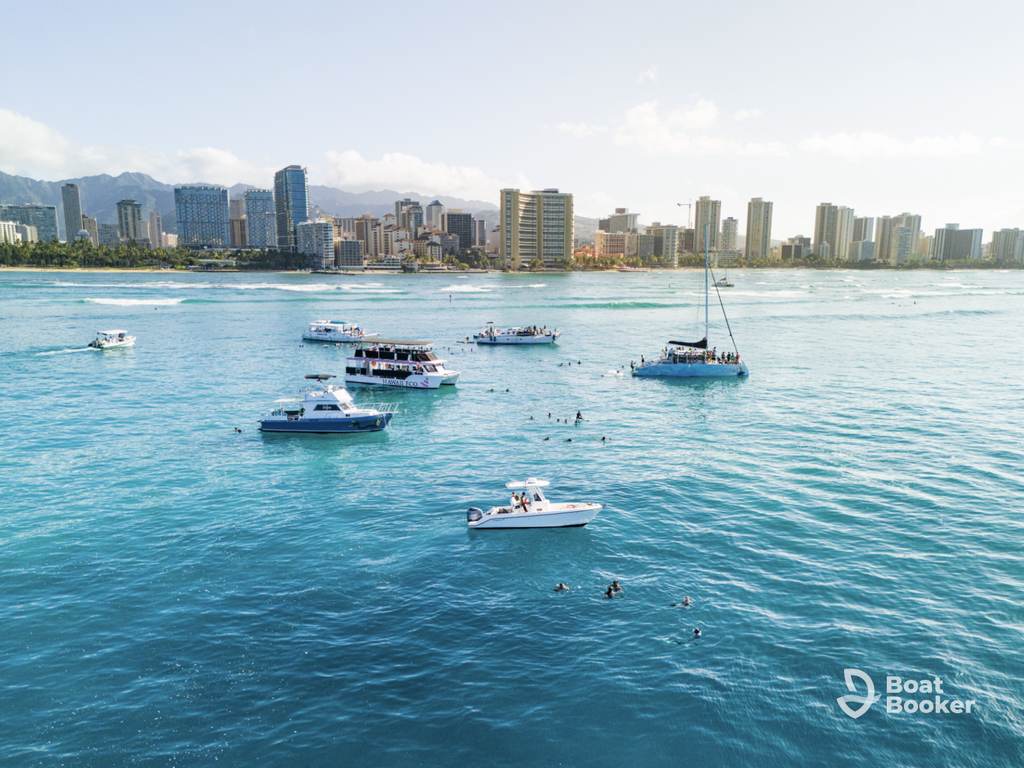
Oahu is where most visitors land first – Honolulu’s Daniel K. Inouye International Airport is the state’s main hub. It’s the most developed island, home to Waikiki Beach, Pearl Harbor, and a food scene that ranges from legendary shrimp trucks to high-end restaurants.
Give Oahu at least 2–3 days. That’s enough time for Pearl Harbor, a drive up the North Shore, some beach time in Waikiki, and a sunset sail. If you only have a week in Hawaii, spending it all on Oahu is a perfectly solid choice.
Maui
Maui is the most popular island for first-time visitors after Oahu – and for good reason. The Road to Hana, Haleakala sunrise, and beaches like Ka’anapali and Wailea are all worth the trip.
Plan for 3–4 days. That gives you time for the Road to Hana drive (which eats a full day), a morning at Haleakala, and a snorkeling trip to Molokini Crater – one of Hawaii’s best underwater spots. Maui also pairs naturally with a day trip to Lanai via the ferry.
Big Island (Hawaii Island)
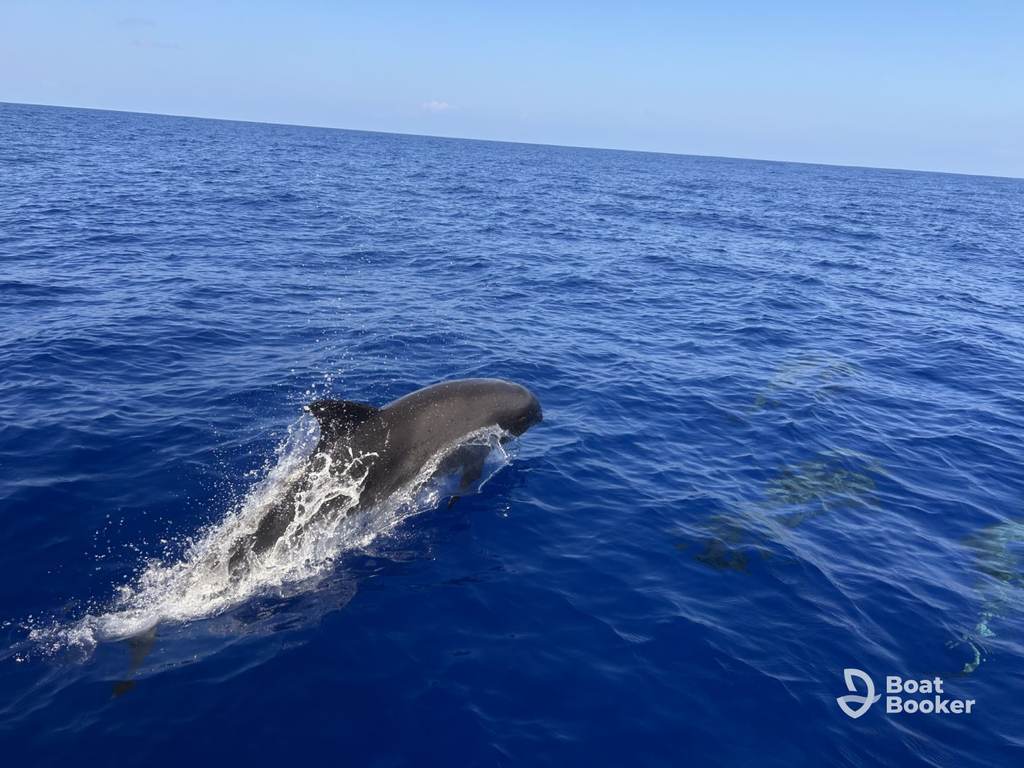
The Big Island is physically massive – almost twice the size of all the other islands combined. It has Hawaii Volcanoes National Park, black sand beaches, lush rainforest on the Hilo side, and dry volcanic coastline on the Kona side.
Plan 3–4 days minimum. The must-do here is the manta ray night snorkel off Kona – snorkeling and diving tours from Kailua-Kona are outstanding. You’ll also want time for the volcano. The drive between Kona and Hilo takes about two hours each way.
Kauai
Kauai is the oldest main island and the most lush. The Na Pali Coast – towering green cliffs dropping straight into the ocean – is one of Hawaii’s most dramatic sights. The best way to see it is by boat or helicopter. Waimea Canyon, often called the “Grand Canyon of the Pacific,” is the other headline attraction.
Three days works well for Kauai. A Na Pali Coast catamaran tour, a day at Waimea Canyon, and some beach time will fill your days without feeling rushed.
Lanai and Molokai
These two smaller islands are best suited for travelers with 14+ days or those who want something quieter and less touristy. Lanai is easiest to reach via the Maui ferry for a day trip. Molokai is accessible by Mokulele Airlines and feels like stepping back in time – few hotels, no traffic lights, and genuine local culture.
Best Island Combinations for Your Trip Length
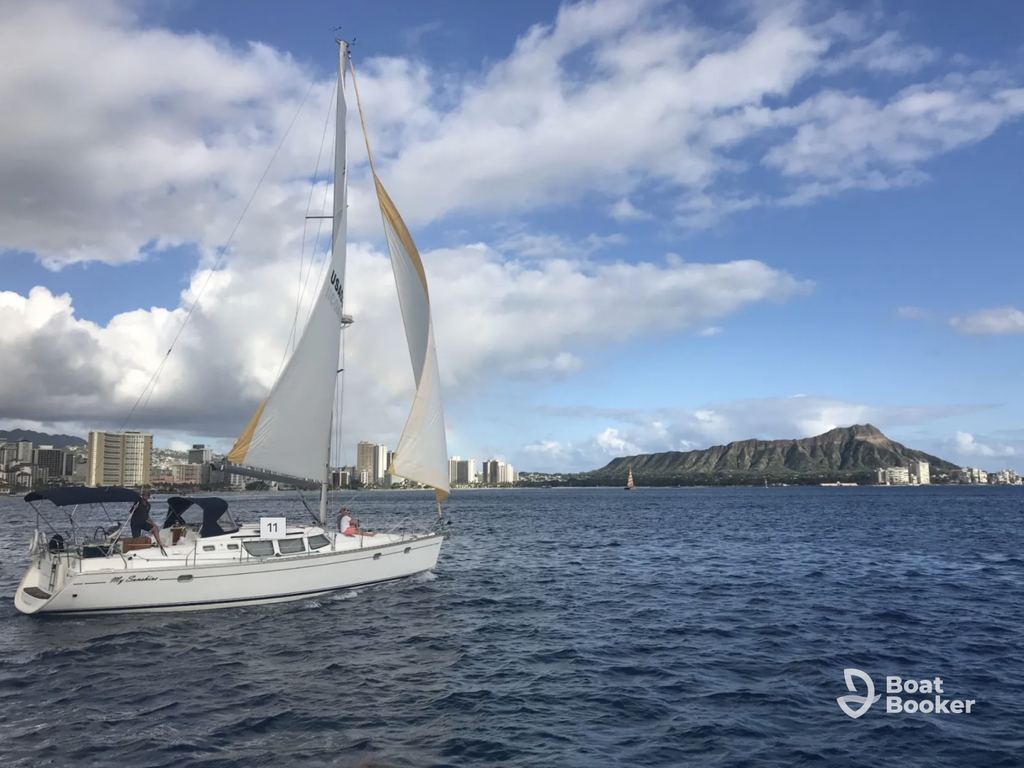
Don’t try to squeeze too many islands into too few days. Travel days eat into your vacation, and you’ll spend more time in airports than on beaches. Here’s a realistic framework:
- 7 days – Stick to one island. Oahu or Maui are the best picks for a first trip. You’ll have enough time to relax and explore.
- 10 days – Two islands works well. Oahu + Maui is the classic first-timer combo – easy flights, both islands have plenty to do, and you get a mix of city and nature. Maui + Big Island gives you the most landscape diversity.
- 14 days – Two or three islands. Oahu + Maui + Big Island covers the “big three.” Or try Kauai + Big Island if you love nature and don’t care about Waikiki. Add a Lanai day trip from Maui if you’re doing the Maui leg.
A common mistake is planning four islands in two weeks. You’ll spend two full days just on flights and airport transfers. Three islands in 14 days is the upper limit for an enjoyable trip.
How Much Does Island Hopping in Hawaii Cost?
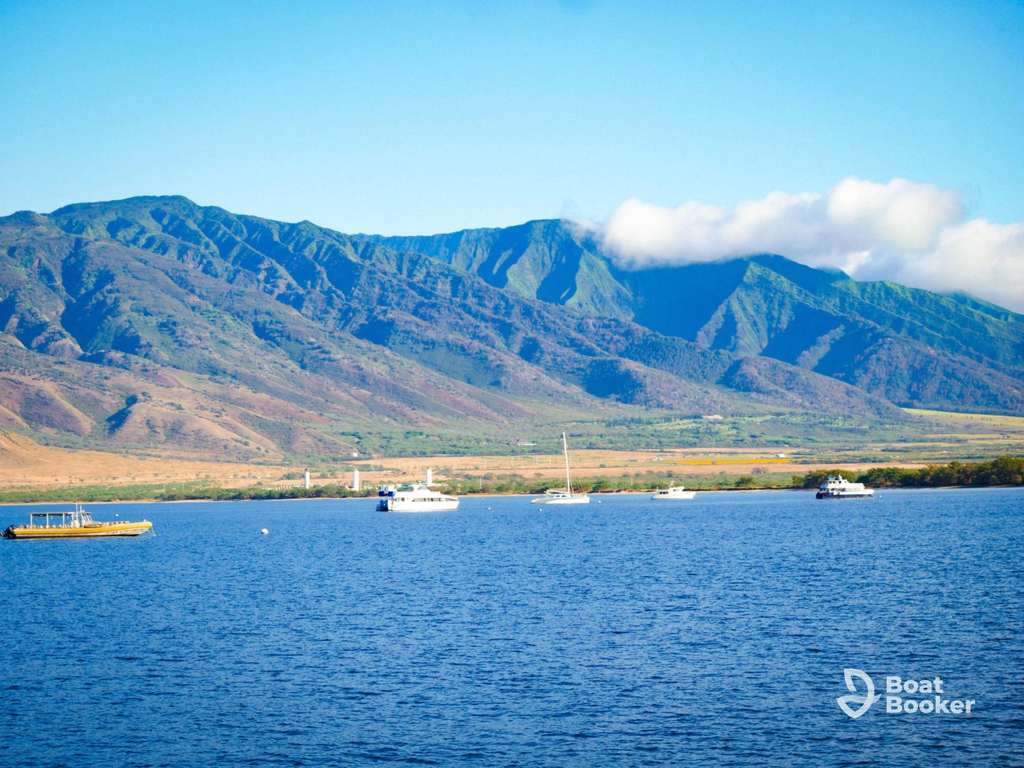
The added cost of visiting multiple islands mostly comes down to transportation and car rentals. Here’s what to budget:
- Inter-island flights: $70–$150 per person, one way. Book early for the lower end. Budget carriers and advance purchases can bring this down to $40–$70.
- Maui–Lanai ferry: ~$30 per person, one way.
- Private boat charter: Varies widely – a half-day charter from Honolulu might run $500–$1,500+ for the boat depending on size and itinerary.
- Car rentals: You’ll likely need a car on each island (except Lanai). Renting and returning at the airport on each island is standard. Expect $50–$100/day depending on the island and season.
Flying vs. boat for short hops: For the Maui–Lanai run, the ferry is cheaper and more scenic than flying. For everything else, flights are the most cost-effective option unless you’re chartering a boat and want the transit to be part of the experience. A private charter costs more than two plane tickets, but you get a half-day on the water out of it – so you’re really paying for an activity, not just transportation.
Southwest’s free bags advantage is real and worth factoring in. A family of four checking bags on Hawaiian Airlines could pay $200+ in bag fees per flight. On Southwest, that’s $0.
When to Go
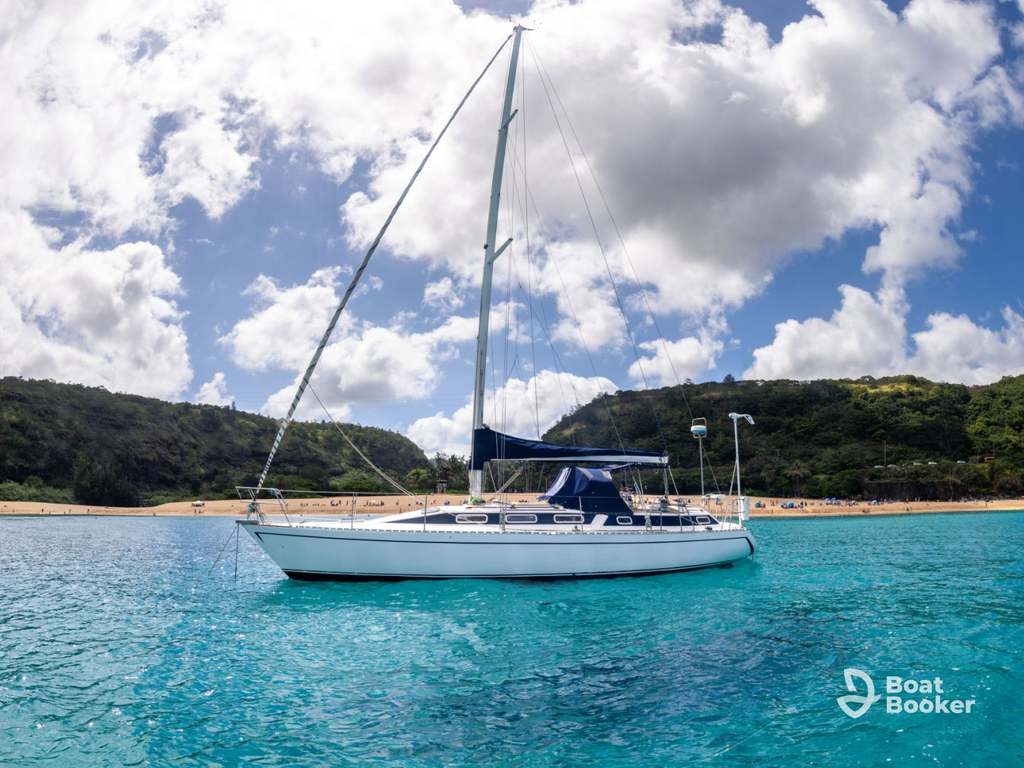
Hawaii has warm weather year-round, so there’s no bad time to visit. Still, some windows are better than others.
- April–June and September–early November are the sweet spots. Fewer crowds, lower prices, and great weather. These shoulder seasons give you the best balance of value and experience.
- December–March is whale watching season. Humpback whales migrate to Hawaiian waters during these months, and the sightings – especially off Maui and the Big Island – are spectacular. This is also peak tourist season, so expect higher prices and bigger crowds.
- Summer (June–August) brings the most visitors and the highest prices. If you’re traveling with school-age kids, you may not have a choice – just book flights and accommodations as early as possible.
Water conditions also shift with the seasons. Winter brings larger swells to the north shores of each island, and that can affect boat tours and snorkeling trips. South-facing shores tend to be calmer in winter. Your boat captain will know the conditions – this is more of an awareness point than a dealbreaker.
Tips for a Smooth Island-Hopping Trip
- Book early-morning flights between islands. Morning flights in Hawaii have the lowest cancellation and delay rates. You also get to your next island with a full day ahead of you instead of arriving at dinnertime.
- Pack light. If you’re flying inter-island on Hawaiian or Mokulele, every bag has a fee. Even on Southwest, lighter luggage means faster transitions. Leave room in your bag for things you’ll pick up along the way.
- Don’t overpack your itinerary. Build in at least one unplanned day per island. Some of the best Hawaii moments – a random beach, a local plate lunch spot, a sunrise you didn’t set an alarm for – happen when you’re not rushing to the next thing.
- Book on-water experiences early. Popular tours like Molokini snorkeling, Na Pali Coast cruises, and manta ray night dives sell out weeks in advance, especially in peak season. Lock these in before you go.
- Consider travel insurance. With multiple flights, car rentals, and activity bookings, there are more things that can go sideways on a multi-island trip. A basic travel insurance policy can save you from an expensive headache if a flight cancels or weather shuts down a tour.
On-Water Experiences Worth Booking on Each Island
This is where island hopping really pays off. Each island has signature water experiences you can’t get anywhere else.
- Oahu – A sunset sail off Waikiki is one of the most popular boat experiences in Hawaii, and for good reason – the views of Diamond Head from the water as the sun drops are hard to beat. The North Shore around Haleiwa is also excellent for dolphin and whale watching tours in season. Snorkeling tours off Oahu head to spots like Turtle Canyon, where green sea turtle sightings are almost guaranteed.
- Maui – The Molokini Crater snorkeling trip is Maui’s top on-water activity. This partially submerged volcanic crater creates a natural sheltered basin with visibility reaching 100+ feet. During whale season, whale watching tours from Lahaina are among the best in the world – the Au’au Channel between Maui and Lanai is a prime calving ground for humpbacks.
- Big Island – The manta ray night snorkel off Kona is genuinely unlike anything else in Hawaii. You float on the surface with a light while manta rays – some with 12-foot wingspans – glide inches below you. Snorkeling and diving tours from Kailua-Kona also run daytime reef trips along the Kohala Coast.
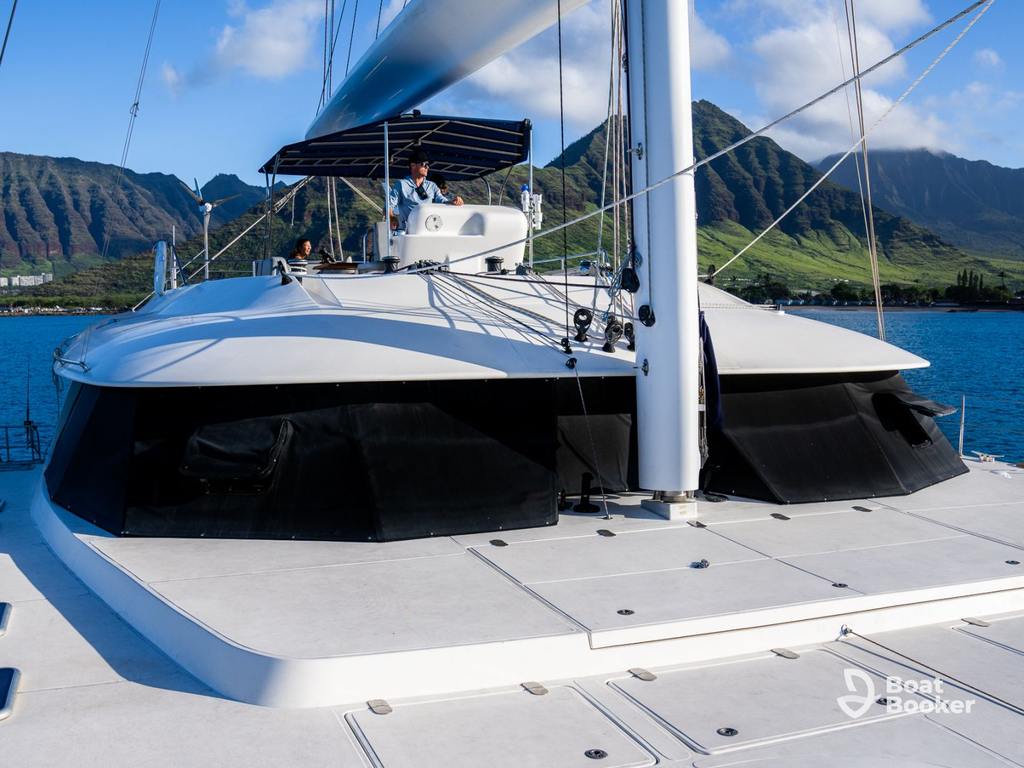
- Kauai – The Na Pali Coast boat tour is a bucket-list experience. The 17-mile stretch of emerald cliffs, sea caves, and hidden beaches is only accessible by boat, helicopter, or a strenuous 11-mile hike. Catamaran and zodiac tours run along the coast with stops for snorkeling and dolphin watching.
Frequently Asked Questions about Island Hopping in Hawaii
Have you island hopped in Hawaii? We’d love to hear which combination worked best for you – and whether you’d recommend the ferry to Lanai or skipping it in favor of more time on Maui. If anything in this guide is out of date (flight prices change fast), drop a note in the comments and we’ll update it.