
The 15 Best Boating Lakes in the US for Your Next On-Water Adventure
The US has more than 100,000 lakes and reservoirs, and a surprising number of them are genuinely spectacular for boating. Whether you’re after mirror-still alpine water so clear you can see 70 feet down, warm southern coves built for wakeboarding, or a sprawling Midwestern sea with its own weather patterns, the best boating lakes in the US offer something for every style of trip – from a lazy pontoon afternoon with the family to a multi-day houseboat adventure through red-rock canyons.
This list spans 15 lakes across the West, Midwest, South, and East so you can find one within reach no matter where you’re based. One quick note before diving in: if you’re planning to boat in a state other than your home state, check that state’s boating education requirements. Most states honor out-of-state boating safety certificates, but a handful require their own – and the rules change often enough that it’s worth confirming before you launch.
What Makes a Great Boating Lake?
Not every beautiful lake is a great boating lake. Here’s what we looked for when putting this list together:
- Multiple access points and ramps. A lake with one overcrowded boat ramp on a holiday weekend isn’t fun for anyone. The best lakes have several public and marina-operated launch sites spread around the shoreline, so you can get on the water without a two-hour queue.
- Variety of on-water activities. Pontoon cruising, wakeboarding, sailing, fishing, paddleboarding, tubing – the more a lake supports, the easier it is for a mixed group to all have a good time. Some lakes are zoned with no-wake coves for families and open stretches for water sports, which is ideal.
- Water conditions and clarity. Calm, protected bays make a lake accessible for beginners and families with small kids. Deep, clear water tends to mean better swimming and more striking scenery from the boat. Wind patterns matter too – some lakes are reliably glassy in the mornings and choppy by afternoon, which shapes your planning.
- Shoreside amenities. Waterfront restaurants you can pull up to by boat, well-maintained marinas with fuel and supplies, nearby lodging, and campgrounds all make the difference between a day trip and a real vacation destination.
- Boating season length. Lakes in the South and Southwest often offer year-round or near-year-round boating. Northern alpine lakes might give you June through September. Although neither is wrong, it’s worth knowing what window you’re working with.
Lake Tahoe, California–Nevada
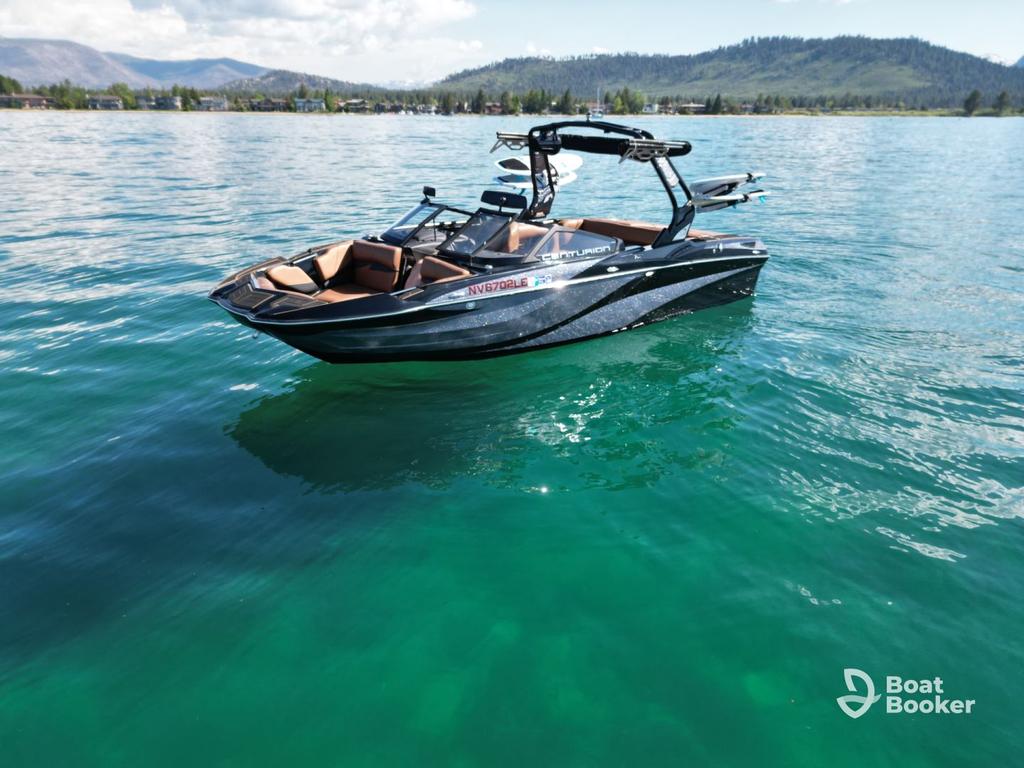
Straddling the California–Nevada border at 6,225 feet of elevation, Lake Tahoe is one of the most visually stunning bodies of water in North America. The lake stretches roughly 190 square miles and plunges more than 1,600 feet deep – making it the second-deepest lake in the US. That depth is part of why the water is so clear; visibility regularly exceeds 60 feet, and the color shifts between deep cobalt and electric turquoise depending on the light and the time of day.
Boating season runs from late May through early October, with July and August offering the warmest water temperatures (low to mid-60s °F at the surface – refreshing, not warm). Boat tours on Lake Tahoe range from narrated sightseeing cruises around Emerald Bay to pontoon rentals for a self-guided afternoon. Wakeboarding and tubing are popular on the Nevada side where the shoreline is less developed, while kayakers and paddleboarders tend to stick to the calmer west-shore coves. If you’re choosing a boat type, a pontoon is hard to beat here – the water is calm enough most mornings for a smooth ride, and you’ll want deck space to take in the scenery.
On shore, the Tahoe Rim Trail offers over 170 miles of hiking with lake views, and Emerald Bay State Park is home to Vikingsholm, a 1920s Scandinavian-style castle accessible only by trail or boat. The town of Tahoe City has a walkable strip of restaurants and shops, and South Lake Tahoe leans livelier with casinos on the Nevada side. Families with younger kids should look into the calm, shallow beaches at Kings Beach or Commons Beach, both with picnic areas and easy water access.
Lake Powell, Arizona–Utah

Lake Powell is a 186-mile-long reservoir carved into the red-rock canyons of southern Utah and northern Arizona, managed as part of the Glen Canyon National Recreation Area. It’s not a lake in the traditional sense. Rather, it’s a flooded labyrinth of sandstone slot canyons, with 1,960 miles of shoreline (more than the entire US Pacific coast) and hidden coves that feel like you’ve driven your boat into another planet.
This is the premier houseboating destination in the US. Multi-day houseboat rentals are the signature way to experience Powell – you anchor in a secluded cove, sleep on the water, and explore a new canyon each day. Beyond houseboating, the lake is excellent for wakeboarding, jet skiing, and fishing for striped bass and largemouth bass. Water temperatures climb into the upper 70s by midsummer, making it one of the warmest lakes on this list.
Peak season runs May through September, though spring and fall offer smaller crowds and still-comfortable temps. Keep in mind that lake levels have fluctuated significantly in recent years due to drought, which has affected some launch ramps and marina access. Check current conditions through the National Park Service before booking.
The nearest town of Page, Arizona sits at the lake’s southern edge and serves as the jumping-off point for Horseshoe Bend (a five-minute drive) and Antelope Canyon (a short drive plus a guided tour). Wahweap Marina is the most popular launch point, with fuel, supplies, and houseboat rentals on-site. Families should know that the canyon walls provide natural shade in the mornings and evenings, which makes Powell surprisingly pleasant for kids even in July heat.
Lake Michigan, Michigan–Wisconsin–Illinois-Indiana
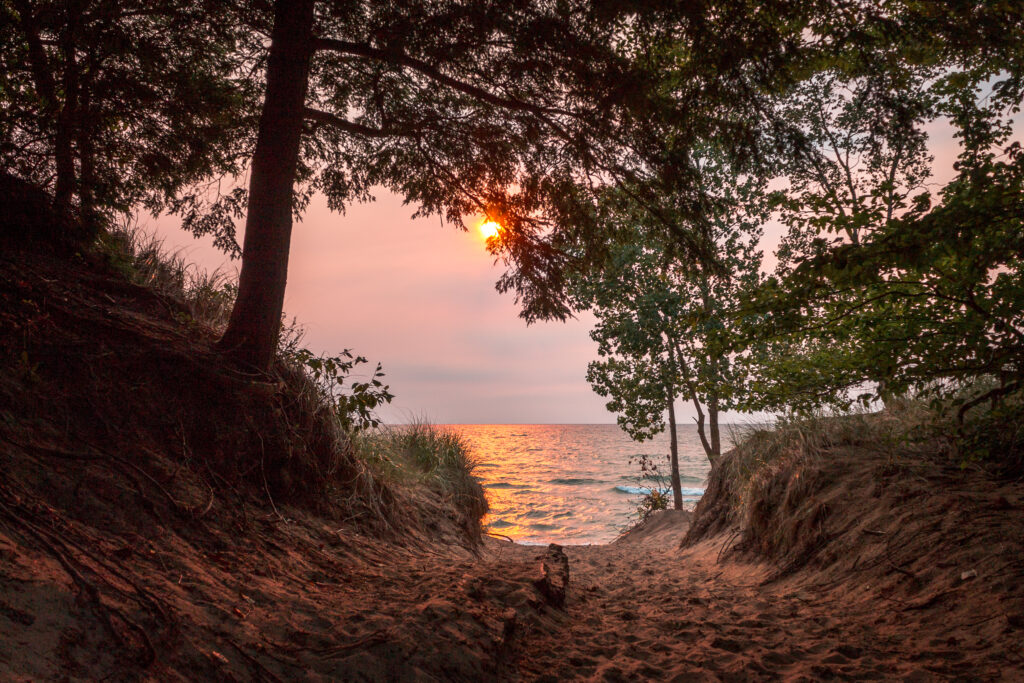
Calling Lake Michigan a “lake” feels like an understatement. It’s the third-largest of the Great Lakes by surface area, stretching 307 miles north to south with a shoreline that touches four states. The water is freshwater, the waves can rival an ocean’s, and on a clear day from the eastern shore you can’t see the other side.
Boat tours on Lake Michigan range from Chicago architecture cruises along the city’s skyline to fishing charters out of Traverse City targeting salmon and lake trout. Sailing is phenomenal here – the lake’s size creates reliable wind patterns, and harbor towns like Charlevoix and Petoskey host regattas throughout summer. For calmer boating, the protected bays along the Leelanau Peninsula and the Sleeping Bear Dunes shoreline are ideal for pontoons and kayaks.
Boating season typically runs mid-May through October, with water temperatures peaking around 70 °F in August. If you’re unfamiliar with Great Lakes boating, respect the weather. Conditions can shift quickly, and the lake is deep enough (over 900 feet in places) to generate serious swells.
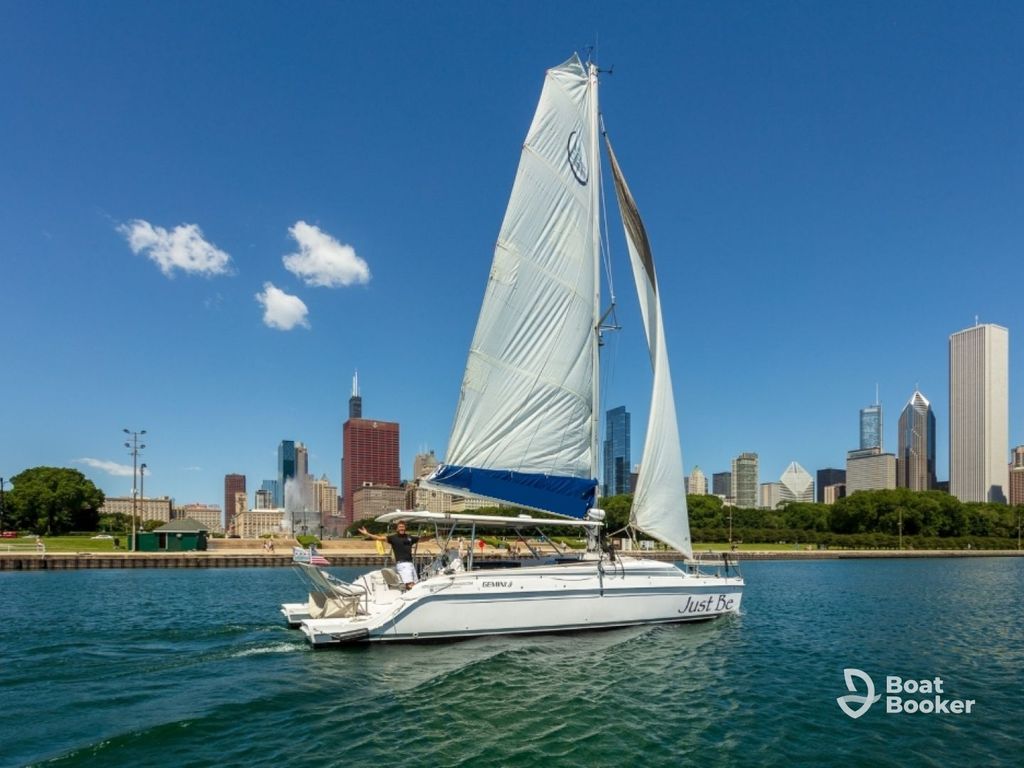
Shoreside highlights depend heavily on which stretch you’re visiting. The Michigan side offers Sleeping Bear Dunes National Lakeshore, wine tasting on the Old Mission Peninsula, and the quaint harbor towns of the “Tunnel of Trees” route along M-119. Chicago‘s lakefront is a boating destination in its own right, with Navy Pier, lakefront dining, and easy marina access from downtown. Families with kids tend to gravitate toward the shallow, sandy beaches near Traverse City and Holland, where the water warms up earlier in summer.
Lake of the Ozarks, Missouri
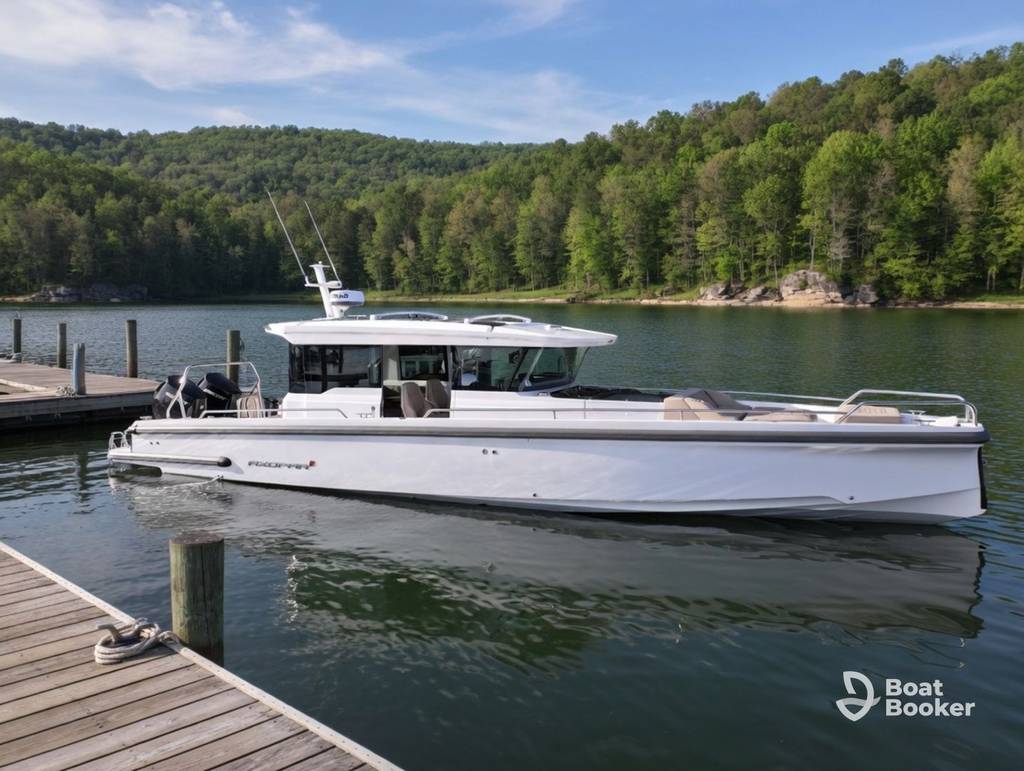
Frequently rated as one of the best recreational lakes for boating in the country, Lake of the Ozarks delivers on sheer scale. This 54,000-acre reservoir in central Missouri has over 1,100 miles of shoreline – more than the coast of California – winding through the Ozark hills in a serpentine shape that creates countless coves, inlets, and party spots. It’s not a wilderness lake; it’s a boating playground with a built-in social scene.
The lake’s warm, relatively calm water makes it ideal for just about every powered water sport: wakeboarding, tubing, jet skiing, and pontoon cruising through the main channel. Boat tours and rentals at Lake of the Ozarks are available throughout the season, which runs roughly April through October, with the heaviest traffic on holiday weekends from Memorial Day through Labor Day. Fishing is strong year-round for bass, crappie, and catfish. A speedboat or a pontoon boat are the two most popular choices here – speedboats for the main channel, pontoons for a cove crawl with friends.
On shore, the lake is ringed with restaurants, many of them accessible by boat – tying up to a waterfront dock for lunch is practically a local tradition. Bridal Cave, a massive underground cavern near Camdenton, offers guided tours year-round. Families should check out the Ha Ha Tonka State Park ruins, a castle-like stone structure overlooking the lake from a bluff. Although the Party Cove tradition has mellowed in recent years due to new regulations, the lake’s social atmosphere remains a big draw for groups of friends.
Lake George, New York
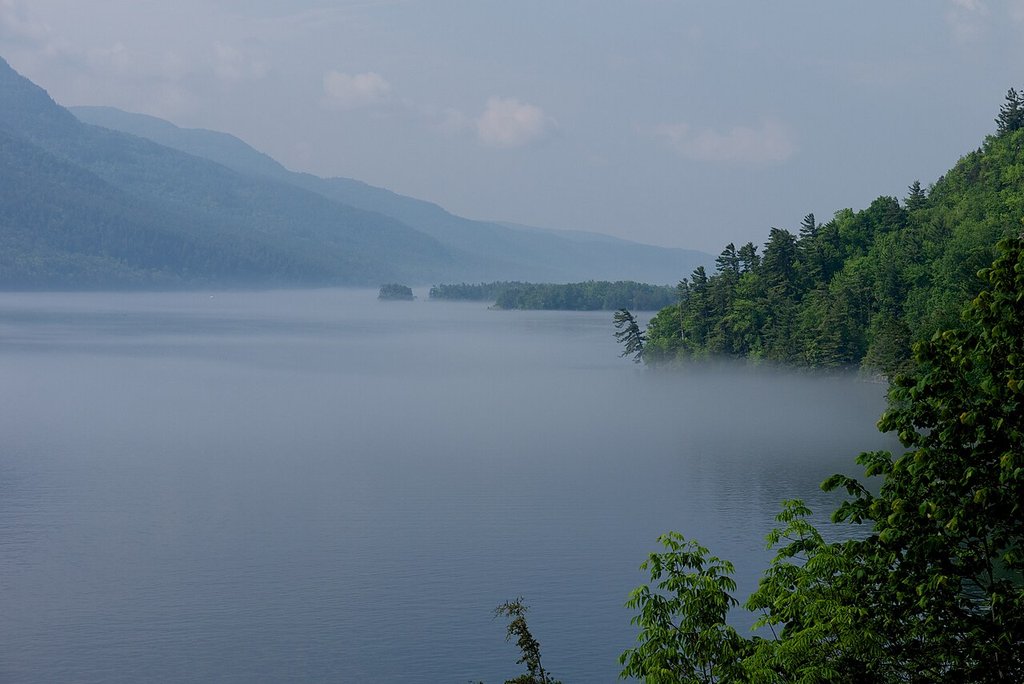
Tucked into the southeastern Adirondacks, Lake George is 32 miles long, three miles across at its widest, and dotted with over 170 islands, many of them state-owned with designated campsites you can reserve and paddle or motor to.
Lake George is popular for family-friendly boating, and for good reason. The water is calm enough for pontoons and runabouts, the islands create natural wind breaks, and the no-wake zones near the village keep things mellow where kids are swimming. Steamboat-style sightseeing cruises run daily from the village docks in summer, and fishing charters target landlocked salmon, lake trout, and bass. Kayak and paddleboard rentals are easy to find along the southern shore. Boating season runs June through September, with July and August being peak. Expect crowded ramps on weekends if you’re trailering your own boat.
Lake George Village, at the southern end, is a classic Adirondack resort town with mini golf, ice cream shops, and the Fort William Henry Museum – a reconstructed French and Indian War fort right on the lakeshore. For a quieter experience, the northern basin around Hague and Ticonderoga sees less traffic and offers better island camping access. Million Dollar Beach, despite the name, is a free public beach with a boat launch and swimming area that’s perfect for families.
Lake Havasu, Arizona–California
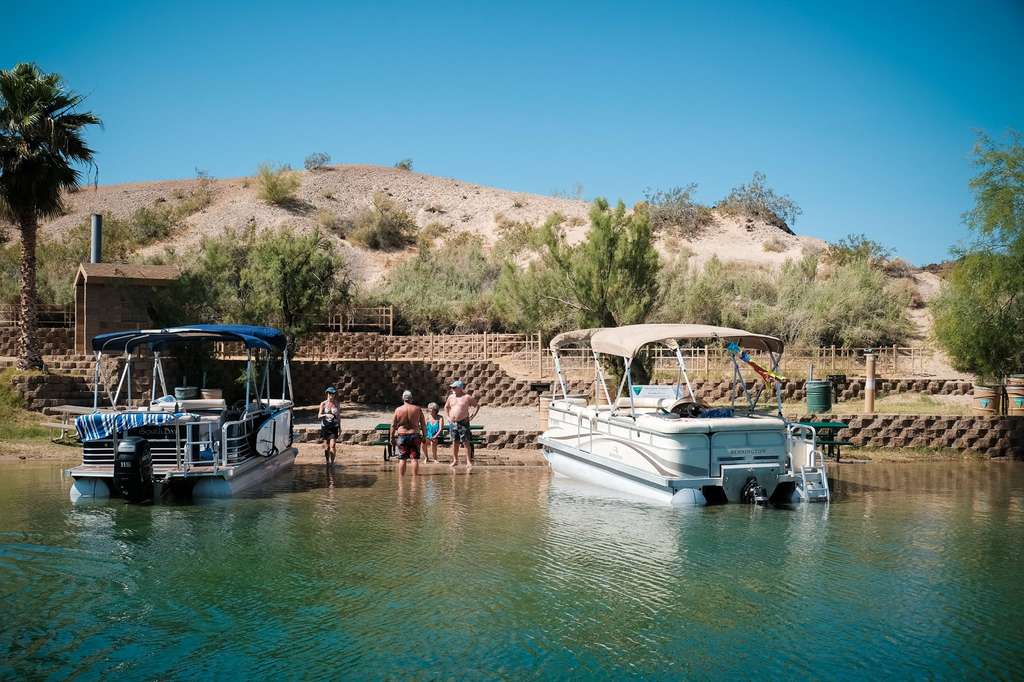
Lake Havasu attracts close to a million visitors each year, earning it the unofficial nickname “Arizona’s Playground.” The lake sits on the Colorado River along the Arizona–California border, surrounded by desert mountains that keep the air hot and the skies cloudless for most of the year. The London Bridge – yes, the actual bridge purchased from London in 1968 and reassembled stone by stone – spans a channel in Lake Havasu City and serves as the town’s centerpiece.
This is a speedboat and jet ski lake through and through. Water temperatures climb into the 80s by June, the surface stays calm most mornings, and the open water is wide enough for serious wakeboarding runs. Fishing is excellent too, particularly for largemouth and smallmouth bass – the lake has hosted multiple professional bass fishing tournaments. Boating season here is essentially year-round, though summer temperatures regularly exceed 110 °F, which makes spring (March–May) and fall (September–November) more comfortable for extended days on the water. If you’re renting, a speedboat or deck boat will let you cover the most ground between the main lake and the scenic canyons to the north.
On shore, Lake Havasu City has a walkable waterfront with restaurants, bars, and shops clustered around the London Bridge area. The Havasu National Wildlife Refuge stretches along the lake’s northern reaches and offers kayaking through Topock Gorge, a dramatic 15-mile canyon with petroglyphs and nesting birds. Families should know that the shallow, protected coves near the dam are calmer than the main channel and popular for swimming and tubing with kids.
Lake Champlain, New York–Vermont
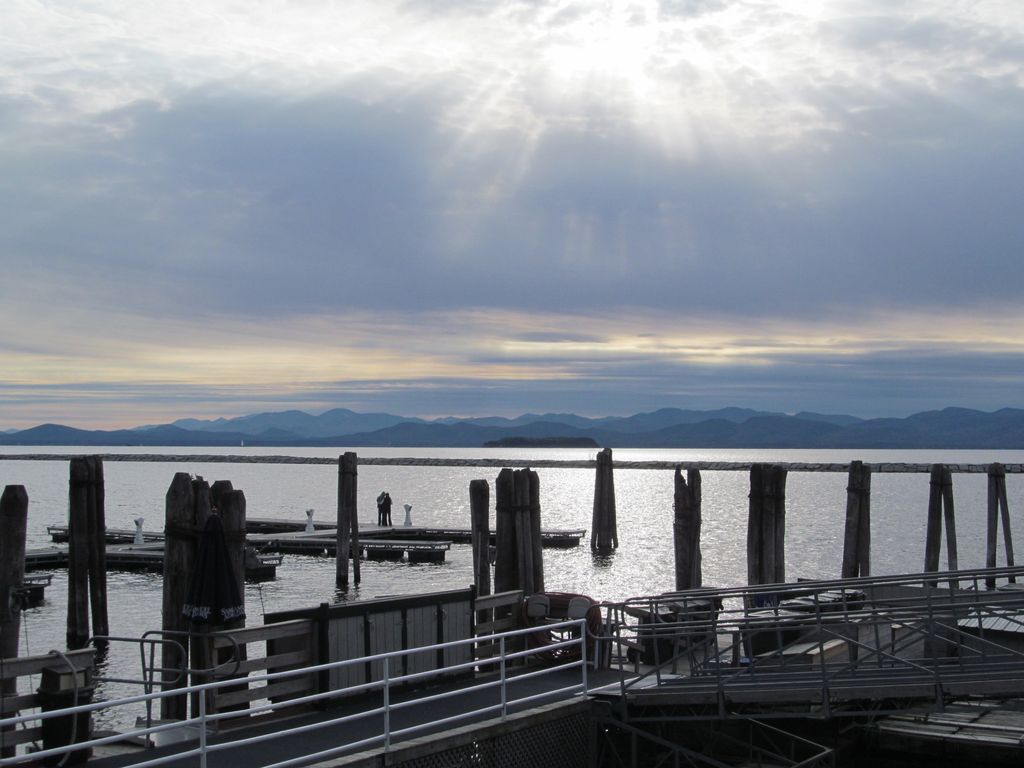
Lake Champlain stretches 120 miles along the New York–Vermont border, framed by the Adirondack Mountains to the west and the Green Mountains to the east. It’s the sixth-largest freshwater lake entirely in the US by surface area, and the mountain-framed setting gives it a character that feels more like the Swiss Alps than upstate New York. The lake is deep enough (over 400 feet in spots) to have its own legendary monster, “Champ”. However, you’re more likely to spot bald eagles, great blue herons, and the occasional osprey diving for fish.
Sailing is the signature activity here. The lake’s length and consistent summer winds make it one of the best inland sailing destinations on the East Coast, and the Burlington Community Boathouse hosts races and regattas throughout the season. Powerboating, fishing (walleye, bass, and lake trout are the primary targets), and kayaking are all strong. Luckily, the lake’s 70-plus islands include several state parks with boat-accessible camping. Boating season runs late May through mid-October, with water temperatures reaching the upper 60s in July and August. A sailboat or a center-console fishing boat are the best fits here, depending on your agenda.
Burlington, Vermont – the largest city on the lake – offers a lively waterfront with the Burlington Bike Path, craft breweries, and farm-to-table restaurants within walking distance of the marina. On the New York side, Ausable Chasm – sometimes called the “Grand Canyon of the Adirondacks” – is a worthwhile side trip. Families with kids will appreciate the calm, sandy beach at North Beach in Burlington and the relatively sheltered waters in Malletts Bay.
Lake Winnipesaukee, New Hampshire
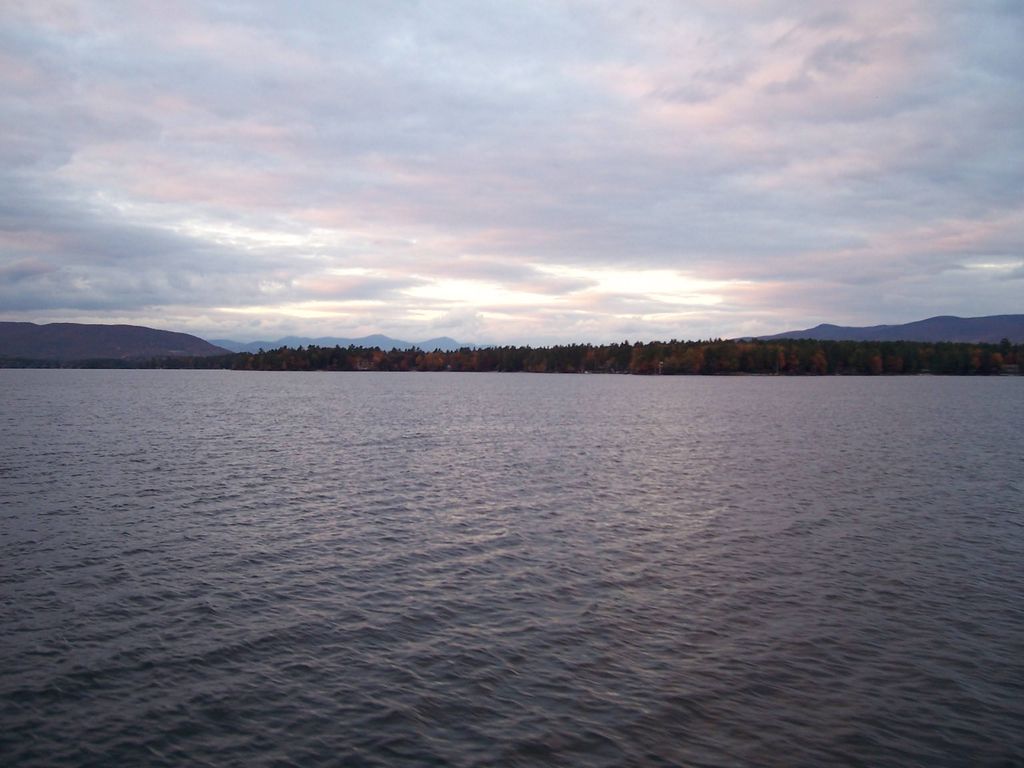
New Hampshire’s largest lake stretches across 72 square miles in the central part of the state and is dotted with more than 250 islands. While some are barely big enough for a single pine tree, others are home to seasonal cottages with their own docks. The name comes from an Abenaki word often translated as “smile of the Great Spirit,” which feels about right when you’re cruising past wooded islands with the Belknap Mountains rising in the background.
Winnipesaukee has been a boating destination since the steamship era. The M/S Mount Washington, a 230-foot cruise ship, still offers scenic trips across the lake – one of the longest-running excursions on any US inland lake. Beyond the big boat, this is prime territory for pontoon cruising, waterskiing, and fishing for landlocked salmon and smallmouth bass. Boating season runs mid-May through Columbus Day weekend, with summer water temperatures hovering in the low-to-mid 70s. The lake’s irregular shape, with lots of bays and narrows, naturally creates calm pockets even when wind picks up on the main body.
The town of Wolfeboro, on the eastern shore, claims to be “the oldest summer resort in America”. As such, it has a walkable Main Street with ice cream shops, bookstores, and waterfront dining. Weirs Beach, on the western side, is livelier. It offers arcades, a drive-in theater, and the departure dock for the Mount Washington cruises. Families should look into the boat-accessible islands with picnic areas, particularly those managed by the New Hampshire Division of Parks – it’s a low-key way to make a day trip feel like an adventure.
Flathead Lake, Montana
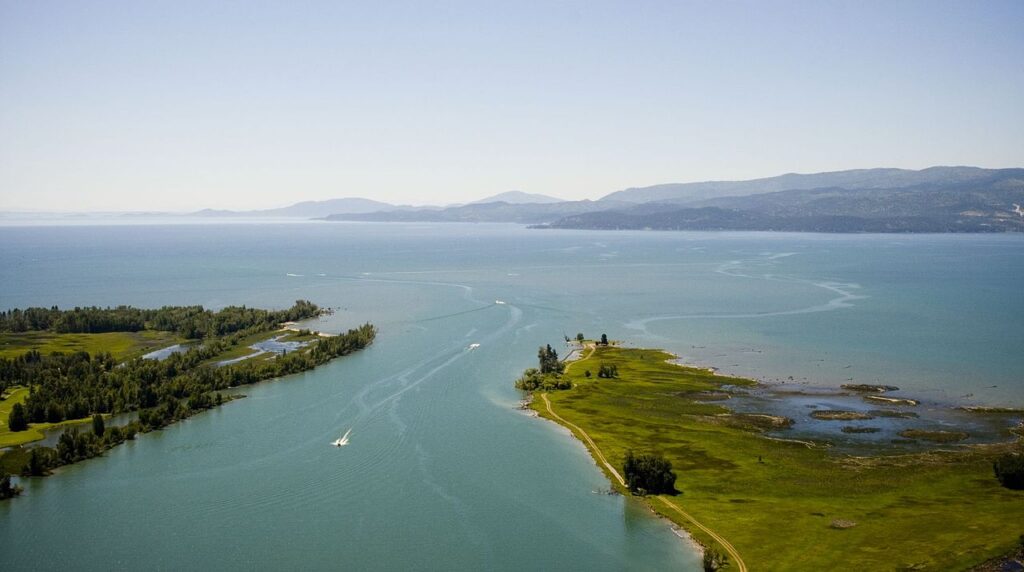
Flathead Lake is the largest natural freshwater lake west of the Mississippi, covering nearly 200 square miles in northwestern Montana’s Flathead Valley. Impressively, the water here belongs on a list of the clearest boating lakes in the country. Visibility can reach 30 feet or more, and the lake’s surface reflects the snow-capped peaks of the Mission Mountains and the Swan Range so sharply that it sometimes looks duplicated.
Boating season runs roughly June through September, with water temperatures that stay crisp – upper 60s at peak summer. Sailing, kayaking, and pontoon cruising are the primary draws, and the lake’s size gives you room to spread out even on a busy July weekend. Fishing is also a serious pursuit here, particularly for lake trout (some exceeding 20 pounds) and yellow perch. The west shore, which falls within the Flathead Indian Reservation, requires a tribal fishing permit in addition to a Montana license – an easy detail to miss. A pontoon or a center-console fishing boat are the best fits for the lake’s conditions: generally calm but capable of whitecaps when afternoon winds funnel through the valley.
The town of Polson, at the lake’s southern tip, has a compact Main Street with restaurants, a golf course, and access to the Flathead River. Bigfork, on the northeast shore, is a small arts community with galleries and a summer playhouse. Wild Horse Island State Park – accessible only by boat – is home to bighorn sheep, deer, and the occasional wild horse, and makes for a memorable stop if you’re spending a full day on the water.
Lake Cumberland, Kentucky
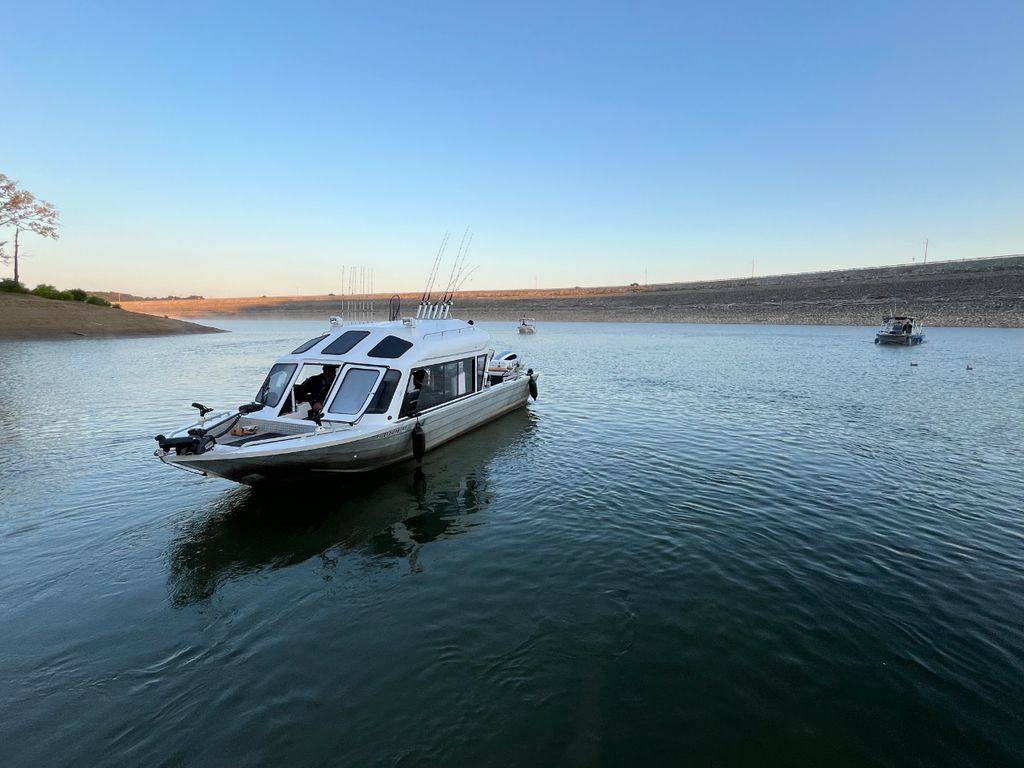
Lake Cumberland is one of the largest reservoirs east of the Mississippi, stretching over 100 miles through the rolling hills of south-central Kentucky. The lake was created by Wolf Creek Dam on the Cumberland River and holds a staggering 6.1 million acre feet of water, making it a boating destination that feels genuinely vast. The water is deep, clean, and backed by wooded hillsides that turn brilliant orange and red in autumn.
Houseboating is the top activity here. Cumberland is often mentioned alongside Lake Powell as one of the top houseboat lakes in the country, with several marinas offering multi-day rentals that sleep 8 to 12 people. Beyond houseboats, the lake is excellent for wakeboarding, tubing, and fishing for striped bass, walleye, and rainbow trout. Boating season runs April through October, with the warmest water in July and August (upper 70s). The lake’s many deep coves provide shelter from wind and create natural swimming holes. Look for spots near the dam for the clearest, coldest water.
On shore, the Big South Fork National River and Recreation Area is about an hour east and offers excellent hiking and whitewater paddling. The town of Jamestown sits near the northern end and provides basic supplies and dining. Lake Cumberland State Resort Park, on the western shore, has a lodge, cabins, a pool, and a marina. This makes it a convenient home base for families who want the option of sleeping on land after a day of boating.
Lake Lanier, Georgia
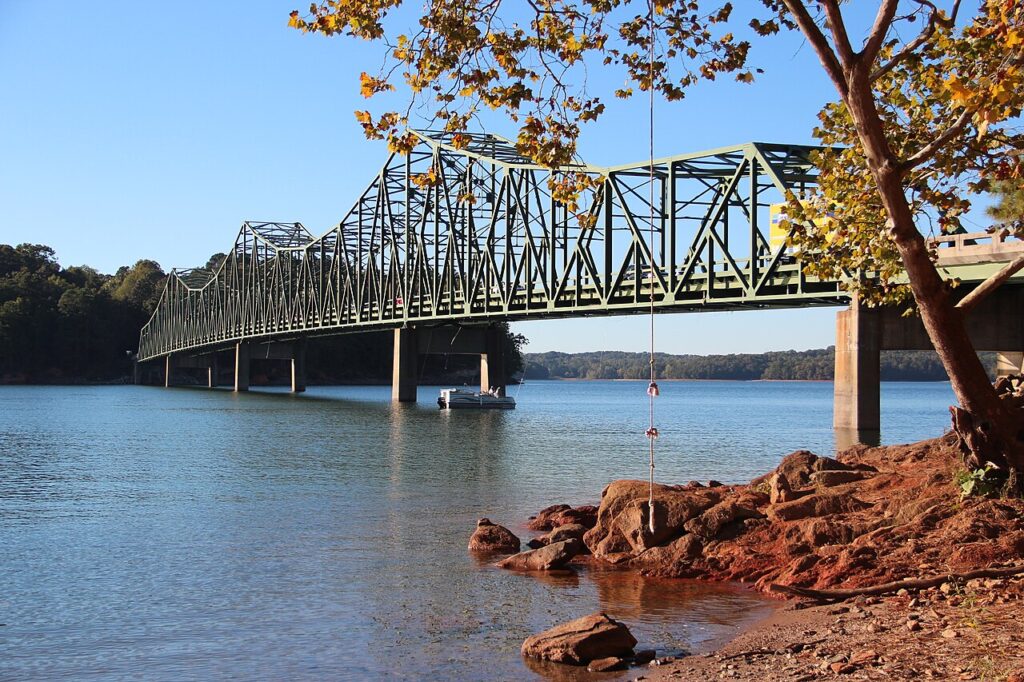
Metro Atlanta’s escape valve, Lake Lanier is a 38,000-acre reservoir about an hour northeast of the city, created in the 1950s by the damming of the Chattahoochee River. The lake has over 690 miles of shoreline winding through the north Georgia foothills, and on any given summer Saturday it’s packed with everything from pontoons and bass boats to jet skis and kayaks. It’s one of the most heavily used lakes in the Southeast, which is both a testament to its quality and a heads-up about weekend crowds.
Wakeboarding, tubing, and pontoon cruising are the core activities here, and the lake’s warm water (reaching the low 80s by midsummer) makes it comfortable for swimming from late May through September. Fishing is productive year-round. Spotted bass, largemouth bass, and striped bass are the primary targets, and the lake has produced several state records. Boating season effectively runs March through November in most years, giving Lanier one of the longest seasons on this list. A wakeboard boat or a pontoon are the best choices depending on your group. Alternatively, you can rent a deck boat if you want to split the difference.
The Lake Lanier Islands complex (now called Margaritaville at Lanier Islands) has a waterpark, zip lines, and a resort – making it a turnkey option for families. On the quieter north end, the towns of Dahlonega and Cleveland offer gold-panning tours, Appalachian Trail access, and vineyard visits. Families with younger kids should note that several marinas on the south end have roped-off swimming areas and gentle-slope beaches, which are safer and less hectic than the open lake.
Lake Travis, Texas
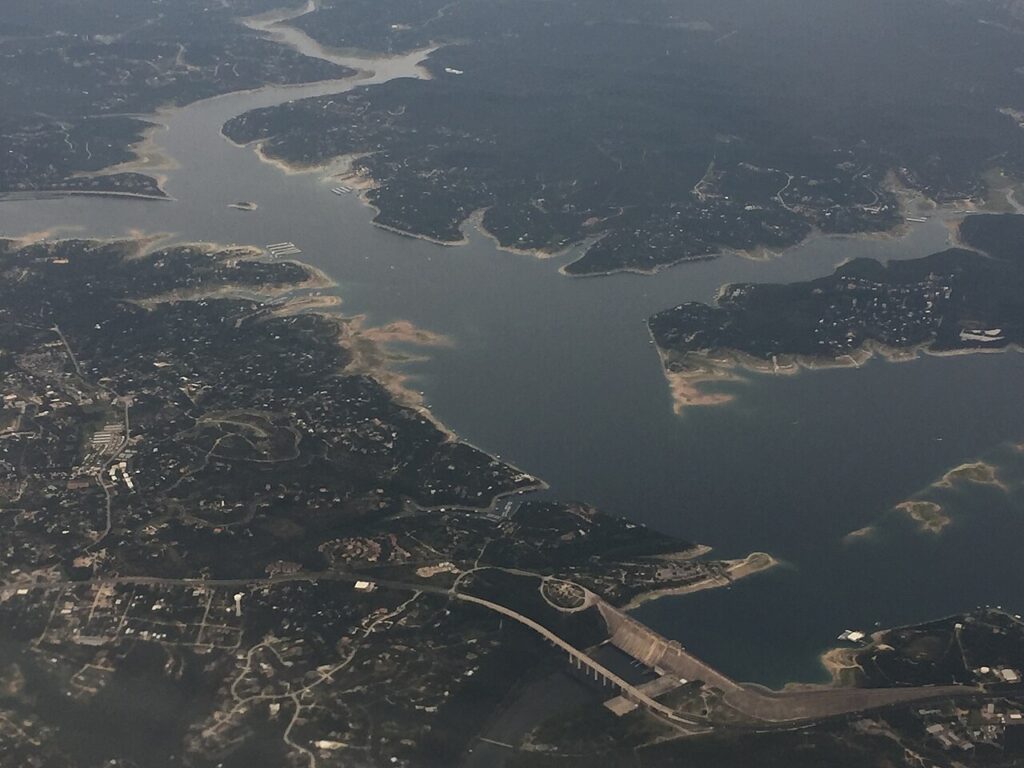
Lake Travis is Austin’s backyard lake – a Colorado River reservoir about 30 minutes west of downtown that stretches 65 miles through the Texas Hill Country. The lake’s limestone cliffs, spring-fed coves, and consistently sunny weather have made it one of the most popular boating destinations in Texas, particularly for the Austin crowd looking for a weekend reset.
Pontoon party boats, wakeboarding, and tubing dominate the scene here, and the water warms up early. Swimming is comfortable from May through September, with surface temperatures reaching the mid-80s in July. Fishing is decent for largemouth bass and catfish, though Travis is more of a water-sports lake than a fishing destination. A notable feature is the number of waterfront restaurants and bars accessible by boat. Pulling up to a dock for tacos and a cold drink is practically a Lake Travis tradition. Boating season runs roughly March through October, and spring weekends fill up fast as Austin’s population continues to grow.
On shore, the Balcones Canyonlands National Wildlife Refuge protects endangered golden-cheeked warblers and black-capped vireos across 30,000 acres of Hill Country habitat. The town of Lakeway has dining and shopping, and Hippie Hollow Park – the only clothing-optional public park in Texas – sits on the lake’s eastern shore (worth knowing before you accidentally anchor nearby with kids). Families should look into the protected swimming areas at Pace Bend Park, which has calm coves, camping, and easy boat access.
Lake Conroe, Texas
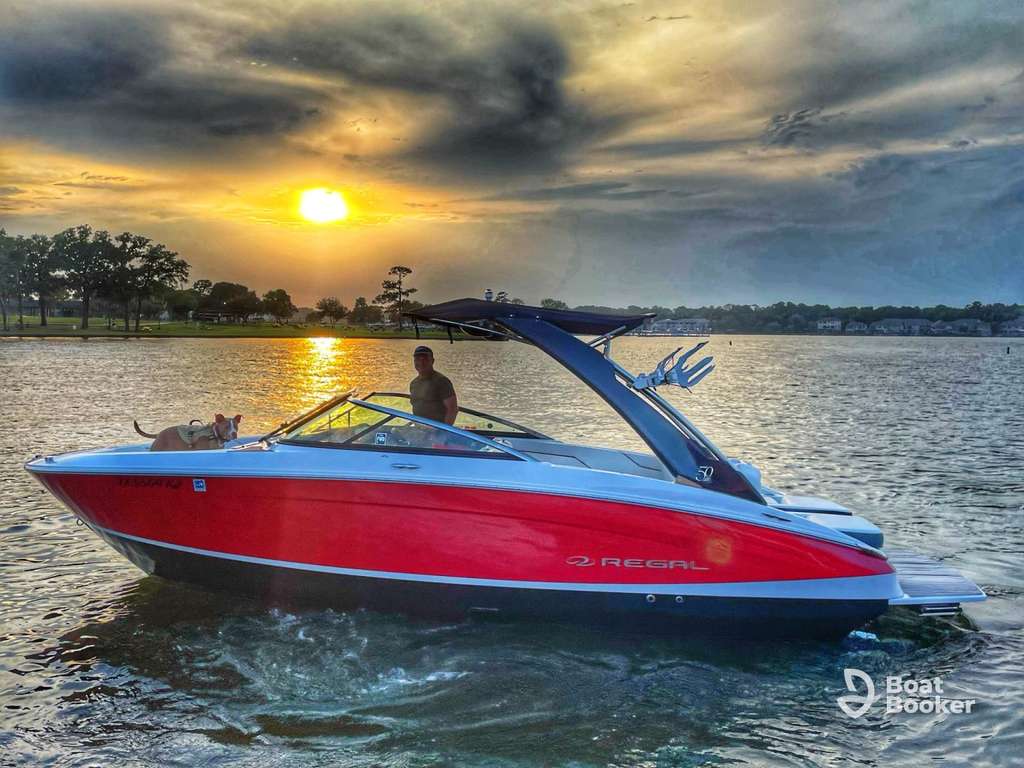
About an hour north of Houston, Lake Conroe is a 20,000-acre reservoir on the West Fork of the San Jacinto River that has quietly become one of the best all-around boating lakes in Texas. It doesn’t have the party reputation of Lake Travis, which is part of its appeal. Here, the vibe is more family-friendly and fishing-focused, with enough waterfront development to keep things convenient without feeling overcrowded.
Fishing is arguably Conroe’s strongest suit. The lake is stocked and managed for largemouth bass, catfish, crappie, and hybrid striped bass, and local fishing tournaments draw anglers from across the state. Pontoon cruising, wakeboarding, and jet skiing are all popular, and the lake’s relatively calm surface (it’s more protected than Travis, with lower bluffs and more tree cover) makes it forgiving for newer boaters. You can browse boat tours and rentals on Lake Conroe through BoatBooker. Although boating season runs year-round in mild years, the sweet spot is April through October.
The Sam Houston National Forest borders the lake’s eastern shore and offers hiking, horseback riding, and camping within a few minutes of the water. The town of Conroe has grown rapidly in recent years, bringing new restaurants, breweries, and live music venues within easy reach of the lake. Families will appreciate the number of full-service marinas with boat ramps, fuel, and kid-friendly amenities – Stow-A-Way Marina and April Sound are among the most popular.
Lake Norman, North Carolina
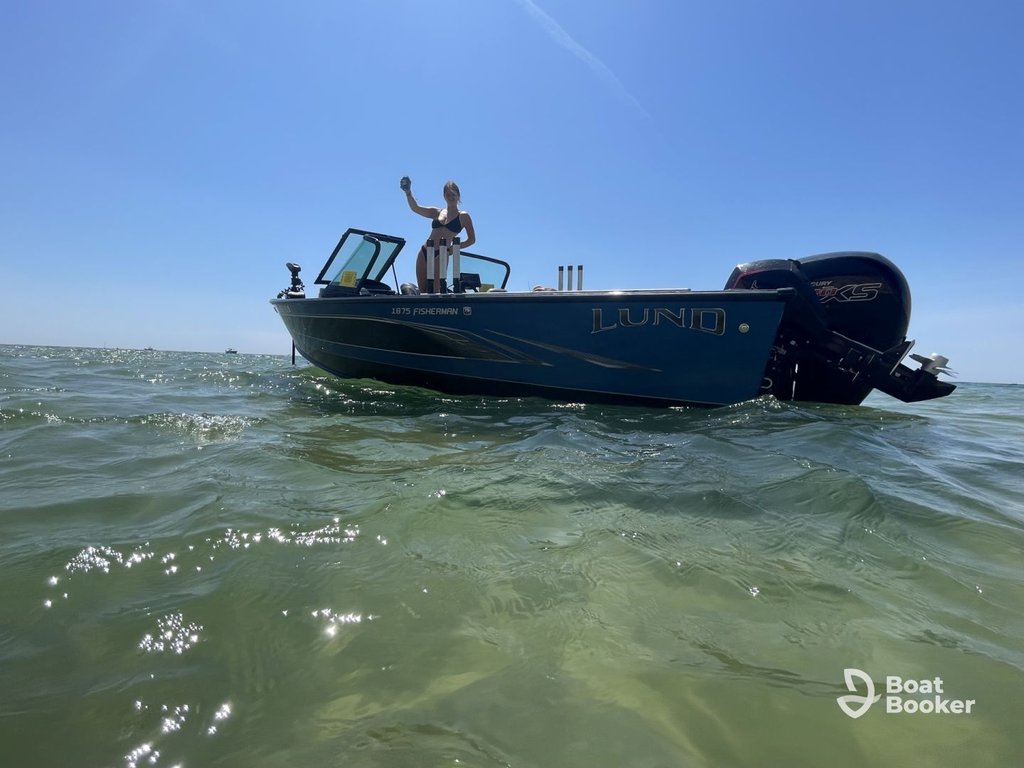
Lake Norman is the largest man-made lake in North Carolina – roughly 50 square miles of surface area created by Duke Energy’s Cowans Ford Dam on the Catawba River. Located about 25 miles north of Charlotte, it’s sometimes called the “inland sea” of the Carolina Piedmont, and it functions as the recreational heart of the northern Charlotte suburbs. The lake’s proximity to a major metro area means excellent infrastructure: marinas, waterfront restaurants, and boat rental options are abundant.
Pontoon cruising, wakeboarding, and fishing are the primary activities. The lake supports healthy populations of striped bass (locally called “stripers”), largemouth bass, and catfish, and the fishing is productive year-round thanks to mild winters. Boating season stretches from March through November, with water temperatures reaching the low 80s in midsummer. A pontoon is the go-to boat here – the lake is large enough to cruise for hours, and the numerous coves provide calm anchorages for swimming.
The town of Davidson, on the lake’s eastern shore, is a charming college town (home to Davidson College) with restaurants, coffee shops, and a walkable Main Street. Nearby Mooresville is known as “Race City USA” for its concentration of NASCAR team headquarters and racing museums. Families should look into the swim beaches and picnic areas at Lake Norman State Park, which also has hiking trails and a dedicated canoe/kayak launch separate from the motorboat ramps.
Lake Coeur d’Alene, Idaho
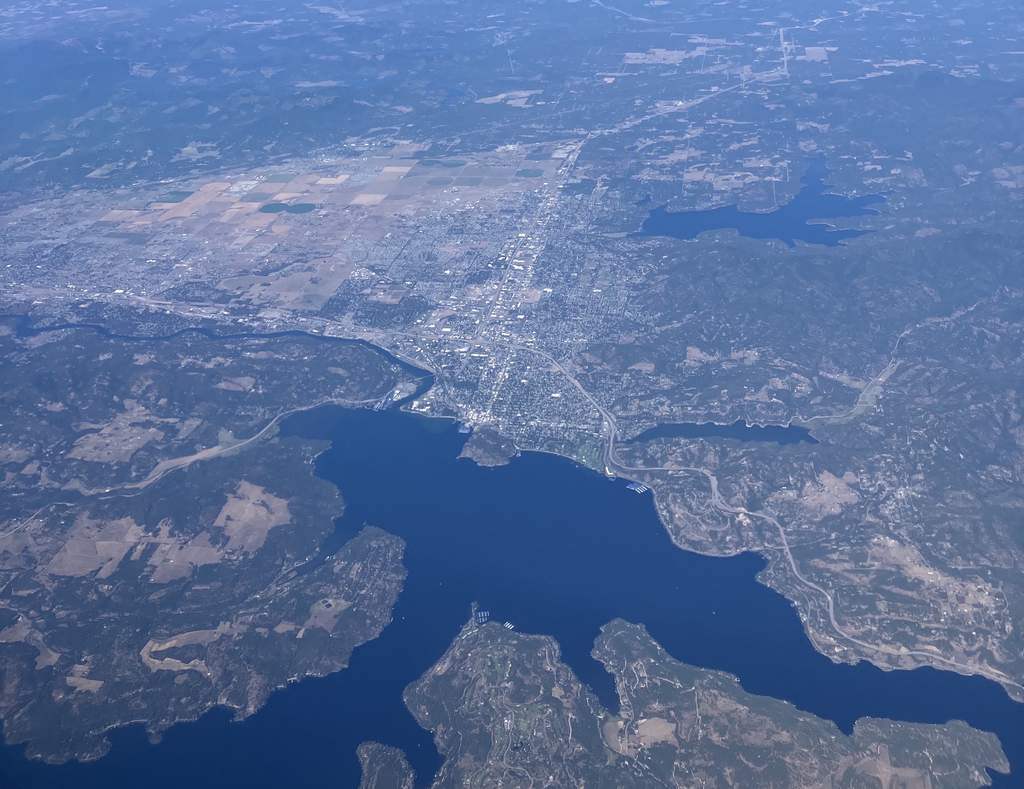
Tucked into the panhandle of northern Idaho, Lake Coeur d’Alene is a 25-mile-long glacial lake surrounded by forested mountains that look like they were assembled by a tourism board. The water is exceptionally clear, with visibility regularly exceeds 20 feet. In addition, the setting is remote enough to feel like an escape without being genuinely hard to reach (Spokane, Washington is only 30 miles west).
Boating season runs June through September, with water temperatures reaching the upper 60s to low 70s by August. Sailing, pontoon cruising, and kayaking are the main draws, and the lake’s steady summer breezes make it a favorite among Northwest sailors. Fishing targets include chinook salmon, rainbow trout, bass, and northern pike. The lake’s beauty is its primary selling point – no single activity dominates, because the scenery itself is the experience. Morning trips, before afternoon winds pick up, offer the glassiest conditions and the best mountain reflections.
The town of Coeur d’Alene sits at the lake’s northern tip and punches above its weight with waterfront restaurants, a resort with a famous floating golf green (yes, it’s real), and the 23-mile North Idaho Centennial Trail along the shoreline. For a deeper nature experience, boat south to the chain lakes area, where the St. Joe River feeds into the lake through marshy channels popular with birdwatchers. Families will find the city beach and park at the north end well-maintained and uncrowded on weekdays, with easy paddleboard and kayak rentals within walking distance.
Plan Your Lake Boating Adventure
Fifteen lakes, four regions, and enough variety that whether you want to fish for striped bass in Kentucky, houseboat through Utah’s red-rock canyons, or cruise past Adirondack islands with the kids, there’s a lake on this list that fits. If none of these lakes are near you, BoatBooker’s boating near me page can help you find something closer to home.
Frequently Asked Questions about Lake Boating
Which of these lakes is on your boating bucket list this summer – or did we miss your favorite? If you’ve spent time on any of these lakes and have tips on the best coves, quietest launch ramps, or waterfront restaurants worth docking at, drop them in the comments. And if any details here are off or outdated (lake levels change, marinas close, new spots open up), we’d love to hear that too.