
Sailing in the BVI: A First-Timer’s Guide to Routes, Costs, and What to Expect
The British Virgin Islands are where nearly half the Caribbean’s professional charter fleet calls home – and for good reason. With over 50 islands scattered across a compact stretch of turquoise water, most just 5 to 10 nautical miles apart, sailing the BVI feels less like an open-ocean expedition and more like island-hopping through a giant, warm swimming pool. Steady trade winds, line-of-sight navigation between islands, and protected anchorages make this the place where thousands of first-time charterers get hooked on sailing every year.
Whether you’re an experienced sailor eyeing a bareboat charter or a complete beginner leaning toward a crewed catamaran with a captain and chef, this guide covers everything you need to plan your trip. We’ll walk through the best time to go, what a week-long BVI sailing itinerary actually looks like, and how much it all costs. We’ll also cover the practical stuff – like what to pack and which permits you’ll need – that most guides gloss over.
Why the BVI Is the World’s Most Popular Sailing Destination
It comes down to geography. The BVI’s islands sit in a loose cluster, creating naturally sheltered channels. Most passages between stops take an hour or two. You can see your next anchorage before you’ve left the last one. That means less time staring at open water and more time snorkeling, exploring, and sitting at a beach bar with your feet in the sand.
The trade winds here blow a consistent 15–25 knots for most of the year. They’re strong enough to keep you moving, yet predictable enough that you’re rarely caught off guard. There are no tricky tidal currents to worry about and no complex navigation channels. Hundreds of mooring balls mean you’re not wrestling with anchoring in coral.
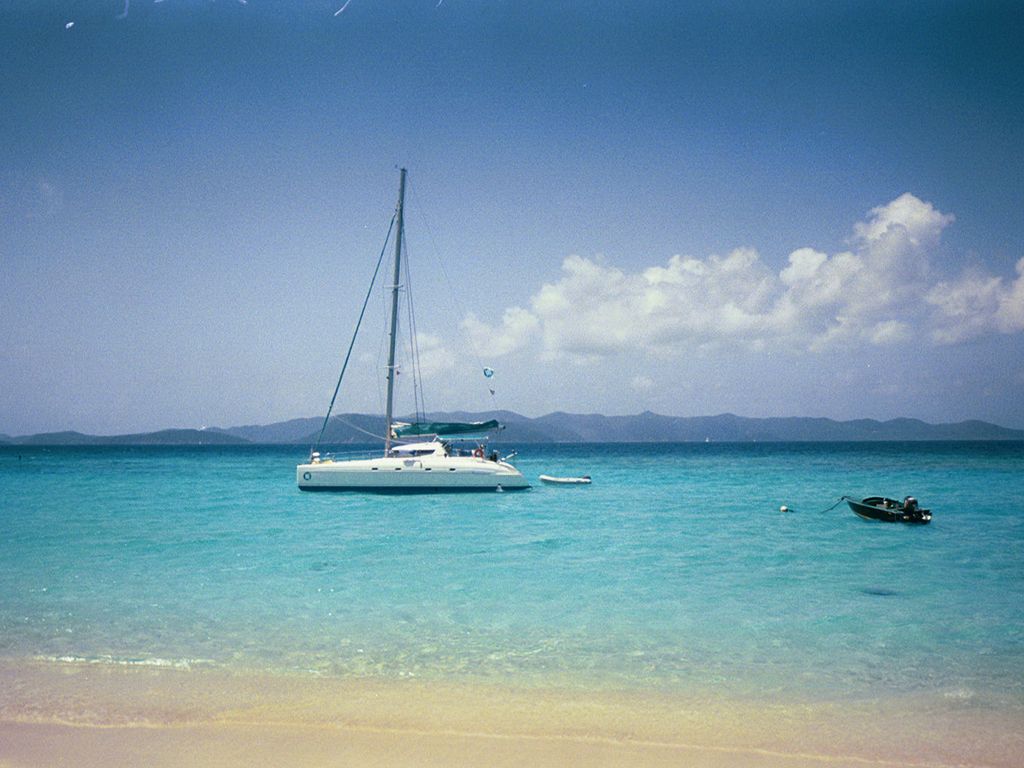
All of this adds up to a place that works for almost every type of sailor. If you’ve never touched a tiller, a skippered or crewed charter lets you enjoy the experience while a pro handles the boat. If you’ve got your ASA or RYA certification, you can take a bareboat and captain it yourself. And if you’ve done sailing in Croatia or the Greek islands, the BVI will feel both familiar and refreshingly easy.
When to Go – BVI Sailing Season Month by Month
The BVI sailing season runs roughly from November through June, but conditions and prices vary a lot depending on when you show up. Year-round temperatures hover between 77 °F and 88 °F (25–31 °C), and the water stays a comfortable 78–84 °F. The real differences come down to wind, crowds, and hurricane risk.
Peak Season (December–April)
This is prime time. Trade winds blow a steady 15–20 knots, rain is rare, and the water is at its calmest. It’s also the busiest and most expensive window. Mooring balls at popular spots like The Baths and Norman Island fill up fast, and charter prices can be double what you’d pay in summer. If you’re set on peak season, book your charter six to twelve months ahead.
Shoulder Season (May–June and November)
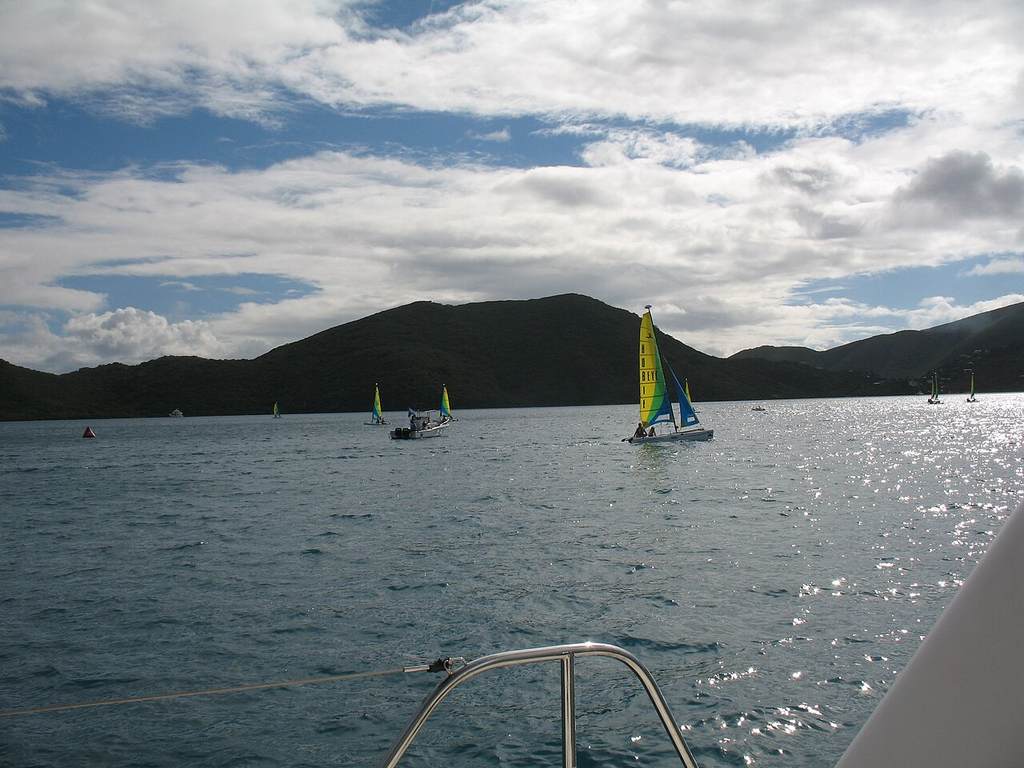
This is the sweet spot for value. Winds are still reliable, temperatures are warm, and charter rates drop noticeably. You’ll find fewer boats at anchorages and shorter waits at popular snorkel sites. November marks the tail end of hurricane season, so there’s a small residual risk. Even so, conditions are generally settled by mid-month.
Hurricane Season (July–October)
The BVI sits in the hurricane belt. August through October carries the highest storm risk, and some charter companies shut down entirely during these months. Winds lighten to 10–15 knots, and you’ll get more rain. Prices, however, hit their lowest point. If you’re flexible and comfortable with the risk, July can still offer decent sailing before peak hurricane activity ramps up.
Best Month for First-Timers
February and March hit the sweet spot. Winds are steady and predictable, the water is warm, and you’re past the holiday rush but before spring break crowds descend. It’s the most forgiving window for someone learning the ropes.
How Much Does a BVI Sailing Charter Cost?
Charter pricing depends on three things: the type of boat, the level of service, and the season. Here’s what to expect approximately.
| Charter Type | Low Season (Weekly) | High Season (Weekly) |
|---|---|---|
| Bareboat monohull | ~$3,300–$5,000 | ~$7,000–$9,000+ |
| Bareboat catamaran | ~$5,700–$8,000 | ~$10,000–$15,000+ |
| Skippered (add captain) | Add ~$200–$300/day | Add ~$200–$300/day |
| Crewed all-inclusive catamaran | ~$13,000–$25,000 | ~$25,000–$50,000+ |
Those are boat-only prices for bare-bones charters. You’ll also need to budget for:
- Mooring ball fees: $30–$40/night at most anchorages. Docking at a marina runs roughly $2.50–$4.00 per foot per night.
- BVI cruising tax: $4–$16 per person per day, depending on the vessel type and your length of stay.
- National park mooring permits: Required at BVI National Parks Trust sites like The Baths and The Indians.
- Provisioning: Stocking the boat with food and drinks. Charter companies offer pre-stocking services, or you can do it yourself at a supermarket in Road Town. Budget $50–$100+ per person per day depending on your taste.
- Gratuity: For crewed charters, 15–20% of the charter fee is standard.
A per-cabin charter is worth looking into if you’re a couple who wants the crewed experience without chartering an entire boat. You book one cabin on a shared catamaran with other guests and split the cost. It’s a solid way to get the all-inclusive treatment at a fraction of the full-boat price.
Bareboat vs. Skippered vs. Crewed – Which Charter Type Is Right for You?
This is the first big decision, and it shapes your entire trip.
Bareboat means you’re the captain. You sail the boat, plan the route, handle docking, and provision your own food and drinks. Most charter companies require ASA 104 (or RYA Day Skipper equivalent) certification plus a sailing resume. It’s the cheapest option and gives you total freedom – but you need real experience to enjoy it rather than stress about it. If you’re new to sailing, check out our beginner’s guide to sailing before committing.
Skippered charters add a professional captain who handles all the sailing. You’re still responsible for provisioning and cooking, but the pressure of navigation, mooring, and weather decisions is off your shoulders. This is ideal for groups with some sailing interest but not enough experience – or confidence – to go bareboat.
A checkout captain is a middle option: a pro sails with you for the first day, walks you through the boat systems and local conditions, then leaves you on your own. That typically costs $200–$250 for the day.
Crewed all-inclusive is the full vacation package. A captain and chef handle everything – sailing, cooking, provisioning, itinerary planning. You show up, tell them what you like to eat and drink, and they take care of the rest. It’s the most expensive option by far, but if you’ve never sailed and want zero logistics, it’s hard to beat.
| Bareboat | Skippered | Crewed All-Inclusive | |
|---|---|---|---|
| You sail the boat | Yes | No | No |
| Experience required | Yes (ASA/RYA cert) | No | No |
| Food & drinks included | No | No | Yes |
| Starting price (weekly) | ~$3,300 | ~$6,300 | ~$13,000 |
| Best for | Experienced sailors | First-timers who want involvement | Full relaxation, no logistics |
A Classic 7-Day BVI Sailing Itinerary
This counter-clockwise loop is the most popular BVI sailing itinerary for a reason. It keeps the prevailing easterly trade winds behind you on the longer legs and hits every must-see stop. You can adapt it for a 5- or 6-day trip by cutting Anegada, or stretch it to 8–10 days by lingering longer at each stop.
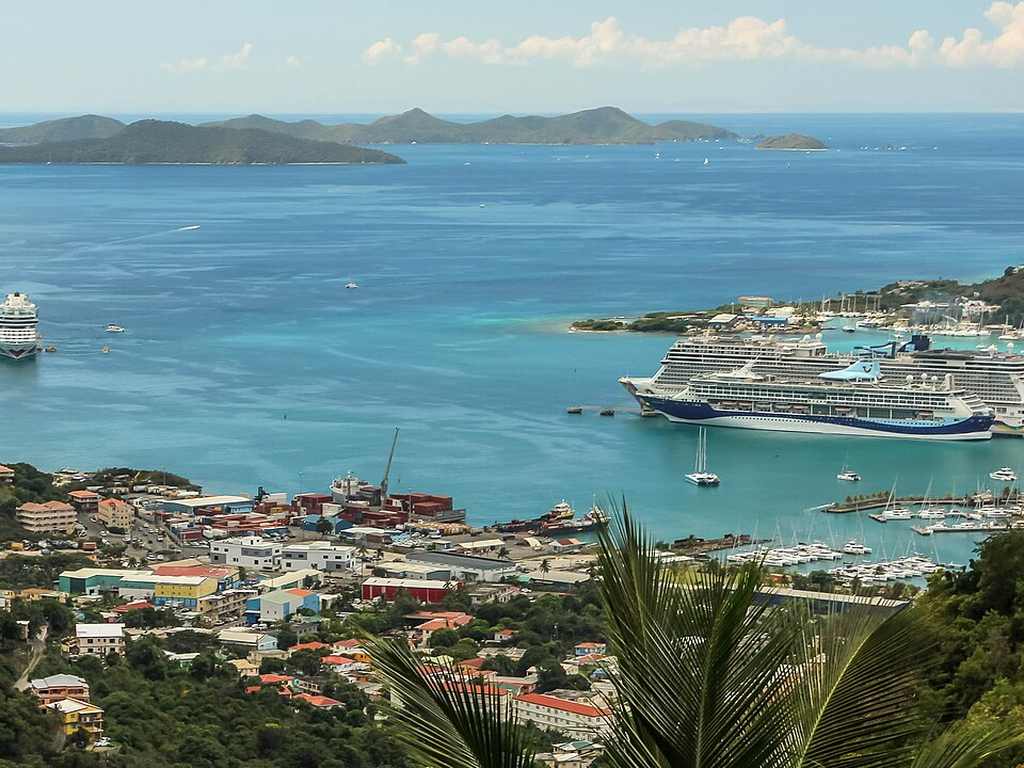
Most charters depart from Tortola – either Nanny Cay or Hodges Creek Marina near Road Town.
Day 1: Tortola → Norman Island (7 NM, ~1.5 hours)
A short, easy first sail to settle in. Pick up a mooring ball in The Bight and spend the afternoon snorkeling at The Indians – a cluster of rock pinnacles with some of the best coral and fish life in the BVI. In the evening, grab dinner at Pirate’s Bight on the beach. The floating bar Willy T (a converted schooner) is anchored nearby and is exactly as rowdy as you’d expect.
Day 2: Norman Island → Cooper Island (8 NM, ~1.5 hours)
Stop at Peter Island for a morning swim, then sail on to Cooper Island. The Cooper Island Beach Club has a small rum bar, a restaurant, and a microbrewery. It’s a quieter stop – a good reset after Norman Island. The snorkeling along the south shore is also excellent.
Day 3: Cooper Island → Virgin Gorda (10 NM, ~2 hours)
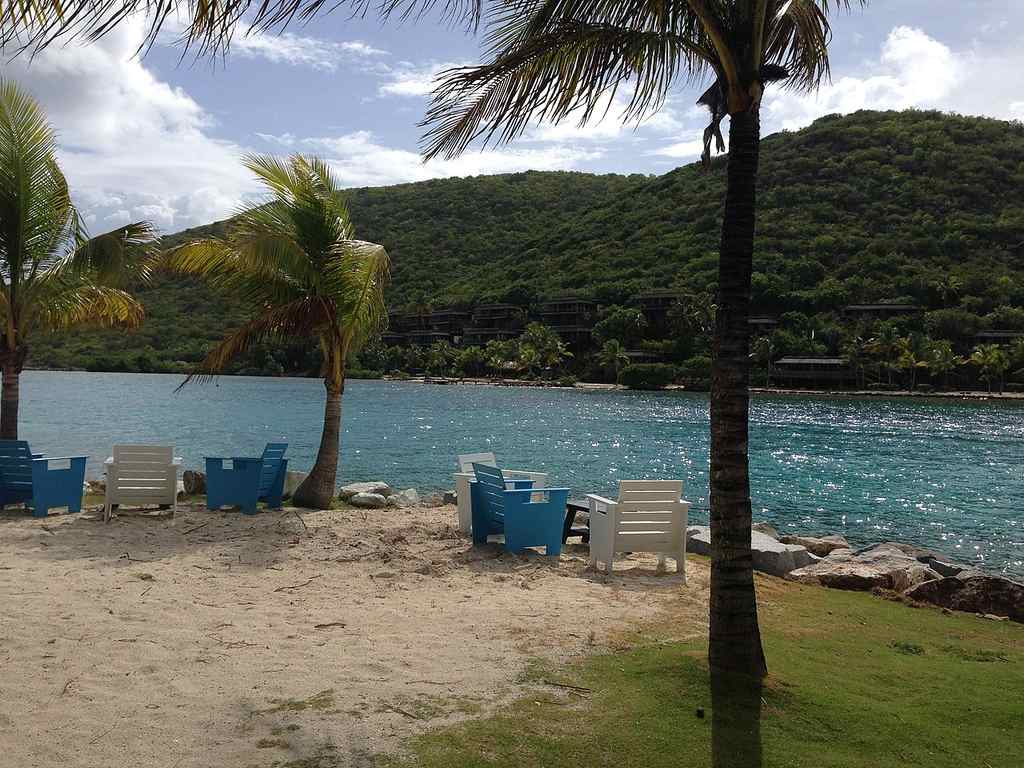
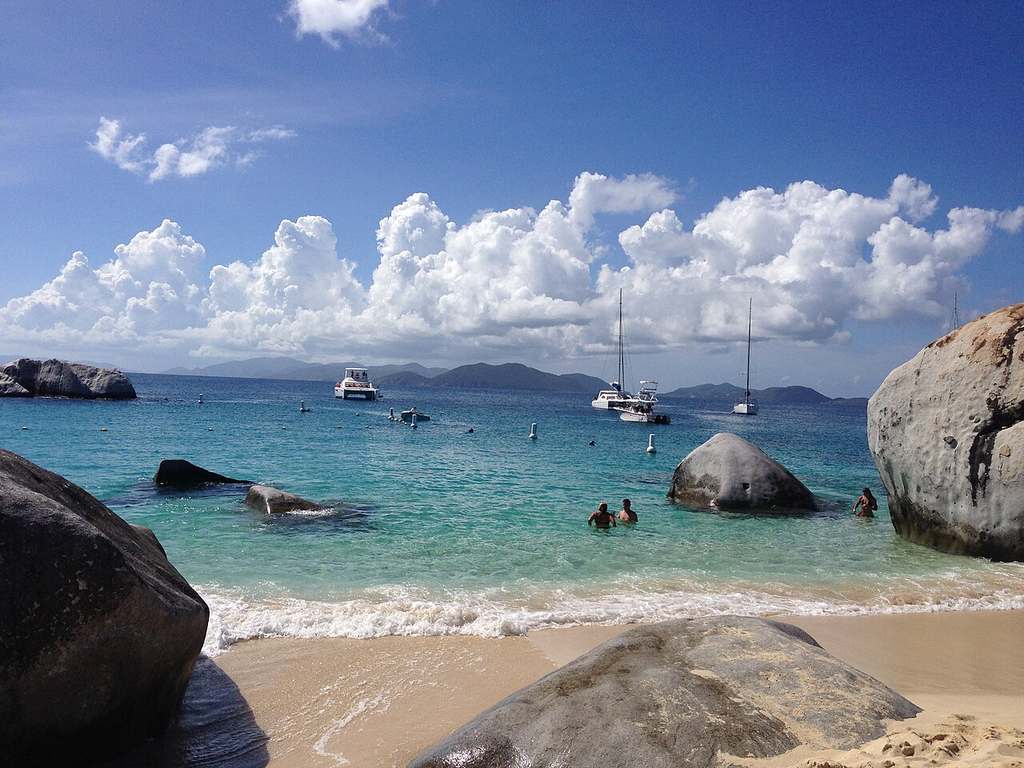
Today’s destination is The Baths – Virgin Gorda’s iconic jumble of giant granite boulders forming grottos, tide pools, and hidden beaches. Arrive as early as you can, because by mid-morning, day-trippers from cruise ships start pouring in.
The national park mooring balls fill up fast in peak season, so having your dinghy ready to shuttle in from a nearby anchorage is a smart backup plan.
Day 4: Virgin Gorda → North Sound
North Sound is a large, protected bay on Virgin Gorda’s north end. It’s an activity hub – Bitter End Yacht Club offers watersports rentals and a solid restaurant. Saba Rock is a tiny island bar and grill worth a dinghy ride. Leverick Bay has a marina, pool, and provisions if you need to restock. You could easily spend two nights here without getting bored.
Day 5: North Sound → Anegada (15–20 NM, ~3–4 hours)
This is nearly the longest sail of the trip and the most different stop. Anegada is flat – a low-lying coral island that barely rises above the waterline. The vibe is completely different from the hilly volcanic islands you’ve been sailing around.
Flamingos wade in the salt ponds, the beaches are long and nearly empty, and dinner means fresh lobster grilled on the beach at one of the local restaurants. The approach requires attention – shallow reefs surround the island, so follow the marked channel carefully.
Day 6: Anegada → Jost Van Dyke (25 NM, ~4–5 hours)
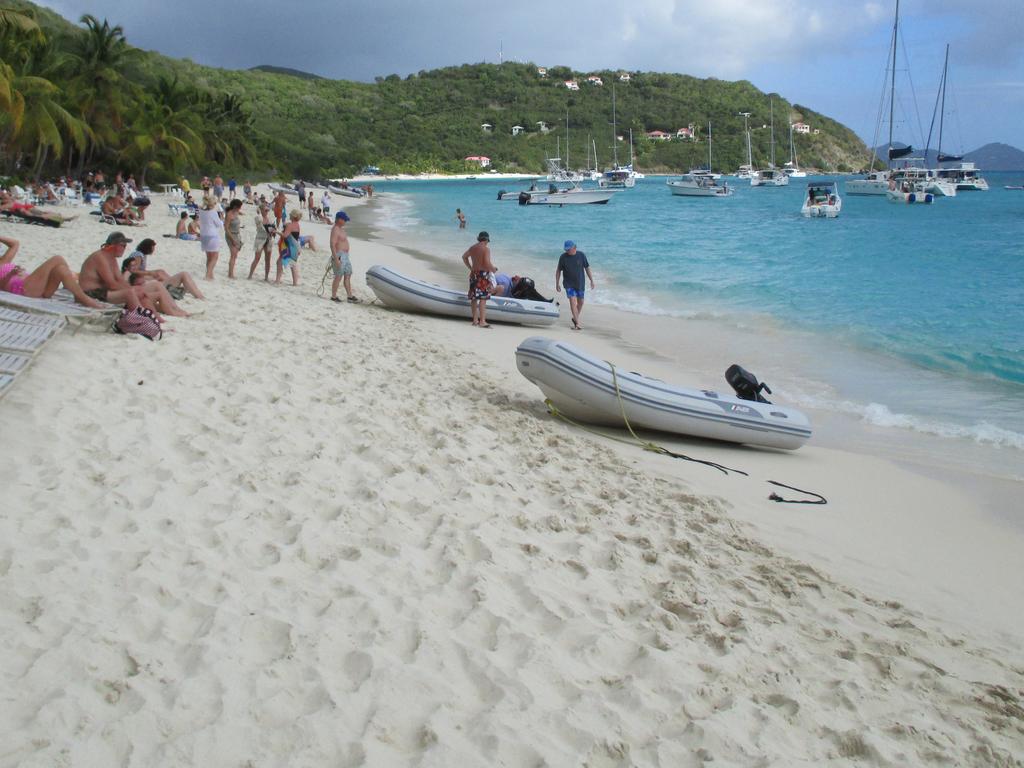
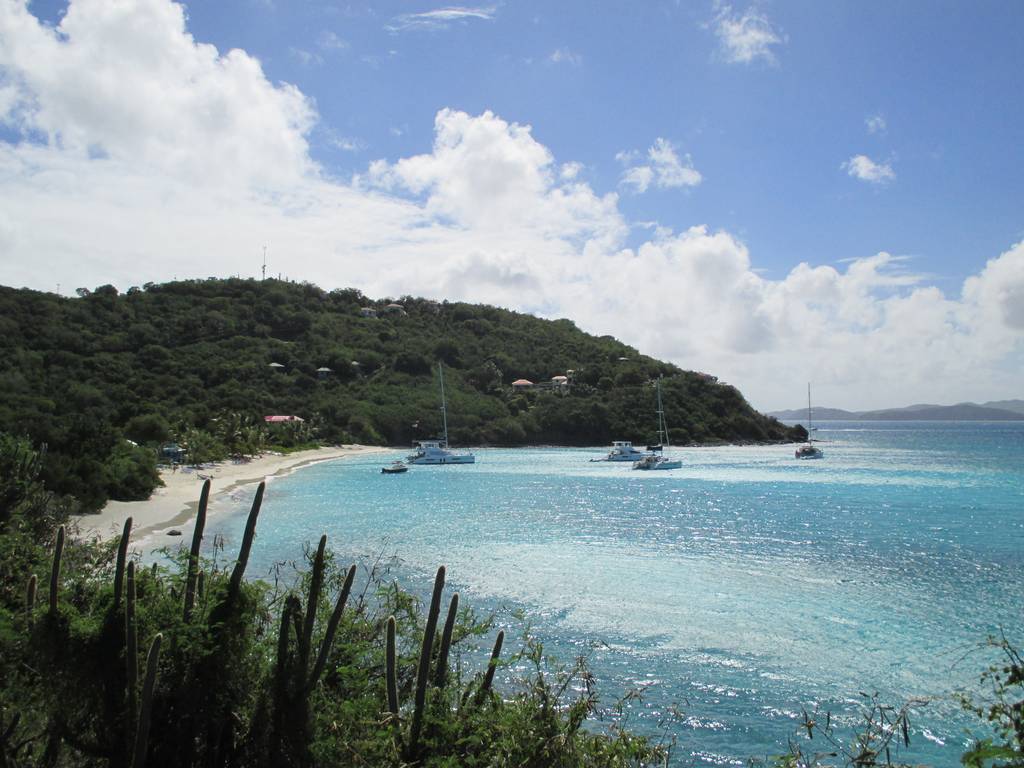
The sail to Jost Van Dyke is the longest of the week, but the wind is typically behind you, making it a comfortable ride. Jost Van Dyke is tiny but legendary. White Bay is home to the Soggy Dollar Bar – named because there’s no dock, so you swim ashore with wet cash.
Foxy’s in Great Harbour is a BVI institution. If you have time, hike to the Bubbly Pool on the island’s east end. There, ocean swells push through a natural rock formation and create a churning jacuzzi effect.
Day 7: Jost Van Dyke → Tortola (8 NM, ~1.5 hours)
A short morning sail back to your base marina. Most charters require return by noon, so enjoy a last swim off Jost Van Dyke at sunrise, then head back.
Shorter Trips
For a 5-day BVI sailing itinerary, skip Anegada and sail directly from North Sound to Jost Van Dyke. You’ll miss the lobster and flamingos, but you’ll keep the rest of the highlights. A 6-day version can cut either Anegada or Peter Island/Cooper Island.
What to Pack for a BVI Sailing Trip
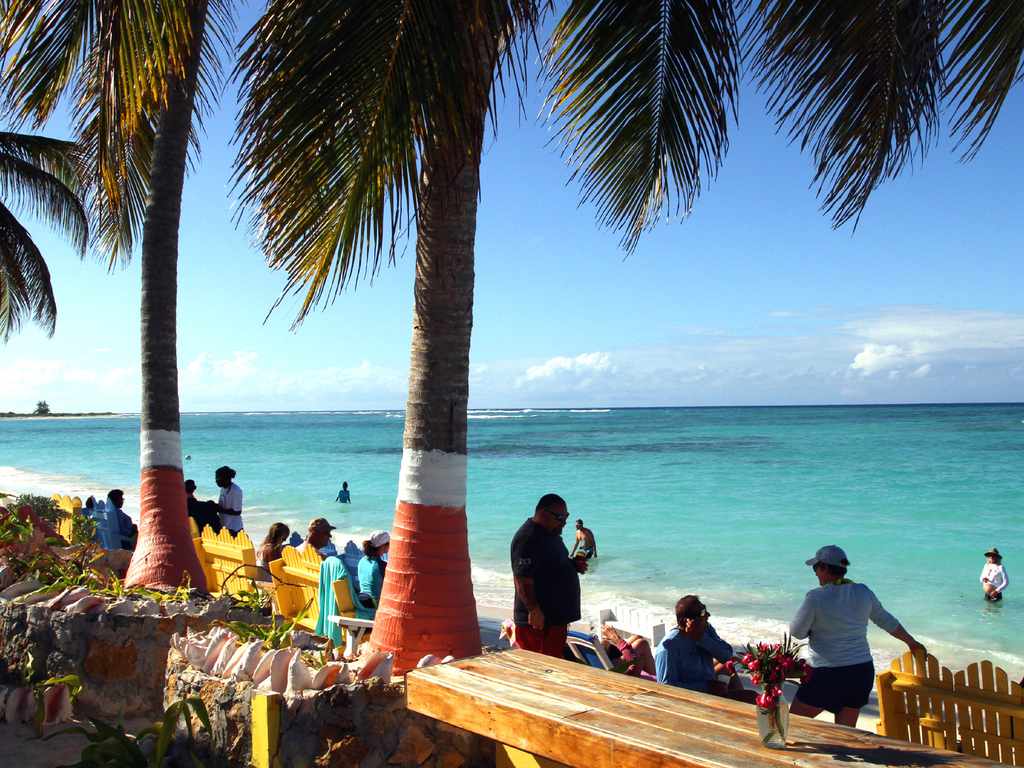
Space on a sailboat is tight. Every charter company will tell you the same thing: bring soft-sided bags, not hard suitcases. A duffel bag or backpack that can be folded and stowed is ideal. A rigid roller bag simply won’t fit in a cabin locker.
Beyond that, here’s what you’ll actually use:
- Quick-dry clothing – a few t-shirts, shorts, and a swimsuit or two. You’ll be in a swimsuit most of the day. Also bring a light long-sleeve layer for sun protection and cooler evenings.
- Reef-safe sunscreen – this matters. The BVI’s reefs are fragile, and reef-safe formulas (mineral-based, no oxybenzone or octinoxate) are the responsible choice.
- Polarized sunglasses with a retainer strap. You will drop them overboard otherwise.
- Water shoes – essential for walking on rocky shores, especially at The Baths.
- Seasickness remedies – even in calm BVI waters, some people get queasy on the first day. Dramamine, Sea-Bands, or ginger tablets are worth having.
- Bug spray – mosquitoes aren’t bad on most islands, but Anegada’s salt ponds breed no-see-ums that come out at dusk.
- Snorkel gear – you can rent it on arrival, but having your own mask that fits well makes a real difference. The BVI has too many good snorkel spots to fight a leaky rental mask.
- Dry bag – keeps your phone and wallet safe during dinghy rides.
- Light rain jacket – brief squalls are common, even in peak season. They pass quickly, but you’ll be glad to have a layer.
Tips for First-Time BVI Sailors
- Book moorings early. In peak season, the most popular spots – Norman Island, The Baths, White Bay – fill up by early afternoon. Some mooring fields operate first-come-first-served; others can be reserved in advance through apps like Aqua Map or directly through the BVI National Parks Trust. Picking up a mooring ball by 2 p.m. is a good habit.
- Arrive at The Baths before 10 a.m. Cruise ship tenders start arriving mid-morning, and the narrow grottoes go from magical to congested fast. An early start means you’ll have the boulders mostly to yourself.
- Provisioning options. Most charter companies offer a pre-stocking service – you fill out a preferences form and the boat is loaded before you arrive. It’s convenient but pricier than doing it yourself. If you want to save, Bobby’s Supermarket in Road Town is the go-to. Hit it on your first morning before casting off.
- Cruising permits are required. The BVI charges a cruising tax of $4–$16 per person per day depending on the vessel. Your charter company typically handles the paperwork, but confirm this before departure. National park sites like The Baths and The Indians also require a separate mooring permit.
- Tipping on crewed charters. If you booked a crewed all-inclusive, the standard gratuity is 15–20% of the total charter fee. It’s not included in the price and is expected. Cash is preferred, handed directly to the captain at the end of the trip.
- Check the weather, but don’t obsess. The BVI’s trade winds are remarkably consistent, but squalls happen. Keep an eye on forecasts through NOAA or local VHF weather channels. Your skipper (if you have one) or the charter base will brief you on any approaching weather before you depart. For more general guidance, our boating safety tips cover the basics.
Frequently Asked Questions about Sailing in the BVI
Have you sailed the BVI? We’d love to hear how your itinerary compared – did you skip Anegada, linger longer at Jost Van Dyke, or find a quieter anchorage that deserves more attention? If any of the prices or details here are out of date, drop a note in the comments so we can keep this guide accurate for the next crew planning their trip.