
What Is Snorkeling? A Beginner’s Guide to Everything You Need to Know Before Your First Dive
So you’re looking at boat tours for your next vacation and you keep seeing “snorkeling” on the itinerary. Maybe you’ve watched someone float face-down in crystal-clear water and wondered what the appeal is – or whether you could actually do it yourself. Here’s the short answer: snorkeling is one of the easiest, most accessible ways to explore the underwater world, and almost anyone can learn it in minutes.
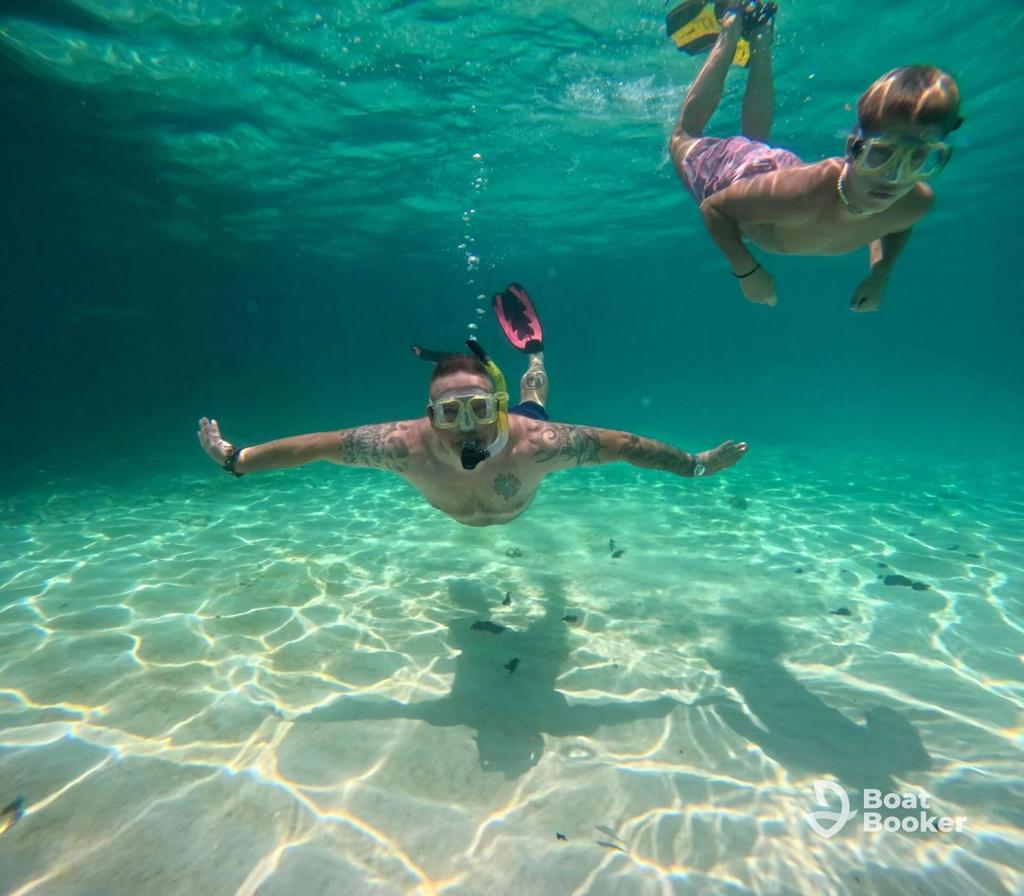
Snorkeling is a water activity where you float on the surface, peer through a clear mask at the marine life below, and breathe through a short tube called a snorkel. No certification required, no heavy equipment, no deep diving. Just you, a few basic pieces of gear, and whatever the ocean decides to show you.
This guide covers how it works, what gear you need, whether non-swimmers can do it, safety basics, and where to book your first snorkeling tour.
What Is Snorkeling?
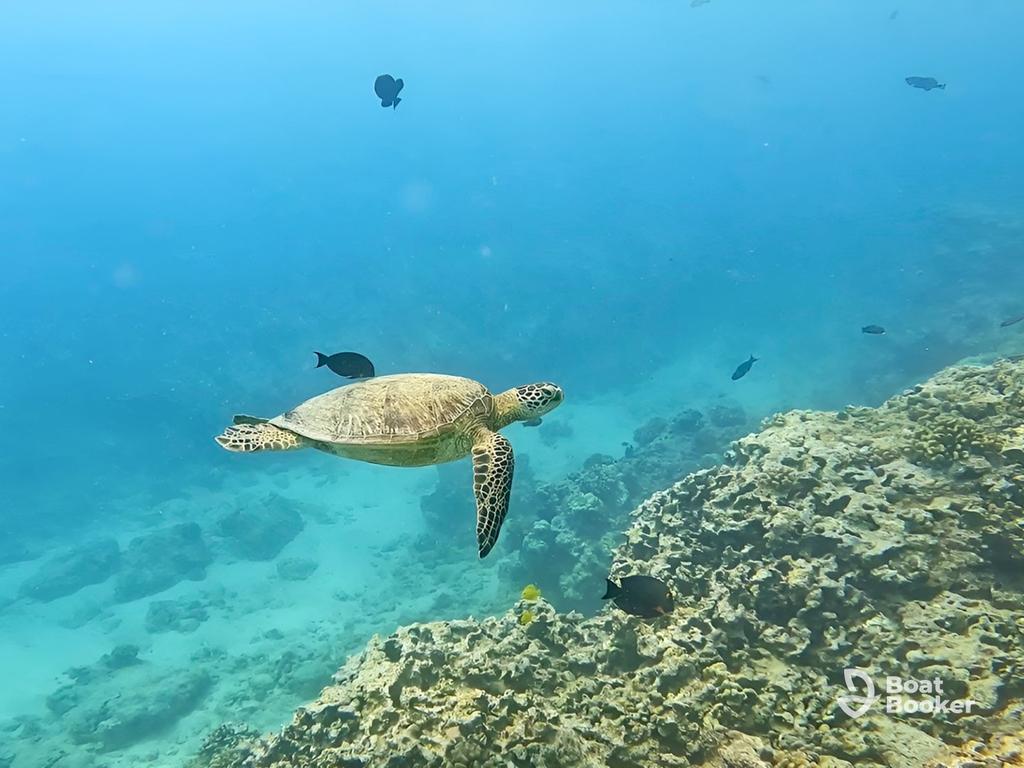
At its core, snorkeling is a surface sport. You float face-down in the water, look through a watertight mask, and breathe through a J-shaped tube that pokes above the waterline. That’s it. The simplicity is the whole point – you get a window into coral reefs, fish, sea turtles, and underwater rock formations without needing any special training.
The concept goes back further than you might expect. Sponge farmers in ancient Greece used snorkel-style breathing methods as far back as 3000 B.C., though the first documented account comes from Aristotle around 350 B.C., when he described using a hollow reed to breathe while submerged. Modern snorkeling gear is obviously a big upgrade from a reed, but the idea hasn’t changed much.
How Snorkeling Compares to Scuba Diving and Freediving
The main difference is the air supply. Scuba divers carry a pressurized tank that lets them dive deep – experienced divers can explore down to 40 metres (about 130 feet). However, they need certification and specialized training. Freedivers hold their breath and swim down without any breathing apparatus at all, which takes serious lung capacity and practice.
Snorkelers, by contrast, stay at or near the surface. The average snorkeler can duck down about 3–4 metres (12–15 feet) for a closer look, but you spend most of your time floating and breathing comfortably through the tube. No tanks, no breath-holding drills, no PADI card needed.
How Does Snorkeling Work?
The mechanics are straightforward, even if they feel a little odd at first.
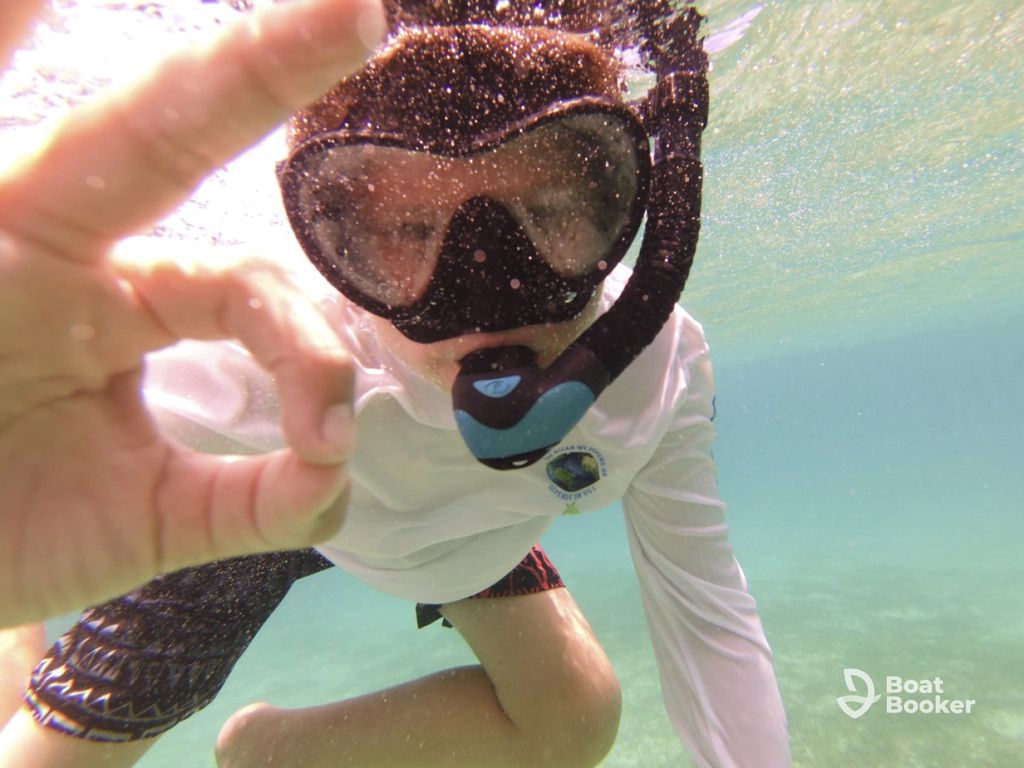
Getting in position. Wade into the water until you’re about waist-deep. Put your mask on, place the snorkel mouthpiece between your teeth, and slowly lean forward until you’re floating face-down. Let your stomach lie flat on the surface and relax your body. Your natural buoyancy does most of the work.
Breathing. This is the part that trips people up initially. You breathe entirely through your mouth – slow, deep breaths in and out through the snorkel tube. It feels unnatural for the first minute or two because your face is in the water and your brain wants to panic. It shouldn’t. As long as the tip of the snorkel stays above the waterline, air flows freely. Most people settle into a rhythm within five minutes.
Moving around. Gentle kicks with your fins propel you forward. Keep your arms relaxed at your sides or in front of you – flailing wastes energy and scares fish. The goal is slow, calm movement. You’re not racing anywhere. You’re sightseeing.
Clearing water from the tube. A small wave might splash water into your snorkel. When that happens, give a sharp, forceful exhale through your mouth to blow the water out the top. With dry or semi-dry snorkels (more on those below), this happens far less often.
What Gear Do You Need?
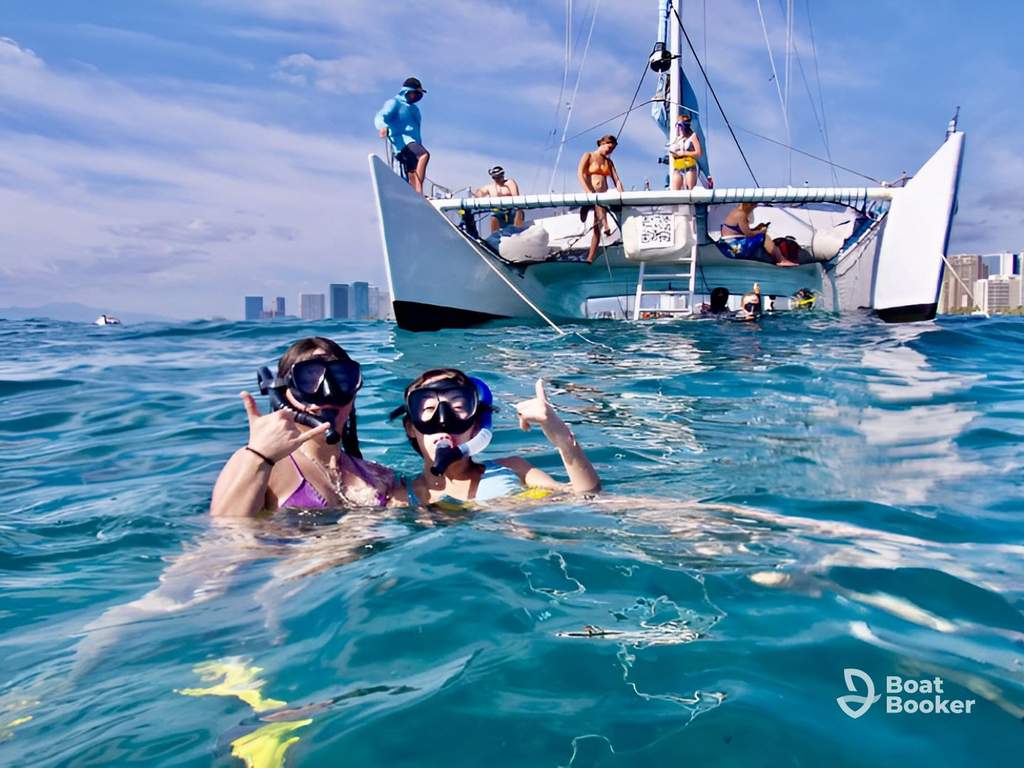
You only need three things to snorkel: a mask, a snorkel, and fins. Everything else is optional but sometimes helpful.
Mask
The mask is arguably the most important piece. A poor-fitting mask leaks, fogs up, and ruins the experience. When trying one on, press it against your face without using the strap and inhale gently through your nose – if it stays put, the fit is good.
Look for a silicone skirt (not plastic, since silicone conforms to your face shape) and tempered glass lenses. If you wear glasses, prescription mask inserts are available, or you can buy a mask with corrective lenses built in.
Snorkel
Snorkels come in three main styles. Traditional (J-type) snorkels are just a tube – simple, but they let water in easily. Semi-dry snorkels have a splash guard at the top that deflects waves. Dry snorkels have a float valve that seals the tube completely when submerged.
For beginners, a semi-dry or dry snorkel is the better choice. The valves block water from entering the tube, so you spend less time clearing and more time enjoying the view.
A quick note on full-face snorkel masks – those one-piece masks that cover your entire face. They’ve grown popular in recent years, but there are real safety concerns. Most full-face snorkel masks on the market don’t circulate CO₂ properly, which can lead to oxygen deprivation. Several deaths have been linked to them. If you want to try one, buy from a reputable brand with independent safety testing – but traditional mask-and-snorkel setups remain the safer, recommended option.
Fins
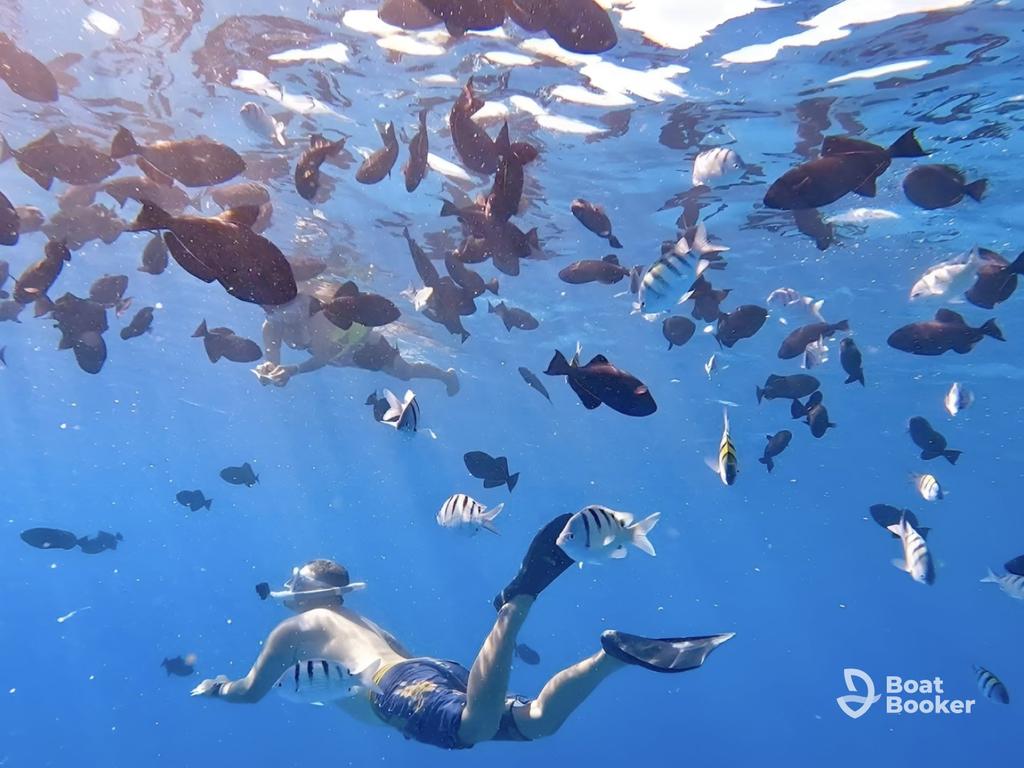
Fins make moving through the water dramatically easier. Short, flexible fins work best for beginners – they’re easier to walk in, less tiring on your legs, and provide plenty of propulsion for surface snorkeling.
You’ll choose between full-foot fins (which slip on like a shoe) and open-heel fins (with an adjustable strap at the back, worn with neoprene booties). Full-foot fins are simpler for warm-water snorkeling from a beach.
Optional Gear
- Snorkel vest or flotation belt – inflatable vests give you extra buoyancy and peace of mind, especially if you’re not a confident swimmer.
- Rash guard or sun shirt – protects your back from UV exposure (more on this in the clothing section).
- Reef-safe sunscreen – standard sunscreens contain chemicals that damage coral. Look for mineral-based formulas with zinc oxide or titanium dioxide. NOAA’s coral reef conservation guidance has more detail on what to avoid.
- Underwater camera – a waterproof GoPro or phone housing lets you capture what you see without worrying about damage.
Buying a basic mask, snorkel, and fin set typically costs $40–$60. If you’re only snorkeling once or twice on vacation, renting is cheaper – usually under $20 per day. Most guided tours also include gear in the price.
Do You Need to Know How to Swim?
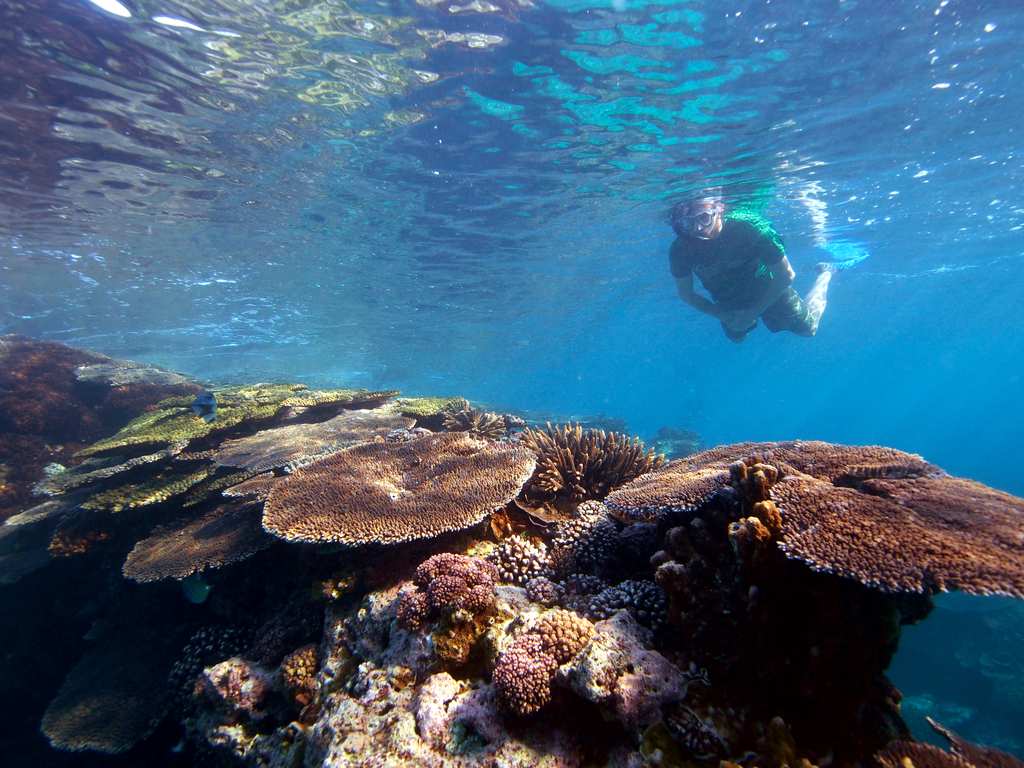
This is one of the most common questions people ask, and the honest answer is: not really, but basic water comfort helps.
Snorkeling is a surface sport. It involves mostly floating and requires very little actual swimming. You’re not doing laps or treading water for extended periods – you’re lying flat on the surface, breathing through a tube, and kicking gently to move around. With a snorkel vest or flotation belt providing buoyancy and a guide nearby, non-swimmers can absolutely enjoy snorkeling.
That said, you should be comfortable in water over your head. If being in the ocean triggers genuine panic, work on water confidence in a pool first. Practice floating on your stomach, putting your face in the water, and breathing through the snorkel in a controlled setting. Once that feels natural, open water becomes much less intimidating.
Guided snorkeling tours are the best option for non-swimmers and nervous beginners. Operators provide flotation devices, give instruction before you get in, and keep guides in the water with you. They also pick calm, shallow sites with minimal current – a completely different experience from trying to figure it out solo at a random beach.
Is Snorkeling Safe?
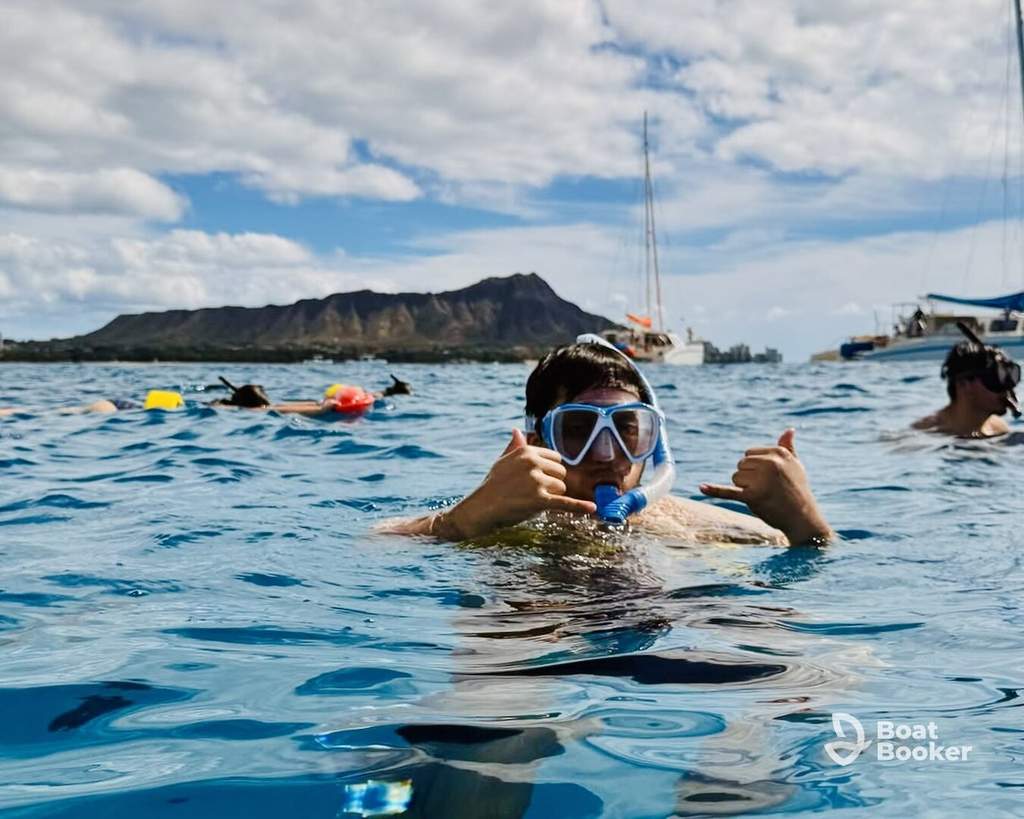
Snorkeling is generally beginner-friendly and enjoyable for all ages. Millions of people do it every year without incident. That said, you’re in open water, so a healthy respect for the environment goes a long way.
Key safety rules to follow:
- Use the buddy system. Never snorkel alone. Stay within sight of your partner or group.
- Check conditions before you go. Avoid snorkeling in storms, high surf, or strong winds. If you’re unsure whether a spot is safe, don’t enter the water.
- Stay clear of boat traffic. Snorkelers are hard to see from a boat. Stick to designated snorkeling areas and use a dive flag or brightly colored snorkel vest to stay visible.
- Don’t touch marine life. Coral is fragile and alive – touching it kills it. Some sea creatures sting, bite, or are venomous. Look, don’t touch.
- Wear sun protection. Your back faces the sun the entire time you’re snorkeling. Sunburns happen fast, even on cloudy days.
- Know how to clear your snorkel. Practice the sharp exhale technique before you’re in deep water so it’s automatic when you need it.
- Don’t fight currents. If you feel a current pulling you, swim parallel to shore until you’re out of it – never try to swim directly against it.
Snorkeling Tips for Your First Time
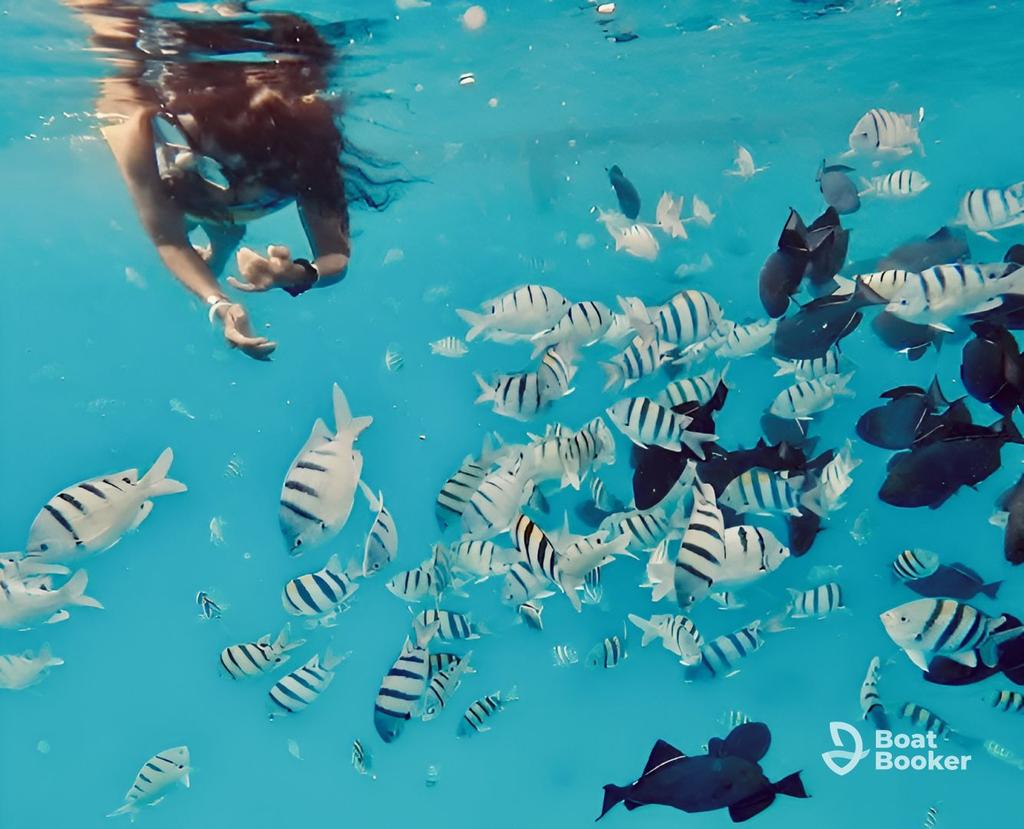
- Practice in a pool first. Spend 15–20 minutes getting used to your mask, breathing through the snorkel, and floating face-down. It removes the “this feels weird” factor before your real session.
- Defog your mask. Spit on the inside of the lens (yes, really), rub it around, and rinse briefly. This prevents fogging. Commercial defog drops also work, but spit is free and reliable.
- Start from a beach, not a boat. Jumping off a boat into deep water your first time can be daunting. Wading in from a sandy beach lets you ease into it gradually.
- Breathe slowly and steadily. Rushed, shallow breaths through the snorkel will make you feel short of air. Slow, deep mouth-breathing is the key.
- Don’t exhale through your nose. This is a common beginner mistake. Breathing out through your nose pushes air into the mask and breaks the seal. Keep all breathing through your mouth.
- Relax your body. Tension makes you sink. The more relaxed you are, the more naturally you float. If you feel anxious, stop kicking, take a few slow breaths, and let your body settle.
- Choose a beginner-friendly spot. Calm, shallow water with a sandy bottom and easy entry is ideal. Your first snorkel doesn’t need to be over a dramatic reef – it just needs to be comfortable.
What to Wear Snorkeling
You don’t need a special wardrobe. A regular swimsuit is your base layer. Beyond that, sun protection is the priority.
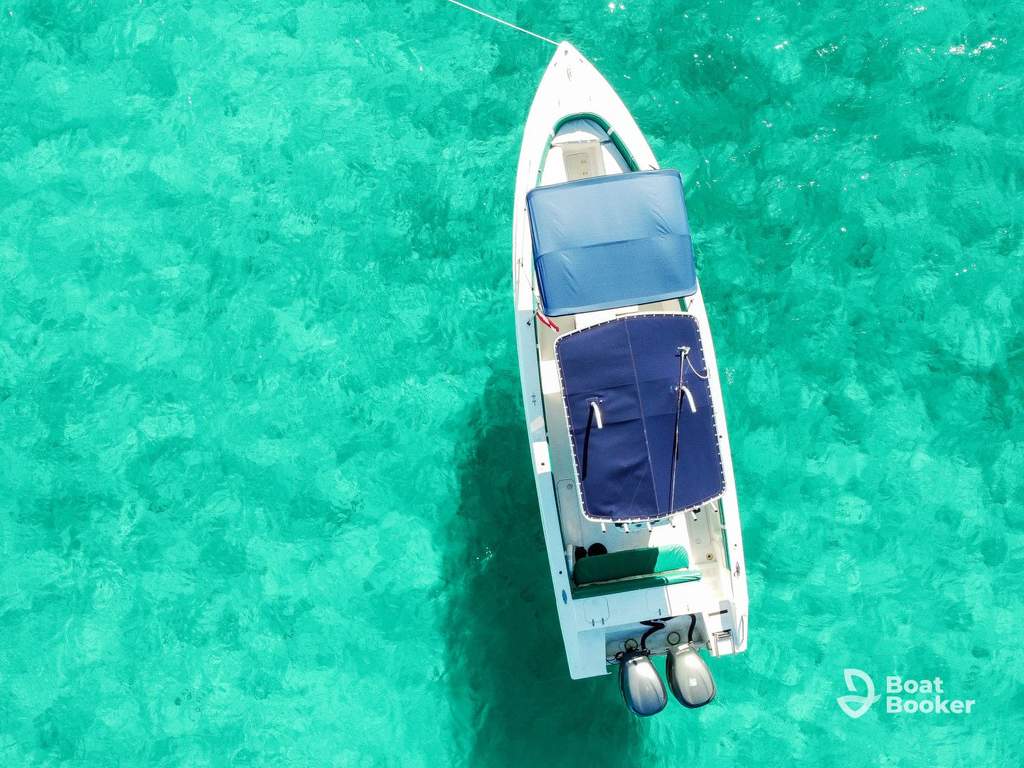
When snorkeling, your back is exposed to UV rays for the entire session – sometimes an hour or more. Depending on water temperature, protect your skin with a rash guard (a lightweight, quick-dry sun shirt), a wetsuit if the water is cold, or at minimum a thorough application of reef-safe sunscreen on your back, shoulders, neck, and the backs of your legs.
Neoprene socks or water shoes are helpful if you’re entering from a rocky beach or wearing open-heel fins. They prevent blisters and protect your feet from sharp coral or shells. Some snorkelers also wear board shorts or leggings over their swimsuit for extra sun coverage and to avoid jellyfish stings.
Skip jewellery – it can fall off and attract curious fish. Also leave the cotton t-shirt on shore. Cotton gets heavy when wet, restricts movement, and doesn’t protect from UV the way a proper rash guard does.
Best Places to Book a Snorkeling Tour
If you’re ready to try snorkeling, a guided boat tour is the easiest way to get started. The operator handles gear, picks a great spot, and puts experienced guides in the water with you. Here are some of the best destinations for snorkeling and diving tours.
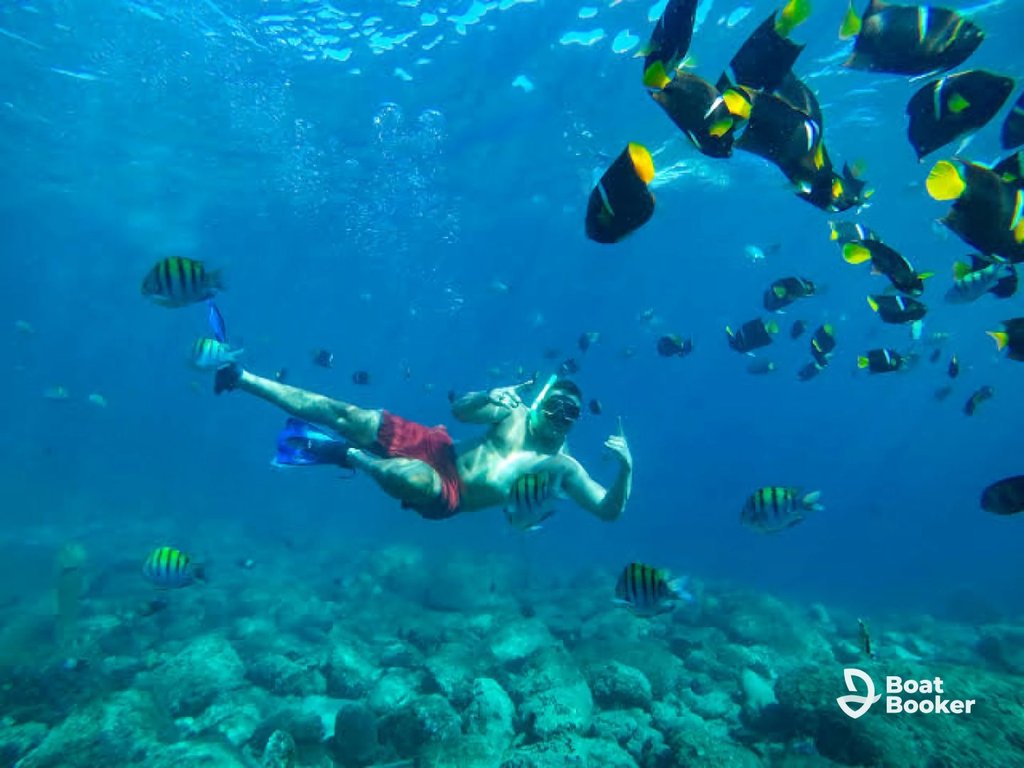
- Key West, Florida – The Florida Keys sit on top of the only living coral barrier reef in the continental United States. Snorkeling tours in Key West take you to shallow reef sites with clear, calm water and abundant tropical fish. It’s also one of the most family-friendly snorkeling destinations in the country.
- Key Largo, Florida – Just up the road from Key West, Key Largo is home to John Pennekamp Coral Reef State Park – the first undersea park in the U.S. Tours here visit shallow patch reefs teeming with parrotfish, angelfish, and sea fans. The famous Christ of the Abyss statue sits in only 25 feet of water.
- Cancún, Mexico – The Mesoamerican Barrier Reef runs along the Yucatán coast, making Cancún a top snorkeling destination. Many tours combine reef snorkeling with a visit to MUSA, an underwater museum with over 500 submerged sculptures.
- Nassau, Bahamas – The Bahamas are famous for their impossibly clear water. Snorkeling tours from Nassau often visit coral gardens, shipwrecks, and sandbars where the water is shallow enough to stand. Some tours include a swim with nurse sharks or a stop at the famous swimming pigs.
- Honolulu, Hawaii – Oahu’s south shore offers sheltered bays perfect for beginners. Boat tours from Honolulu can reach spots like Turtle Canyon, where green sea turtles are regular visitors. Many of these tours operate on catamarans, which provide a stable, comfortable ride to the snorkel site.
- Great Barrier Reef, Australia – The world’s largest coral reef system stretches over 2,300 kilometres along Australia’s northeast coast. Snorkeling tours here are bucket-list experiences – you’ll see everything from clownfish to manta rays across some of the most biodiverse waters on the planet.
A typical snorkeling day tour costs $75–$150 per person depending on the destination, duration, and what’s included. Most tours provide all the gear you need, so you don’t have to buy or rent separately.
Frequently Asked Questions about Snorkeling
Contact lenses are another option, though there’s a small risk of losing them if your mask floods. If you go the contacts route, use daily disposables.
Have you tried snorkeling before, or is this going to be your first time? If you’ve been to any of the destinations mentioned above – or have a favorite beginner-friendly spot we didn’t cover – drop it in the comments. And if anything in this guide seems off or outdated, let us know so we can keep it accurate.