
What Is an Airboat? A Beginner’s Guide to the Flat-Bottomed Thrill Ride
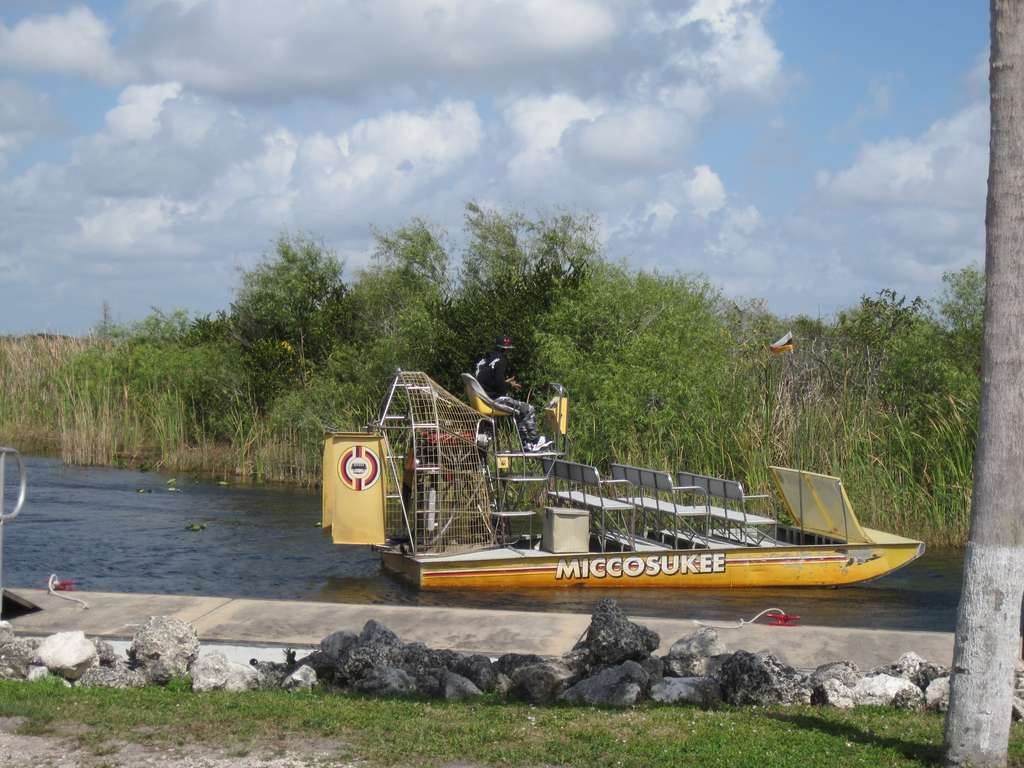
So, what is an airboat? Picture a flat-bottomed boat with a giant fan on the back, skimming across shallow swamps and marshes where no other vessel could go. That’s an airboat – a unique watercraft propelled entirely by an above-water propeller, with zero moving parts below the waterline. You might also hear them called fan boats, swamp boats, or bayou boats, depending on where you are. They’re loud, fast, and unlike anything else on the water.
If you’ve been eyeing an airboat ride for an upcoming trip to the Everglades or Louisiana bayou, this guide covers everything you need to know. We’ll break down how airboats work, what to expect on your first ride, what to wear, how much it costs, and where to book one.
What Is an Airboat?
An airboat is a flat-bottomed watercraft powered by an aircraft-type propeller and driven by either an automotive or aircraft engine. The engine and propeller sit on a raised platform at the stern, pushing the boat forward with a blast of air rather than an underwater prop or jet drive.
That single design choice – keeping everything above the waterline – is what sets airboats apart from every other boat type. There’s no submerged propeller to get tangled in weeds, and no lower unit to scrape against the bottom. As a result, an airboat can glide through water just a few inches deep, push across grass and lily pads, and navigate marshes that would strand a conventional motorboat in minutes.
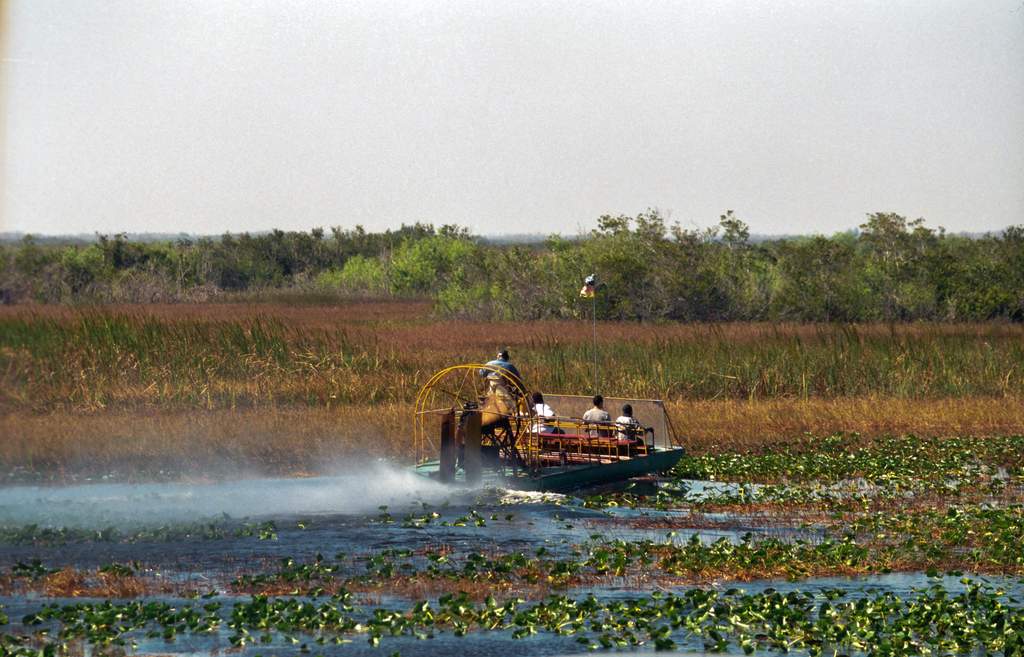
The hull itself is a flat planing surface. Rather than cutting through water like a V-hull, it sits on top and skims across it – think of it like a sled on snow. That flat profile, combined with the above-water propulsion, is why airboats have been the go-to vessel in the Florida Everglades and Gulf Coast bayous for decades. As of December 2017, Florida alone had 12,164 registered airboats – 1,025 of them commercial tour boats.
How Does an Airboat Work?
Propulsion and Steering
The engine sits on an elevated platform behind the passenger area, connected to a large propeller through a reduction drive. When the engine fires up, the propeller spins and generates a powerful stream of air that pushes the boat forward. It’s the same principle as an airplane propeller – just mounted horizontally on a boat instead of the front of a fuselage.
Vertical rudders mounted directly in the propeller wash handle the steering. When the captain pushes a control stick left or right, these rudders change the airflow, which pivots the boat in that direction. Here’s the catch: the rudders only work when air is flowing over them. No throttle means no airflow, which means no steering. That’s why airboat captains rely on constant throttle adjustments to maneuver.
One detail that surprises most people: standard airboats cannot go in reverse. There’s no gear shift to flip. To slow down, the captain simply reduces throttle and lets water resistance bring the boat to a stop. Some modified airboats have reversible propeller systems, but the vast majority – especially tour boats – don’t.
Hull Design
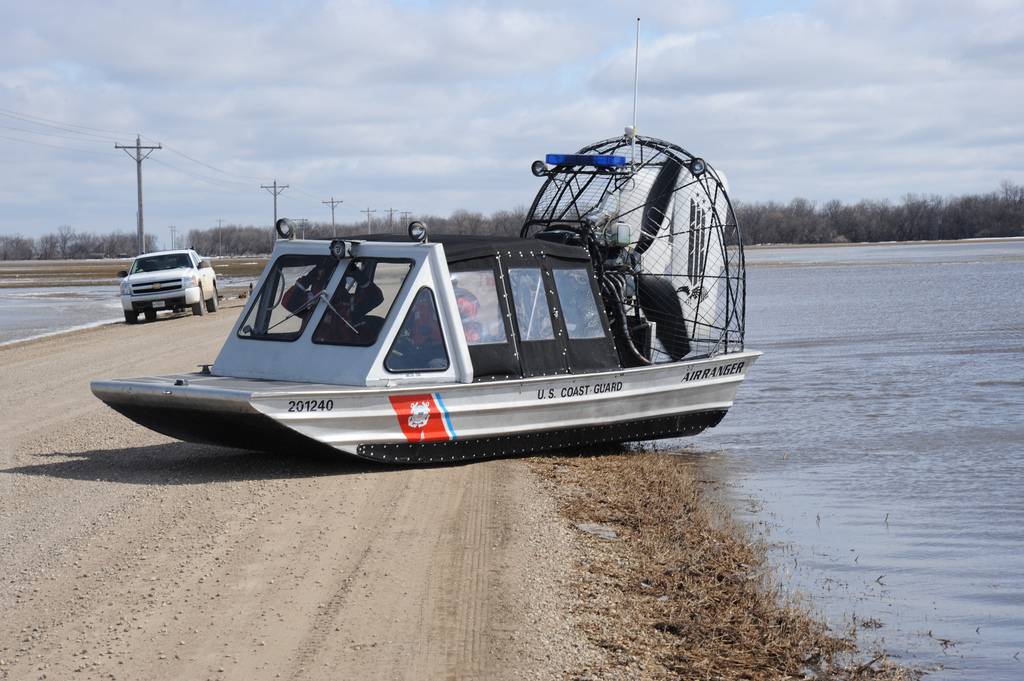
The flat planing hull is the airboat’s secret weapon. Instead of displacing water, it planes across the surface at speed. This design lets airboats operate in as little as a few inches of water. They can also transition from open water to grassy marsh, mud flats, and even ice without damaging the hull or getting stuck.
If you’ve ever read about pontoon boats, their flat-bottomed stability might sound familiar. But where a pontoon uses submerged tubes and an outboard motor, an airboat’s hull is a single flat surface with nothing protruding below – giving it access to terrain no pontoon could handle.
Engine Types
Airboat engines have gone through a major shift over the decades. Before 1980, about 90% of airboats were built with aircraft engines – lightweight, high-RPM powerplants borrowed from the aviation world. Since 1990, that ratio has flipped: roughly 90% of airboats now use automotive engines, typically big-block V8s from GM, Ford, or Chrysler.
The reason is straightforward. Automotive engines are cheaper to buy, easier to maintain, and have readily available parts. A mechanic in rural Florida can work on a Chevy 454 without ordering specialty aviation components. Modern automotive setups deliver plenty of power for both commercial tours and recreational use.
What Are Airboats Used For?
Most people associate airboats with Everglades sightseeing tours – and that’s fair, since tourism is the most visible use. But airboats serve a surprisingly wide range of purposes.
- Eco-tourism and sightseeing remain the biggest commercial application. Tour operators across Florida and Louisiana run thousands of trips each year, taking visitors through marshes and wetlands to spot alligators, wading birds, manatees, and other wildlife.
- Fishing and hunting are where airboats got their start in the Southeast. Anglers use them to reach shallow bass and redfish habitat that’s inaccessible by conventional boat. Duck hunters rely on them during waterfowl season for the same reason.
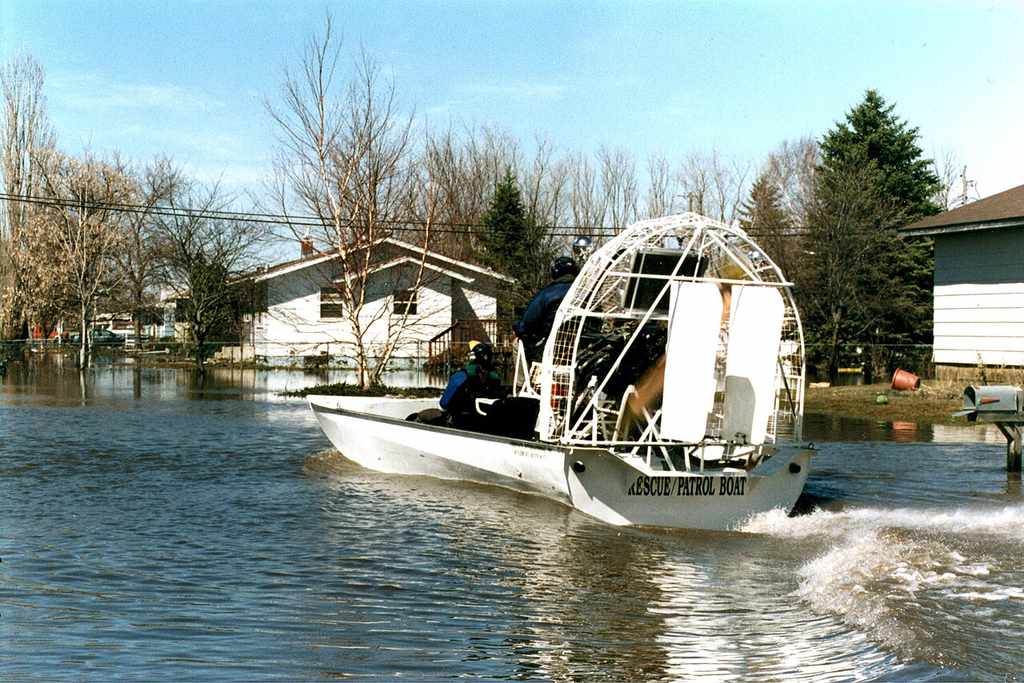
- Search and rescue is where airboats save the most lives. Their ability to operate on water, ice, mud, and grass makes them invaluable for flood response and ice rescues. In ice rescue operations specifically, airboats cut the average rescue time from 45–60 minutes down to just 7–12 minutes – a difference that can mean life or death in freezing water.
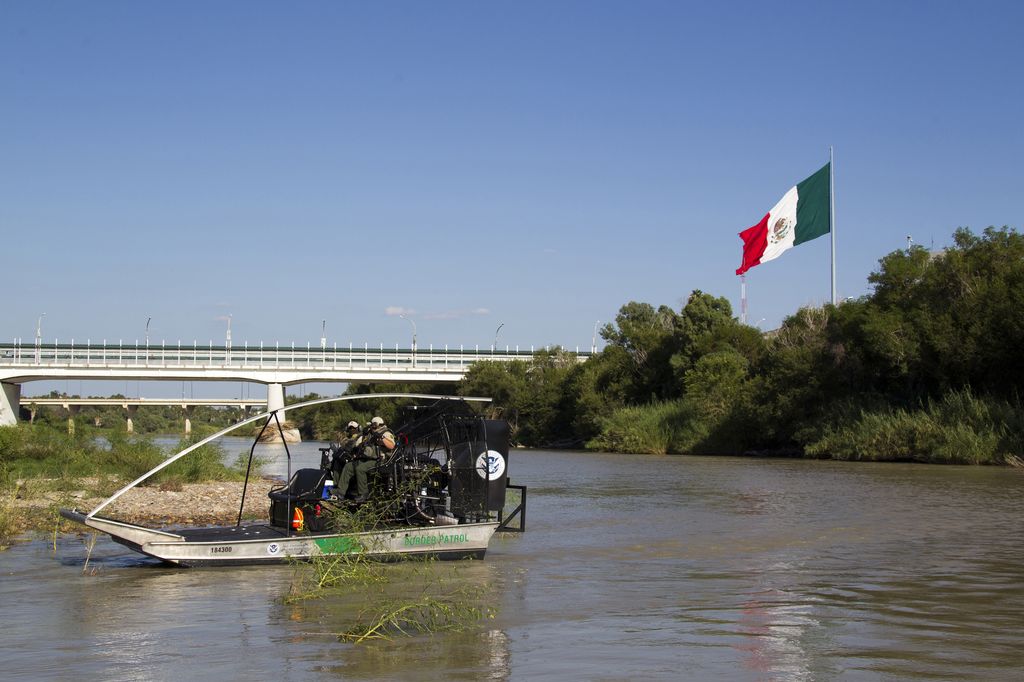
- Wildlife management and law enforcement round out the list. The Florida Fish and Wildlife Conservation Commission uses airboats extensively for Everglades ecosystem management, and the U.S. Border Patrol operates them along marshy stretches of the southern border.
How Fast Can an Airboat Go?
Commercial airboats – the ones you’ll ride on a tour – typically cruise around 35 miles per hour. That might not sound blistering on paper, but on an open marsh with no windshield and water spraying inches below you, 35 mph feels fast.
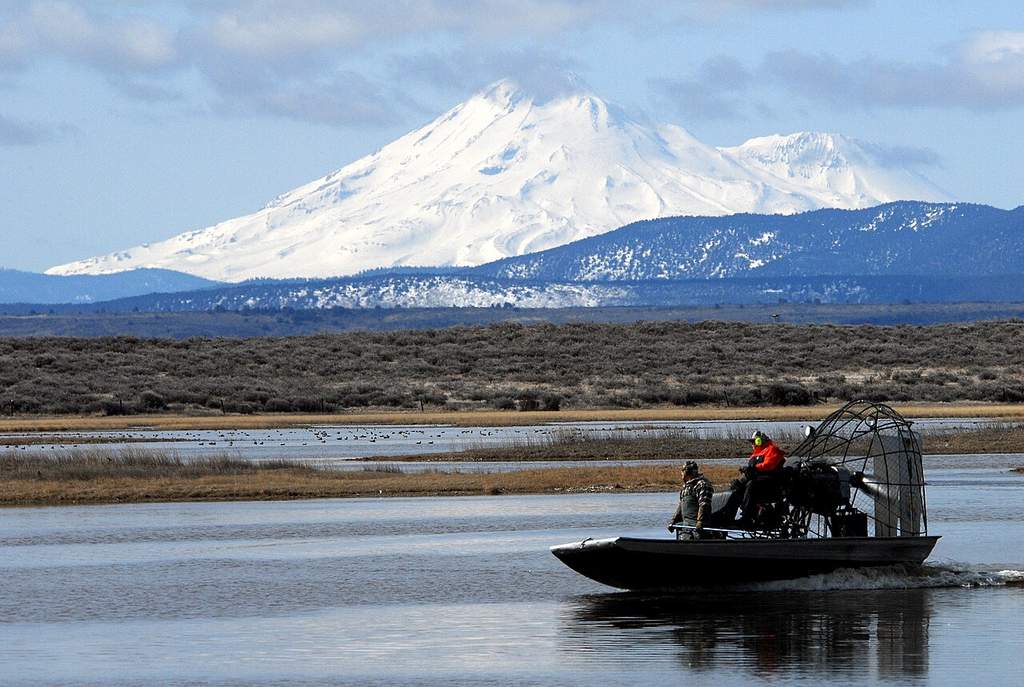
Modern recreational airboats can hit 50–60 mph across flat, open water when conditions are right. At the extreme end, purpose-built racing airboats with modified engines have been clocked at 135 mph. Those are competition machines, though – not anything you’d encounter on a guided tour.
For context, most tour captains vary their speed throughout the trip. They’ll open it up on clear stretches to give you the thrill, then slow to a crawl in narrow channels or when approaching wildlife. The contrast between full-speed skimming and quiet drifting past a basking alligator is part of what makes an airboat ride so engaging.
What to Expect on Your First Airboat Ride
Noise and Hearing Protection
Let’s get this out of the way first: airboats are loud. That large propeller spinning at high RPM creates serious sound levels – think somewhere between a lawnmower and a motorcycle, sustained for the duration of the ride. Every reputable tour operator provides hearing protection, usually foam earplugs or over-ear muffs. Wear them. Your ears will thank you, and you’ll still hear your captain’s narration through the onboard speaker system most tours use.
What to Wear on an Airboat Ride

Dress for the weather, but keep a few airboat-specific details in mind:
- Lightweight, breathable clothing – Florida and Louisiana marsh tours happen in warm, humid conditions, so cotton or moisture-wicking synthetics work best
- Sunscreen and a hat – there’s zero shade on most airboats, and the sun reflects off the water
- Sunglasses with a strap – the wind is constant and strong, so unsecured glasses can fly off
- Tie long hair back into a ponytail or braid; if your hair isn’t long enough for that, a bandana or snug hat helps keep it from whipping around
- Secure everything loose – phones, hats, cameras; if it can blow away, it will, which means a camera strap or phone lanyard is essential
- Closed-toe shoes – optional but smart, especially if your tour includes a nature walk or dock boarding
Skip the flip-flops, dangling jewelry, and loose scarves. The propeller wind is no joke.
Safety Basics
Airboat rides offered by licensed tour operators are safe. Although accidents have happened, they’re rare. In 2016, Florida recorded 714 total boating accidents statewide. Airboats were involved in just 31 of them – about 4%. Considering the thousands of commercial airboat tours running every week, those odds are strongly in your favor.
Standard safety practices apply: stay seated at all times, keep your hands and arms inside the boat, and follow your captain’s instructions. Life jackets are provided on every commercial tour and are typically required for children. Listen to the pre-ride safety briefing – it’s short and covers everything you need to know.
How Much Does an Airboat Cost?
Booking a Tour
If you’re looking to ride rather than buy, airboat tour pricing is surprisingly accessible. Most 30- to 60-minute tours run between $30 and $75 per person. Longer private charters or small-group experiences can push toward $100+, but the standard group tour fits comfortably within most vacation budgets.
Pricing varies by location and season. Peak winter months in the Everglades tend to cost a bit more than shoulder seasons. Private tours for families or small groups cost more per person but give you a more intimate experience with your captain.
Buying an Airboat
Thinking about owning one? New airboats range from about $40,000 for a basic, no-frills build to $400,000 or more for a large, custom-rigged commercial vessel. Used airboats typically fall between $5,000 and $30,000, depending on age, engine type, and condition.
Most airboats are custom-built rather than mass-produced on an assembly line. You’ll work with a builder who specs the hull size, engine, seating, and accessories to your needs. That’s why the price range is so wide – a small fishing airboat with a used automotive engine is a completely different purchase than a 20-passenger commercial tour vessel with a 500-horsepower setup.
A Brief History of the Airboat
The airboat was invented in 1905 in Nova Scotia, Canada, by a team led by Alexander Graham Bell – yes, the telephone inventor. Bell and his associate Frederick “Casey” Baldwin built an early prototype as part of their broader experiments with aerodynamics and marine propulsion.
The concept first saw military use in 1915, when the British Army deployed airboats during the World War I Mesopotamian Campaign to navigate the shallow marshes of modern-day Iraq. It was a niche application, but it proved the core concept: air propulsion works where nothing else can.
The true breakthrough came in the 1940s, when airboats became popular in the Florida Everglades. Frog hunters, fishermen, and wildlife researchers adopted them as the only practical way to navigate the vast, shallow sawgrass marshes. From there, tourism followed naturally. By the late 20th century, the Everglades airboat tour had become one of Florida’s most iconic visitor experiences. Today, the Everglades ecosystem draws visitors from around the world – the National Park Service provides excellent background on what makes this wetland system so ecologically significant.
Best Places to Book an Airboat Tour
If you’re ready to experience an airboat ride firsthand, here are the top destinations:
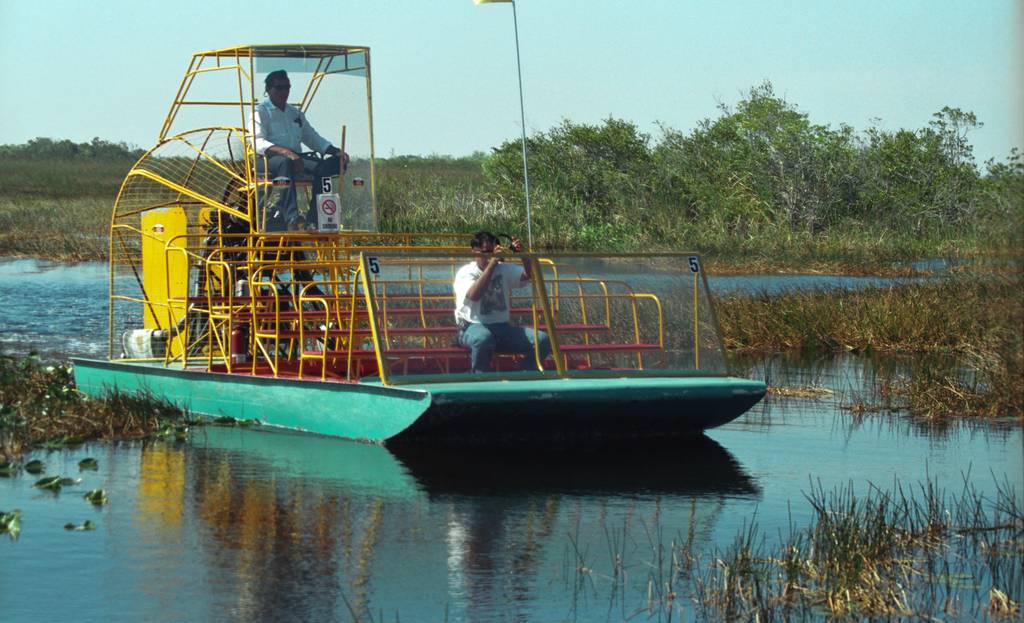
- Florida Everglades: The Everglades are the spiritual home of the American airboat. Miles of shallow sawgrass marsh, alligator-filled channels, and subtropical wildlife make this the quintessential airboat destination. Tours depart from multiple access points across South Florida.
- Orlando, FL Area: Central Florida’s chain of lakes and wetland preserves offer airboat tours with a different flavor than the Everglades. Expect sightings of bald eagles, turtles, and the occasional gator in a freshwater setting. It’s an easy add-on to any theme park vacation.
- Crystal River, FL: Crystal River is best known for manatee encounters, and airboat-style eco-tours give you access to the spring-fed waterways where manatees gather in cooler months. The shallow, crystal-clear water here is a stunning contrast to the murky marsh of the Everglades.
- Homosassa, FL: Just south of Crystal River, Homosassa offers its own network of springs and tidal marshes. It’s a quieter, less crowded alternative with excellent wildlife viewing – manatees, dolphins, and wading birds are all common.
- New Orleans & the Louisiana Bayou: Louisiana’s bayou country delivers a completely different airboat experience. Spanish moss–draped cypress swamps, Cajun culture, and the chance to spot alligators in a wilder, less manicured setting make this a standout ride for anyone visiting New Orleans. Tours depart from several launch points within 30–45 minutes of the city.
Frequently Asked Questions about Air Boats
Have you been on an airboat ride – in the Everglades, the Louisiana bayou, or somewhere else entirely? We’d love to hear what surprised you most about the experience. If you’ve got tips for first-timers or think we’ve gotten something wrong here, drop a note in the comments. The more real-world perspective, the better.