


Best Boating Lakes in Texas: 12 Lakes Worth the Drive
Texas doesn’t lack for water. The state holds roughly 1.7 million acres of freshwater lakes and close to 590,000 registered recreational vessels, making it one of the busiest boating states in the country. The challenge isn’t finding a lake. It’s picking the right one.
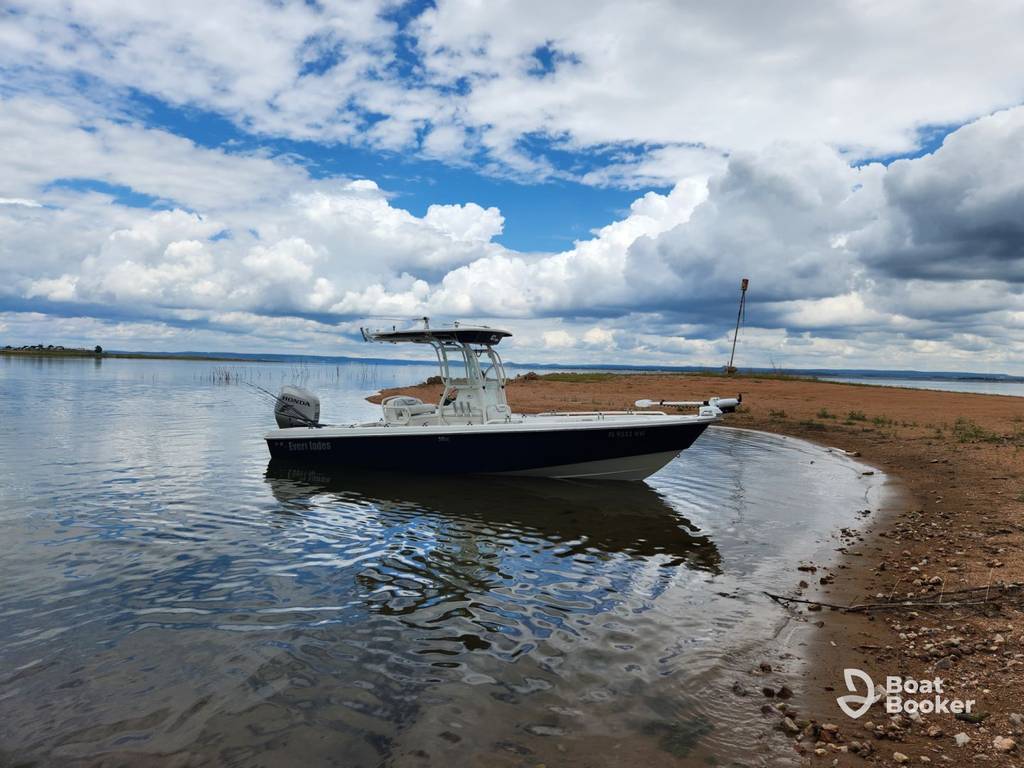
Some lakes reward you with party coves and cliff-jumping. Others are better suited to a quiet morning with a rod in the water or a slow paddle through cypress swamps. The vibe changes dramatically depending on whether you’re an hour west of Austin or deep in the East Texas piney woods. Because Texas’s mild climate allows boating nearly year-round, the real peak season – April through October – still leaves shoulder months worth exploring.
This list covers 12 of the best boating lakes in Texas, loosely organized by region. Whether you’re after watersports near Dallas, a scenic Hill Country cruise, or a bayou adventure unlike anything else in the state, there’s a lake here that fits. Let’s get into it.
Lake Travis
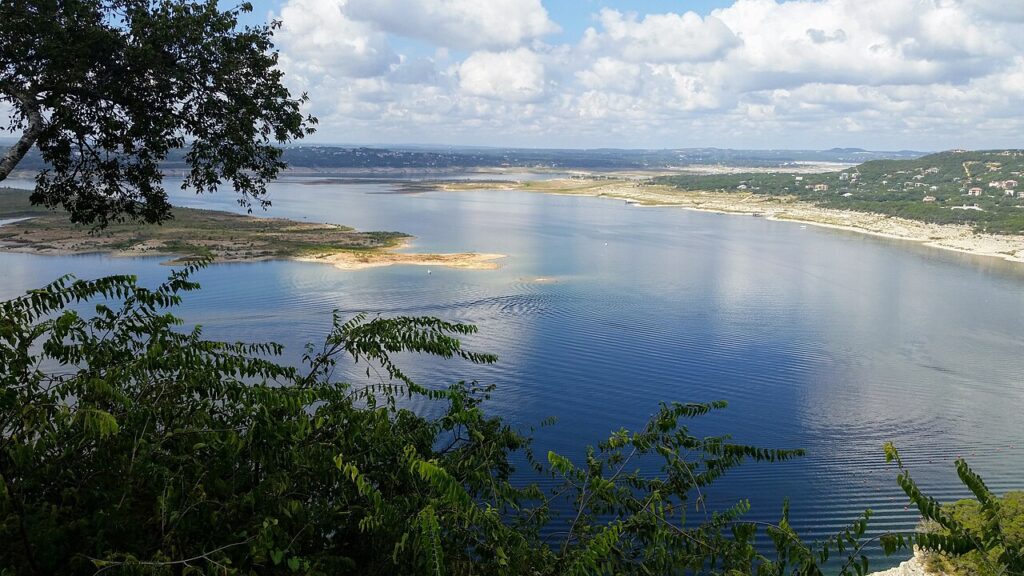
If you’ve spent any time around Austin, you already know Lake Travis. It’s the Hill Country’s signature lake – 60 miles long, with roughly 271 miles of shoreline winding through limestone bluffs and rolling green hills. The water runs clear most of the year, and the scenery alone makes a day on it worthwhile.
What draws the crowds, though, is the energy. Lake Travis is one of the busiest recreational lakes in Texas, and for good reason. Party coves like Devil’s Cove fill up on summer weekends with rafted-up pontoons and blasting speakers. Wakeboarding, tubing, and jet skiing are constant. Waterfront restaurants and bars – some only accessible by boat – line stretches of the shoreline, so you can pull up, grab a drink, and get back out. Rentals are easy to find, from pontoons to ski boats, and several marinas offer half-day and full-day charters.
One thing to know: Lake Travis is a reservoir, and its water level fluctuates significantly depending on rainfall. During drought years the lake can drop dramatically, closing some ramps and exposing rocky shelves. Check conditions before you go – the Lower Colorado River Authority posts real-time lake levels. Peak-season weekends from Memorial Day through Labor Day get genuinely packed, so weekday trips or early-morning launches are worth considering. Lake Travis sits about 30 minutes northwest of downtown Austin.
Canyon Lake
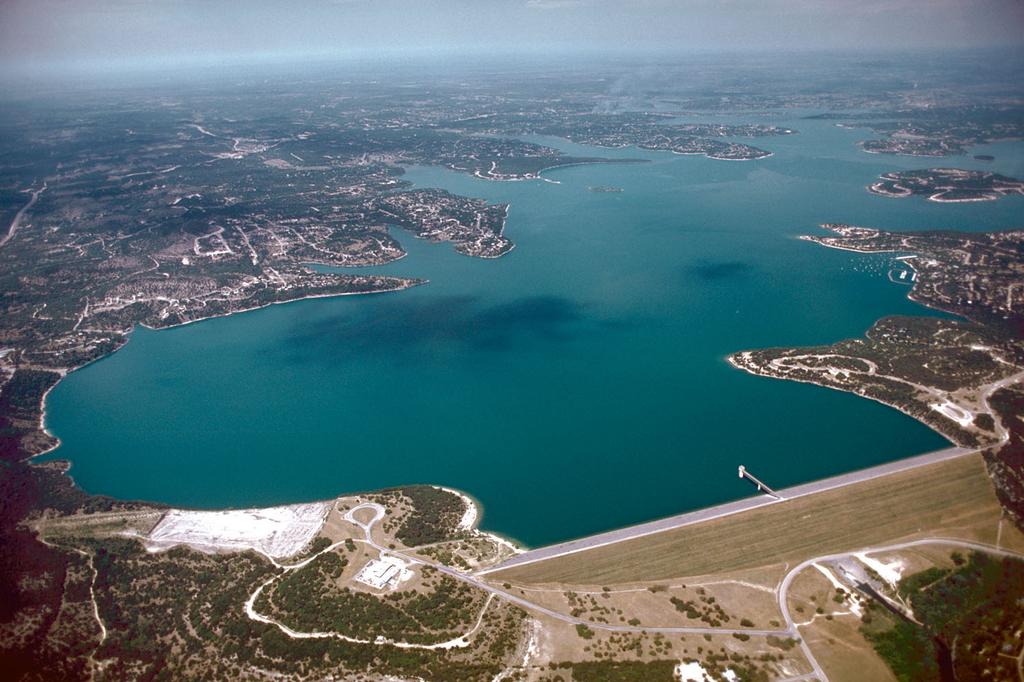
About 45 minutes north of San Antonio, Canyon Lake offers much of what Lake Travis does – clear Hill Country water, limestone surroundings, solid watersports – but at a noticeably calmer pace. Built in 1964 on the Guadalupe River, the lake benefits from spring-fed inflows that keep water temperatures cooler through the summer. That’s a real advantage when July air temps push past 100 °F.
Eight parks ring the shoreline, each with boat ramps, swimming areas, and camping. The lake is popular for tubing, skiing, and fishing, but it doesn’t draw the same party-cove intensity as Travis. Families with younger kids tend to prefer it for exactly that reason. Pontoon and ski boat rentals are available at several marinas, so it’s accessible even if you don’t own a boat.
Beyond the lake, the stretch of the Guadalupe River below Canyon Dam is one of Texas’s top tubing runs – a natural pairing if you want to make a full weekend of it. The town of New Braunfels is just down the road, with its German-heritage restaurants and Gruene Hall, the oldest continuously operating dance hall in Texas. Canyon Lake is about an hour from Austin and roughly 90 minutes from Houston.
Lake Buchanan
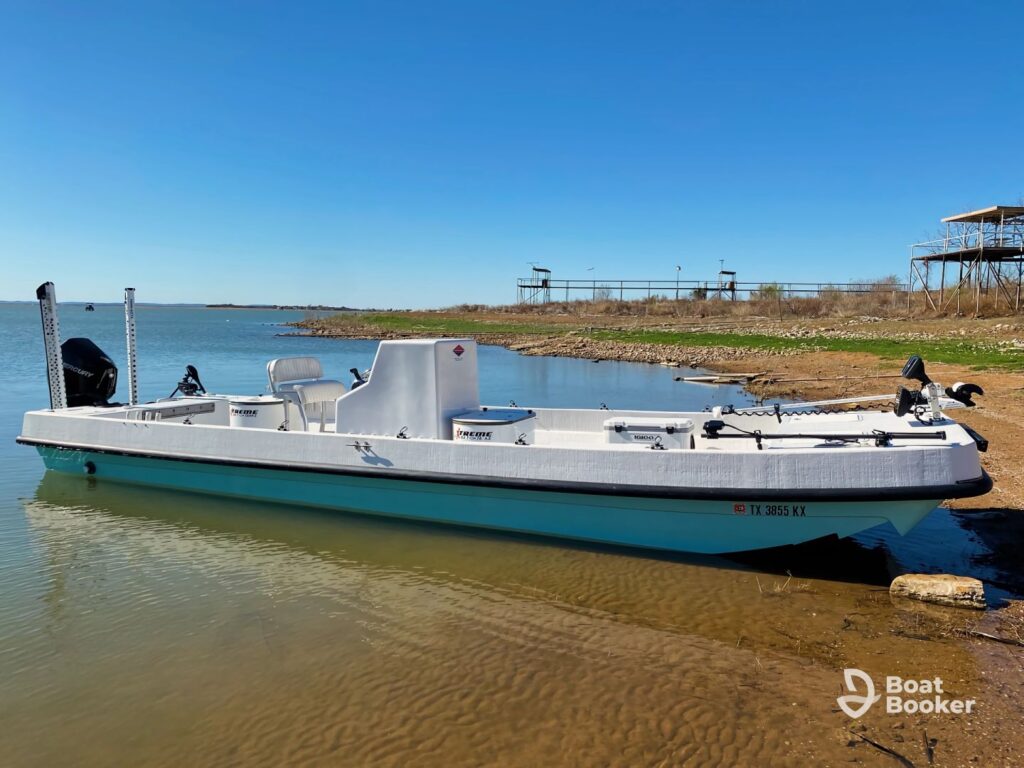
Lake Buchanan is the largest of the Highland Lakes chain, sitting about 90 minutes northwest of Austin near the small town of Buchanan Dam. It’s wide, open, and quiet – a genuine contrast to the more developed lakes closer to the city. Scenic cliffs rise along parts of the western shoreline, and on a weekday you might have entire stretches of water to yourself.
This is a strong pick for families and anyone looking to slow down. Swimming, tubing, and leisurely pontoon cruising are the main draw. Fishing is solid too, with striped bass and catfish among the regular catches. Boat tours near Buchanan Dam are available through BoatBooker if you’d rather let someone else handle the wheel. Rental options are more limited than at Travis or Canyon Lake, so booking ahead is smart – especially on holiday weekends.
One practical note: like Lake Travis, Buchanan’s water level fluctuates with rainfall. Neighboring Lake LBJ, by contrast, is a constant-level lake – its water stays steady year-round. If predictable conditions matter to your plans, that’s worth factoring in. Lake Buchanan’s less-developed setting means fewer restaurants and marinas on the shore, but that tradeoff is exactly what draws people who want a peaceful day on the water.
Lake Conroe
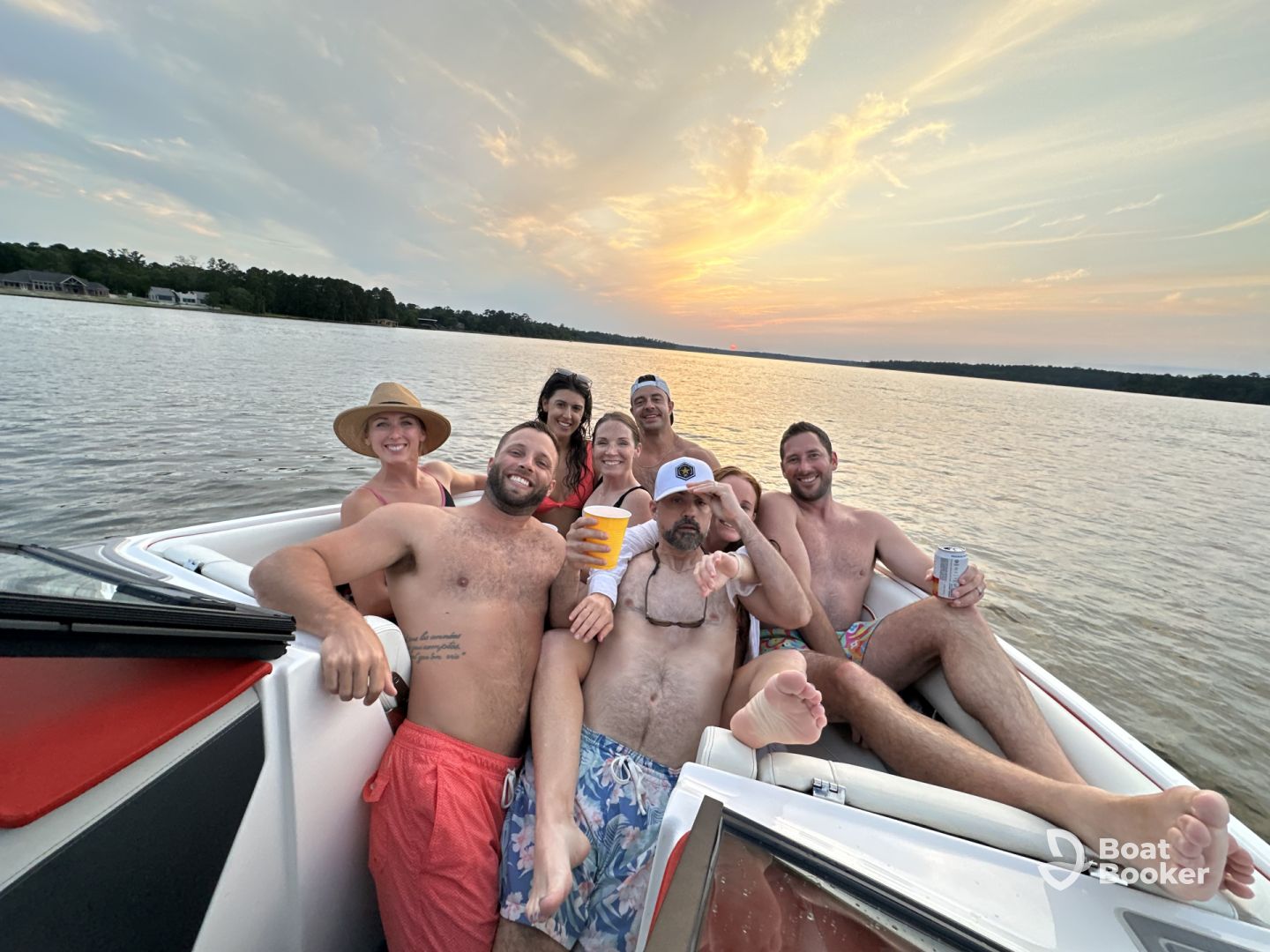
About an hour north of Houston, Lake Conroe is the go-to weekend escape for the state’s largest metro. The lake covers roughly 21,000 acres and blends recreation with relaxation – waterfront homes, public parks, and a solid network of marinas and boat ramps line the shore.
Watersports are popular here. Wakeboarding, tubing, and jet skiing are common, and the lake’s size means you can usually find open water even on busy days. Fishing is strong year-round, with largemouth bass, catfish, and crappie among the regular catches. Several marinas rent pontoons, ski boats, and fishing vessels, so you don’t need your own rig. Boat tours on Lake Conroe are bookable through BoatBooker for a more laid-back experience.
On land, the surrounding area has golf courses, waterfront dining, and access to Sam Houston National Forest for hiking and mountain biking. Lake Conroe is one of the more developed lakes on this list, which means amenities are easy to come by – grocery runs, gas, and restaurant options are all close. For Houston-area families wanting a lake day without a long drive, it’s hard to beat.
Lake Texoma
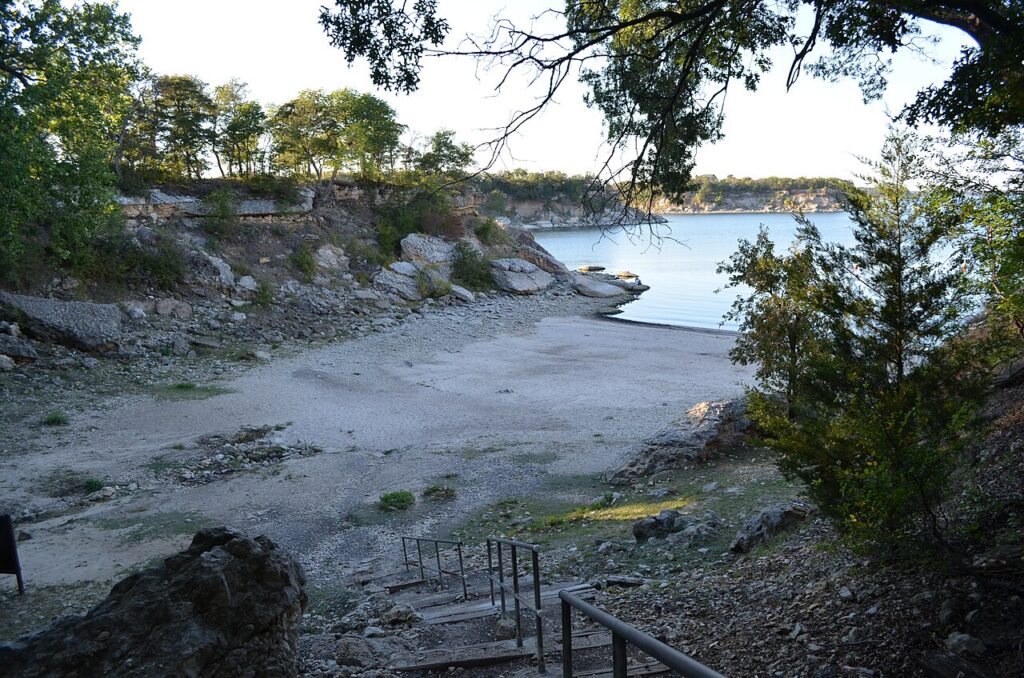
Straddling the Texas-Oklahoma border about 75 miles north of Dallas, Lake Texoma is one of the largest reservoirs in the United States. It covers nearly 75,000 acres and draws around 6 million visitors a year – a number that puts it among the most-visited lakes in the country.
The water here runs a striking emerald green, and the lake is home to roughly 70 species of fish. Striped bass fishing is the headline attraction – Texoma is one of the few inland lakes where stripers reproduce naturally, and guided fishing charters are widely available. Beyond fishing, the sheer size of the lake makes it excellent for sailing, skiing, and long-range cruising. Multiple marinas offer boat rentals and slip storage.
The surrounding area includes Eisenhower State Park on the Texas side, with bluffs overlooking the lake, hiking trails, and campsites. The Oklahoma side adds Lake Texoma State Park and additional marina access. Because the lake spans two states, fishing license requirements differ – you’ll need a valid license for whichever side you’re on, though a Lake Texoma fishing license covers both shores for certain species. From the DFW metroplex, the drive is about 90 minutes.
Eagle Mountain Lake
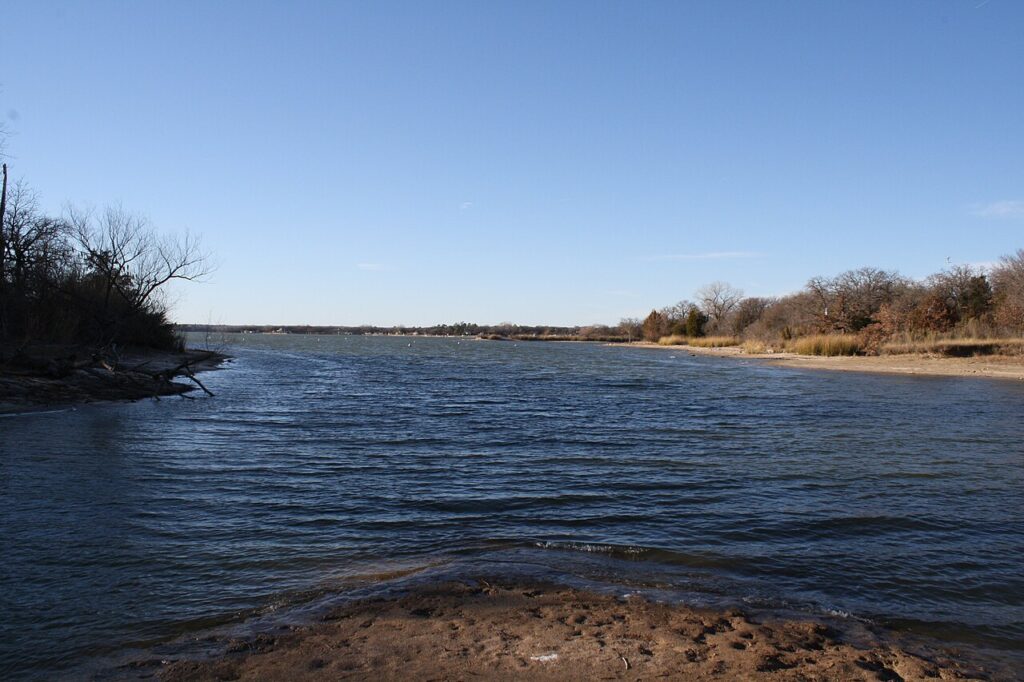
If you’re looking for the best boating lakes in North Texas without the crowds of Texoma or Lewisville, Eagle Mountain Lake is worth a look. It sits about 20 miles northwest of Fort Worth and is considered one of the top boating lakes in the DFW area – close enough for a day trip, spacious enough to feel like a getaway.
The lake covers around 8,700 acres and is popular for wakeboarding, water skiing, and kayaking. Its relatively consistent water levels (compared to some West Texas reservoirs) make trip planning more predictable. Several marinas offer boat rentals and storage, and the surrounding neighborhoods give it a laid-back residential feel rather than a resort-town atmosphere.
Hiking and mountain biking trails at nearby Eagle Mountain Park add an on-land option if you want to break up the day. The lake is also a reasonable bass fishing spot, though it doesn’t get the same attention as the big-name East Texas fisheries. For DFW residents who want a reliable, low-fuss boating day within a 30-minute drive of Fort Worth, Eagle Mountain consistently delivers.
Lake Lewisville
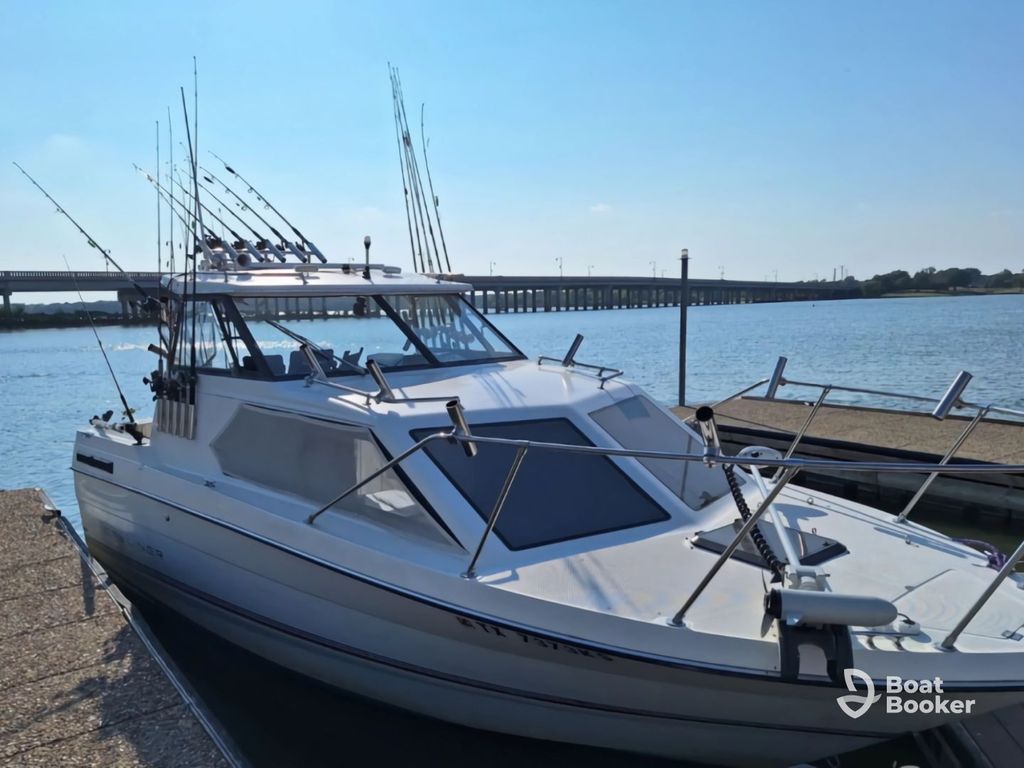
Lake Lewisville is the Dallas metro’s backyard lake – just 30 minutes north of downtown, easily accessible from I-35E, and loaded with recreation options. It’s a favorite among boaters for tubing, wakeboarding, fishing, and general weekend cruising.
The lake covers about 29,000 acres and has a well-developed shoreline with public parks, boat ramps, and marinas. Boat tours on Lake Lewisville are available through BoatBooker, and local marinas rent everything from pontoon boats to ski boats. Party Cove – yes, that’s what locals call it – draws weekend crowds looking for a social scene on the water.
Lewisville’s proximity to Dallas means amenities are everywhere. Restaurants, hotels, and supply shops are minutes from the ramps. The trade-off is that summer weekends get busy, especially around the Fourth of July. If you prefer calmer water, try a Tuesday morning or an early fall weekday. The town of Little Elm on the lake’s north end also has a pleasant beach park and boardwalk worth checking out on shore.
Grapevine Lake
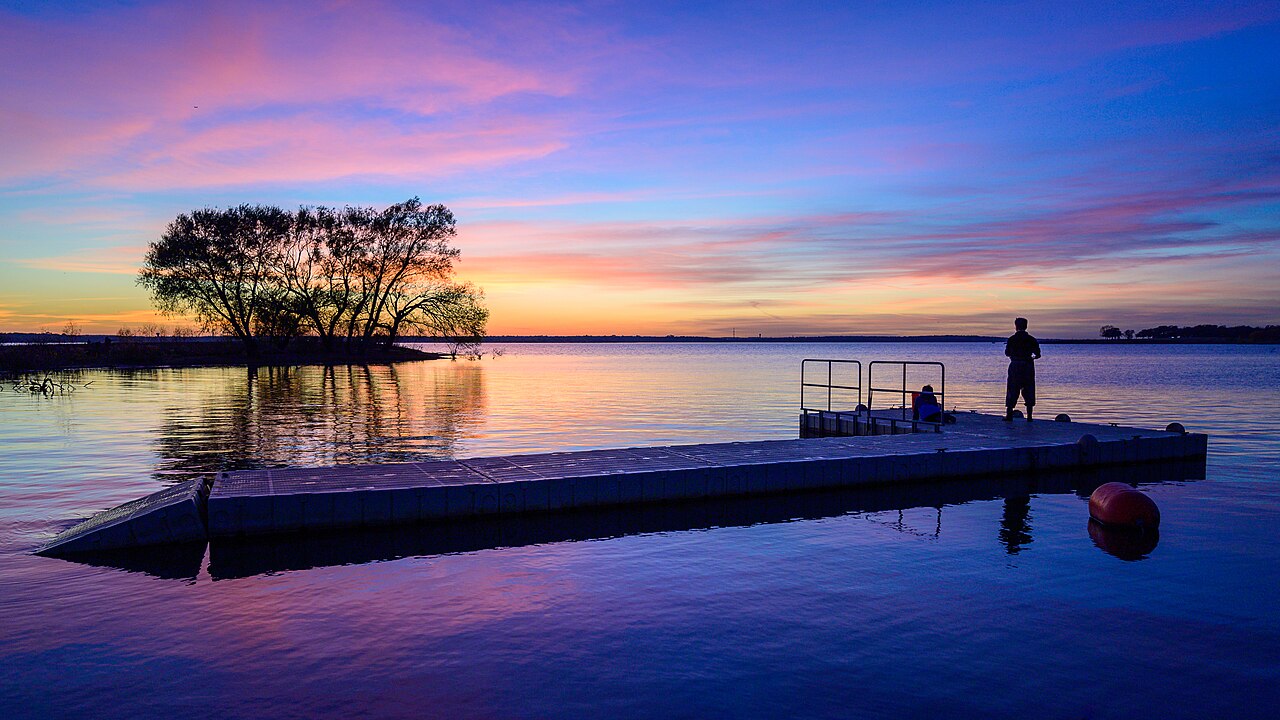
Just east of Grapevine and about 25 minutes from Dallas-Fort Worth International Airport, Grapevine Lake flies under the radar compared to its neighbor Lewisville. That’s part of its appeal. The lake is known for family-friendly boating – calmer waters, picnic areas, and a pace that doesn’t require dodging jet skis every 30 seconds.
Covering roughly 7,400 acres, Grapevine Lake has multiple marinas and public boat ramps. Pontoon cruises are especially popular here. Fishing is decent, with largemouth bass and catfish the primary targets. Kayaking and paddleboarding also work well along the quieter coves.
On land, the historic downtown Grapevine area is a quick drive away – wine tasting rooms, local restaurants, and the Grapevine Vintage Railroad give you options if someone in the group wants a break from the water. The lake’s proximity to the airport also makes it a surprisingly convenient stop for visitors flying into DFW who want a quick lake experience without heading far from the metro.
Possum Kingdom Lake
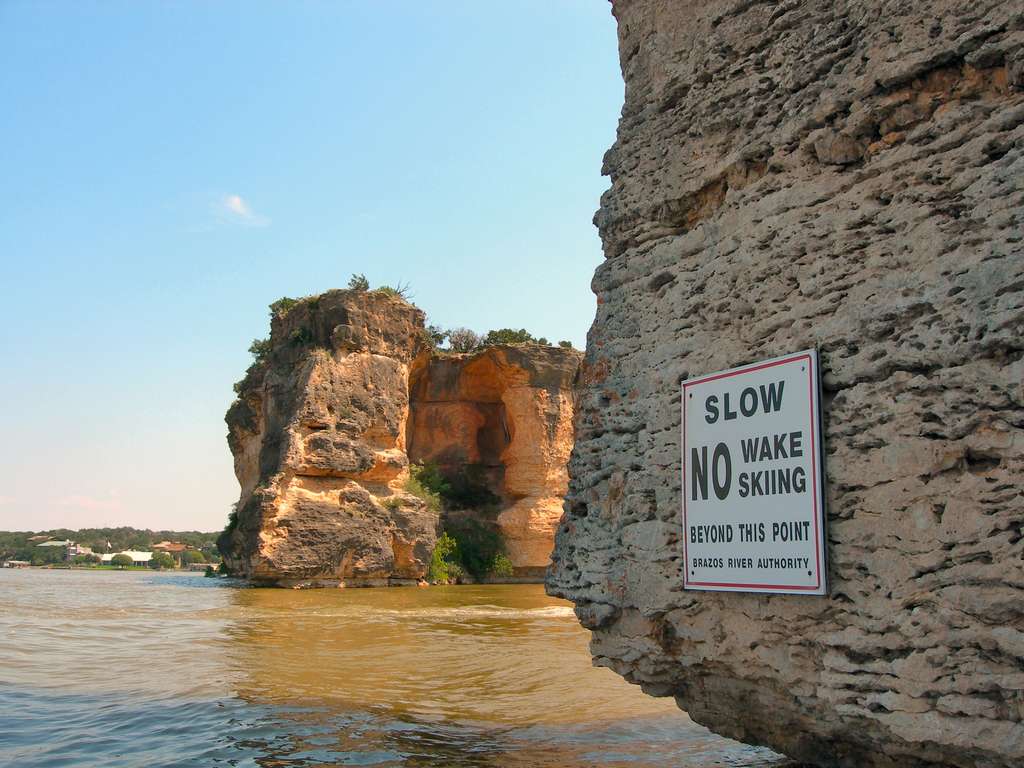
Possum Kingdom Lake – PK Lake to locals – is about two hours west of Fort Worth, and it’s one of the most visually dramatic lakes in the state. The headline feature is Hell’s Gate: two massive limestone cliffs framing the entrance to a deep, narrow cove. It’s become one of the most photographed spots on any Texas lake, and anchoring between those cliffs is a bucket-list moment for many Texas boaters.
The water is a deep, unusually clear blue – a product of the Brazos River feeding into a limestone basin. Boating, cliff jumping, swimming, and fishing are all popular. Several marinas around the lake rent ski boats and pontoons.
The surrounding landscape is rugged and scenic, with hiking opportunities at Possum Kingdom State Park. The town of Graford is the nearest supply stop – it’s small, so stock up on groceries before you arrive. PK Lake is less developed than the DFW-area lakes, which keeps the crowds thinner midweek. Summer weekends at Hell’s Gate do get crowded, but the rest of the lake stays surprisingly spacious.
Caddo Lake
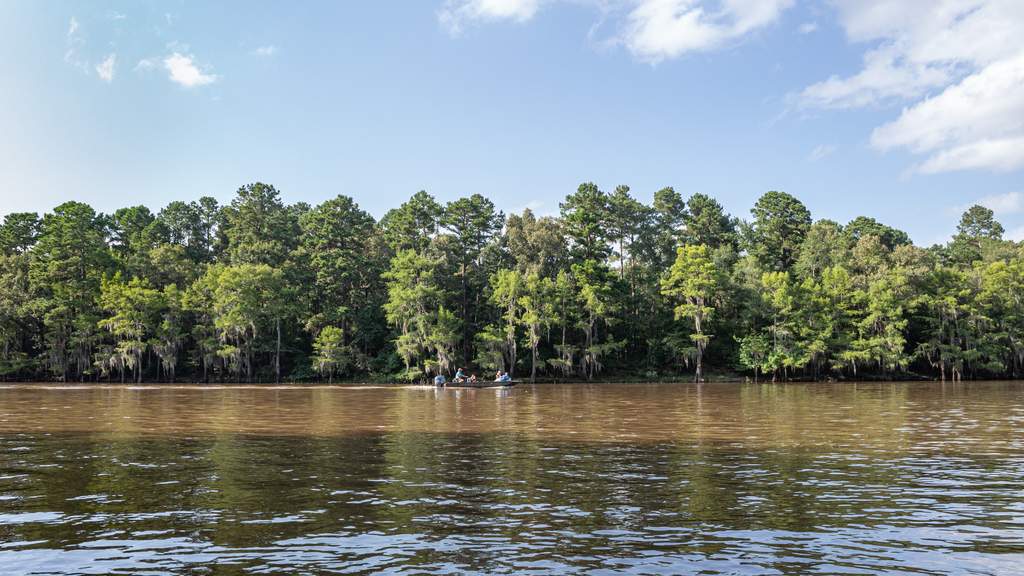
Caddo Lake is unlike anything else on this list – or anything else in Texas, for that matter. Spanning the Texas-Louisiana border across roughly 25,400 acres, it’s the only natural lake in the Lone Star State. Every other lake on this list is a reservoir. Caddo formed from a natural logjam on the Red River, and its landscape reflects that origin: flooded cypress swamps, Spanish moss draped from ancient trees, and narrow bayou channels that feel more like Louisiana than Texas.
This is a slow-pace lake. Kayaking and canoeing are the best ways to explore the maze of waterways, while guided boat tours take visitors through sections of what is the largest bald cypress forest in the world. The lake supports 71 fish species and over 200 bird species, which makes it a prime destination for wildlife observation. It’s a world away from the watersports scene at Travis or Lewisville.
Caddo Lake State Park on the Texas side has cabins, campsites, canoe rentals, and hiking trails. The nearby town of Uncertain (yes, that’s its real name) serves as the main access point and has a handful of restaurants and lodges. Caddo sits in deep East Texas, about three hours east of Dallas and roughly 30 minutes from Shreveport, Louisiana. Fall is an especially beautiful time to visit – the cypress trees turn copper and gold, and the summer crowds thin out.
Sam Rayburn Reservoir
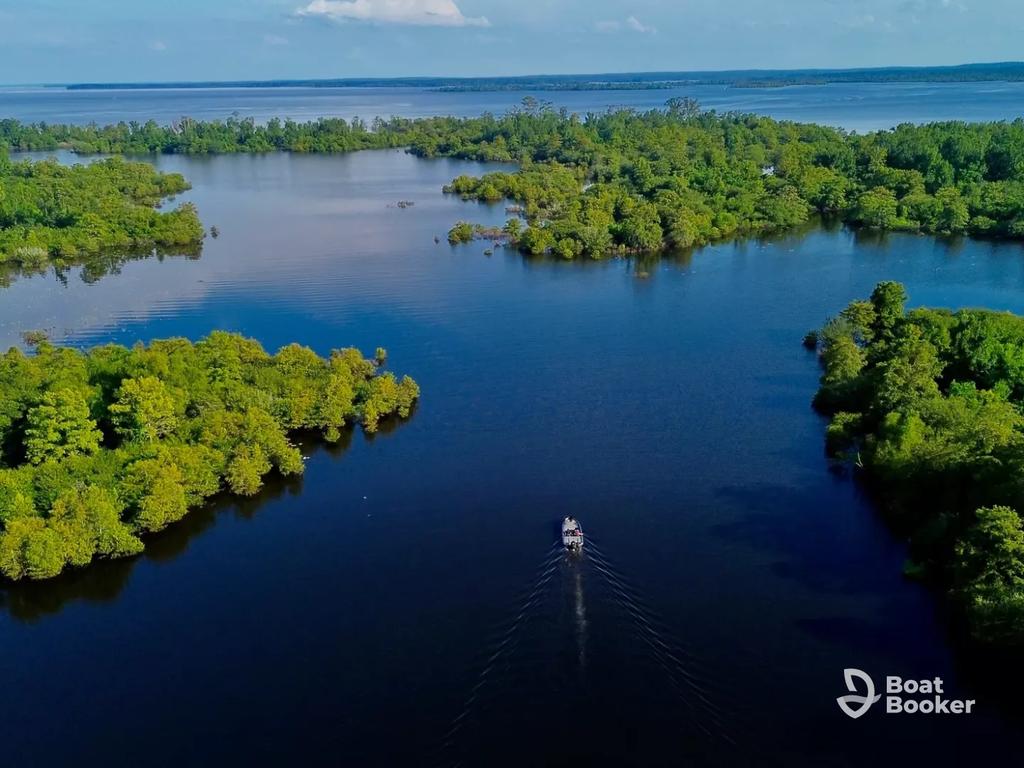
Sam Rayburn is the largest lake entirely within Texas, covering over 114,000 acres in the piney woods of East Texas. It’s also nationally recognized as one of the best bass fishing lakes in the country – ranked among the top ten by multiple fishing publications. If you’re serious about fishing, this is likely the Texas lake you’ve already heard about.
Largemouth bass are the star, but crappie, catfish, and white bass fishing are all strong too. The lake has a well-established guide service network, and boat tours on Sam Rayburn can be found on BoatBooker. Beyond fishing, the lake’s size supports skiing, tubing, and open-water cruising. Several marinas and public ramps dot the shoreline, though it’s less densely developed than the Hill Country or DFW lakes.
The surrounding Angelina National Forest adds hiking, camping, and mountain biking to a weekend itinerary. Sam Rayburn is about two hours north of Beaumont and roughly three hours northeast of Houston. The pace here is distinctly East Texas – unhurried, pine-scented, and refreshingly uncrowded compared to the metro-adjacent lakes. Spring and fall are prime fishing seasons, and the cooler temperatures make the on-water experience more comfortable than a July afternoon.
Lake Whitney
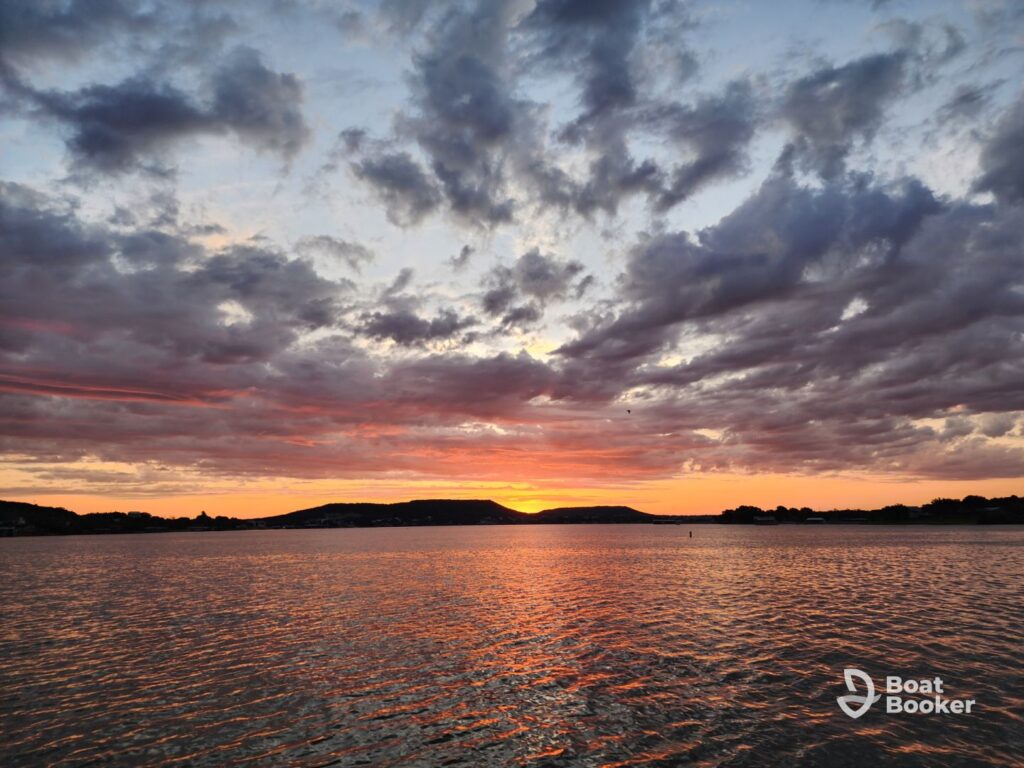
Lake Whitney sits about an hour south of the DFW metroplex, making it a convenient getaway for North Texas residents who want something different from the Lewisville-Grapevine-Eagle Mountain circuit. The lake covers roughly 23,500 acres along the Brazos River, with limestone bluffs, clear water, and a strong recreational scene.
The list of activities here is long: sailing, kayaking, jet skiing, water skiing, fishing, and swimming are all popular. Boat tours on Lake Whitney are bookable through BoatBooker, and local marinas rent a range of vessels. The lake’s shape – long and relatively narrow – creates sheltered coves that work well for anchoring up and swimming. The main channel, meanwhile, offers enough open water for skiing and tubing.
On shore, Lake Whitney State Park has camping, hiking, and a swim beach. The surrounding area includes a few marinas with restaurants, and the small town of Whitney provides basic supplies. The lake also benefits from an interesting geographic position – it sits at the seam where the Blackland Prairie meets the Hill Country, so the scenery shifts from flat farmland to wooded bluffs as you move south along the water. For DFW boaters looking to expand beyond the usual spots, Whitney is a rewarding drive.
Find Your Texas Lake
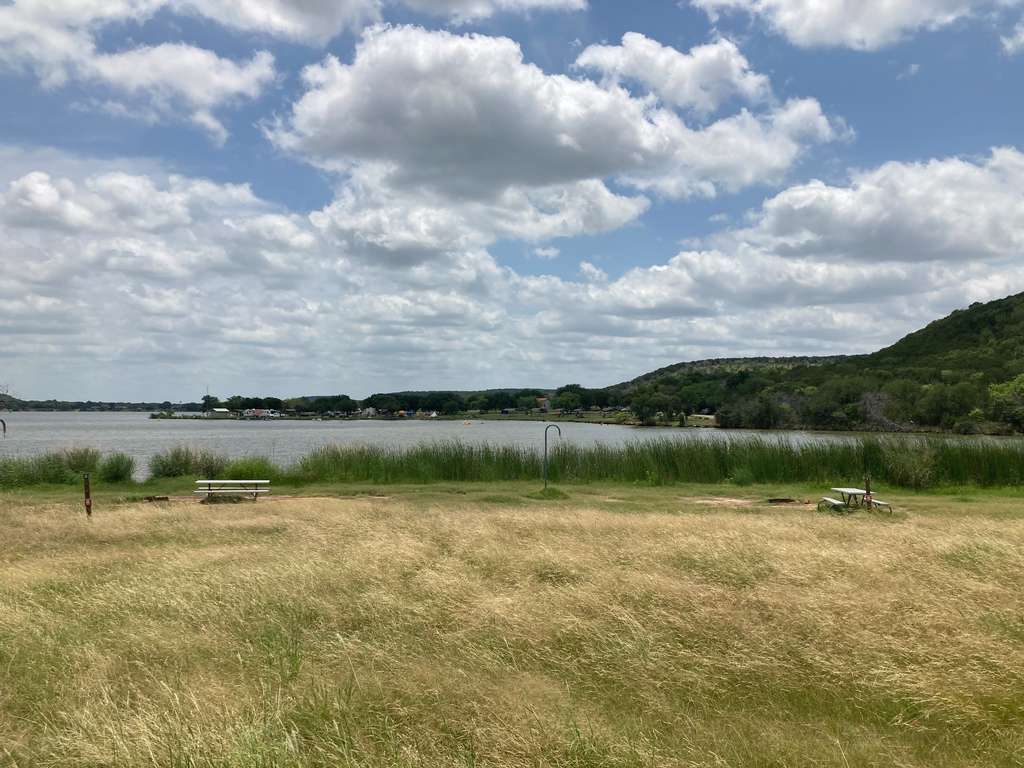
Twelve lakes, four regions, and a whole range of vibes – that’s what Texas boating looks like. If you want the social scene and watersports energy, Lake Travis, Lewisville, and Possum Kingdom deliver. For families after a calmer day, Canyon Lake, Grapevine Lake, and Lake Buchanan are hard to beat. Anglers should put Sam Rayburn and Lake Texoma at the top of the list. And if you want something genuinely unlike any other lake in the state, Caddo Lake’s cypress bayous are in a category of their own.
One more thing worth noting: if you were born after September 1, 1993, Texas requires you to complete a boater education course before operating a motorized vessel. It’s an online course that doesn’t take long, but you’ll want to have it done before your trip – not the morning of. For a deeper look at staying safe on the water, check out our boating safety tips. If you don’t own a boat, rentals and charters are available at most of the lakes on this list, and you can browse options on BoatBooker to find what fits your group size and budget.
Have you spent time on any of these lakes? We’d love to hear which ones are your favorites – or if there’s a Texas lake you think belongs on this list that we missed. Drop your picks and tips in the comments, and if anything here is outdated or off, let us know so we can keep this accurate.




Lisbeth Diane Seeley
August 24, 2026 Aug 24, 2026
Thank you so much for this. We are looking forward to most of these.
Joris Zantvoort
Replied on September 4, 2026 Sep 4, 2026
I hope you’ll enjoy every lake you visit, Lisbeth Diane!
View all replies