
What Is a Panga Boat? A Beginner’s Guide to the Fuel-Efficient Boat You’ll Find All Over Mexico
If you’ve ever browsed fishing charters in Cabo San Lucas or La Paz, you’ve probably seen the word “panga” and wondered what it means. So – what is a panga boat? It’s a lightweight, open-hulled fishing boat powered by a single outboard motor, built for fuel efficiency and simplicity. You’ll spot them lined up on beaches from Baja California to Costa Rica. They’ve been the backbone of coastal fishing communities for over fifty years.
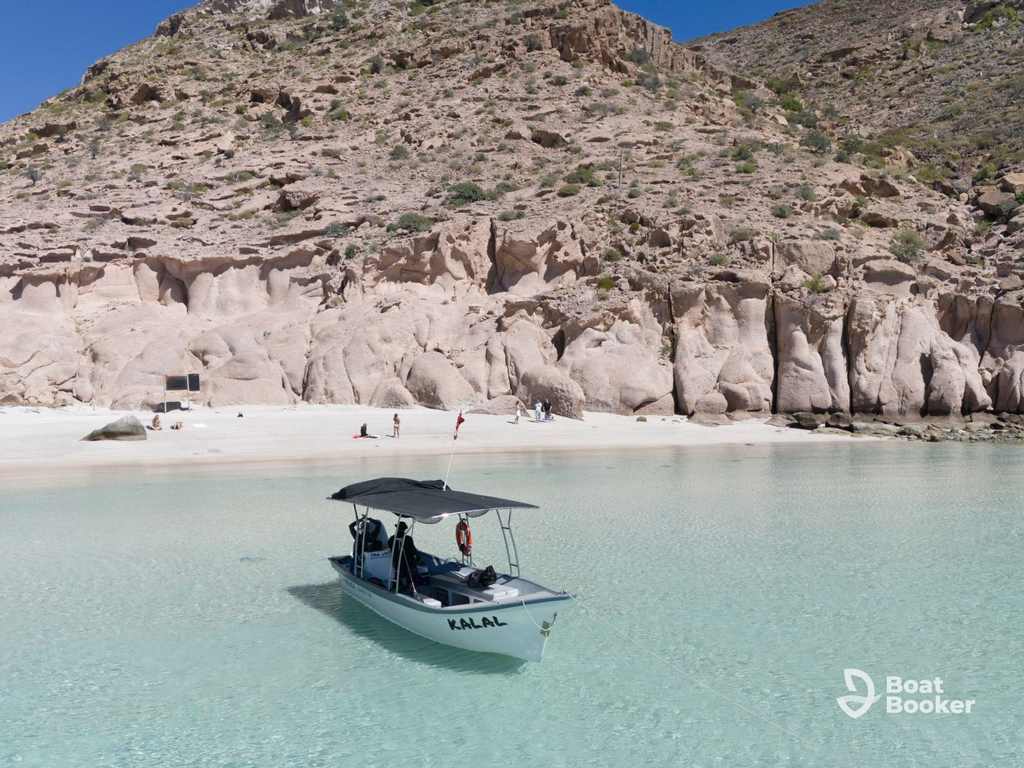
Pangas aren’t flashy. They don’t have cabins, plush seating, or twin engines. What they do have is a proven hull design that sips fuel, launches from sand, and gets anglers onto fish without fuss. If you’re booking a fishing trip in Mexico or Central America, there’s a solid chance you’ll step aboard one. This guide covers where the panga came from, how it’s built, what it’s like to ride one, and whether it’s the right choice for your next trip on the water.
Where the Panga Came From
The panga’s origin story starts around 1970, when Yamaha partnered with the World Bank to design a low-cost fishing boat for developing coastal communities. The goal was straightforward: create something that local fishermen could build, maintain, and fuel cheaply. The result was a narrow, flat-bottomed hull that could be powered by a small outboard and launched directly from the beach – no dock or marina required.
The name has two likely roots. “Panga” refers to a type of fish commonly caught in nets along the coast. The boat’s distinctive upswept bow also resembles a panga machete, a blade widely used across Latin America and Africa. Both connections fit – this is a working tool, not a luxury item.
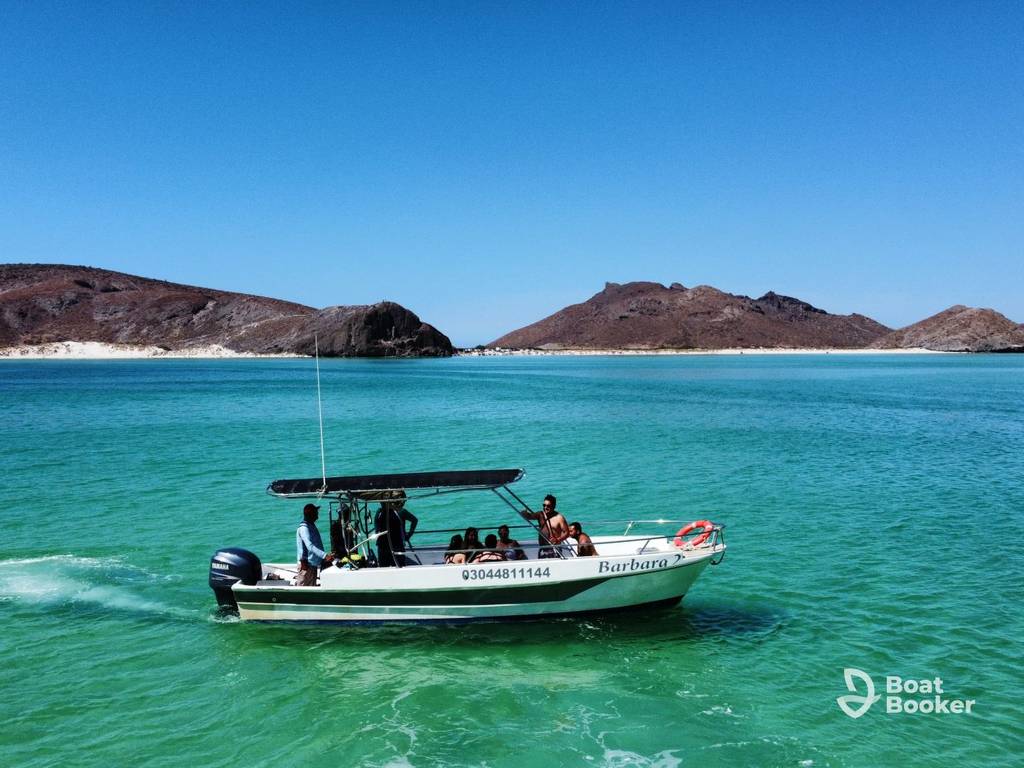
From Central America, the design spread fast. Fishermen in the Caribbean, West Africa, the Middle East, and Southeast Asia adopted it because the economics were hard to argue with. A single small motor, a lightweight hull, and minimal maintenance meant communities that couldn’t afford larger boats suddenly had reliable access to nearshore fishing grounds.
Over the decades, the panga evolved from a bare-bones village workboat into something you’ll now find outfitted with T-tops, fish finders, and cushioned seating on charter fleets across Mexico.
What Makes a Panga Different from Other Boats
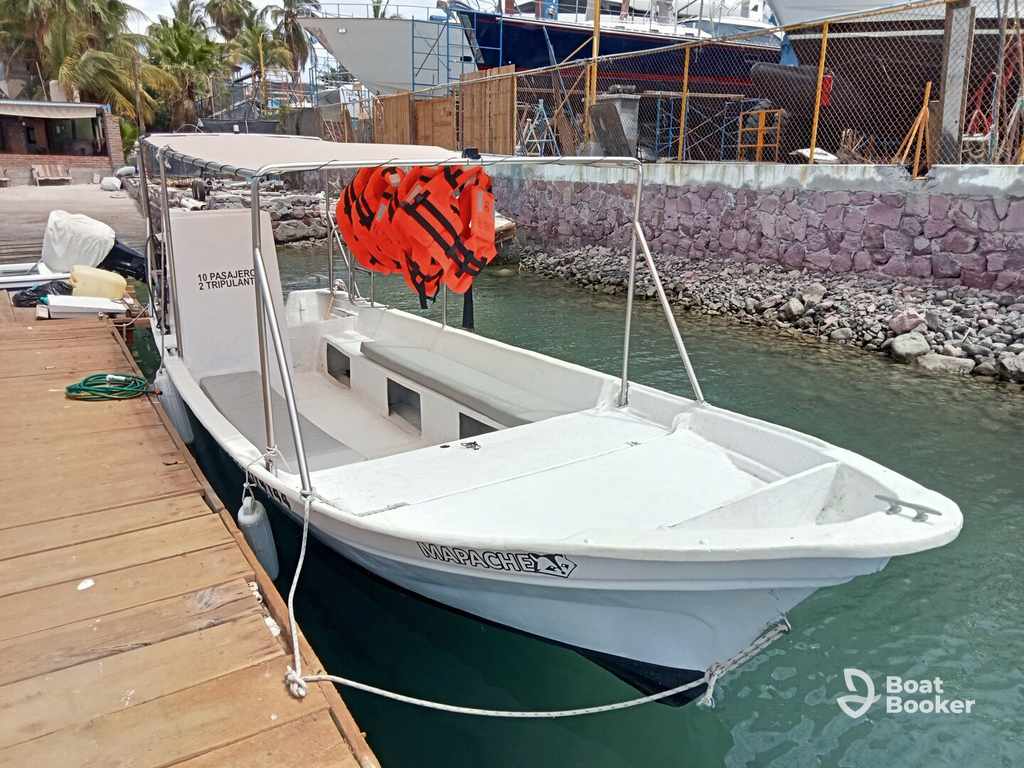
The panga’s identity lives in its hull. It has a sharp bow entry that cuts through small chop, a flat or shallow-V bottom that keeps it stable at rest, and a delta-shaped keel that improves tracking at cruising speed. The beam is narrow – typically under seven feet – and that’s a big part of why pangas are so fuel-efficient. Less hull in the water means less drag.
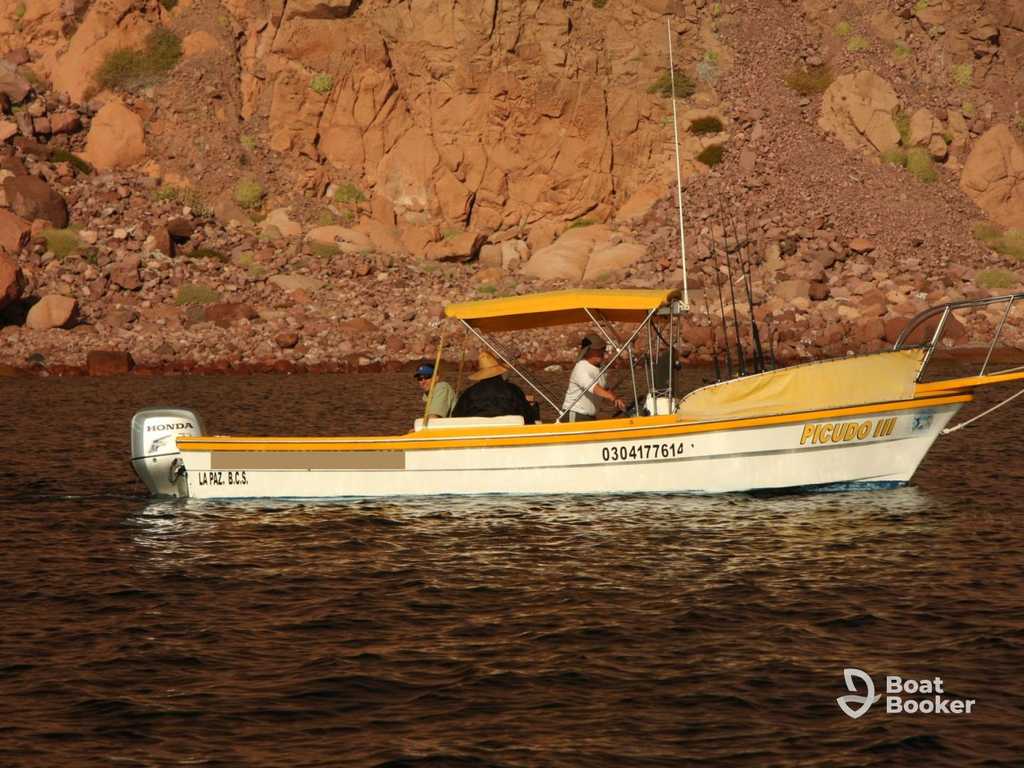
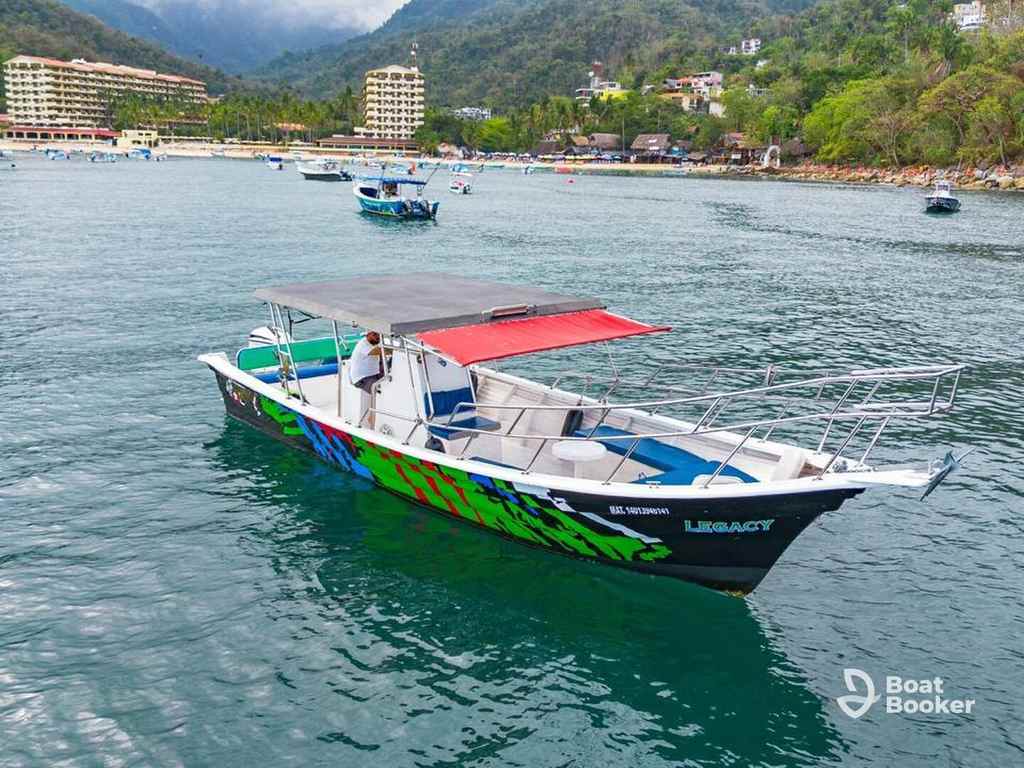
Above the waterline, a panga is about as simple as a boat gets. There’s no cabin. The deck is wide open, so you get maximum working space for pulling lines or stacking nets. Most pangas run a single outboard motor mounted on the transom. Construction is usually fiberglass over a wood frame, though modern builds are increasingly all-fiberglass.
For the rider, this design translates to a few practical things. Pangas sit shallow in the water, so you can nose right up to a beach or navigate skinny flats. They ride smoothly at moderate speeds in calm to light chop, and they’re easy to trailer and launch.
The tradeoff is that the narrow beam and flat bottom can make things bouncy in bigger seas. Still, in the protected bays and nearshore waters where most pangas operate, the hull design is perfectly matched to the conditions.
Typical Panga Sizes and Specs
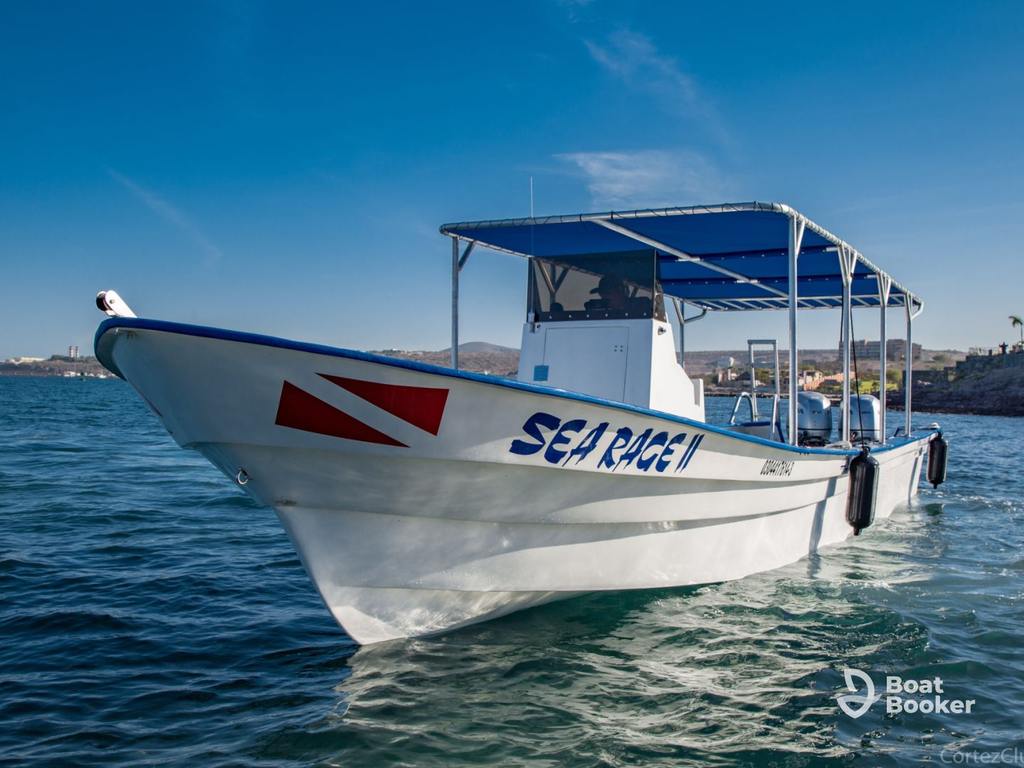
Pangas range from about 18 feet to 28 feet in length. The sweet spot for charter and recreational use is 22 to 26 feet – big enough for a small group of anglers but still light enough for a single outboard to push efficiently.
Here’s what a typical mid-range panga looks like by the numbers:
- Length: 22–26 feet
- Beam: 5.5–7 feet
- Draft: 8–12 inches (very shallow)
- Engine: Single outboard, 50–225 HP (average around 115 HP)
- Weight: 800–2,000 lbs (hull only, without engine)
- Passenger capacity: 2–8, depending on size
That shallow draft is worth highlighting. A panga can operate in as little as 10 inches of water, opening up flats, mangrove channels, and beach landings that deeper-hulled boats can’t reach. With just 40 HP, a panga can hit around 25 mph. Owners with 90 HP motors report cruising at 35 mph while burning very little fuel – sometimes less than two five-gallon cans over a 30-mile run.
What Pangas Are Used For
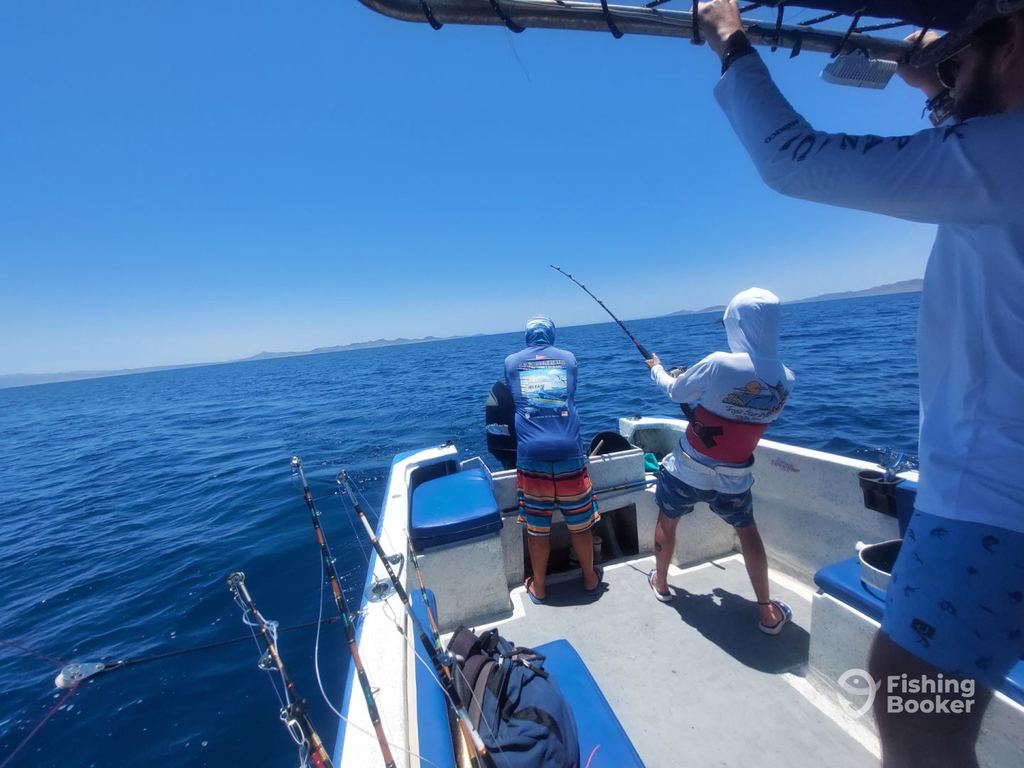
Fishing is the primary use – both commercial and recreational – and it has been since the design was born. In coastal Mexican towns, you’ll see pangas heading out before dawn loaded with nets, lines, and ice. On the charter side, they’re the go-to boat for inshore and nearshore fishing trips targeting species like dorado, roosterfish, yellowtail, and snapper.
Beyond fishing, pangas also fill a surprising number of roles:
- Passenger transport – In island communities and remote coastlines, pangas serve as the local water taxi
- Tourism – Snorkeling trips, island hopping, whale watching, and boat tours across Baja and Central America
- Cargo hauling – Supplies, building materials, and goods move by panga in areas without road access
- Emergency and rescue – Their shallow draft and beach-launching ability make them useful for quick coastal response
This versatility is exactly what the original designers intended. A boat that does one thing well is useful. A boat that does five things well – and cheaply – transforms a community.
Panga vs. Center Console – What’s the Difference?
This comparison comes up often, partly because modern pangas can be fitted with a center console helm station. But the term “center console” typically refers to a wider, deeper-V hulled boat designed for offshore fishing. The panga is defined by its hull shape, not its steering setup.
Here’s how the two stack up:
| Feature | Panga | Center Console |
|---|---|---|
| Hull shape | Narrow beam, flat/shallow-V bottom | Wider beam, deep-V bottom |
| Typical length | 18–28 ft | 17–40+ ft |
| Fuel efficiency | Excellent – 30–40% better than comparable boats | Moderate – more hull drag, often twin engines |
| Rough water handling | Fair – best in calm to moderate conditions | Good to excellent – built for open ocean |
| Comfort/amenities | Minimal – open deck, basic seating | More storage, livewells, head compartment, seating |
| Cost | Much lower (used: ~$20,500–$65,000) | Higher purchase and operating costs |
| Beach launching | Yes – designed for it | Rarely practical |
| Best for | Inshore/nearshore fishing, skinny water, budget charters | Offshore fishing, longer runs, bigger groups |
The fuel efficiency gap is the headline number. In real-world tests, pangas consume roughly 30–40% less fuel than center consoles of similar length. That’s partly because of the narrow hull and partly because of the single-engine setup. If you’re running a charter operation where fuel costs are high and the fishing grounds are close to shore, the math tilts heavily toward the panga.
However, if you’re planning an offshore run in open ocean swells, a center console’s wider beam and deeper V will give you a much more comfortable – and safer – ride. The panga isn’t trying to be an offshore machine. It’s optimized for the conditions where most coastal fishing actually happens.
Pros and Cons of a Panga Boat
Pros:
- Exceptional fuel efficiency – The narrow hull and light weight mean you burn less fuel per mile than almost any comparable boat
- Low cost – Purchase price, maintenance, and operating costs are all well below center consoles and sportfishers
- Shallow draft – Navigate skinny water, beach-launch, and access spots that other boats can’t reach
- Simplicity – Single engine, open deck, minimal systems – less to break, easier to fix
- Maximum deck space – No cabin means every square foot is usable working area
- Proven design – Fifty-plus years of refinement across dozens of countries
Cons:
- Wet ride in chop – The flat bottom and low freeboard mean you’ll take spray in anything beyond light chop
- Limited stability in beam seas – The narrow beam can feel tippy when waves hit from the side
- Minimal comfort – No cabin, limited shade (unless a T-top is added), basic seating
- Not built for speed – Pangas cruise comfortably at 20–35 mph, not 50+
- Limited storage – No enclosed compartments on most traditional builds
- Offshore limitations – Best kept within a few miles of shore in moderate conditions
None of these cons are design flaws – they’re tradeoffs. The same narrow beam that limits stability is what gives the panga its fuel efficiency. The lack of a cabin is what creates all that deck space. Whether the tradeoffs work for you depends on where and how you plan to use the boat.
What to Expect on a Panga Charter
If you’re booking a fishing charter in La Paz or Cabo San Lucas, a panga trip is one of the most popular – and most affordable – options. Here’s what a typical outing looks like.
Getting Started
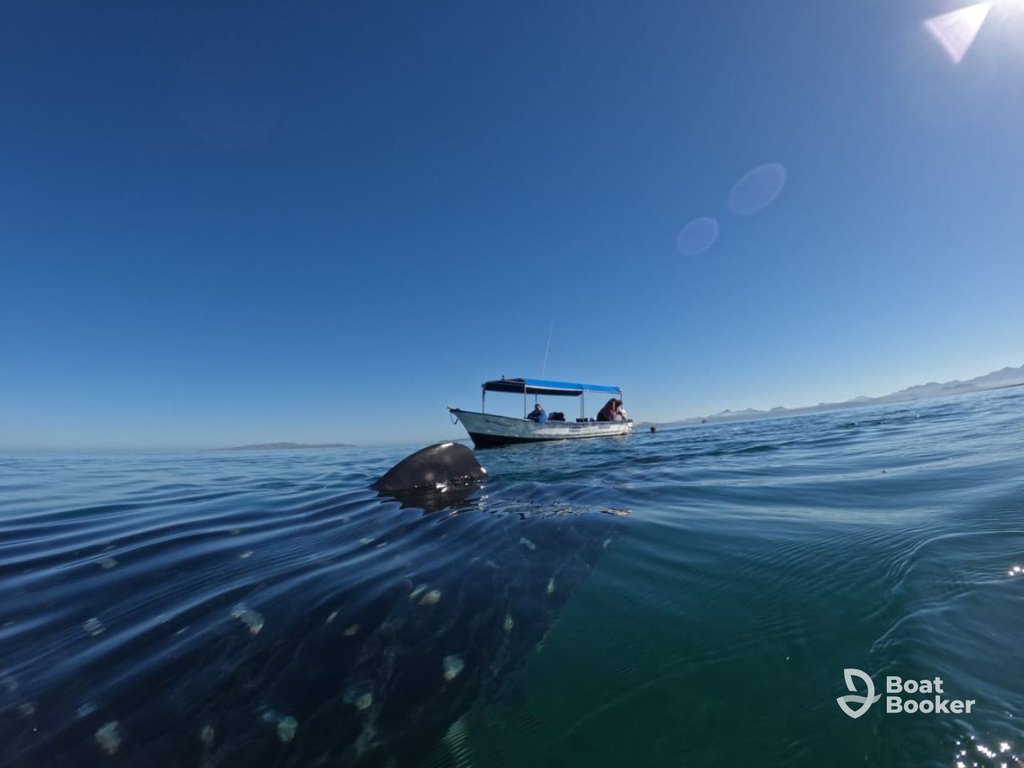
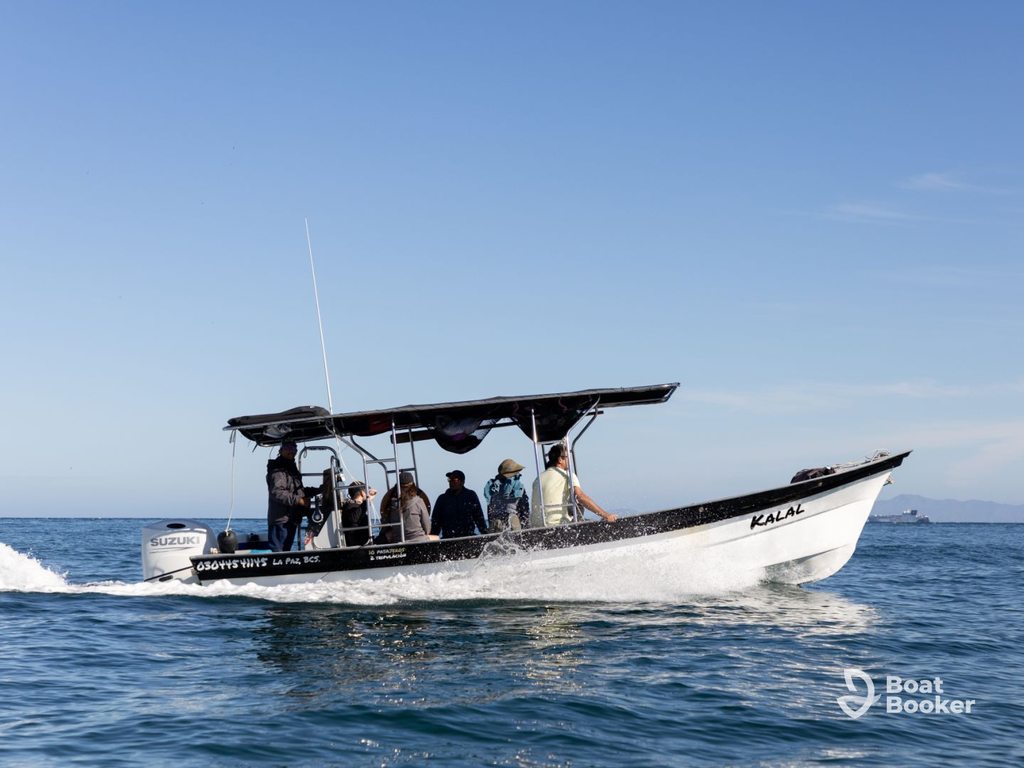
Your captain will meet you at the dock or beach early in the morning. The boat will be a 22- to 26-foot panga with a single outboard, a T-top or bimini for shade, a cooler with ice, and basic fishing gear. Most panga charters run four to six hours. They target inshore or nearshore species – think roosterfish, dorado, sierra, snapper, and yellowtail. Some operators also offer snorkeling and island-hopping trips, especially around the islands of Espíritu Santo near La Paz.
On the Water
Group size is usually two to four people. You can fit more, but the narrow beam means things get tight past four. Expect a hands-on experience – this isn’t a 60-foot sportfisher with a fighting chair and a crew. You’ll be standing, casting, and pulling fish alongside your captain.
What to Bring
Pack sunscreen, a hat, polarized sunglasses, water, and a light jacket for the morning run out. There’s no cabin to duck into if the sun gets intense or spray kicks up. Wear shoes that can get wet. If you’re prone to seasickness, keep in mind that pangas sit low to the water and you’ll feel every ripple – so take precautions before you board. For more tips, check out our boating safety tips guide.
Why Anglers Love It
The biggest draw of a panga charter is the experience itself. You’re fishing the same way local fishermen have fished for generations, on the same style of boat, in the same waters. It feels authentic in a way that bigger sportfishing operations – as fun as they are – can’t quite match. The price is usually lower, too. That makes it a great option for families or groups who want to get on the water without a premium-level budget.
Is a Panga Boat Right for You?
If you’re considering buying a boat, the panga makes sense when fuel efficiency, simplicity, and shallow-water access matter more to you than speed, comfort, and offshore capability. It’s an excellent first boat for budget-conscious anglers who fish protected bays, flats, and nearshore reefs. Used pangas start around $20,500, and that puts them well within reach for buyers who’d struggle to afford a comparable center console.
If you’re booking a charter, the question is simpler. A panga is the right call when you want a small-group fishing trip in calm to moderate water, you’re comfortable with a no-frills setup, and you’d rather spend your budget on time on the water than on boat amenities. In places like Baja California, Costa Rica, and across the Caribbean, the panga isn’t the budget option – it’s the local option. The captains who run them know these waters better than anyone.
For rough-water offshore trips, large groups, or anyone who needs a cabin and a head, look at center consoles, skiffs, or sportfishing boats instead. The panga doesn’t pretend to be something it’s not – and that honesty is part of what makes the design so enduring.
Frequently Asked Questions about Panga Boats
Have you fished from a panga in Mexico or Central America? We’d love to hear how the experience compared to other boats you’ve been on – whether it was your favorite way to fish or whether you’d rather have a bigger hull under you. Drop your thoughts in the comments, and if any of the specs or details above need updating, let me know so we can keep this guide accurate.