
South Carolina Boating License: Who Needs One, What It Costs, and How to Get It
South Carolina has over 30,000 miles of rivers and streams, plus a coastline that stretches from the Grand Strand down to the Lowcountry. Whether you’re planning a fishing trip out of Charleston or a dolphin cruise near Hilton Head, you might be wondering: do you need a boating license in SC? The answer depends on when you were born.

Here’s the key thing to know upfront. South Carolina doesn’t issue a traditional “boating license.” What the state requires is a Boating Safety Certificate – sometimes called a Boater Education Card – administered by the South Carolina Department of Natural Resources (SCDNR).
The law took effect on August 18, 2023, when Governor Henry McMaster signed S. 96 into law. It made South Carolina the 47th state to require some form of boater education. This guide covers who needs the certificate, what it costs, and how to get one fast.
Do You Need a Boating License in South Carolina?
If you were born after July 1, 2007, you must hold a valid South Carolina Boating Safety Certificate to operate any of the following on state waters:
- A motorized vessel with 10 horsepower or more
- A personal watercraft (jet ski, WaveRunner, Sea-Doo)
- A specialty propcraft
That birth-date cutoff is the dividing line. If you were born on or before July 1, 2007, you’re not required to hold a Boater Education Card. Even so, taking a boating safety course is still a smart idea.
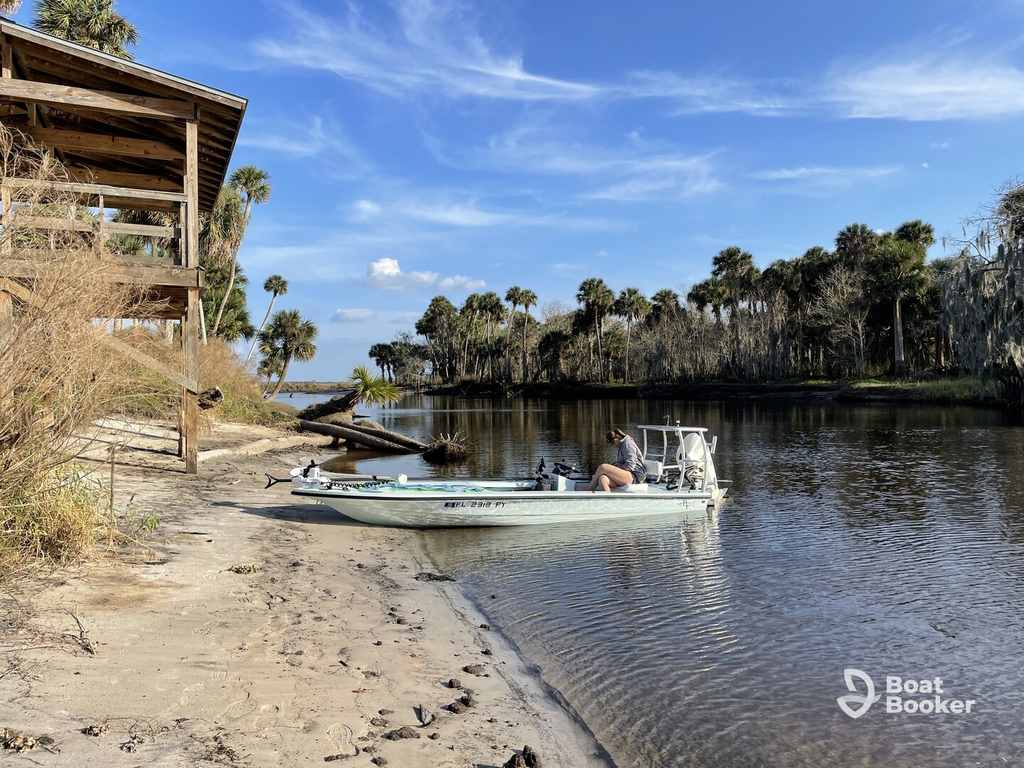
Non-motorized craft don’t fall under this law. You won’t need a certificate to paddle a kayak, canoe, or stand-up paddleboard. The same goes for sailboats powered only by wind. Because the requirement is tied to engine horsepower, simply being on the water doesn’t trigger it.
Who’s Exempt?
Even if you were born after the cutoff date, you may still be exempt. Here’s who gets a pass:
- Anyone born on or before July 1, 2007 – no certificate needed
- U.S. Coast Guard license or merchant mariner credential holders – federal credentials satisfy the requirement
- Licensed commercial vessel operators – the law applies to recreational boating only
- Out-of-state certificate holders – South Carolina recognizes valid boating safety certificates from other states, as long as the course was NASBLA-approved and the certificate is in your name
- Boat renters who complete an SCDNR-approved rental safety course – this earns you a 30-day boat rental safety certificate (more on that below)
What About Visitors and Rental Customers?
This is where it gets practical for anyone planning a trip. If you’re visiting South Carolina from another state and you already hold a NASBLA-approved boater education card from home, you’re covered. Bring your card with you – it works on SC waters.
Don’t have one? Rental operators in South Carolina can offer an SCDNR-approved rental safety course. Once you complete it, you’ll receive a boat rental safety certificate valid for 30 days. That’s usually enough to cover a vacation. You can also bring your home-registered boat into SC waters for up to 60 days before you’d need to register it locally.
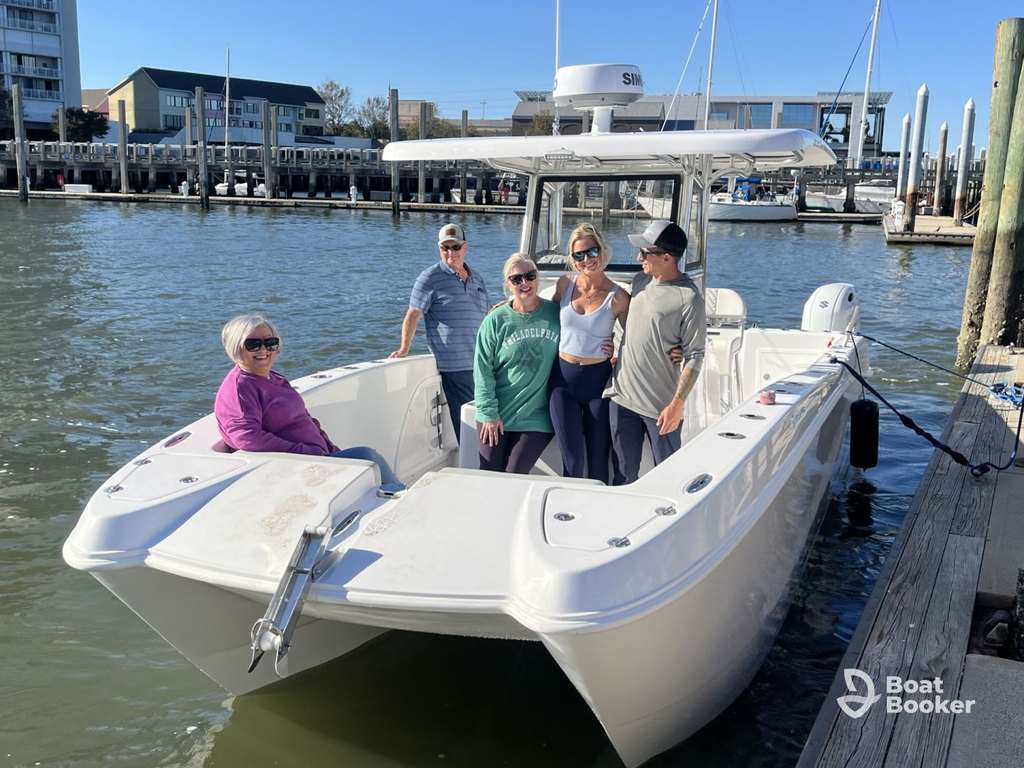
There’s an even simpler option, though: if you book a captained charter, you don’t need any certificate. The captain holds all the required credentials, so you just show up and enjoy the ride. That’s one of the biggest perks of booking a captained experience – zero paperwork, zero studying, zero stress. Whether it’s a boat tour in Charleston or a dolphin watch near Hilton Head, the captain handles everything.
How Much Does a South Carolina Boating License Cost?
The cost depends on how you take the course. SCDNR offers free instructor-led classroom courses throughout the state. These are six-hour, one-day sessions taught by certified instructors. You get hands-on learning and can ask questions in real time. Check the SCDNR website for upcoming class dates and locations.
If you’d rather study at your own pace, several NASBLA-approved online providers offer the course instead. Prices typically range from $30 to $80. Boat-Ed, one of the more well-known providers, charges $39.95 for their South Carolina course.
Beyond the education card itself, keep in mind that boat registration is separate. If you own a boat in South Carolina, you’ll pay $20 for a new registration and title, then $10 per year to renew. You can find the full fee schedule on the SCDNR website.
How to Get Your South Carolina Boating Safety Certificate

The process is straightforward. Here’s how it works, step by step:
- Choose your course format. You have two main options. The free SCDNR classroom course is the best value – six hours of instruction with a certified teacher. If you need flexibility, pick a NASBLA-approved online course you can complete on your own schedule. Yes, you can get your boating license online.
- Complete the course and pass the exam. The final test has 60 multiple-choice questions. You need a score of 80% or higher to pass – that’s at least 48 correct answers out of 60. Most people who pay attention during the course pass on the first try.
- Receive your Boater Education Card. Once you pass, you’ll get your South Carolina Boating Safety Certificate. The card is valid for life. There’s no renewal, no retake, no expiration date. Pass it once and you’re done.
How long does the whole process take? The classroom course runs about six hours. Online courses vary, but most people finish in 3–6 hours depending on the provider. You could go from zero to certified in a single day.
Minimum Age
The minimum age to take the boating safety course in South Carolina is 10 years old. However, holding the certificate doesn’t mean a young teen can operate anything on the water unsupervised. For personal watercraft specifically, operators must be at least 16 to ride without adult supervision.
One more rule worth knowing for families: children under 12 must wear a U.S. Coast Guard–approved PFD on any boat under 16 feet in length. That applies regardless of whether the child is swimming, sitting, or just along for the ride.
Penalties for Non-Compliance
South Carolina takes boater education seriously, and the fines reflect that. If you’re required to hold a Boating Safety Certificate and you’re caught operating without one – or without carrying your card – you could face a fine of up to $300. That fine applies even if you’ve completed the course. Because the card is your proof, treat it like a driver’s license and keep it on you every time you’re on the water.
Boating under the influence carries steeper consequences. The legal limit is 0.08% BAC – the same as driving a car. A first BUI offense means a $200 fine and a six-month suspension of your boating privileges. Those numbers go up for repeat offenses.
These penalties exist for good reason. In 2022, South Carolina recorded 170 boating accidents and 22 fatalities – up from 142 accidents and 15 fatalities in 2018. The boater education law was a direct response to those trends.
Skip the Paperwork – Book a Captained Charter Instead
If you’re visiting South Carolina and just want to get out on the water without worrying about certificates, exams, or carrying a card, a captained charter is the easiest path. The captain is fully licensed and credentialed, so you’re a guest, not an operator. No certificate required.
BoatBooker has captained experiences across South Carolina’s best boating destinations. You can explore fishing charters and eco-tours in Beaufort, sunset cruises near Folly Beach, or party cruises out of North Myrtle Beach. Whether you’re a complete beginner or a seasoned boater who’d rather relax than drive, captained charters let you enjoy South Carolina’s waters with zero hassle.
Frequently Asked Questions about South Carolina Boating License
Have you gone through the South Carolina boating safety course, or did you skip the hassle and book a captained charter instead? If you’ve got tips on the best course providers or any corrections to the details above, drop them in the comments – it helps everyone planning their next trip on SC waters.