
Best Boating Lakes in Michigan: 10 Lakes Worth the Drive
Michigan earns its “Great Lakes State” nickname honestly. You’re never more than six miles from a lake, river, or stream here – and with over 11,000 inland lakes, four of the five Great Lakes, and more than 1,000 public boat launches, the best boating lakes in Michigan offer variety that few other states can match. Whether you’re trailering a bass boat north for a long weekend or renting a pontoon for a lazy afternoon, there’s a Michigan lake that fits.
This guide covers 10 non-Great lakes worth planning a trip around – from the turquoise sandbars of Torch Lake to the bass fishing on Lake St. Clair. We looked for lakes that deliver on the water, not just from the shore. Each pick had to offer a genuine range of boating activities – cruising, fishing, watersports, or sailing – along with reliable public launch access or marina availability. We also wanted geographic variety: northern Michigan’s crystal-clear showpieces, a couple of overlooked southern options, and Great Lakes access points that let you explore Michigan’s coastline. Water quality, shoreside amenities, and how welcoming each lake is to visiting boaters all factored in.
Now let’s get into it.
Torch Lake
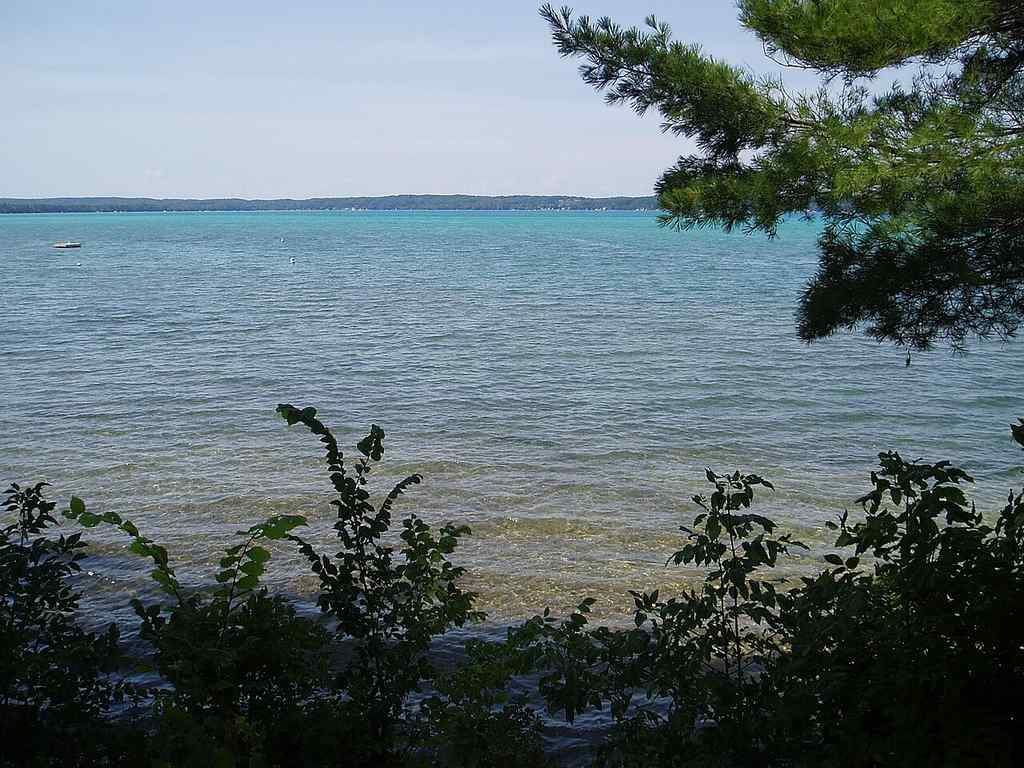
Torch Lake is the one that stops people mid-scroll. Its Caribbean-blue water has become one of Michigan’s most photographed scenes, and the color isn’t a filter – it comes from the lake’s sandy bottom and exceptional clarity. At 18 miles long, it’s Michigan’s longest inland lake, with depths reaching nearly 300 feet. The water shifts between shades of turquoise and sapphire depending on the light and time of day.
The Sandbar Scene
The sandbar scene is what draws most boaters here. On summer weekends, dozens of pontoons and runabouts anchor up along the shallow sandbars near the lake’s north end, creating a floating social gathering that’s become a Michigan tradition. Beyond the sandbars, the lake is long and wide enough for tubing, wakeboarding, and leisurely cruising. If you’re looking for a quieter experience, early mornings and weekdays are your best bet.
On Shore
The village of Bellaire sits at the south end of the lake and makes a good base. Short’s Brewing Company is the local landmark – grab a seat on the patio after a day on the water. Several restaurants along the lake also offer dock access, so you can pull up by boat for lunch without having to trailer out.
Lake Charlevoix
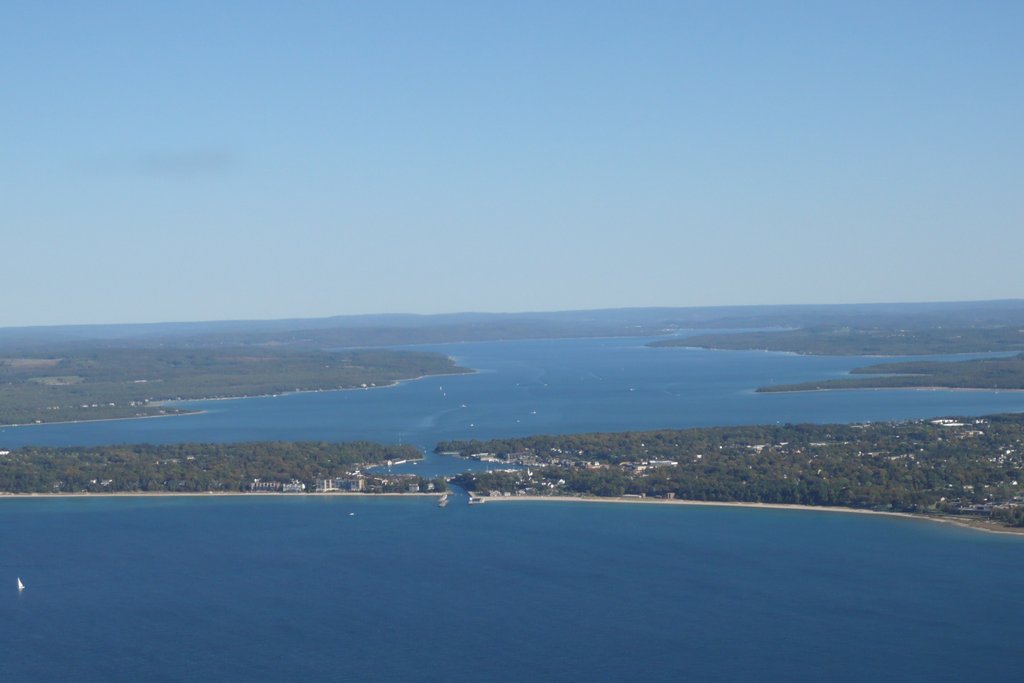
Lake Charlevoix regularly appears on national “best lakes” lists, and it lives up to the attention. This 17,200-acre lake sits in the northwest corner of the Lower Peninsula and connects to Lake Michigan through a navigable channel in the town of Charlevoix. That channel access is a big deal – it means you can launch on the inland lake and cruise out to the big water in the same afternoon.
Sailing is popular here thanks to consistent afternoon winds, and the lake’s size supports everything from waterskiing to serious fishing. Smallmouth bass, northern pike, and walleye all thrive in Charlevoix’s waters. The lake is deep enough – over 120 feet in spots – to hold lake trout as well.
Three Towns, One Shoreline
Three distinct towns sit along the shoreline. Charlevoix itself has a walkable downtown, a lighthouse pier, and the famous mushroom houses designed by Earl Young. Boyne City anchors the lake’s east arm with restaurants and shops along the waterfront. Between them, the tiny Ironton Ferry – one of the last operating cable ferries in Michigan – carries cars and passengers across the lake’s narrow south arm. If your visit lines up with late July, the Charlevoix Venetian Festival fills the waterfront with boat parades, fireworks, and live music.
Grand Traverse Bay
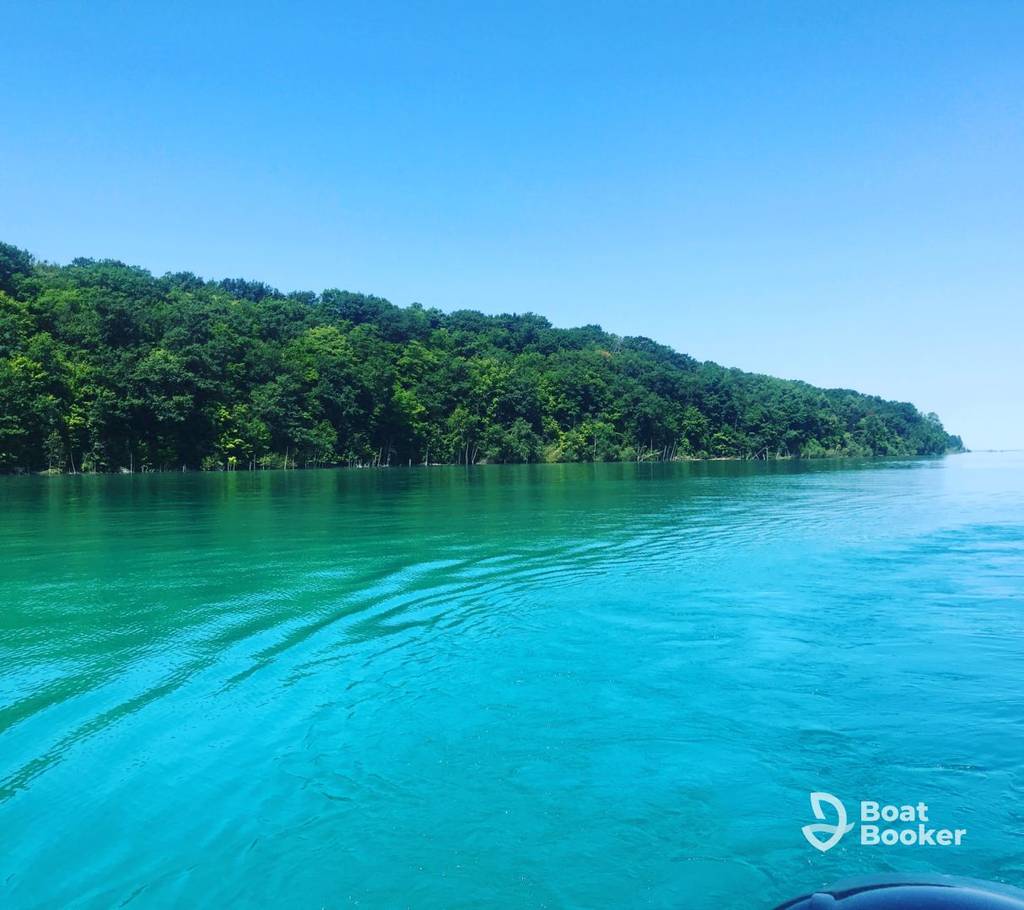
Grand Traverse Bay is where Lake Michigan gets personal. The bay splits into two arms – East and West – separated by the Old Mission Peninsula, creating miles of protected water that’s calmer and warmer than the open lake. Traverse City sits at the base of both arms and serves as the region’s hub for dining, lodging, and boat access.
The protected waters make this one of the best spots in Michigan for families and less experienced boaters. Pontoon rentals and guided boat tours on Lake Michigan run all summer, and sailing is a staple here – the bay hosts regattas throughout the season. From the water, you can see the towering dunes of Sleeping Bear Dunes National Lakeshore to the west. Power Island, a city-owned nature preserve, makes a popular anchor-and-swim destination in the West Bay.
Traverse City and Beyond
On land, Traverse City punches well above its weight. The waterfront is lined with restaurants, and the surrounding hills are home to over 40 wineries and tasting rooms. The National Cherry Festival in early July is the region’s biggest draw, but any week between June and September delivers. The combination of excellent scenery, reliable boat access, and a real town with real food makes Grand Traverse Bay one of the most complete boating destinations in the state.
Lake St. Clair
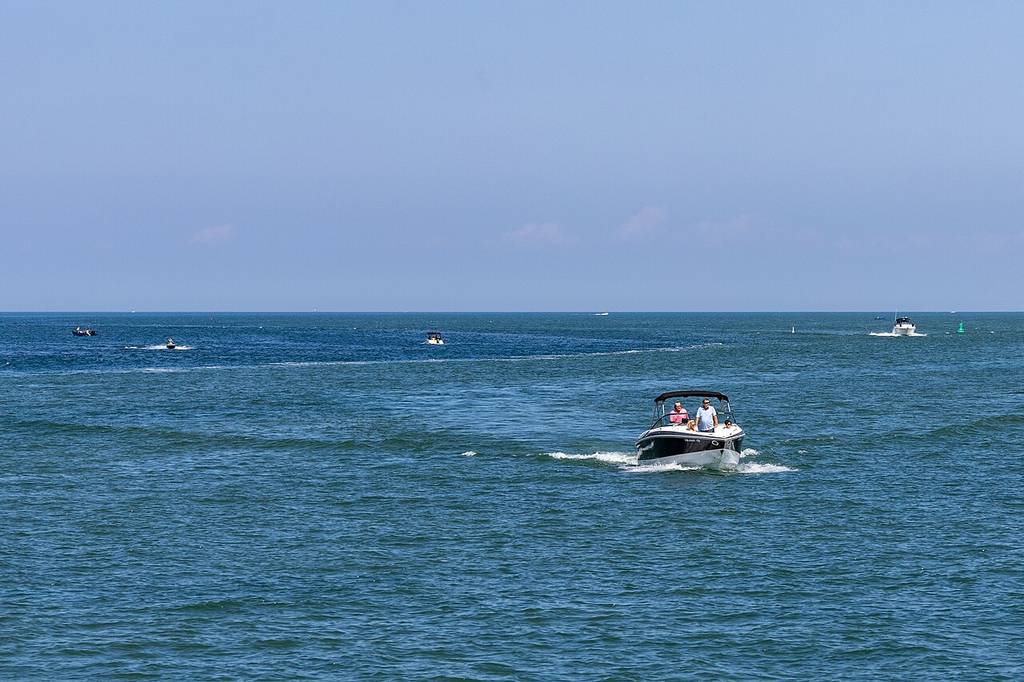
Lake St. Clair sits between Lake Huron and Lake Erie, just northeast of Detroit. Locals call it the sixth Great Lake, and while it’s much shallower than the actual five – averaging about 11 feet deep – it covers over 430 square miles. That combination of vast open water and easy metro Detroit access makes it one of the busiest boating lakes in the Midwest.
Fishing and Beyond
The fishing is the headliner. In 2025, FishingBooker named Lake St. Clair one of the 10 best bass fishing lakes in the US, and the smallmouth population hasn’t slowed down. Musky, walleye, and perch round out the catch list. Beyond fishing, the lake is big enough for sailing, and the network of channels and canals along the Michigan shore creates a unique cruising experience. The St. Clair Flats – a vast delta of marshes and channels at the lake’s north end – offer sheltered paddling and outstanding birdwatching.
Shoreside Access
Communities like St. Clair Shores, Harrison Township, and Grosse Pointe line the western bank with marinas, waterfront restaurants, and public parks. The Lake St. Clair Metropark offers a mile-long beach, a marina, and a nature center. For boaters coming from the Detroit area, this is the closest big-water experience you’ll find – and it genuinely delivers.
Mullett Lake and the Inland Waterway
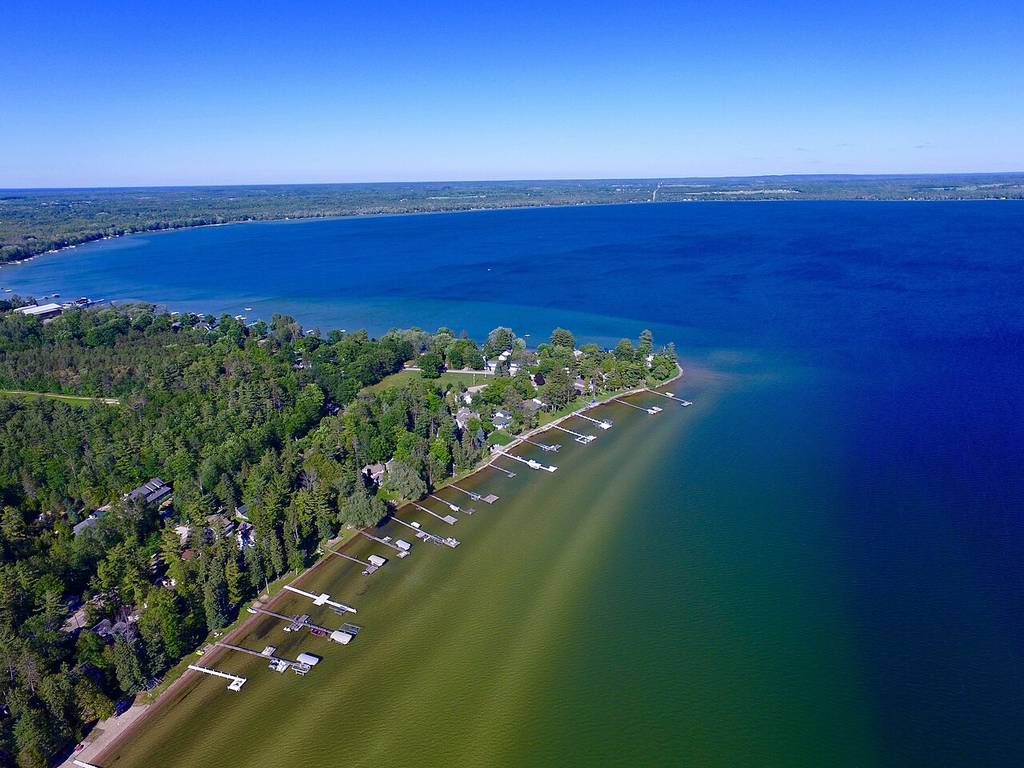
Mullett Lake is a destination on its own – clear water, good fishing, and over 16,000 acres of room to move. What makes it truly unique, though, is its position on Michigan’s Inland Waterway, a 38-mile navigable route connecting Lake Huron to Lake Michigan through a chain of rivers, lakes, and two hand-operated locks. The full route passes through Burt Lake, Crooked Lake, and Pickerel Lake, ending at the town of Conway near Petoskey.
Fishing and Watersports
Fishing on Mullett Lake draws anglers year-round. The lake holds lake trout, brown trout, smallmouth bass, and walleye – species you won’t find together on most Michigan inland lakes. For watersports, the lake’s size and relatively low boat traffic (compared to Torch or Charlevoix) give you plenty of open water for skiing and tubing. Multi-day cruises along the full Inland Waterway are one of Michigan’s most distinctive boating experiences. The locks at Cheboygan and Alanson are free to use, and the route is well-marked.
Stops Along the Way
Marinas and restaurants are scattered along the waterway, so it’s easy to stop for fuel, food, or an overnight tie-up. The town of Cheboygan at the eastern end has full-service marinas and a historic downtown. Indian River, roughly midway, is a common stopping point with launch access and lodging. If you’ve done the usual Michigan lake vacation and want something different, the Inland Waterway is the trip to plan.
Higgins Lake
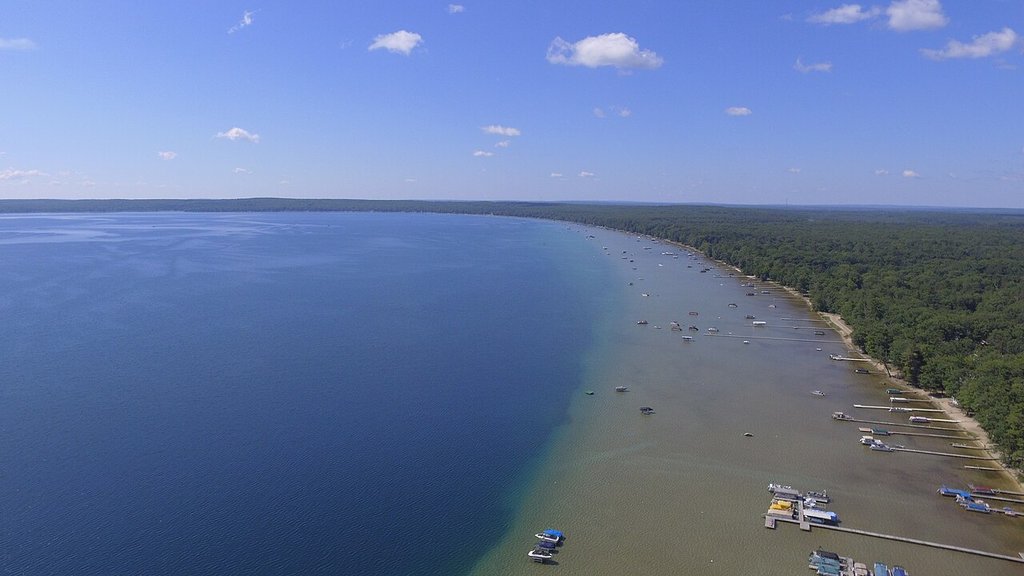
Higgins Lake is the kind of lake people build family traditions around. Glacier-carved and spring-fed, it has some of the clearest water of any inland lake in the state. On a calm morning, you can see the sandy bottom 20 feet down. The lake covers about 10,000 acres in Roscommon County, roughly in the center of the Lower Peninsula.
Boating here is relaxed but varied. The lake is big enough for pontoon cruising, tubing, and waterskiing, yet it rarely feels overcrowded the way some northern lakes can in July. Fishing is solid – northern pike, smallmouth bass, and both rainbow and lake trout are all present. The spring-fed water keeps temperatures cool even in midsummer, which makes Higgins a favorite for swimmers who prefer refreshing over tepid.
State Parks and Camping
North Higgins Lake State Park and South Higgins Lake State Park bookend the lake and offer public launches, campgrounds, and sandy beaches. South Higgins has one of the best swimming beaches in Michigan’s state park system. If you’re combining camping and boating in the same trip, Higgins Lake is hard to beat – the state parks keep things well-maintained, and the drive from metro Detroit or Grand Rapids is under three hours.
Houghton Lake
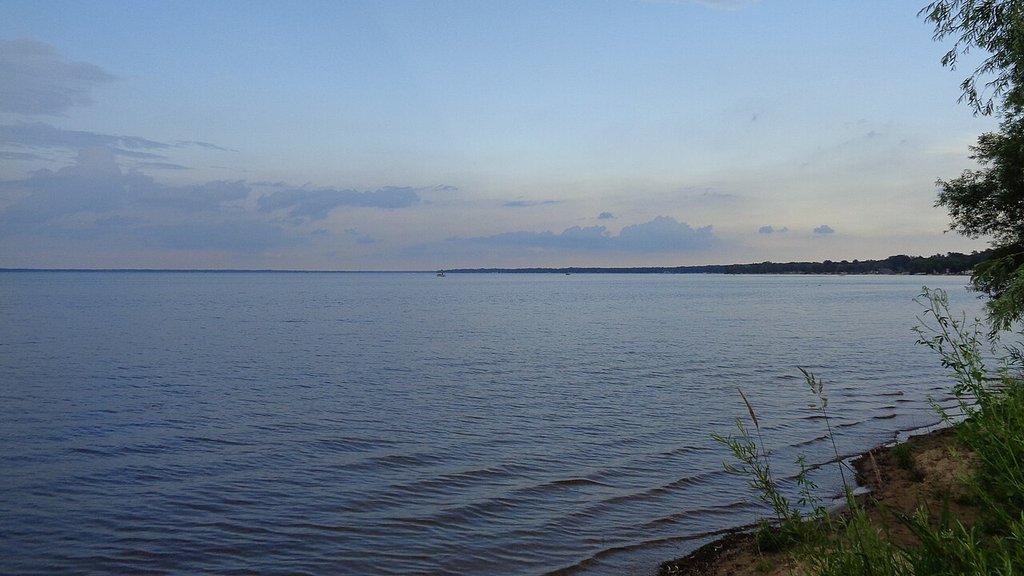
At over 20,000 acres, Houghton Lake is Michigan’s largest inland lake by surface area – and it’s surprisingly shallow. Most of the lake averages only about 8 feet deep, with a sandy bottom that warms up fast in summer. That shallow profile makes it one of the most family-friendly boating lakes in the state.
The warm, calm water is ideal for pontoon cruising, waterskiing, and tubing. Houghton Lake is also one of Michigan’s top walleye fisheries, drawing anglers from across the Midwest. Bass and perch fill out the catch list. Because of its size, you rarely feel boxed in even on busy weekends – there’s always room to find open water or a quiet cove.
An Affordable Year-Round Destination
The lake has a long history as an affordable vacation destination. Lakefront cottages, resorts, and campgrounds ring the shoreline, and prices tend to be lower than Traverse City or Charlevoix. Houghton Lake is also known for Tip-Up Town USA, a massive ice-fishing festival held every January that draws tens of thousands. It’s a year-round community, not just a summer spot – which gives it a character that seasonal-only lakes lack.
Glen Lake
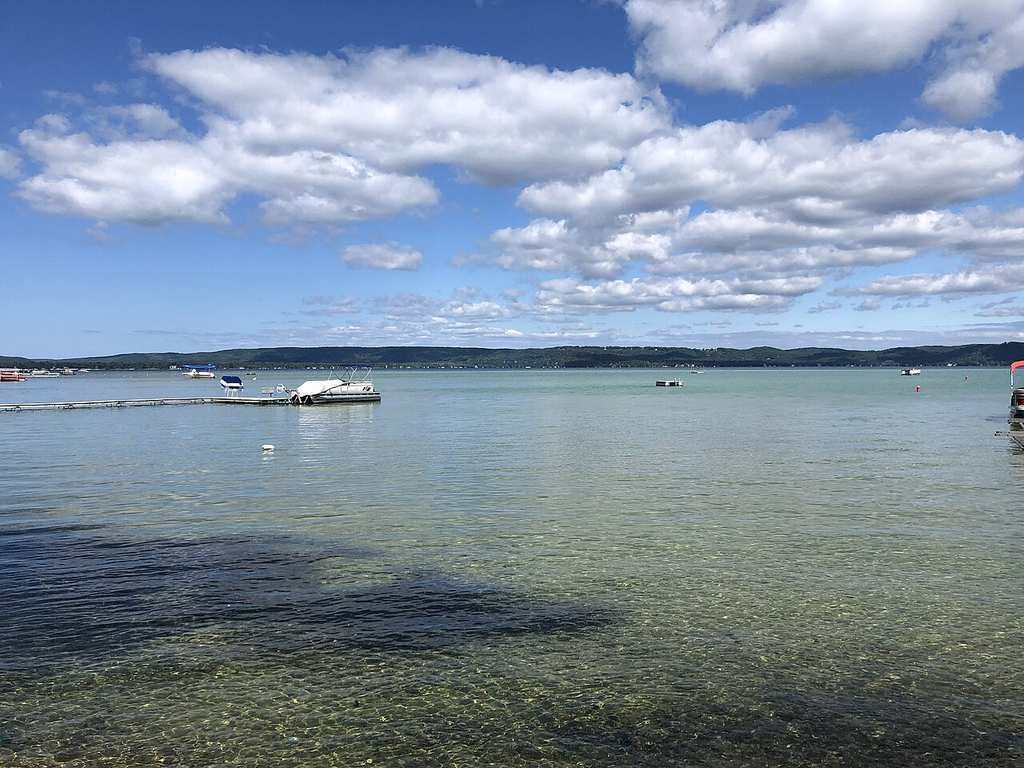
Glen Lake sits inside the boundary of Sleeping Bear Dunes National Lakeshore, and it looks the part. The water runs from deep sapphire to pale turquoise depending on the depth, and the backdrop of forested bluffs and towering sand dunes makes this one of the most scenic places to boat in Michigan. The lake has two sections – Big Glen and Little Glen – connected by a narrow channel called “The Narrows.”
Boating here is governed by size and horsepower restrictions that keep things calm. That’s a feature, not a bug – without the roar of wakeboard boats, Glen Lake stays quiet enough for paddling, sailing, and slow-cruising. Kayaking across Little Glen toward the dunes is one of the best morning paddles in the state. Fishing is modest but pleasant, with bass, pike, and panfish all present.
The Sleeping Bear Backdrop
The real draw is the surroundings. Sleeping Bear Dunes is regularly voted one of America’s most beautiful places, and seeing it from the water – the 400-foot bluffs rising straight from the shore – is a different experience than the view from the overlook. The small town of Empire is minutes away and has a handful of restaurants and a beach. Glen Lake won’t give you a big-lake adrenaline rush, but for pure beauty and quiet time on the water, it’s hard to top.
Gull Lake
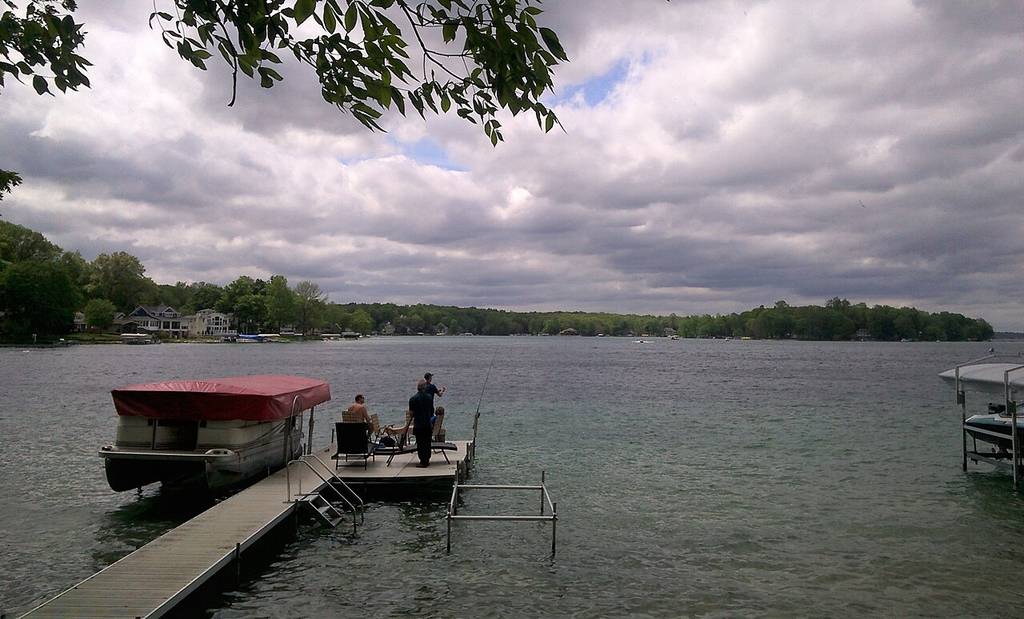
Gull Lake is southwest Michigan’s best-kept boating secret – although locals might argue it’s not much of a secret anymore. The lake covers about 2,000 acres in Kalamazoo County, with depths reaching over 100 feet. That depth means clear, cool water and a surprisingly diverse fishery.
More than a dozen sport fish species live in Gull Lake, including largemouth and smallmouth bass, northern pike, bluegill, and walleye. The lake also supports waterskiing, tubing, and sailing. A boating access site on the west shore has a paved ramp and parking. Scuba divers visit Gull Lake too – the clarity and depth make it one of the better inland dive spots in the state.
Close to Home
Gull Lake’s biggest advantage might be its location. It’s less than 20 minutes from Kalamazoo, making it easily accessible for day trips from southern Michigan’s population centers. You don’t need to drive four or five hours north to find good water. The surrounding community is residential and quiet, with a few lakeside restaurants and a well-maintained public beach. For boaters in the southern half of the state, Gull Lake proves you don’t have to chase the Up North mystique to have a great day on the water.
Crystal Lake
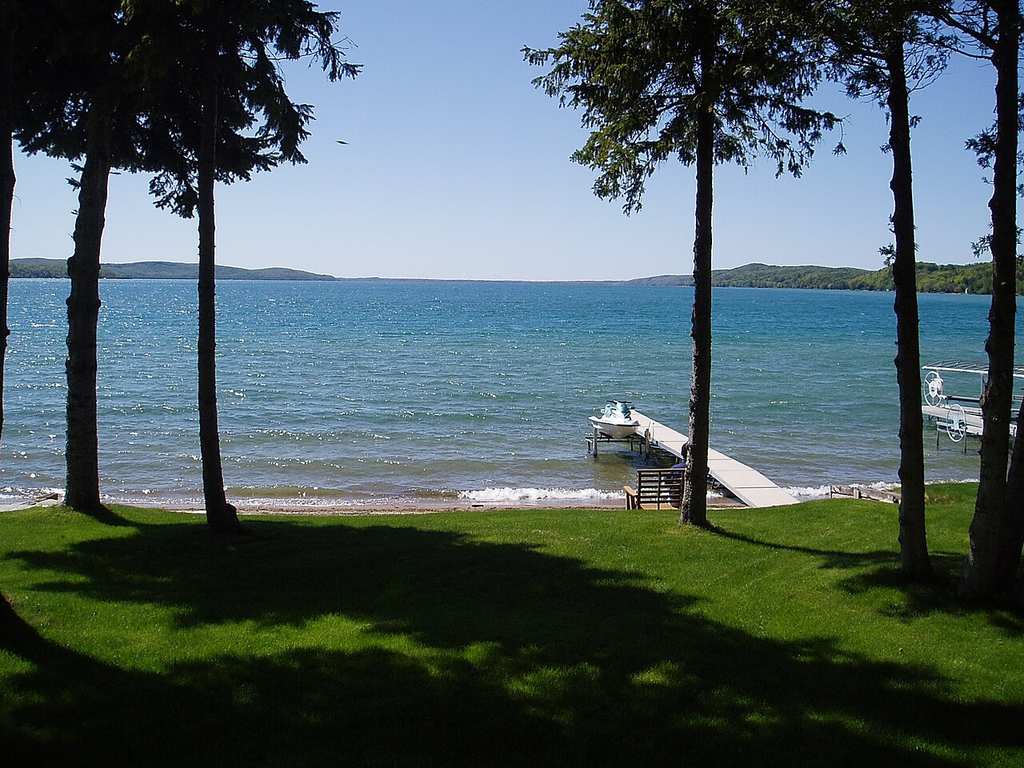
Crystal Lake earns its name. Sitting near the town of Frankfort in Benzie County, this 2,600-acre lake has some of the clearest water in Michigan – visibility regularly exceeds 20 feet. The lake is deep (over 160 feet at its center), spring-fed, and surrounded by wooded hills that keep the scenery green from every angle.
Sailing and kayaking are the standout activities here. Afternoon thermals create reliable wind, and the lake’s modest size means you’re never far from shore. Morning paddles, before the wind picks up, are exceptionally peaceful – the water goes glassy and you can see straight to the bottom. Motorized boating is welcome, though the lake’s character tends to attract people looking for a slower pace than what Torch Lake or Charlevoix offer.
Beulah, Frankfort, and Point Betsie
The village of Beulah sits at Crystal Lake’s east end with a public beach, a handful of restaurants, and a relaxed downtown. Frankfort, at the lake’s west end, is a charming harbor town where the Betsie River meets Lake Michigan. Point Betsie Lighthouse – one of the most photographed lighthouses on the Michigan coast – is a short drive from the lake. Crystal Lake works beautifully as a quiet home base for exploring Benzie County’s beaches, trails, and small-town charm.
Plan Your Michigan Lake Trip
- Best time to visit: Boating season runs mid-May through October. July and August deliver the warmest water (inland lakes reach the mid-70s), but June and September offer lighter crowds and comfortable temperatures. Water on Lake Michigan and the other Great Lakes stays cooler – typically peaking around 70 °F in August.
- Michigan Recreation Passport: You’ll need a Recreation Passport ($15 for Michigan-registered vehicles, $42 for out-of-state) to access state-managed boat launches, state parks, and harbor facilities. You can add it when you register your vehicle or buy one at any state park entrance.
- Boater safety certificate: Anyone born after July 1, 1996 must carry a Michigan Boater Safety Certificate to operate a motorized vessel. The course is available free online through the DNR and takes a few hours to complete. Don’t skip this – it’s enforced, and a ticket starts at $100.
- Invasive species rules: Michigan law requires you to drain all water, remove all plants and mud, and dry your boat and equipment before moving between lakes. This applies every time you trailer from one body of water to another. It’s not optional – conservation officers check, and the fines are real.
Michigan makes it easy to get on the water. The hard part is picking which lake to visit first.
Which Michigan lake is at the top of your boating list this summer? If you’ve spent time on any of the lakes above, we’d love to hear how your experience went – favorite launch ramps, restaurants worth pulling up to by boat, or lakes we should have included. Drop your picks and tips in the comments, and let us know if anything here needs updating.