
10 Most Stunning Lakes in Europe with the Longest Boating Seasons
All over the continent, stunning freshwater landscapes draw in tourists from around the world. And the best way to experience them is, naturally, from the water! Whether you’re after alpine reflections or misty Nordic channels, a boating lake offers a perspective that no trail or cafe can match. And, thankfully, many lakes let you stay on the water far beyond the typical summer window.
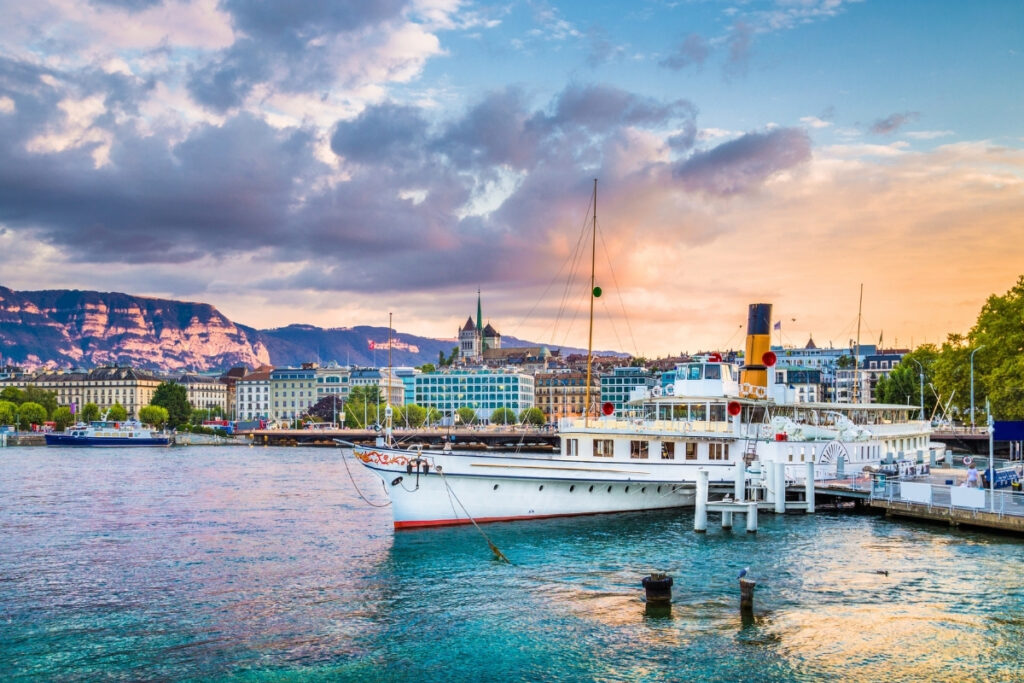
We’ve compiled a list of the top 10 boating lakes where the views are extraordinary and the seasons are long. What sets these destinations apart is the pairing of natural beauty with a generous boating calendar. Some benefit from mild Mediterranean climates. Others reward visitors with endless daylight during the warmer months. Together, they suit everyone – from seasoned sailors to first-time passengers looking for a relaxed afternoon cruise. Let’s see which places made the cut!
1. Lake Como – Italy
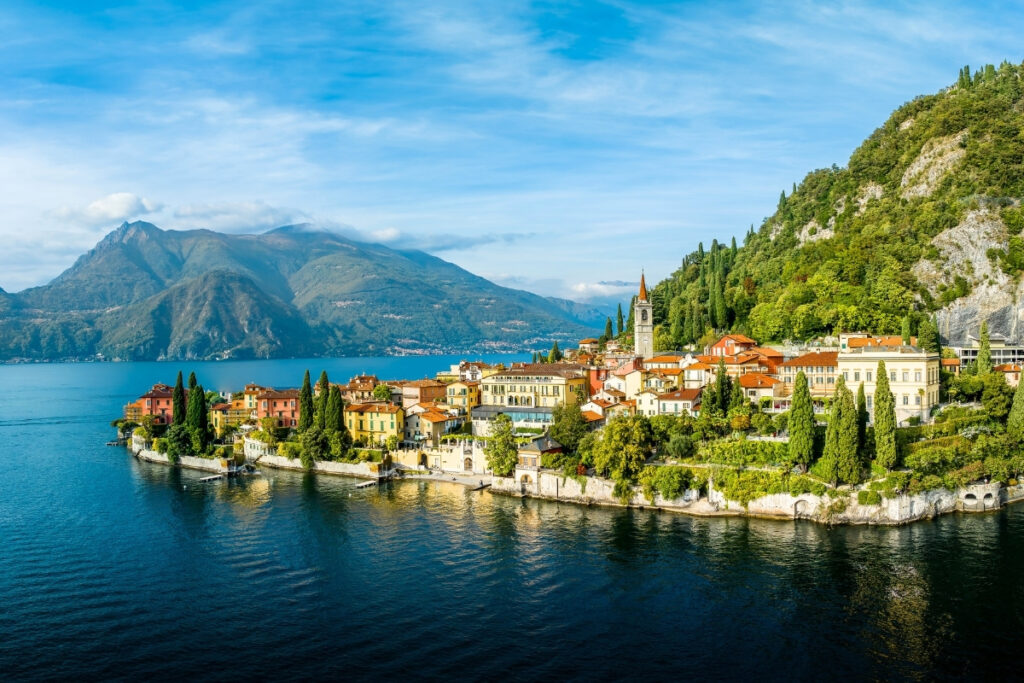
Framed by steep hillsides and the southern Alps, Lake Como has drawn admirers for centuries. Its deep blue waters and elegant towns like Bellagio, Varenna, and Menaggio make it one of Europe’s most glamorous boating lake destinations. On top of that, a mild microclimate keeps temperatures comfortable well into autumn. As a result, the water stays inviting long after summer crowds thin out.
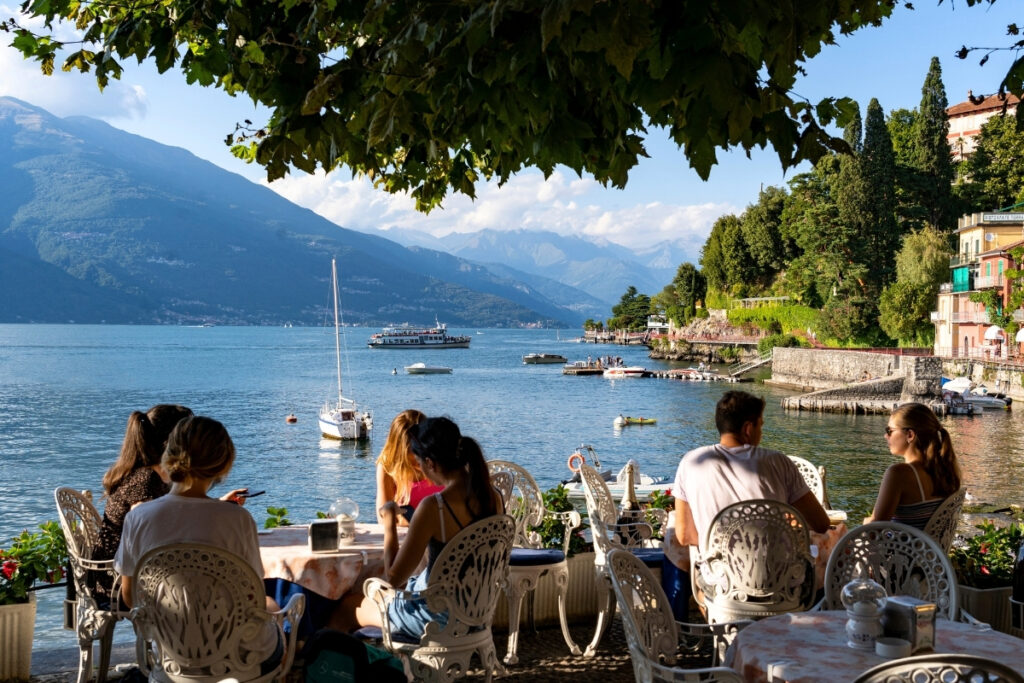
A guided boat tour on Como is pure cinema. You’ll drift past pastel-colored facades and manicured gardens tumbling to the waterline. Most tours run from late March through November, so you get a generous window to enjoy golden-hour light on the surface. Whether you pick a vintage wooden boat or a sleek cruiser, the experience feels effortlessly romantic.
Beyond the water, Como’s surroundings deliver plenty to explore, too. The Greenway del Lago walking path connects charming villages along the western shore. Meanwhile, the funicular in Brunate rewards riders with panoramic views stretching to Milan on clear days. Add in Villa Carlotta’s botanical gardens, and you have a destination that pairs perfectly with time on the lake.
2. Lake Annecy – France
Moving around the Alps to France, and Lake Annecy certainly lives up to its nickname “the jewel of the French Alps.” The water is so clear, you can see straight to the bottom in many spots! Fed by mountain springs and surrounded by forested peaks, the lake sits beside a medieval old town full of flower-lined canals. Thanks to its sheltered position between ridges, a gentle climate keeps boating viable from April well into October.
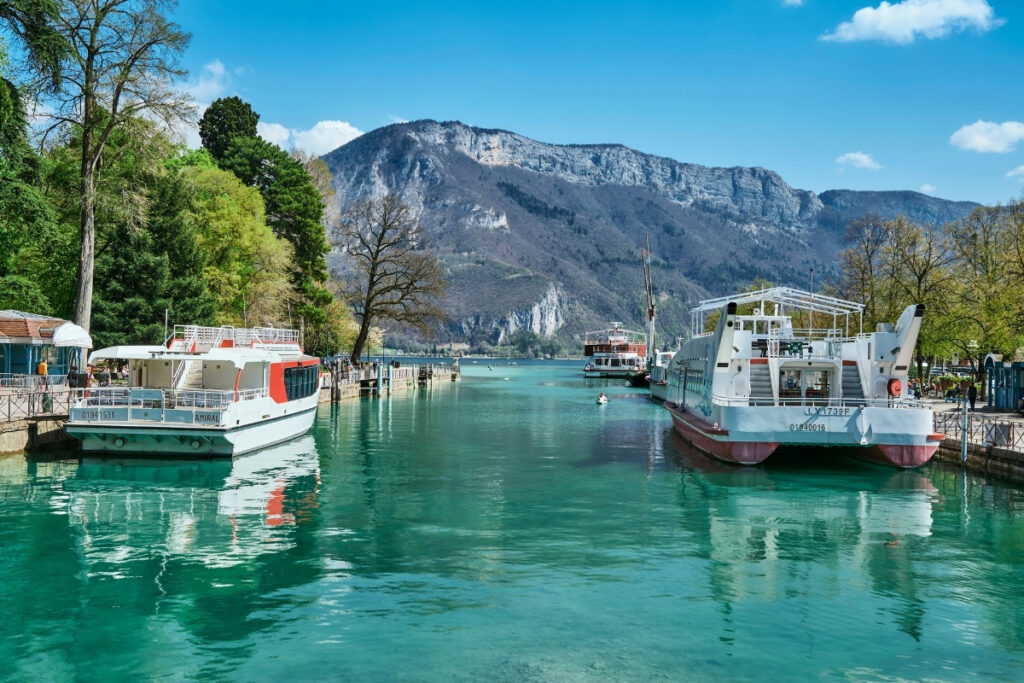
Hop aboard a guided cruise here and prepare to be charmed. The turquoise shallows near Talloires give way to deeper emerald tones as you round the wooded headlands. Pedal boats, electric boats, and wooden vessels are available if you want to set your own pace. But joining a captain will get you to some hidden swimming coves most visitors never find on foot.
After your time on the water, Annecy’s old town beckons. The iconic Palais de l’Île – a twelfth-century castle – sits in the middle of the Thiou canal. Cyclists will also love the flat, scenic path that circles the entire lake. For something more adventurous, join the paragliders from Col de la Forclaz for views that rival any drone footage.
3. Lake Geneva – Switzerland
Stretching between France and Switzerland, Lake Geneva is one of Western Europe’s largest lakes. It’s also arguably the most refined. The northern Swiss shore hosts elegant cities like Lausanne, Montreux, and Geneva itself. In addition, the terraced Lavaux vineyards – a UNESCO World Heritage Site – cascade down to meet the water. Because of the lake’s enormous volume, boating season also runs from March through late October.
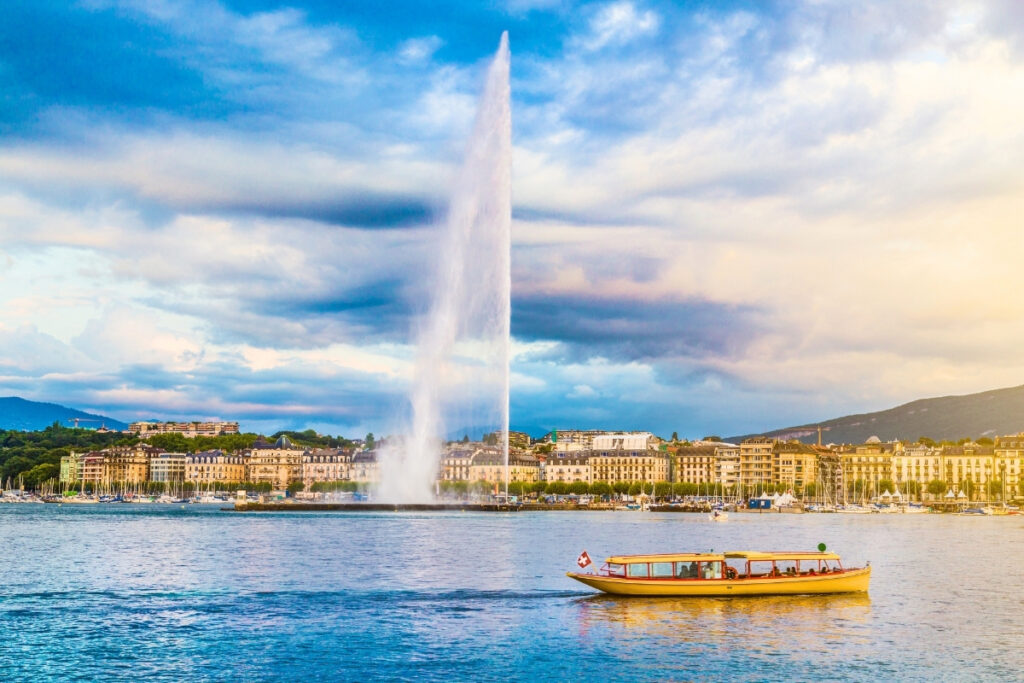
Cruising across Lake Geneva’s surface feels like gliding through a postcard, as paddle steamers over a century old still run regular routes! Meanwhile, private guided tours weave between the famous Jet d’Eau fountain, the Chillon Castle headland, and the quieter French shore. If you’ve ever wanted to sip wine on a boat while gazing at snow-capped peaks, this is the place.
Back on dry land, the region overflows with culture. You can visit the Olympic Museum in Lausanne, while music fans simply must pay tribute to Freddie Mercury at his statue on the Montreux waterfront. Nearby Vevey is home to the Chaplin’s World museum, too. Best of all, you can combine a morning cruise with an afternoon walk through the Lavaux vineyard terraces. It’s easy to see why residents here feel so fortunate!
4. Lake Windermere – UK
England’s largest natural lake stretches over 10 miles through the heart of the Lake District. This is a landscape that inspired Romantic poets, and it continues to captivate visitors today. Lush greenery dominates all sides of the lake, while charming slate-roofed towns dot the shorelines. Although the British weather has a certain reputation, Windermere’s boating season comfortably spans from Easter to late October.
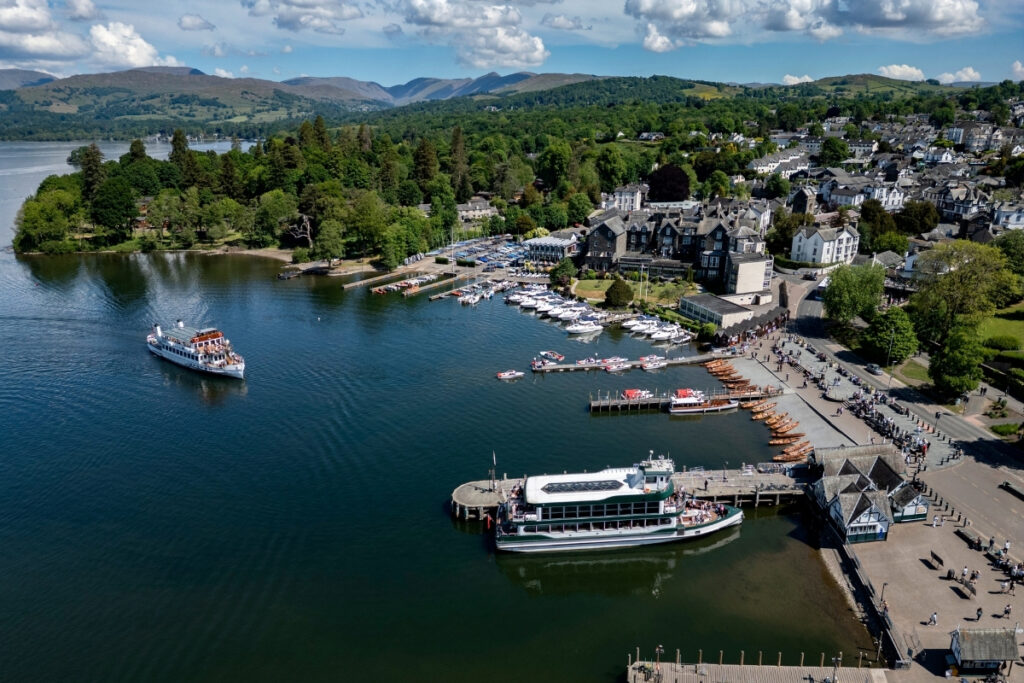
Taking a guided boat tour here is the best way to soak in the scenery. Commentary-led cruises depart regularly from Bowness-on-Windermere, weaving past wooded islands and historic boathouses. If you prefer something more hands-on, rent a rowing boat or hop on a solar-powered vessel instead. Either way, the reflections of rolling hills on the glassy surface will stay with you.
Off the water, the area serves up some of England’s finest walking trails. Orrest Head provides an accessible viewpoint with sweeping vistas after just a short climb. Literary fans can also visit Beatrix Potter’s beloved farmhouse at Hill Top. Meanwhile, the town of Ambleside offers cozy pubs and independent shops – perfect for a rainy afternoon detour.
5. Lake Constance – Germany
Where Germany, Austria, and Switzerland converge, Lake Constance spreads across the landscape like an inland sea. Known locally as Bodensee, it’s bordered by orchards, vineyards, and medieval towns, making it a must-visit for all kinds of tourists. And because of its size, the lake moderates the regional climate. As a result, boating enthusiasts can enjoy the water from mid-March through November.
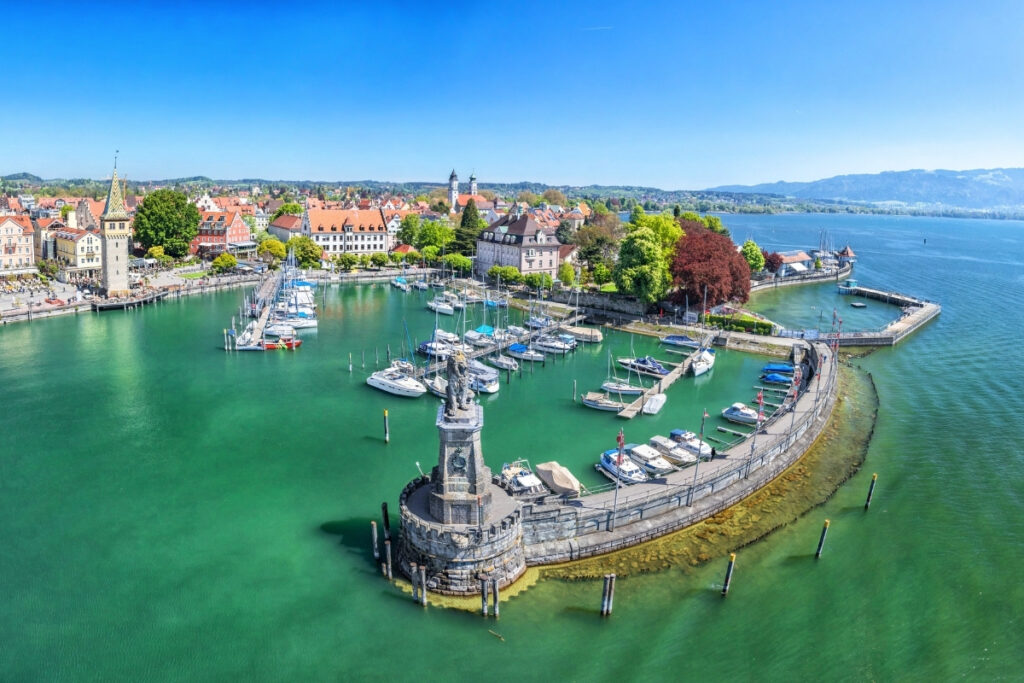
In a single tour, you can pass through three countries without stepping off the boat! The skyline shifts from German church spires to Austrian mountain silhouettes, to Swiss meadows. Scheduled ferries and private charters operate throughout the long season, and sunset trips across the western basin rank among Europe’s most underrated on-the-water experiences.
There’s no shortage of things to do once you disembark, either. The flower-covered island of Mainau is a botanical wonderland, while the prehistoric stilt-house settlements at Unteruhldingen offer a fascinating glimpse into Bronze Age life. Additionally, the university town of Konstanz straddles the Swiss border and rewards an afternoon of wandering. You can’t go wrong!
6. Lake Skadar – Montenegro
We’re shifting gears with this next spot, as we head to Southeastern Europe. Tucked between dramatic limestone mountains, Lake Skadar sits along the Montenegro–Albania border and is the largest lake in Southern Europe. It’s also one of the continent’s most important bird habitats, with pelicans, herons, and cormorants nesting among the floating carpets of water lilies. But that’s not all. Centuries-old monasteries perch on rocky islets scattered across the surface, taking you back in time whenever you visit. And thanks to its Mediterranean warmth, the boating window stretches from March deep into November.
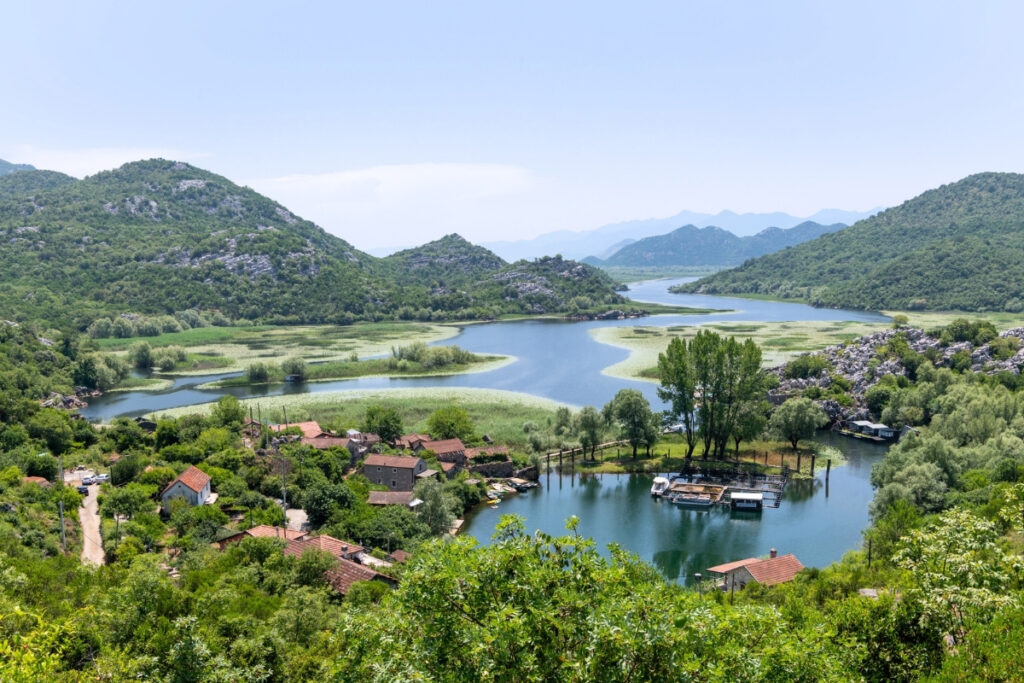
Guided boat tours here feel genuinely adventurous. Your captain might steer through narrow channels overgrown with lily pads. You might pause beside a crumbling island monastery before anchoring in a sheltered bay for a swim. Fishermen in traditional flat-bottomed boats still work the lake daily, and some may even take you along with them for a glimpse of a way of life unchanged for generations.
Away from the water, the hilltop village of Virpazar serves as the gateway to the lake. It’s also the place to try rustic restaurants specializing in smoked Carp and local wine. Across the mountains towards the coast, the fortified town of Stari Bar holds ruins over a thousand years old. Meanwhile, the coast itself – including the famous Bay of Kotor – is less than an hour’s drive away, so why not double down on water activities?!
7. Lake Wörthersee – Austria
Back to central Europe, and we’re focusing on swimming with this next spot. Austria’s warmest swimming lake lies in Carinthia, cradled between gentle, forested hills. Wörthersee has been a fashionable summer retreat since the nineteenth century, and its shores remain lined with grand villas, timber bathing houses, and lively promenades. In summer, water temperatures rise and, as a result, boats keep moving from April through October without interruption.
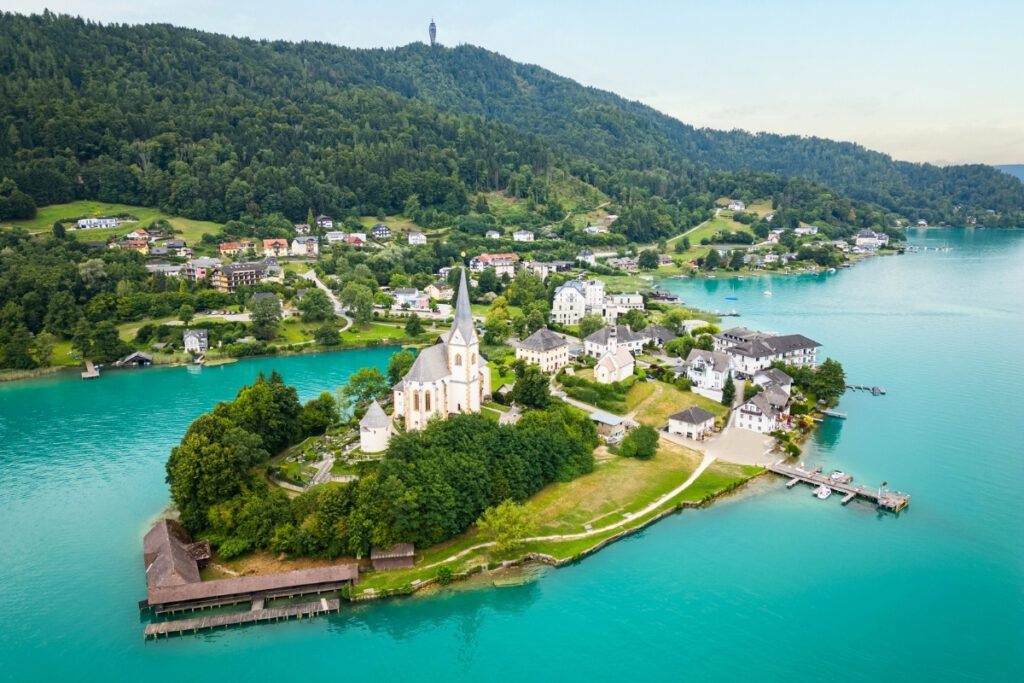
Climbing aboard a guided cruise on Wörthersee is a treat for the senses, as the lake’s famous turquoise color shifts with the light. While you pass the elegant Jugendstil architecture and tree-fringed beaches, you’ll probably forget you’re in landlocked Austria. Several operators offer themed tours with live music, food tastings, and even yoga on deck. In other words, lake boating here doesn’t mean sitting still!
After you’re done on the water, the promenade in Velden buzzes with boutiques and waterfront cafes. The hilltop Pyramidenkogel tower also delivers a 360-degree panorama, and it even houses the world’s tallest timber observation tower slide. Music lovers flock to the area each summer for the Carinthischer Sommer festival, while Klagenfurt’s charming Renaissance old town is just a short drive north. This is Central Europe at its finest.
8. Friese Meren – Netherlands
The Frisian Lakes – or Friese Meren, in Dutch – form a sprawling network of waterways in the northern Netherlands. Unlike a single basin, this system of lakes, canals, and rivers links dozens of small villages across Friesland. Flat terrain and a mild maritime climate mean you can navigate comfortably from late March through early November.
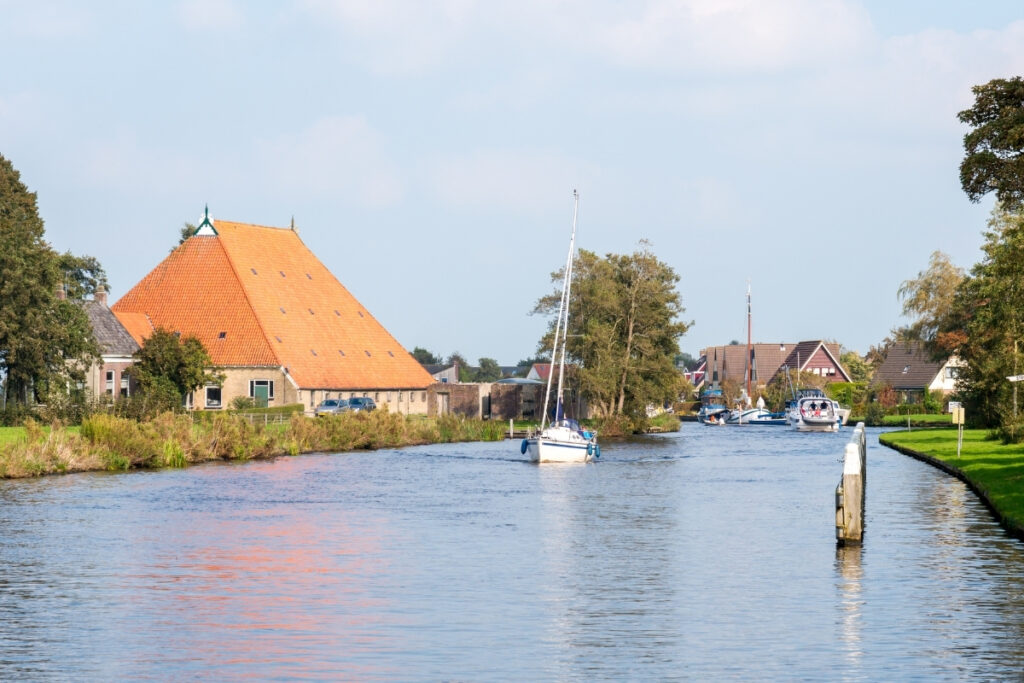
What makes cruising the Friese Meren so enjoyable is the freedom. You can chart your own multi-day route, stopping at a different village each evening. Alternatively, book a guided day tour covering the highlights in a few relaxed hours. Sailing is hugely popular here, too, with traditional flat-bottomed boats called skutsjes still racing every summer.
Each village you dock at has its own character. Sneek is famous for its ornate watergate and sailing heritage. Grou hosts vibrant watersport festivals. Further north, the tiny island of Schiermonnikoog offers pristine beaches just a short ferry ride away. Wherever you go, you’re in for a treat! Just don’t forget to keep an eye out for the iconic black-and-white Friesian cows grazing on the polders along the shore.
9. Lake Vänern – Sweden
We couldn’t draw up this list without including the largest lake in the European Union. Lake Vänern in western Sweden boasts open waters and a forested archipelago of over 22,000 islands, creating a setting that feels more like a coastline. On top of that, those long summer days – with up to 18 hours of daylight in June – stretch the boating season from May well into October.
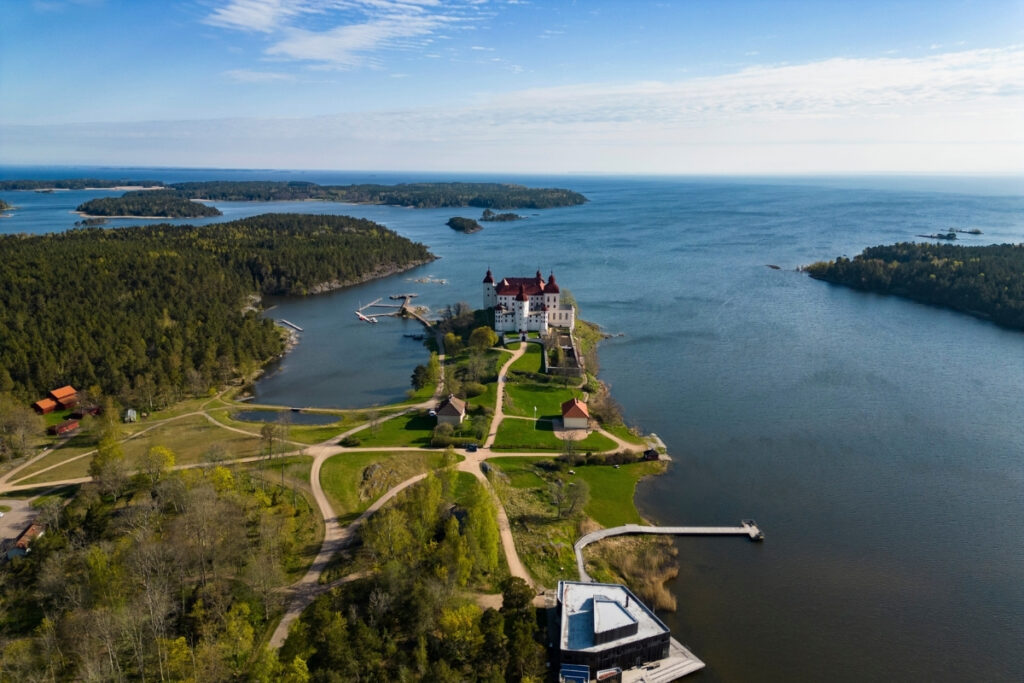
Setting out on a guided tour across Vänern is defined by scale and silence. You might cruise past uninhabited islands carpeted in pine and birch. You could also spot white-tailed eagles circling above. For those who want some action, fishing tours target Pike, Zander, and Salmon in some of Europe’s cleanest freshwater. Late-evening excursions are especially magical, since the sun barely dips below the horizon.
The surrounding region rewards exploration on land, too. The lakeside town of Lidköping is known for its porcelain heritage at the Rörstrand Museum. Nearby Läckö Castle hosts summer concerts and guided history tours from its lakeside promontory, too. Further south, the Kinnekulle plateau offers hiking trails through wildflower meadows with sweeping views of the water below. There really is something for everyone!
10. Lake Saimaa – Finland
We’ll stay in the Nordic countries as we wrap up this list. This time, we’re exploring Finland, whose largest lake is less a single body of water and more a labyrinth. Over 13,000 islands, narrow straits, and forested channels stretch across the country’s southeast. Saimaa is also home to the rare Saimaa ringed seal. Its crystal-clear waters sit surrounded by boreal forest that turns gold in autumn, so you’ll be glad that the boating season stretches from May through October.
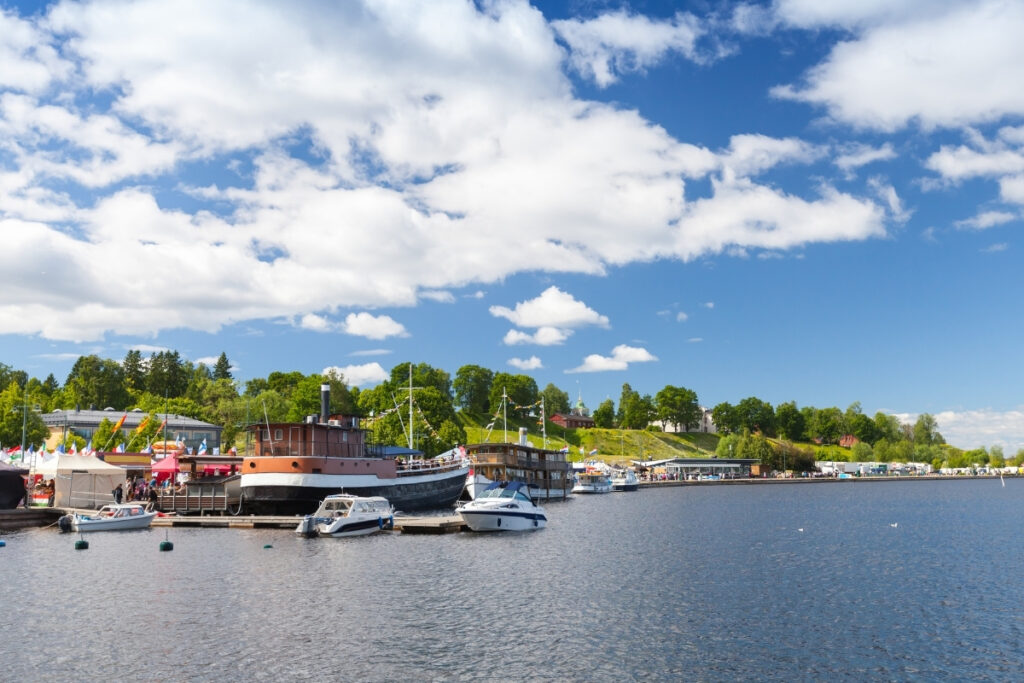
Exploring Saimaa by guided boat is an exercise in peaceful discovery. Your route could thread between islands so close that birch branches brush the vessel’s sides. Then, it opens into a wide basin where the only sound is the engine’s hum. Sunset cruises are especially striking here, but in summer, the sky barely darkens, painting the water in soft pinks and violets for hours!
Once you step ashore, the region provides a distinctly Finnish experience. Lakeside saunas are everywhere – many heated by wood and perched right at the water’s edge. The town of Savonlinna hosts a renowned opera festival each July inside Olavinlinna Castle, while nearby Linnansaari National Park also offers kayaking, hiking, and wildlife-spotting that extend well beyond the lake itself.
Make the Most of the Extended Boating Season!
These 10 boating lakes prove that Europe’s finest waterways aren’t reserved for a brief summer window. From Lake Skadar’s Mediterranean warmth to the endless daylight of Finland’s Saimaa, each destination extends your time on the water. And the variety they offer is part of the appeal.
Whether you’re planning your first guided boat tour or adding a new boating lake to the list, these spots reward travelers who think beyond peak season. So pack a light jacket, keep your schedule flexible, and let the water set the pace. The best boating lake in Europe might just be one you haven’t visited yet!
Where do you go to extend your boating season? Think we may have missed somewhere from the list? Reach out in the comments below to keep the discussion going!