
What Is a Skiff Boat? A Beginner’s Guide to the Small Boat Built for Shallow Water
A skiff boat is one of the simplest, most versatile small boats you can step onto. If you’ve been browsing boat types and wondering what a skiff boat is, here’s the short answer: it’s a small, open, outboard-powered vessel – typically 14 to 24 feet long – designed for shallow, sheltered waters. Skiffs are built for simplicity. There’s no cabin, no complex rigging, and no steep learning curve. You get a hull, an engine, and enough room for a few people to fish, cruise, or explore.
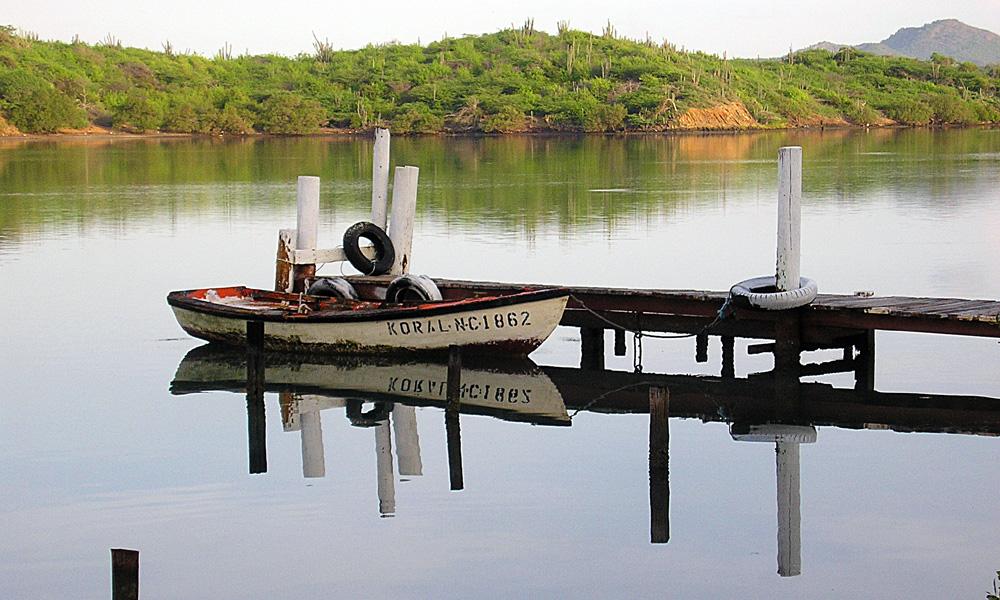
The word “skiff” traces back to Old Norse and Old High German roots. For centuries it’s meant roughly the same thing: a small, light boat you can handle without a crew. Today, “skiff” works more as a catch-all term than a strict design category. A 12-foot aluminum tiller boat and a $90,000 fiberglass flats machine can both be called skiffs. What ties them together is shallow draft, open layout, and a keep-it-simple philosophy that suits beginners and seasoned anglers alike.
What Is a Skiff Boat?
At its core, a skiff is a small, flat- or near-flat-bottomed boat with an open deck and an outboard motor. Most skiffs range from 10 to 25 feet, with the sweet spot sitting around 17 feet. They draw very little water – some can float in as little as 6 to 12 inches – so they go places deeper-draft boats simply can’t reach.
Skiffs come in two main materials. Aluminum is lighter and cheaper, common on entry-level and utility skiffs. Fiberglass dominates the modern market because it’s stiffer, smoother in the water, and easier to shape into performance hulls. Either way, the design stays minimal: an open cockpit, bench or casting-deck seating, and enough space for a cooler and some gear.
Steering varies by model. Smaller skiffs often use tiller steering, where you grip a handle on the outboard and steer directly. Larger models add a center console with a steering wheel, throttle, and basic electronics. Engine sizes range from 20 HP on a simple creek skiff up to 300 HP on high-performance flats boats, though the average sits around 75 HP.
The beauty of a skiff is what it doesn’t have. There are no complex systems to maintain and no deep-V hull that needs a boat ramp with six feet of water. There’s no heavy tow weight that demands a full-size truck, either. If you want a boat that’s easy to launch, easy to run, and easy to put away at the end of the day, a skiff checks every box.
What Makes a Skiff Different from Other Small Boats?
“Small boat” covers a lot of ground. Here’s how skiffs stack up against the types people most often confuse them with.
Skiff vs. Jon Boat
This is the most common comparison, and for good reason – the two overlap. Both are small, open boats made for shallow water. The differences, though, are in the details.
A jon boat has a flat bottom and a squared-off, blunt bow. That boxy shape maximizes deck space and stability at rest, but it slaps hard in any chop. Jon boats are almost always aluminum and tiller-steered.
A skiff typically has a pointed or gently curved bow, which cuts through waves more smoothly. Skiffs are also more likely to be fiberglass and more likely to have console steering, though plenty of aluminum tiller skiffs exist. Jon boats tend to cost less – sometimes significantly – but a skiff generally rides better once the wind picks up.
Skiff vs. Bay Boat
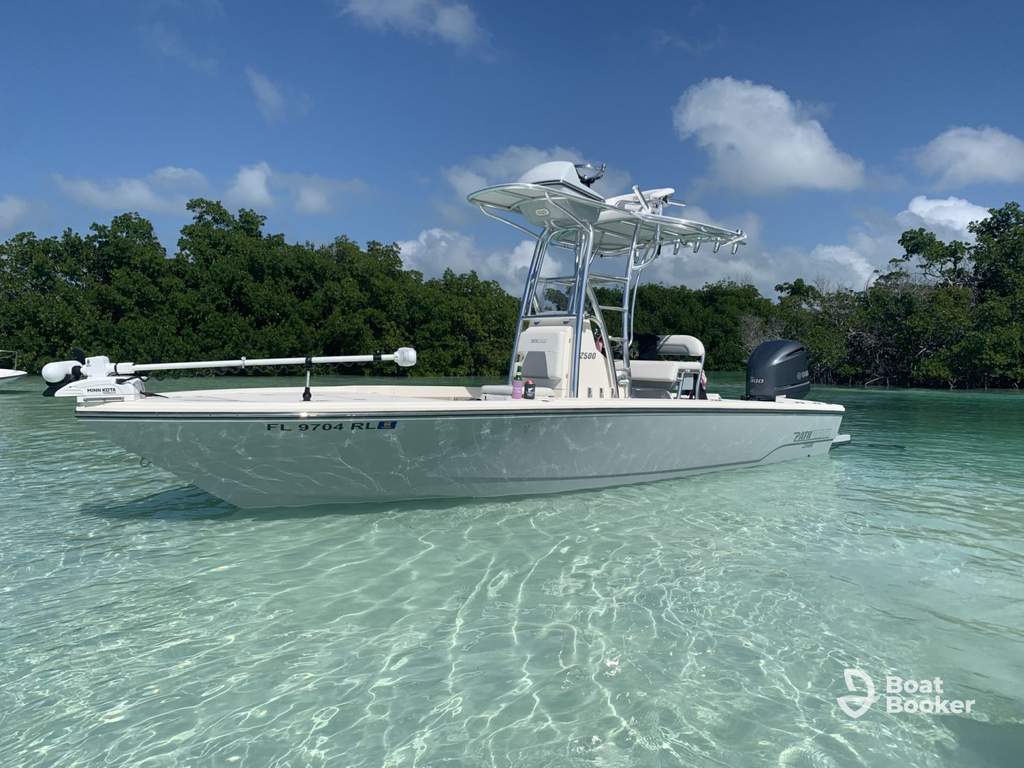
Bay boats are the bigger, beefier cousin. They run 20 to 24 feet, carry deeper V-shaped hulls, and handle rougher open-bay water that would swamp a typical skiff. If you’re fishing the middle of Tampa Bay or crossing a wide pass, a bay boat is the safer choice.
The trade-off? Bay boats draft deeper, weigh more, burn more fuel, and cost considerably more. A skiff wins anytime you need to slip into a skinny backcountry creek or pole across a flat where a bay boat would run aground.
Skiff vs. Flats Boat
Here’s where it gets a little circular: a flats boat is a type of skiff. It’s a technical poling skiff purpose-built for sight fishing on shallow saltwater flats. Flats boats feature an elevated poling platform on the stern, an ultra-shallow draft (often under 8 inches), and a hull designed to glide quietly without spooking fish.
Think of it this way – all flats boats are skiffs, but not all skiffs are flats boats. A general-purpose skiff is a broader tool, while a flats boat is a specialist.
Types of Skiffs
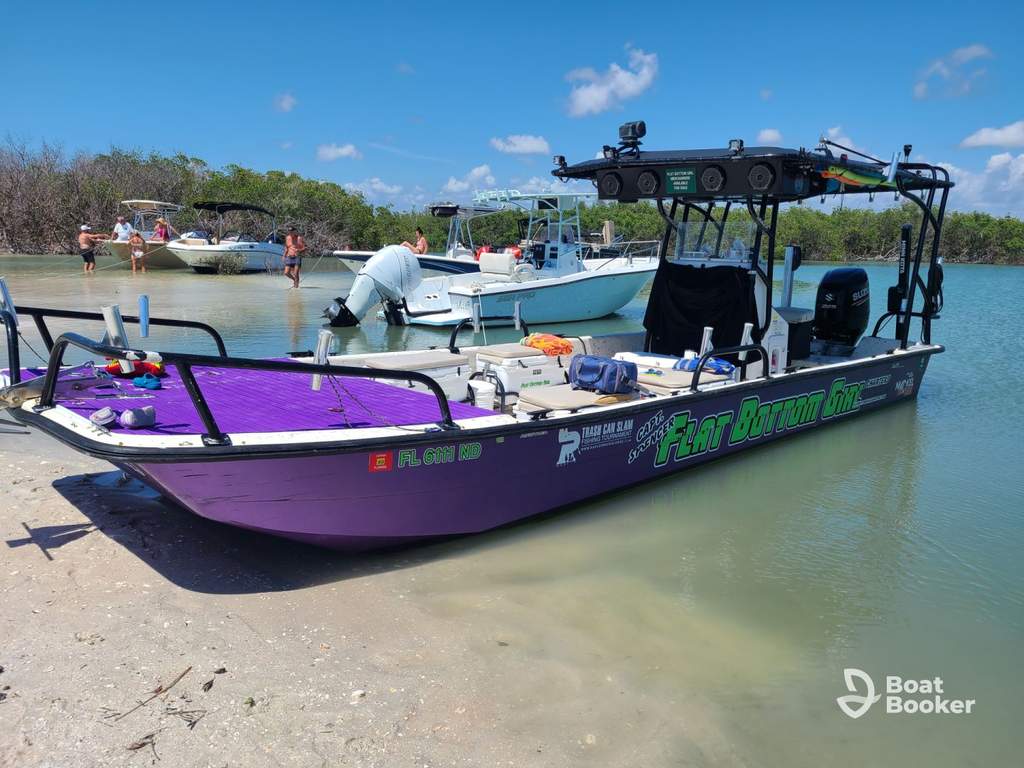
Skiffs fall into three broad hull categories, and the right one depends on where you plan to use it.
Flat-Bottom Skiff
This is the simplest and most affordable option. Flat-bottom skiffs sit right on top of the water and draw almost nothing. They’re stable at rest, easy to build, and perfectly at home on calm lakes, rivers, and protected creeks. The downside is ride quality – a flat hull pounds in chop and can feel squirrely at speed. As a result, they’re best for calm-water fishing, crabbing, and short utility runs.
Modified-V Skiff
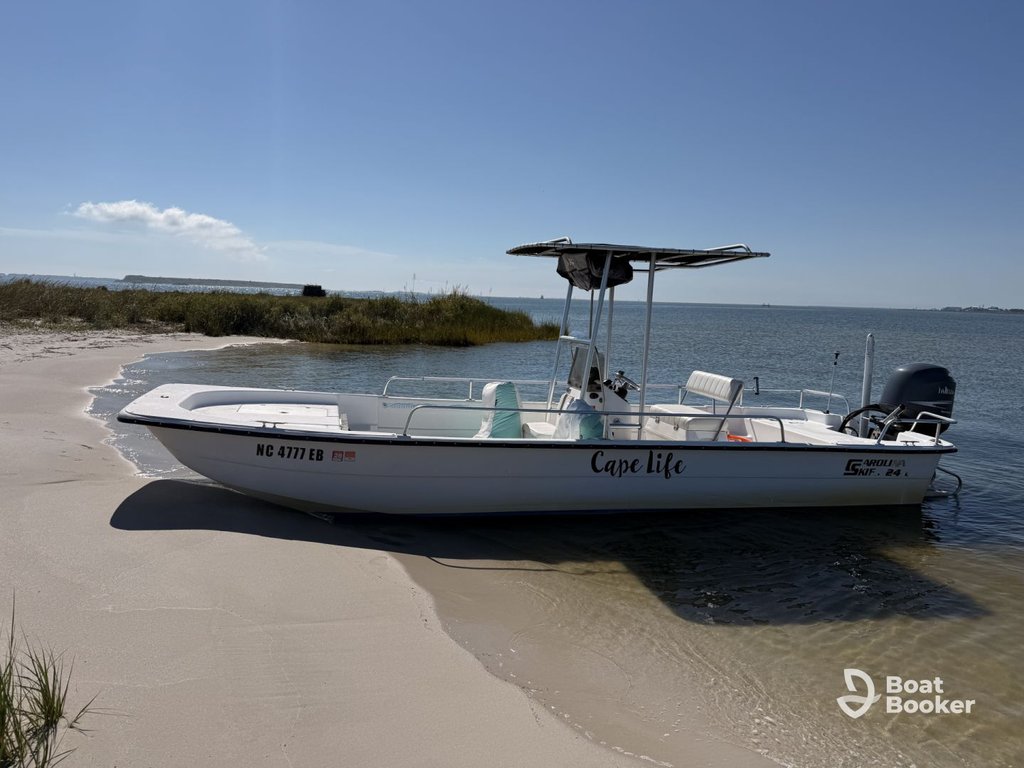
Add a slight V-shape to the hull and you get a much better rough-water ride without losing too much shallow-water ability. Modified-V skiffs handle light chop comfortably and also track better at cruising speed. This is the most popular hull style for general-purpose skiffs in the 16- to 20-foot range. Brands like Carolina Skiff, Mako, and Sundance build heavily in this category.
Technical Poling Skiff (Flats Skiff)
This is the high-performance end of the spectrum. These precision-built fiberglass hulls are designed for sight fishing on saltwater flats. They feature poling platforms, push-pole holders, and drafts measured in single-digit inches. Brands like Hewes, Maverick, East Cape, and Pathfinder dominate this space. Expect to pay a premium, though – these boats are engineered to be light, quiet, and hydrodynamically clean.
What Are Skiff Boats Used For?
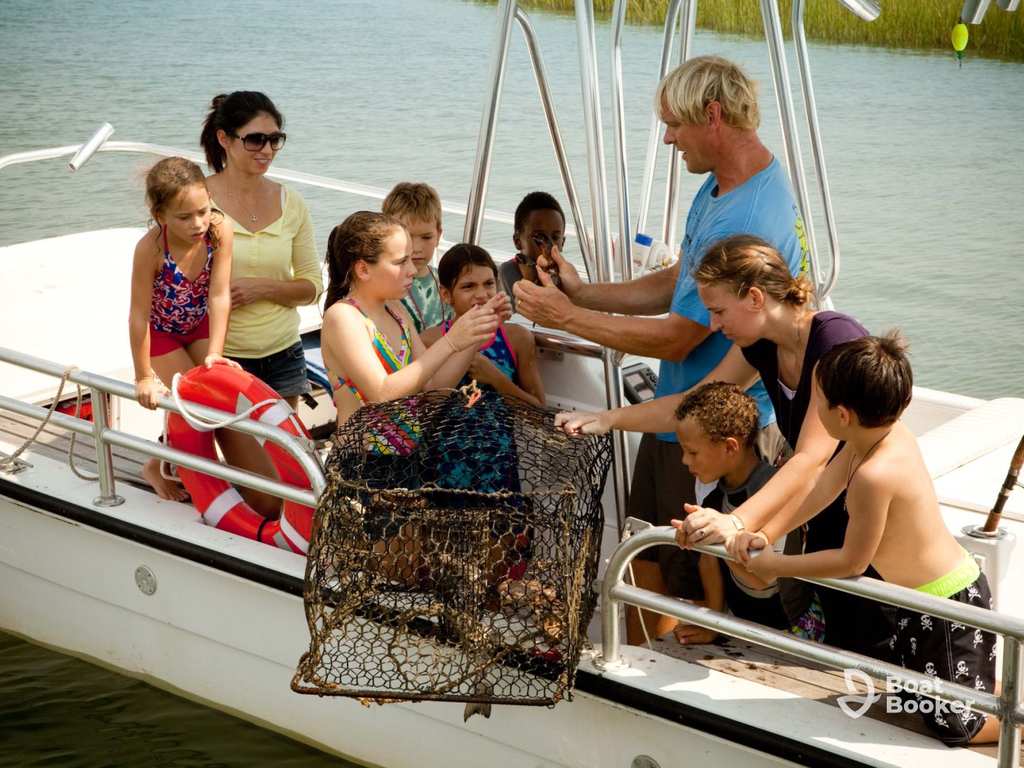
Skiffs are workhorses. Their shallow draft and simple layout make them useful for a surprisingly wide range of activities.
- Inshore and flats fishing is the headliner. Skiffs can access backcountry creeks, mangrove shorelines, oyster bars, and grass flats that larger boats can’t touch. Redfish, snook, bonefish, speckled trout, flounder – if it swims in shallow water, somebody’s chasing it from a skiff.
- Day cruising is another natural fit. A skiff with a center console, a cooler of drinks, and a sandbar destination makes for a low-key afternoon on the water. You don’t need a big boat to have a good time.
- Crabbing and clamming are classic skiff activities, especially in the Gulf Coast and Chesapeake Bay regions. The shallow draft lets you work right up to the shoreline.
- Eco-tours and wildlife watching are where skiffs really shine in the charter world. Their quiet operation and shallow access make them ideal for gliding through mangrove tunnels, spotting dolphins in backcountry bays, or birdwatching in marshes.
- Tender and utility use rounds things out. Plenty of boaters keep a small skiff as a dinghy for a larger vessel or as a general-purpose runabout for quick errands on the water.
Advantages and Drawbacks
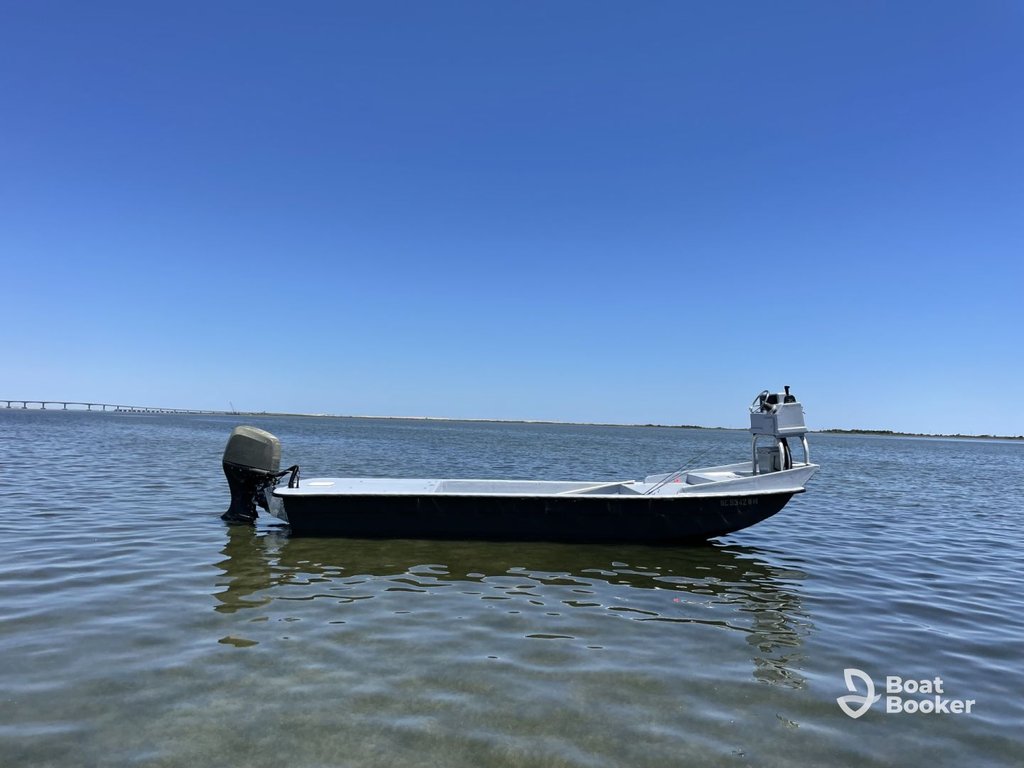
Every boat type comes with trade-offs. Here’s an honest look at both sides.
Advantages
- Low cost – entry-level skiffs start around $10,000 new, and used models can be found for well under $5,000
- Easy to tow and store – most skiffs fit on a single-axle trailer and can be pulled by an SUV or even a midsize truck
- Fuel efficient – small engines and light hulls mean you spend less at the gas dock
- Shallow water access – go where bigger boats can’t, from backcountry flats to skinny creeks
- Simple to operate – fewer systems means fewer things to learn and fewer things to break, which makes them great for beginners
- Low maintenance – especially aluminum models, which can take a beating and keep going
Drawbacks
- Limited passenger capacity – most skiffs comfortably hold 2 to 4 people. Some larger models stretch to 6, but it gets tight
- Not built for rough open water – skiffs are designed for protected bays, flats, and rivers. Larger models can handle calm nearshore conditions, but they’re not offshore boats
- Weather exposure – there’s no cabin, no hardtop on most models, and no windshield on smaller ones. Rain, sun, and spray are part of the deal
- Tiller steering takes practice – if your skiff uses tiller control, the “push left to go right” logic feels backward at first. It clicks after a few trips, though
- Limited range – small fuel tanks and modest engines mean you’re not crossing large bodies of water, so plan your trips accordingly
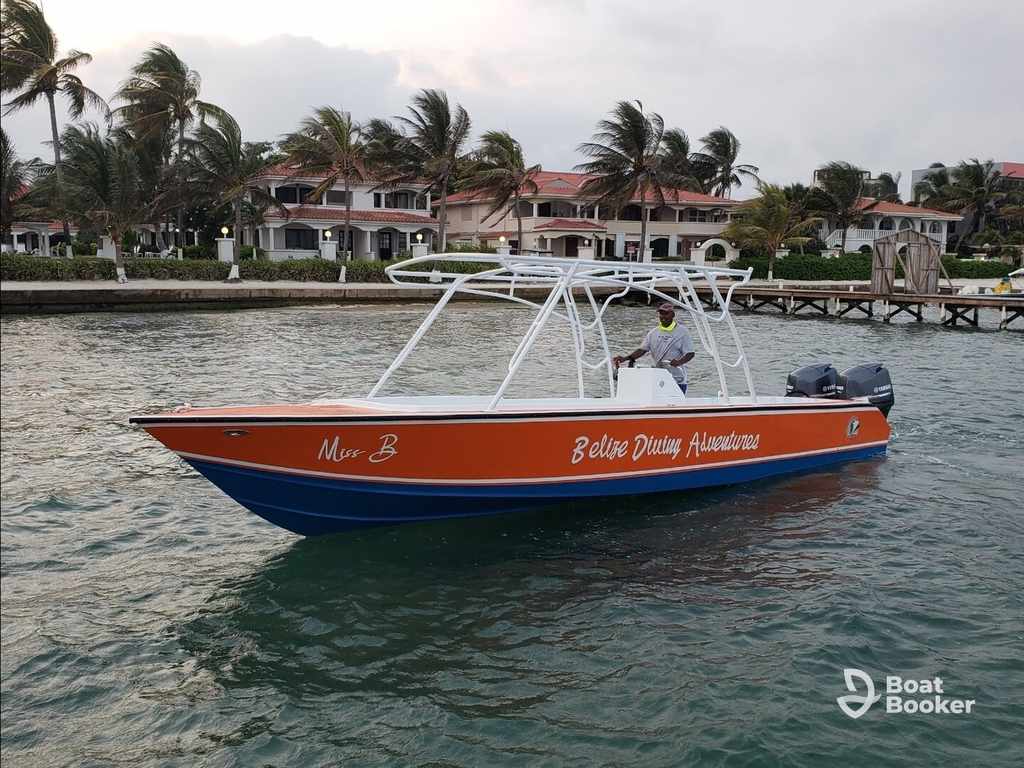
Curious how skiffs compare to larger fishing platforms? Our guide to center console boats covers the step up in size and capability.
How Much Does a Skiff Boat Cost?
Skiff pricing spans a wide range depending on size, material, and purpose.
- Entry-level ($10,000–$30,000): This gets you a new aluminum or basic fiberglass skiff in the 14- to 18-foot range with a modest outboard. Brands like Carolina Skiff and Mako offer solid options at this price point. On the used market, you can find serviceable skiffs starting around $3,000.
- Mid-range ($30,000–$60,000): Here you get fiberglass construction, center console steering, better electronics, and more refined hull designs. This is the sweet spot for serious recreational fishers who want quality without going all-in.
- High-end technical poling skiffs ($60,000–$100,000+): These are purpose-built flats boats from brands like Hewes, Maverick, and East Cape. Think ultralight layups, integrated poling platforms, and hulls designed to draft under 8 inches. The top end of the market pushes past $100,000 when rigged with premium electronics and power.
According to current listings on Boat Trader, skiff prices range from roughly $3,100 to $114,000, with an average around $30,000.
Not ready to buy? Renting or chartering a skiff for a day is a smart way to try before you commit. Guided skiff tours on BoatBooker typically run $250 to $500 for a half-day trip, depending on location and group size. That’s a fraction of the cost of ownership, and you get a captain who knows the water.
What to Expect on a Guided Skiff Tour
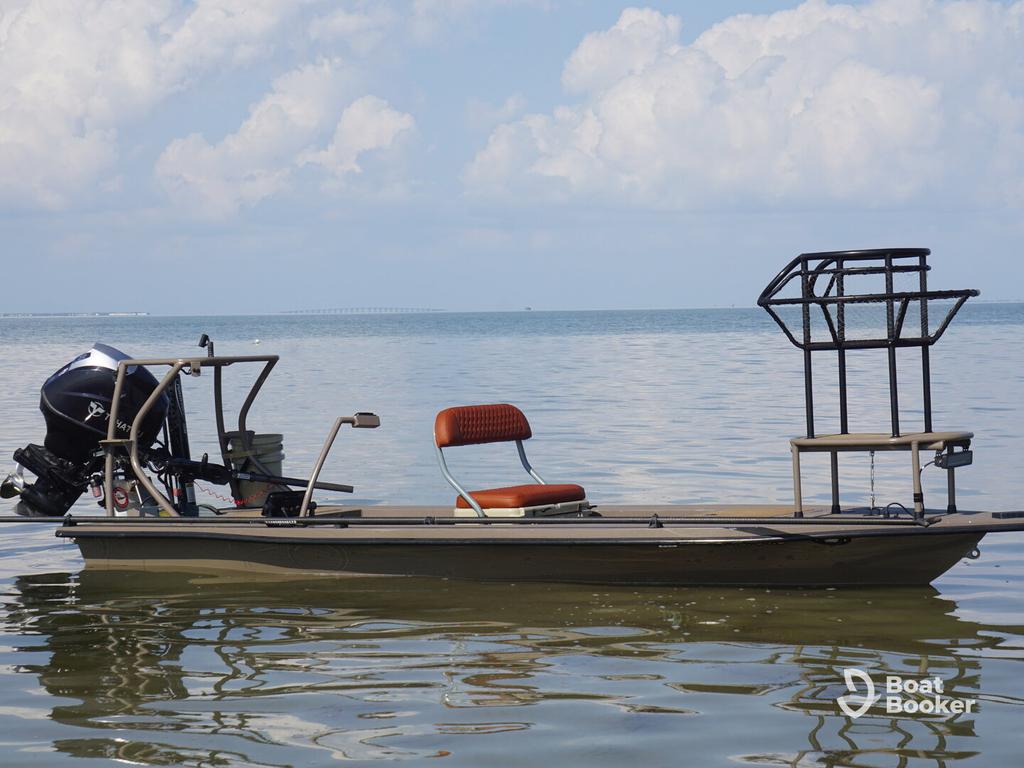
If you’re not ready to buy or just want to experience a skiff firsthand, a guided charter is the easiest way in. Here’s what a typical trip looks like.
- Group size is small – usually 2 to 4 guests, sometimes up to 6 on a larger skiff. This isn’t a party boat. It’s an intimate, hands-on experience where you’re close to the water and close to the action.
- Trip duration ranges from half-day outings (4 hours) to full-day adventures (6–8 hours). Most first-timers do well with a half day. That’s plenty of time to explore, fish, and get comfortable on the water.
- Common activities include backcountry fishing, flats fishing, eco-tours through mangrove tunnels, dolphin watching, and birdwatching. Your captain handles the boat, knows where the fish are, and provides all the gear. You just show up.
- What to bring: Sunscreen (reef-safe if you’re in a marine sanctuary or you want to just use less toxins), polarized sunglasses, a hat, water, and light layers. Wear shoes you don’t mind getting wet – flip-flops or water shoes work fine. Most captains provide rods, tackle, bait, and a cooler with ice.
- Where to book: Florida’s Gulf Coast, the Florida Keys, the Outer Banks, and coastal Louisiana are popular spots for skiff charters.
Frequently Asked Questions About Skiff Boats
Have you spent time on a skiff – whether fishing the flats in Florida, crabbing in the Chesapeake, or just puttering around a favorite lake? We’d love to hear what you use yours for, or how your first skiff charter went. If anything in this guide seems off or outdated, drop a note in the comments and we’ll get it updated.