
Best Boating Lakes in Washington: 10 Lakes to Explore This Summer
Washington State is home to more than 7,000 lakes, ponds, and reservoirs – and the best boating lakes in Washington State span an almost absurd range of scenery. You can launch a boat beneath glacier-capped Cascade peaks in the morning and be cruising through sun-baked desert canyon walls by afternoon. From urban waterways minutes from downtown Seattle to remote alpine basins you can only reach by trail or ferry, this state gives boaters more variety per square mile than just about anywhere in the country.
The Washington Department of Fish and Wildlife manages over 500 public access sites, so finding a ramp is rarely the hard part. Choosing which lake deserves your weekend – that’s where it gets tricky.
This list covers ten lakes across Western Washington, the Cascades, the Olympic Peninsula, and Eastern Washington’s high desert. Whether you’re towing a ski boat from Bellevue or renting a kayak on vacation, there’s something here for you. A quick logistics note before we dive in: Washington requires a Boater Education Card for anyone 12 or older operating a motorized vessel with 15 horsepower or more. The card is free to earn online, valid for life, and skipping it can mean an $87 fine. Worth the 30 minutes.
Now, here are ten lakes that made our cut – ranked by nothing other than how much we think you’ll enjoy them.
Lake Chelan
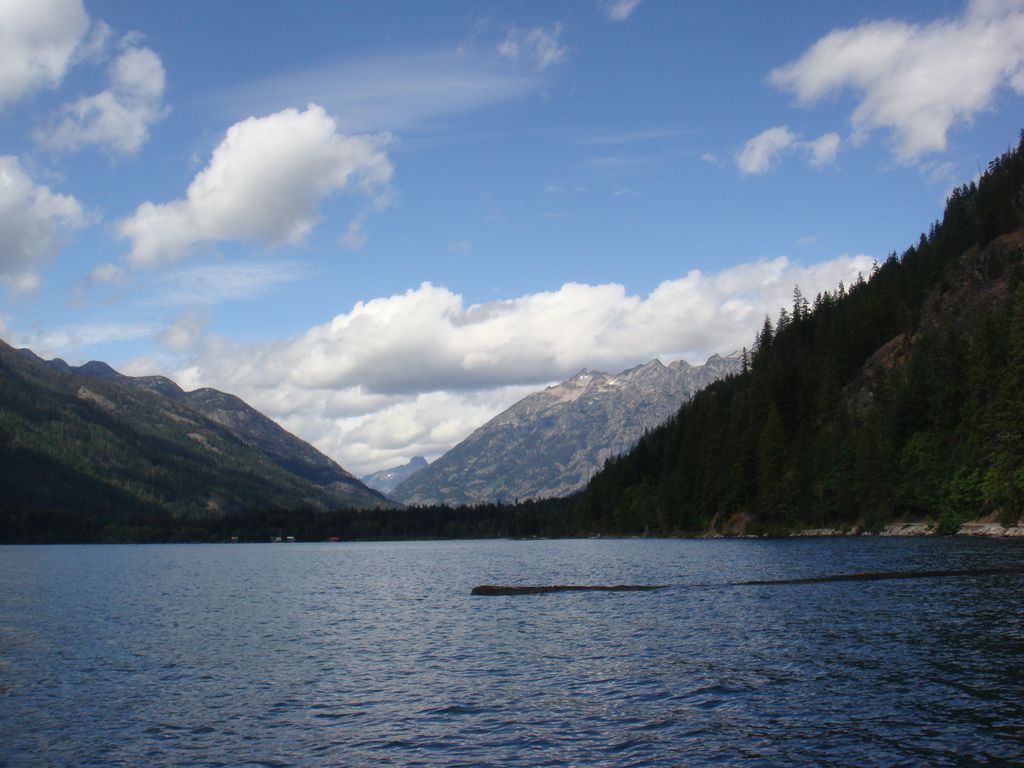
Stretching over 50 miles through the eastern Cascades, Lake Chelan is the longest natural lake in Washington and the third deepest in the entire country – bottoming out at 1,486 feet. The water stays a striking blue-green all season long, framed by steep forested ridges that make the whole scene feel more like a Norwegian fjord than a Pacific Northwest reservoir. It’s the kind of place that stops you mid-sentence when you round a bend.
On the water, Chelan delivers across the board. The lower lake near the town of Chelan is wide and open – ideal for water skiing, wakeboarding, jet skiing, and tubing. Head uplake and the surface calms down, giving anglers access to lake trout, chinook salmon, and kokanee. There’s no road to the tiny community of Stehekin at the lake’s north end, so arriving by boat feels genuinely remote. Several marinas near the town of Chelan offer boat rentals and launch access, though summer weekends fill up fast. Plan to arrive early or book a slip in advance.
Back on shore, the town of Chelan has grown into a legitimate wine-country destination. More than two dozen tasting rooms line the main drag and surrounding hillsides, and the dining scene leans casual but keeps getting better. If you’re up for an adventure, take the Lady of the Lake ferry to Stehekin and use it as a base for day hikes into North Cascades National Park – one of the least-visited national parks in the lower 48.
Lake Washington
The second largest lake in the state and the biggest in King County, Lake Washington sits right between Seattle and the Eastside suburbs – making it one of the most accessible boating destinations you’ll find anywhere. The I-90 floating bridge crosses directly over it, and on a clear day the views of Mount Rainier from mid-lake are the kind of thing you pull out your phone for even after seeing them a hundred times.
Sailing is huge here, with regular regattas and yacht club activity throughout the season. Motorboaters, kayakers, and paddleboarders share the water comfortably given the lake’s size – roughly 22 miles long and up to four miles wide. Fishing is productive too: largemouth and smallmouth bass, yellow perch, and stocked rainbow trout all turn up regularly. If you’re looking for guided options, BoatBooker lists boat tours on Lake Washington. If you’re bringing your own boat, multiple public launches line both shores, with popular ramps at Gene Coulon Memorial Beach Park in Renton and Magnuson Park in Seattle.
On land, the cities ringing the lake each bring something different. Kirkland’s waterfront has a walkable stretch of galleries, restaurants, and parks. Mercer Island feels quieter and more residential – good for a post-cruise stroll. Seattle’s side offers everything from craft breweries in Leschi to the Museum of Flight a short drive south. You won’t run out of things to do before or after your time on the water.
Banks Lake
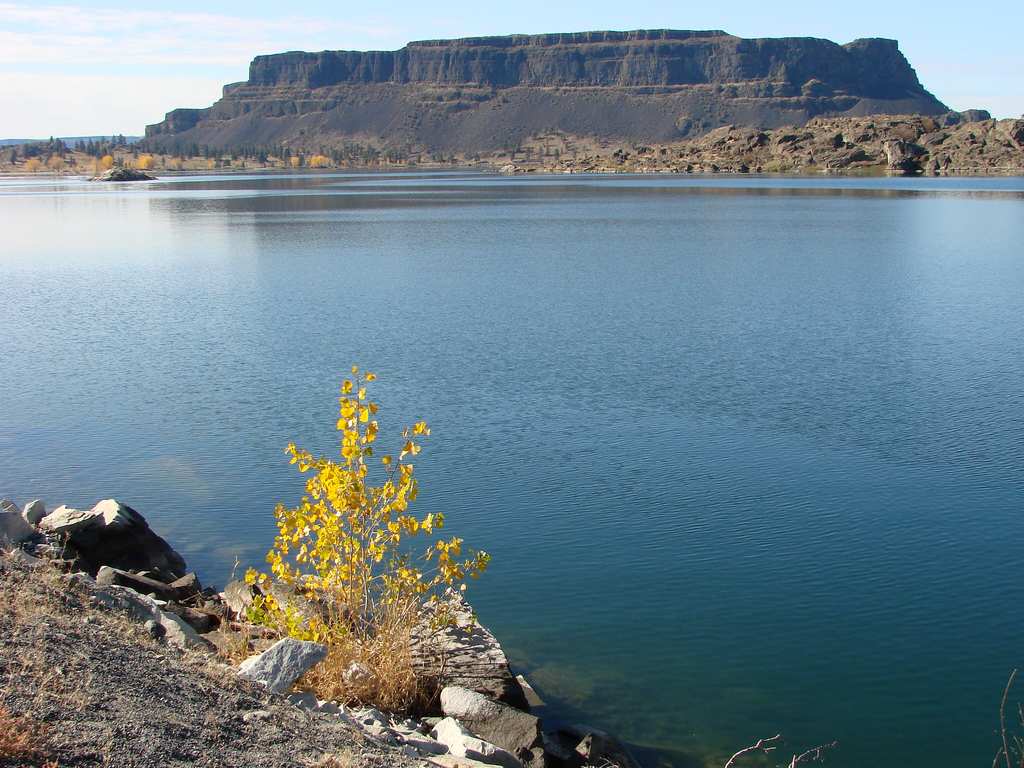
Banks Lake is a different boating experience entirely. This 27-mile-long reservoir sits in the Columbia Basin’s high desert, surrounded by basalt cliffs, sagebrush, and some of the most dramatic geology in the state. The towering butte of Steamboat Rock – a massive mesa rising 800 feet from the water’s surface – anchors the north end and gives the whole lake a landscape-of-another-planet quality that catches first-time visitors off guard.
The water here stays warm by Washington standards, often reaching the mid-70s by July, which makes it a magnet for wakeboarding, tubing, and swimming. Anglers do well too – walleye, smallmouth bass, largemouth bass, and yellow perch are all present, and the walleye fishing in particular draws serious anglers from across the region. Kayakers and paddleboarders love exploring the rocky coves and cliff walls along the shoreline. Several boat launches dot the lake, with Coulee Playland near the south end offering rentals, moorage, and fuel.
Steamboat Rock State Park provides the best base camp, with campsites right on the water and a trail to the top of the butte itself – a strenuous but rewarding hike with 360-degree views of the lake and surrounding coulee. The nearby town of Electric City is small but functional for supplies. If you’re craving a boating trip that feels nothing like the lush, green, rain-soaked Washington most people picture, Banks Lake is your answer.
Lake Crescent
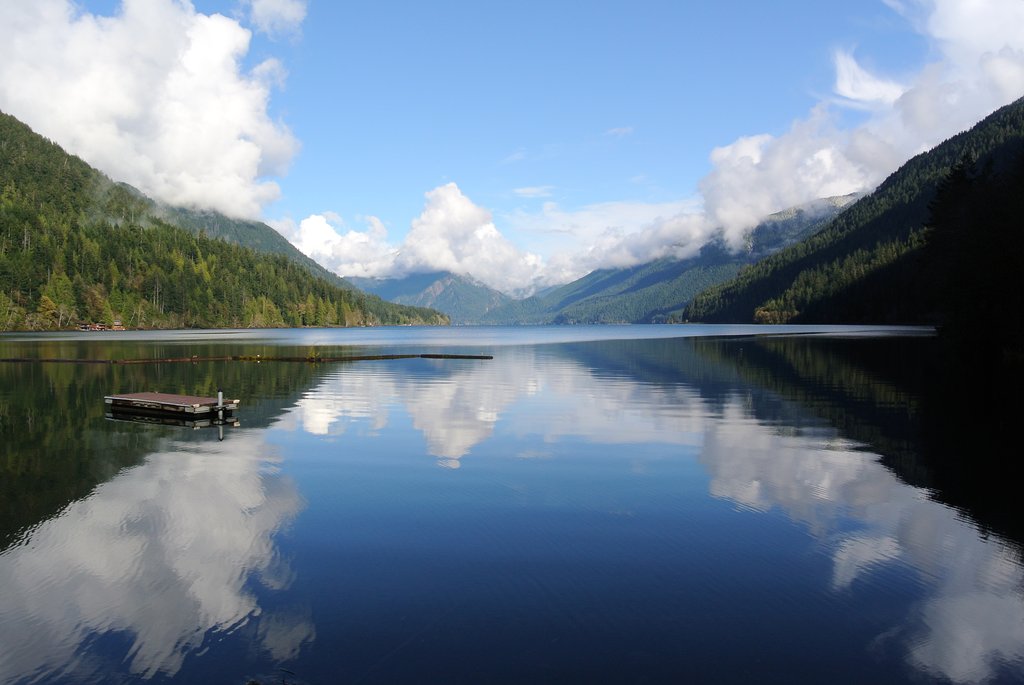
Talking about how you imagine Washington’s landscapes – tucked inside Olympic National Park on the peninsula’s north side, Lake Crescent is one of the most visually striking bodies of water in the state. The lake sits at about 580 feet of elevation, cradled by old-growth forest, and its water clarity is almost eerie – visibility can reach 60 feet on calm days, giving the surface a deep blue-green color that looks almost tropical. It’s not large (about 12 miles long), but every angle is postcard-worthy.
Boating here is deliberately low-key. Gas-powered watercraft are allowed, but a strict no-wake zone covers much of the lake, so the vibe favors kayaking, canoeing, and quiet electric-motor cruising over anything high-speed. That calm surface is part of the appeal – paddle out early in the morning and you’ll feel like the only person in the park. Fishing is catch-and-release for the native Beardslee and Crescenti trout, two subspecies found nowhere else on earth. The Log Cabin Resort and Storm King ranger station both offer paddle-craft rentals during summer.
The bonus is what surrounds the lake. Marymere Falls is a short, family-friendly hike from the shore. The Spruce Railroad Trail follows the north bank with views across the water the entire way. Historic Lake Crescent Lodge – built in 1915 – sits right on the south shore and makes a great spot for lunch or an overnight stay. This is a lake for people who want to slow down, not speed up.
Lake Sammamish
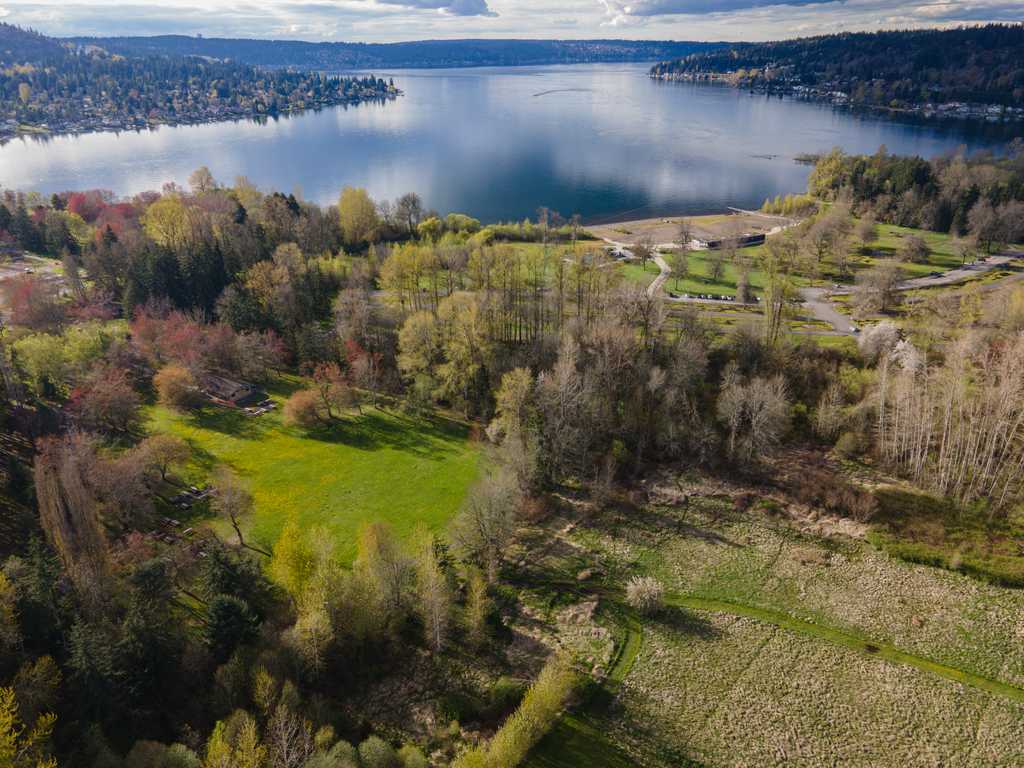
Just east of Bellevue, Lake Sammamish is the family-friendly counterpart to its larger, busier neighbor Lake Washington. The atmosphere here is noticeably more relaxed. The lake is smaller – about seven miles long – and the pace on the water reflects that. It’s the kind of place where a Saturday means packing a cooler, claiming a spot at one of the parks, and spending the day moving between the water and the picnic table without much of a plan.
Motorboating, paddleboarding, and kayaking are all popular, and there’s enough room that different uses don’t conflict. Swimming is excellent from the designated beaches at Lake Sammamish State Park, which anchors the south end with two large beach areas, a playground, and ample parking. Fishing produces rainbow trout, yellow perch, and smallmouth bass. Public boat launches are available at the state park, though the lot fills early on summer weekends – arriving before 10 a.m. is a good move.
The surrounding Eastside communities of Issaquah and Redmond add depth to a day trip. Issaquah’s historic downtown has a handful of solid restaurants, and the Issaquah Salmon Hatchery is worth a quick stop – especially if you have kids. The Sammamish River Trail connects the lake to Redmond and Woodinville’s wine-tasting district if you want to extend the day on two wheels. For Seattle-area families who want a full day on the water without a long drive, this lake hits the sweet spot.
Cle Elum Lake
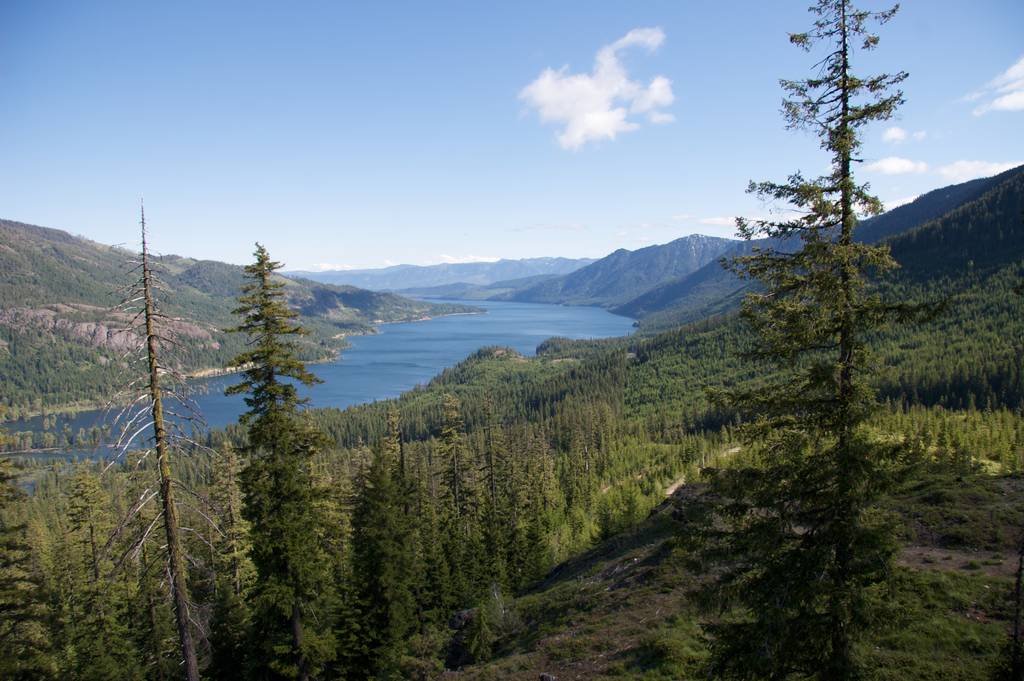
About 90 minutes east of Seattle over Snoqualmie Pass, Cle Elum Lake feels like stepping into a different world. The lake sits at around 2,200 feet of elevation in the upper Kittitas Valley, surrounded by Cascade peaks and largely undeveloped shoreline. Ponderosa pines line the banks, the air smells like warm pine needles in summer, and the views upvalley toward the Stuart Range are genuinely spectacular.
Water skiing, jet skiing, and wakeboarding are all fair game here – the lake stretches about five miles and gets wide enough for comfortable towing. Windsurfing picks up in the afternoons when thermals funnel through the valley. Anglers target rainbow trout, kokanee, and burbot, with the best fishing typically early and late in the season.
One important note: Cle Elum is a Bureau of Reclamation reservoir, and water levels drop significantly by late summer as irrigation drawdowns take hold. By August, the boat ramp can be a long walk from the parking lot, so check conditions before you haul a trailer over the pass.
The small town of Cle Elum sits about 10 miles south and offers basic services – gas, groceries, a couple of good burger joints. The real gem nearby is Roslyn, the quirky former coal-mining town where Northern Exposure was filmed. It’s worth a wander through the historic cemetery and a beer at the Roslyn Brewing Company. The whole area also serves as a gateway to the Teanaway backcountry if you want to combine boating with hiking or mountain biking.
Lake Roosevelt
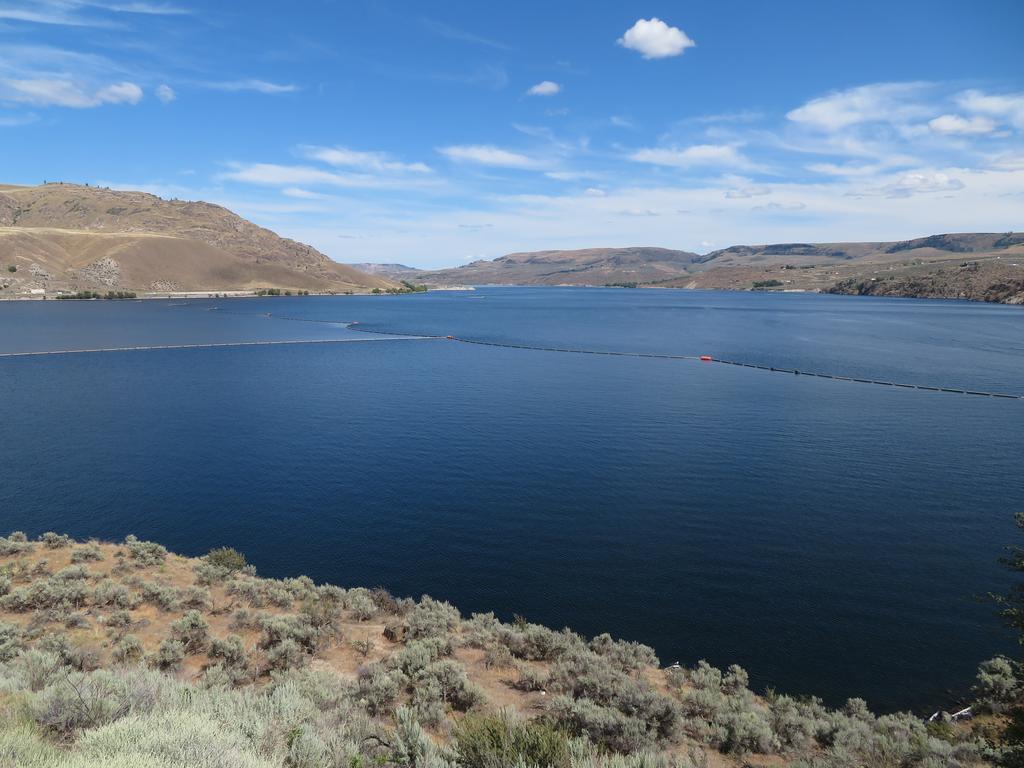
Lake Roosevelt is big on a scale that’s hard to appreciate until you’re on it. The reservoir formed by Grand Coulee Dam stretches 130 miles up the Columbia River – longer than some states are wide – with over 600 miles of shoreline. The National Park Service manages it as a national recreation area, and because of its size, it never feels crowded. You can boat for hours and have entire coves to yourself.
The activity list here is long: houseboating, wakeboarding, swimming, water skiing, and fishing top the list. The walleye fishing on Roosevelt is some of the best in the Pacific Northwest, and you’ll also find kokanee, rainbow trout, smallmouth bass, and sturgeon. Houseboating is the signature experience – several marinas rent fully equipped houseboats that sleep 10 or more, making it a great option for multi-family trips or group getaways. Keller Ferry Marina and Seven Bays Marina are the two main full-service hubs, both with launch ramps, fuel, and rentals.
On shore, the massive concrete face of Grand Coulee Dam is worth seeing in person – it’s the largest hydroelectric producer in the U.S. The free laser light show projected onto the dam’s spillway runs nightly during summer. Dozens of campgrounds line the reservoir, many of them free and first-come, first-served. Fort Spokane, at the confluence of the Spokane and Columbia rivers, adds a layer of frontier history. If you want to disappear into Eastern Washington for a week, Roosevelt has the room.
Lake Union
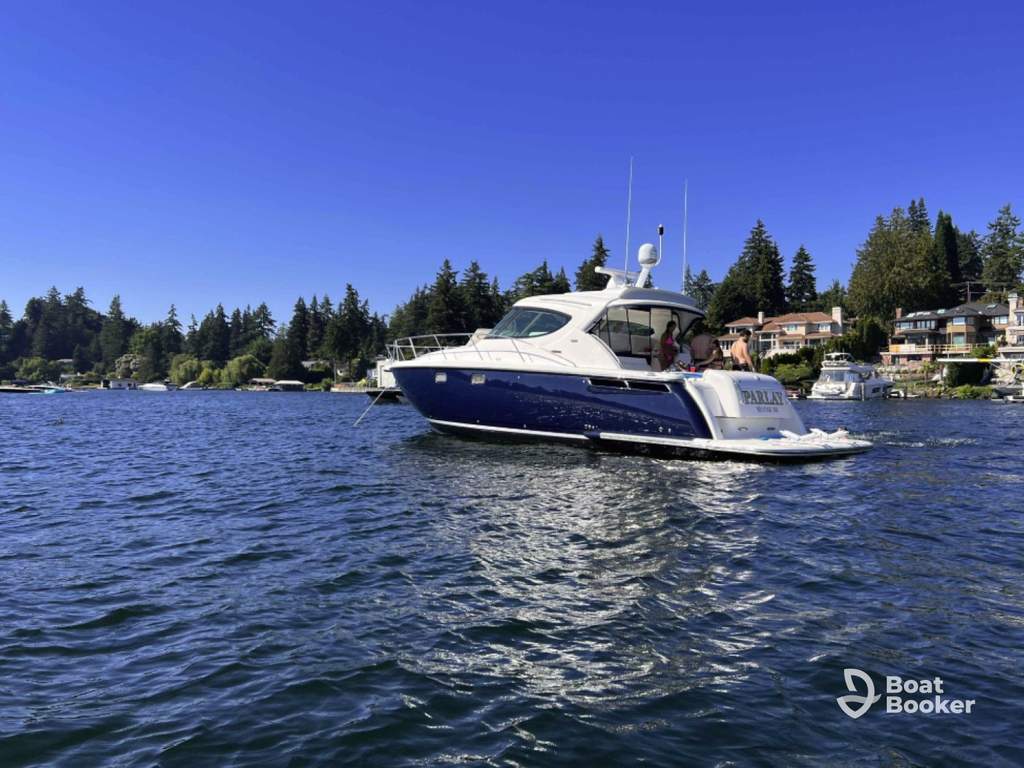
You won’t find a more urban lake experience in Washington – or arguably anywhere on the West Coast. Lake Union sits right in the middle of Seattle, connected to Puget Sound via the Ballard Locks and to Lake Washington by a narrow ship canal. Seaplanes take off and land throughout the day. Houseboats line the east shore. The Space Needle and the downtown skyline are right there, reflected in the water on still evenings.
Despite the busy setting, the boating is excellent. Sailboats, kayaks, paddleboards, dragon boats, and small motorcraft all share the water. The Center for Wooden Boats offers free public sailboat rides on Sundays and rents classic wooden vessels by the hour. If you’re looking for a guided tour, several charter companies operate on the lake. Rowing crews from the University of Washington train here regularly, so it’s a genuinely active, energetic body of water.
When you come off the water, South Lake Union has become one of Seattle’s hottest neighborhoods. The Museum of History and Industry (MOHAI) sits right at the south end, while restaurants, breweries, and coffee roasters line Westlake Avenue. Gas Works Park on the north shore is the classic vantage point for skyline photos and Fourth of July fireworks. Lake Union isn’t the lake you visit for solitude – it’s the one you visit to feel the pulse of the city from the water.
Lake Wenatchee
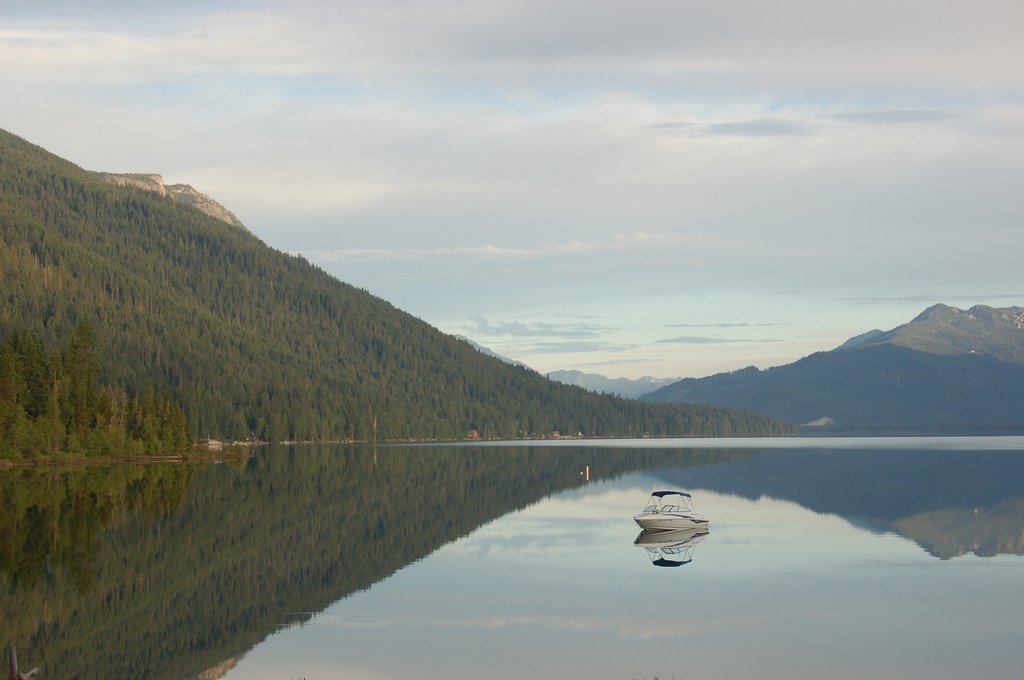
Fed by the Wenatchee River and nestled in the Cascade foothills about 20 miles north of Leavenworth, Lake Wenatchee is one of Washington’s most beautiful alpine lakes. The water is glacier-fed and cold – but by mid-July, the shallow south end warms up enough for comfortable swimming. The setting is quintessential Pacific Northwest: dense evergreen forest, snowy peaks in the distance, and the kind of quiet that makes you forget you’re only two hours from Seattle.
Kayaking and canoeing are the star activities here, and the lake’s calm mornings are perfect for paddle-craft. Windsurfing and kiteboarding pick up in the afternoon when reliable thermal winds sweep down the valley. Motorboating is permitted, and fishing is solid for kokanee, sockeye salmon (when open), and rainbow trout. Lake Wenatchee State Park at the south end has a public boat launch and nearly 13,000 feet of waterfront – one of the more generous shoreline stretches in the state park system.
The nearby Bavarian-themed village of Leavenworth is a 25-minute drive and makes a fun side trip for lunch, ice cream, or window shopping. It’s undeniably touristy, but the bratwurst-and-beer scene is legitimately enjoyable. Back at the lake, the state park offers camping, hiking trails, and horseback riding. In winter, the area transforms into a cross-country skiing hub. For families and paddlers who want mountain scenery without full backcountry remoteness, Wenatchee delivers.
Lake Tapps
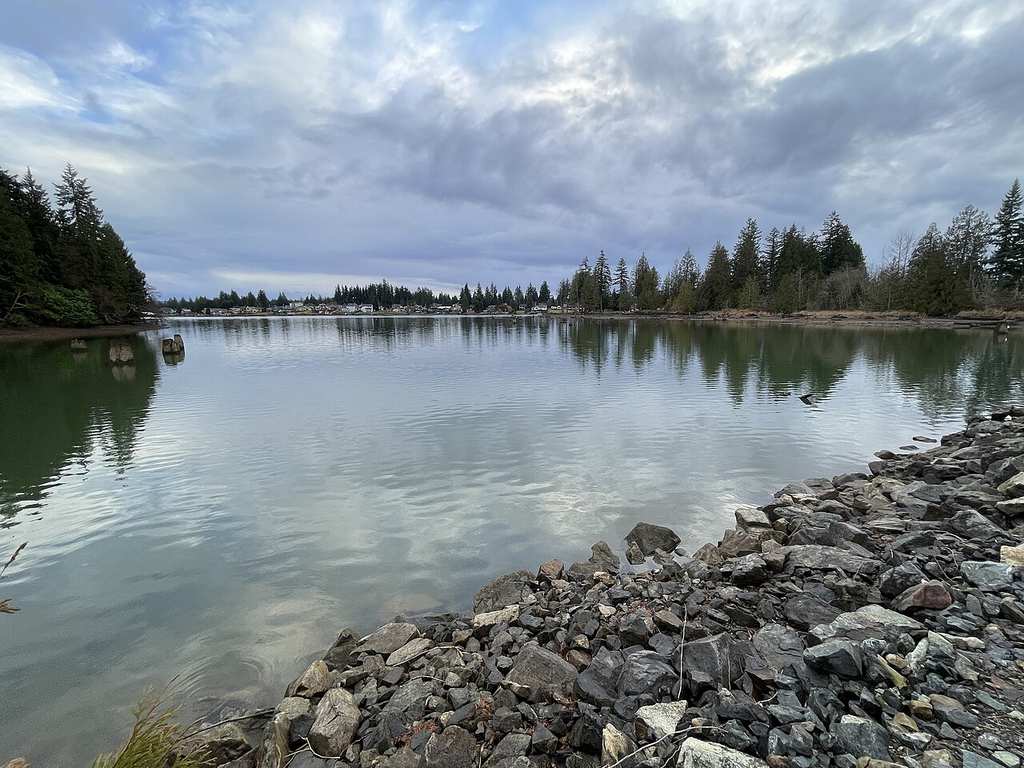
Lake Tapps sits in the shadow of Mount Rainier about 45 minutes southeast of Seattle, and on clear days the mountain absolutely dominates the southern horizon. This 2,400-acre reservoir was originally built for hydroelectric power, but today it functions primarily as a recreational lake – and a popular one. The water is cleaner and clearer than you might expect from a reservoir, thanks to ongoing water quality management by Cascade Water Alliance.
Motorboating, water skiing, wakeboarding, and fishing are the main draws. The lake is big enough for high-speed water sports without feeling overcrowded, and several no-wake zones near shoreline parks keep things safe for swimmers and paddlers. Anglers pull in rainbow trout, largemouth bass, and channel catfish. Two public boat launches serve the lake, with Allan Yorke Park on the west side being the most popular – it has a two-lane ramp, restrooms, a playground, and covered picnic areas.
The surrounding community of Bonney Lake and nearby Sumner and Auburn offer all the services you’d need. Allan Yorke Park is the hub for land-based activity – a paved trail loops the perimeter, and the playground is big enough to keep kids entertained for a solid hour. The real draw, though, is that Rainier view. When the mountain comes out on a blue-sky summer day and you’re floating on flat water with it filling the skyline, it’s one of those Washington moments that reminds you why people live here.
Plan Your Washington Lake Adventure
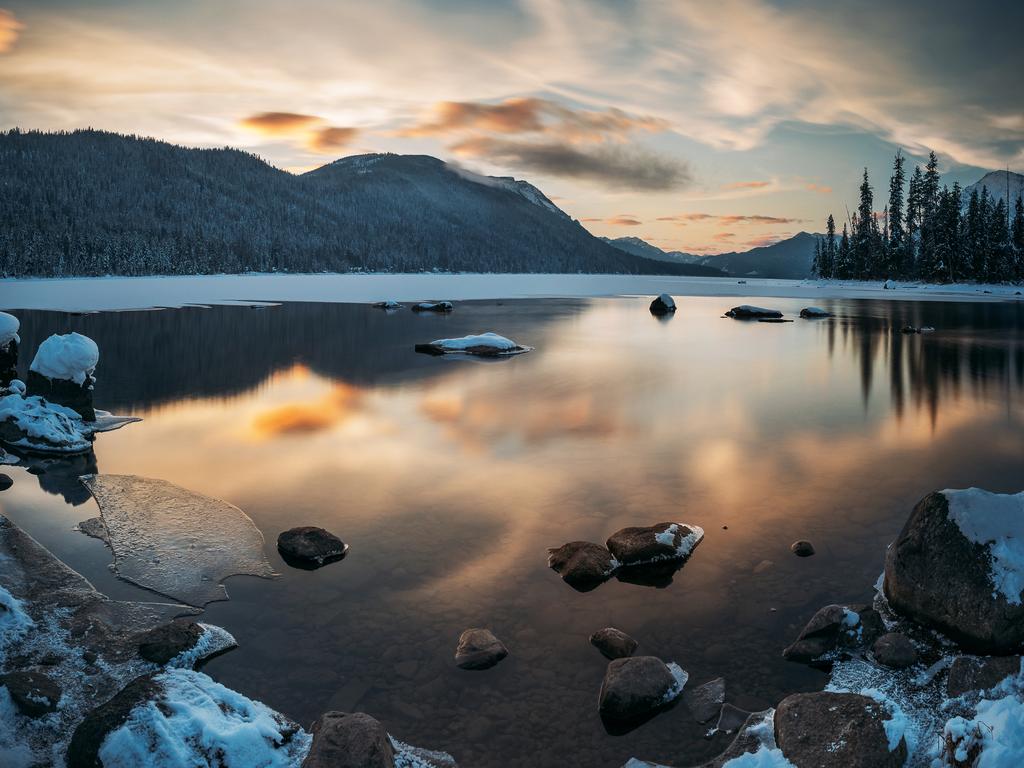
The prime boating window in Washington runs from June through September. July and August bring the warmest water temperatures and the most reliable sunshine, but they also bring the biggest crowds – especially at easily accessible lakes like Chelan, Sammamish, and Tapps. If you can swing a weekday trip, you’ll have noticeably more room on the water. Late May and early October offer cooler but often gorgeous conditions with far fewer people.
Remember that Boater Education Card – it applies on every lake in the state for motorized vessels 15 hp and above, and you can earn it through a free online course in about 30 minutes. Once you have it, it’s valid for life. You can trailer your own boat or rent at the lake, but the most relaxed way to enjoy Washington’s waters is by chartering a guided tour. And if you’re exploring boating lakes beyond Washington, check out our broader guide to the best boating lakes in the US for more ideas.
Have you spent time on any of these Washington lakes? I’d love to hear which ones I got right – and which ones I’m underrating. If there’s a lake you think belongs on this list that didn’t make the cut, or if any of the details above need updating, drop it in the comments. Tips on specific launch ramps, marinas, or hidden coves are always welcome too.