
Barco de pesca a la deriva
Las mejores 2 ofertas de Barco de pesca a la deriva - ingresa el destino y las fechas para verificar disponibilidad.
Tours y chárters de Barco de pesca a la deriva más cercanos
Tours y chárters de Barco de pesca a la deriva más cercanos
- Confirmación inmediataViajes desdeUS $250
Leonardo Boat Tours
Saranda, AlbaniaConfirmación inmediataViajes desdeUS $79
Ubicaciones de Barco de pesca a la deriva más cercanas

Los mejores tours y chárters de Barco de pesca a la deriva en todo el mundo
- 5 Horas – Almuerzo y Relajación en el RíoConfirmación inmediataPrecio para hasta 1 personaUS $274
- 6 Horas – Tour de snorkel (copia)Confirmación inmediataPor personaUS $39
Destinos populares de Barco de pesca a la deriva en todo el mundo
Acerca de Barco de pesca a la deriva
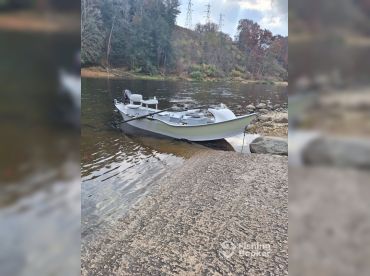
A drift boat is a small river craft made to float with the current while you fish. It handles shallow water and fast flows with ease. Guides row it from the center, so you can focus on casting and watching the water. If you want quiet travel, steady drift, and easy access to prime seams and eddies, a drift boat is a great choice.
Most drift boats run 12 to 18 feet. They have a wide, stable hull and high, flared sides for a dry ride. Seats are often raised, with casting braces for balance while you stand. Many include rod holders, dry storage, and a simple anchor system to stop on a hot spot. The shallow draft lets the boat slide over gravel bars and through skinny runs.
On the water, a drift boat shines for fly fishing and light tackle. It moves slow and precise, letting you work each lane and undercut bank. Your guide rows to set the perfect angle and speed. You can step out to wade, then hop back in to cover more river. Some trips mix drifting, short stops, and lunch by the shore.
This boat suits beginners and seasoned anglers alike. It feels stable, which helps kids and first timers. Wear a life jacket, and bring sun gear, water, and quick-dry layers. Polarized sunglasses help you read the river and spot fish. Plan for spray and weather shifts, since river days can change fast.
Before your trip, check local rules. You may need a fishing license or special river permit. Follow capacity ratings and use USCG-approved life jackets. Know seasonal closures and any no-motor zones. Always follow your captain’s safety talk and local boating laws.